dog day in summer with orange
July 19, 2011 4:30 PM Subscribe
Orange sucking dog. [slyt]
What is, " alternate name for sexual perversion?" Alex.
posted by The Whelk at 4:34 PM on July 19, 2011
posted by The Whelk at 4:34 PM on July 19, 2011
This is the same sound our dog makes when she's... cleaning herself.
posted by stinkycheese at 4:40 PM on July 19, 2011 [1 favorite]
posted by stinkycheese at 4:40 PM on July 19, 2011 [1 favorite]
Well he's not very handsome to look at
Oh he's shaggy and he eats like a hog
And he's always killin' my citrus
That dirty old orange-suckin' dog
(with apologies to Mr. Cash)
posted by TedW at 4:40 PM on July 19, 2011
Oh he's shaggy and he eats like a hog
And he's always killin' my citrus
That dirty old orange-suckin' dog
(with apologies to Mr. Cash)
posted by TedW at 4:40 PM on July 19, 2011
They suck at peeling but appeal at sucking.
posted by hal9k at 4:40 PM on July 19, 2011 [7 favorites]
posted by hal9k at 4:40 PM on July 19, 2011 [7 favorites]
Also that dig really, really likes that orange.
I know cats can't taste sugar very well, how about dogs? Or is it the meaty-fleshiness of the fruit pulp?
posted by The Whelk at 4:41 PM on July 19, 2011
I know cats can't taste sugar very well, how about dogs? Or is it the meaty-fleshiness of the fruit pulp?
posted by The Whelk at 4:41 PM on July 19, 2011
I thought citrus fruit was poisonous to (or dangerous for) dogs? Am I wrong? Either way, very cute video.
posted by 1000monkeys at 4:41 PM on July 19, 2011
posted by 1000monkeys at 4:41 PM on July 19, 2011
I had this really creepy feeling like I was watching porn.
Creepy in that I don't really want to think about any relationship between porn and that video.
posted by angrycat at 4:49 PM on July 19, 2011
Creepy in that I don't really want to think about any relationship between porn and that video.
posted by angrycat at 4:49 PM on July 19, 2011
scurvy dog, scurvy dog.
posted by clavdivs at 4:49 PM on July 19, 2011 [3 favorites]
posted by clavdivs at 4:49 PM on July 19, 2011 [3 favorites]
Dog sucking orange.
posted by ooga_booga at 4:50 PM on July 19, 2011
posted by ooga_booga at 4:50 PM on July 19, 2011
Your favorite dog sucks.
posted by weapons-grade pandemonium at 4:55 PM on July 19, 2011 [1 favorite]
posted by weapons-grade pandemonium at 4:55 PM on July 19, 2011 [1 favorite]
well, i'll be a suck-egg mule
posted by pyramid termite at 5:04 PM on July 19, 2011
posted by pyramid termite at 5:04 PM on July 19, 2011
Going back for more, maybe - a lot of entrées are decorated with fruit....
posted by Kronos_to_Earth at 5:15 PM on July 19, 2011
posted by Kronos_to_Earth at 5:15 PM on July 19, 2011
I found this video incredibly frustrating. Watching it made me immediately curious about how I would compare to the dog in a similar orange sucking activity; a question which cannot be satisfactorily answered without displaying the aperture itself through which the dog conducted its effort. And that is precisely what was not shown.
posted by Anything at 5:20 PM on July 19, 2011
posted by Anything at 5:20 PM on July 19, 2011
I thought citrus fruit was poisonous to (or dangerous for) dogs? Am I wrong? Either way, very cute video.
Truth be told, I find it cuter if its not poisonous to the dog.
posted by Joey Michaels at 5:29 PM on July 19, 2011 [11 favorites]
Truth be told, I find it cuter if its not poisonous to the dog.
posted by Joey Michaels at 5:29 PM on July 19, 2011 [11 favorites]
We had a banana farm growing and one of our dogs - Sandy, a collie-lab cross - used to love eating them. She would spear one end of the banana with a canine, then adroitly chew the other end until the banana popped out of the hole she had made. Beautiful to watch.
We had many avocado trees and both dogs adored avocado.
posted by smoke at 6:07 PM on July 19, 2011
We had many avocado trees and both dogs adored avocado.
posted by smoke at 6:07 PM on July 19, 2011
Hmm, looking up, Citrus is generally bad for dogs in large doses but an orange looks like it just stomach ache and possibly throwing up and god knows dogs do enough of that on their own.
posted by The Whelk at 6:16 PM on July 19, 2011 [1 favorite]
posted by The Whelk at 6:16 PM on July 19, 2011 [1 favorite]
Once upon a time I knew a dog that would retrieve a lemon like a ball. After 5 or 6 throws she would plop down about 12 feet away from you and chomp on it til it was mush. If only I'd a had a video camera then, I could be on Metafilter!
posted by a_green_man at 6:34 PM on July 19, 2011
posted by a_green_man at 6:34 PM on July 19, 2011
If a pirate called him a scurvy dog he would be mistaken.
That is an adorable joke. I want to pinch your cheeks.
posted by villanelles at dawn at 6:38 PM on July 19, 2011
That is an adorable joke. I want to pinch your cheeks.
posted by villanelles at dawn at 6:38 PM on July 19, 2011
Every now and then I give our eat-anything Basset Hound a weird piece of fruit I find on sale. His favorite is cantaloupe which he typically carries around first to try and keep it from our other dog.
posted by Saminal at 6:42 PM on July 19, 2011 [2 favorites]
posted by Saminal at 6:42 PM on July 19, 2011 [2 favorites]
Our dog used to demolish entire rows of sweetcorn. We'd come home and find her laying on her side in the yard, apparently semi-comatose from the sugar buzz, surrounded by husks and stripped cobs.
Dogs got a sweet tooth.
posted by brennen at 7:01 PM on July 19, 2011 [1 favorite]
Dogs got a sweet tooth.
posted by brennen at 7:01 PM on July 19, 2011 [1 favorite]
Dog's all "Do you mind? I'm tryn'a eat here..."
posted by Greg_Ace at 7:33 PM on July 19, 2011 [1 favorite]
posted by Greg_Ace at 7:33 PM on July 19, 2011 [1 favorite]
"Well, it certainly does suck..."
-Wayne Campbell
posted by obscurator at 7:41 PM on July 19, 2011 [2 favorites]
-Wayne Campbell
posted by obscurator at 7:41 PM on July 19, 2011 [2 favorites]
This appears to be a DOG. Who like ORANGES....
BWAA-HAHAHA-HAHA....
...wait, what?
posted by Mike Mongo at 7:53 PM on July 19, 2011 [1 favorite]
BWAA-HAHAHA-HAHA....
...wait, what?
posted by Mike Mongo at 7:53 PM on July 19, 2011 [1 favorite]
Funny dog, but they didn't show the finished orange when he was done! I would be curious to see how much of the fruit the dog managed to eat/slurp up.
posted by dorey_oh at 8:11 PM on July 19, 2011
posted by dorey_oh at 8:11 PM on July 19, 2011
"As I bit into the nectarine, it had a crisp juiciness about it that was very pleasurable...until I realized it wasn't a nectarine at all, but A HUMAN HEAD." — Jack Handey
posted by Sys Rq at 9:28 PM on July 19, 2011 [3 favorites]
posted by Sys Rq at 9:28 PM on July 19, 2011 [3 favorites]
This is as good a time as any to introduce the newest member of the Riki tiki family... Tavvi!
posted by Riki tiki at 9:37 PM on July 19, 2011 [1 favorite]
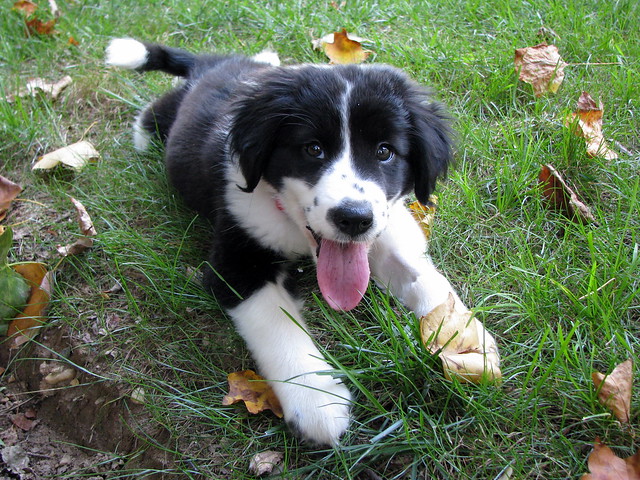
posted by Riki tiki at 9:37 PM on July 19, 2011 [1 favorite]
ghostbikes, thank you for mentioning the avocado eating dog. first thing i thought of. it's AMAAAAAAAAAAAZING!
posted by kendrak at 9:39 PM on July 19, 2011 [1 favorite]
posted by kendrak at 9:39 PM on July 19, 2011 [1 favorite]
If I wanted ta see a dog eat an orange, I'd have taken the orange eating class.
posted by obiwanwasabi at 10:31 PM on July 19, 2011
posted by obiwanwasabi at 10:31 PM on July 19, 2011
I would be curious to see how much of the fruit the dog managed to eat/slurp up.
As Dr Johnson would say: "It is not done well; but you are surprised to find it done at all. "
posted by villanelles at dawn at 10:40 PM on July 19, 2011 [3 favorites]
As Dr Johnson would say: "It is not done well; but you are surprised to find it done at all. "
posted by villanelles at dawn at 10:40 PM on July 19, 2011 [3 favorites]
If you are at work, and your monitor is facing away from your coworkers, you need to turn down the sound before clicking on the link - apparently a dog sucking on an orange with some human giggling in the background sounds a lot like people doing some other stuff.
posted by Dr Dracator at 10:44 PM on July 19, 2011 [1 favorite]
posted by Dr Dracator at 10:44 PM on July 19, 2011 [1 favorite]
Thank goodness that wasn't a dog french kissing an orange. What's that you say? It is? BLEARGHHGHLLLGHLGHL
posted by not_on_display at 11:04 PM on July 19, 2011
posted by not_on_display at 11:04 PM on July 19, 2011
If a pirate called him a scurvy dog he would be mistaken.
Dogs have a working synthesis pathway for vitamin C, so they can't get scurvy.
posted by atrazine at 2:06 AM on July 20, 2011 [2 favorites]
Dogs have a working synthesis pathway for vitamin C, so they can't get scurvy.
posted by atrazine at 2:06 AM on July 20, 2011 [2 favorites]
I think we're giving traffic to content thieves here. This appears to be the original uploader.
posted by Rhomboid at 3:21 AM on July 20, 2011 [1 favorite]
posted by Rhomboid at 3:21 AM on July 20, 2011 [1 favorite]
Is this the thread where we post videos of our dogs eating stuff?
posted by moonmilk at 5:39 AM on July 20, 2011
posted by moonmilk at 5:39 AM on July 20, 2011
They suck at peeling but appeal at sucking.
That was the first time I've done something that I would term "reluctant obligatory favoriting." #terrifiedofwhatliesahead
posted by herbplarfegan at 10:26 AM on July 20, 2011
That was the first time I've done something that I would term "reluctant obligatory favoriting." #terrifiedofwhatliesahead
posted by herbplarfegan at 10:26 AM on July 20, 2011
Dogs can taste sweet. From Cats Lack a Sweet Taste Receptor:
posted by maryr at 11:42 AM on July 20, 2011 [1 favorite]
Earlier studies on sweet taste in cats and dogs reported that in contrast to cats, dogs prefer natural sugars, e.g., sucrose, glucose, fructose, and lactose, but not maltose (17-19). Dogs also show a preference for sodium cyclamate, but not for sodium saccharin (17,20) These comparative behavioral data are consistent with data generated from electrophysiological studies. Boudreau classified part of the cat taste system into several group units (I, II, IIIA, and IIIB). These cat units have their counterparts in the taste system of dogs (class B, A, C, and D units). Unlike cat group II units, dog class A units respond to sucrose and fructose (5). By recording from the chorda tympani nerve, Beidler found that cats do not respond to 0.5 mol/L sucrose, whereas dogs do (11). Anderson et al. (21) showed that taste nerve fibers responding to strychnine in dogs also respond to saccharin, which implies that dogs find saccharin aversive. Overall, cats and dogs respond very differently to sweet-tasting stimuli, although both species belong to Order Carnivora.(This data generally predates the paper I've linked, but I don't feel like tracing back to the original sources - everything is cited, you can do that yourself.)
posted by maryr at 11:42 AM on July 20, 2011 [1 favorite]
which implies that dogs find saccharin aversive
As well they might.
posted by brennen at 10:50 PM on July 20, 2011
As well they might.
posted by brennen at 10:50 PM on July 20, 2011
That dog does not need constant updates like CNN. He's got his technique down!
posted by XhaustedProphet at 3:36 AM on July 21, 2011
posted by XhaustedProphet at 3:36 AM on July 21, 2011
« Older Out went my heart's new fire and left it cold. | GoPro or Go Home Newer »
This thread has been archived and is closed to new comments
posted by sodium lights the horizon at 4:33 PM on July 19, 2011 [7 favorites]