Debunking Jet Blast?
May 22, 2006 3:26 PM Subscribe
Watch as the jet blast from a 747 tosses cars as if they are toys! Would Flight 77 Have Really Thrown Cars & People Off The Highway? Perhaps.
It's worth pointing out that planes on final approach to Juliana are stalling as they pass over the beach, because their throttles have been reduced for landing. The jet blast that dismantled that Citroen came from a 747 at full throttle.
Also, it's hard to have a good sense of scale. Planes landing at Juliana are hundreds of feet in the air still as they pass over Maho Beach.
posted by ikkyu2 at 3:51 PM on May 22, 2006
Also, it's hard to have a good sense of scale. Planes landing at Juliana are hundreds of feet in the air still as they pass over Maho Beach.
posted by ikkyu2 at 3:51 PM on May 22, 2006
If the clip in the first link is from the British TV show "Braniac" then I'm pretty sure its a double, though I can't seem to locate the original.
posted by ChasFile at 3:51 PM on May 22, 2006
posted by ChasFile at 3:51 PM on May 22, 2006
While a movie scene created by special effects can by no means be held up as empirical scientific evidence of the effects of wake turbulence it can at least be accepted that such a big budget production would go to great lengths to accurately portray what would happen.
(also, crappy Top Gear clips on MeFi... grr)
posted by cillit bang at 3:51 PM on May 22, 2006
(also, crappy Top Gear clips on MeFi... grr)
posted by cillit bang at 3:51 PM on May 22, 2006
I love me some Brainiac, but this is stupid stupid stupid, as indicated. As a DC native, I'd also add that the Pentagon ain't that close to any road, for obvious reasons.
In terms of tin-foil filter, I'll go this far though--hitting a building with as low a profile as the Pentagon with a jetliner was no easy task. Civilian flight school? Naw. Some of these guys had a few weeks of decent military training, somewhere, from someone. (And no, the White House was never a valid target--it's actually a pretty small building, as it should be, and there's a healthy amount of foliage around it most of the year, including early Fall. The easiest target by far was the Capitol--not only is it huge, white, and on a rather famous large hill, it's a straight shot down Pennsylvania Avenue, the widest street in the city and easy to find from the air.)
posted by bardic at 3:56 PM on May 22, 2006
In terms of tin-foil filter, I'll go this far though--hitting a building with as low a profile as the Pentagon with a jetliner was no easy task. Civilian flight school? Naw. Some of these guys had a few weeks of decent military training, somewhere, from someone. (And no, the White House was never a valid target--it's actually a pretty small building, as it should be, and there's a healthy amount of foliage around it most of the year, including early Fall. The easiest target by far was the Capitol--not only is it huge, white, and on a rather famous large hill, it's a straight shot down Pennsylvania Avenue, the widest street in the city and easy to find from the air.)
posted by bardic at 3:56 PM on May 22, 2006
I'm no pilot either. I can't count the number of times I've flown on civilian and military aircraft, and it seems to me that they increase thrust during the final moments of decent to keep the aircraft from dropping out of the sky. After all, a landing is nothing more than a controlled crash (from what I've been told.)
posted by augustweed at 4:02 PM on May 22, 2006
posted by augustweed at 4:02 PM on May 22, 2006
augustweed: That's probably just the sound of the thrust reversers:
posted by cillit bang at 4:06 PM on May 22, 2006
The application of reverse thrust can be identified by a sudden increase in the volume and pitch of the engines' sound just after touch-downIncreasing the forward thrust (and therefore increasing lift) during a landing would be madness.
posted by cillit bang at 4:06 PM on May 22, 2006
In terms of tin-foil filter, I'll go this far though--hitting a building with as low a profile as the Pentagon with a jetliner was no easy task. Civilian flight school? Naw.
Hum. Maybe. We don't actually know that they were aiming for the side of the building. Maybe they wanted to hit the middle of the building and fucked it up. In which case it's rather like that Calvin and Hobbes cartoon in which Calvin trips, tumbles, recovers and then says "Ta-daah!" Sure, do it exactly the same way again and you're clearly a highly trained gymnast. Do it once and who knows?
I've never seen a single comment on this much-debated topic by ANYBODY who actually flies these planes. It's always "my brother has a friend whose cousin is in flight school and...." Don't you think that if this were something that only specially, militarily trained pilots could ever have hoped to bring off we'd hear that from, you know, actual pilots? There are lots of pilots in the world who aren't US citizens, and don't have any particular reason to toe some sinister Government line.
Same goes for the collapse of WT7 and structural engineers...
posted by yoink at 4:06 PM on May 22, 2006
Hum. Maybe. We don't actually know that they were aiming for the side of the building. Maybe they wanted to hit the middle of the building and fucked it up. In which case it's rather like that Calvin and Hobbes cartoon in which Calvin trips, tumbles, recovers and then says "Ta-daah!" Sure, do it exactly the same way again and you're clearly a highly trained gymnast. Do it once and who knows?
I've never seen a single comment on this much-debated topic by ANYBODY who actually flies these planes. It's always "my brother has a friend whose cousin is in flight school and...." Don't you think that if this were something that only specially, militarily trained pilots could ever have hoped to bring off we'd hear that from, you know, actual pilots? There are lots of pilots in the world who aren't US citizens, and don't have any particular reason to toe some sinister Government line.
Same goes for the collapse of WT7 and structural engineers...
posted by yoink at 4:06 PM on May 22, 2006
bardic writes "In terms of tin-foil filter, I'll go this far though--hitting a building with as low a profile as the Pentagon with a jetliner was no easy task. "
Didn't they miss, though? I thought the plane hit the ground and the wreackage skidded into the Pentagon.
posted by mr_roboto at 4:27 PM on May 22, 2006
Didn't they miss, though? I thought the plane hit the ground and the wreackage skidded into the Pentagon.
posted by mr_roboto at 4:27 PM on May 22, 2006
A landing is not a controlled crash. A landing is a landing; a carefully controlled and monitored descent, with the aircraft in the right attitude, and then a controlled placement of the wheels on the ground in order make the transition from air vehicle to ground vehicle.
The descent rate at touchdown is about 350 feet per minute, slower than many building elevators.
Thrust reversers are applied when the aircraft is on the ground and are used to quickly bring the plane to a slow roll. Thrust reversers cannot be applied when the plane is in the air; the reverser controls are locked and unusable until sensors in the plane's landing gear detect all wheels on the ground, at which point the system unlocks the reverser control and allows the pilot to apply reverse thrust to slow the roll down the runway.
The thrust reverser works by swinging a large metal bowl over the exhaust outlet in the rear end of the engine, and then spooling up the engine (that's why the engine sound increases when you first land). The blast from the engine is caught in this bowl and deflected straight forward in order the slow the plane as it rolls down the runway. If you spool up the engines with the thrust reversers applied while the plane is sitting stationary on the ground, the plane will start rolling backwards.
posted by Nicholas West at 4:38 PM on May 22, 2006 [1 favorite]
The descent rate at touchdown is about 350 feet per minute, slower than many building elevators.
Thrust reversers are applied when the aircraft is on the ground and are used to quickly bring the plane to a slow roll. Thrust reversers cannot be applied when the plane is in the air; the reverser controls are locked and unusable until sensors in the plane's landing gear detect all wheels on the ground, at which point the system unlocks the reverser control and allows the pilot to apply reverse thrust to slow the roll down the runway.
The thrust reverser works by swinging a large metal bowl over the exhaust outlet in the rear end of the engine, and then spooling up the engine (that's why the engine sound increases when you first land). The blast from the engine is caught in this bowl and deflected straight forward in order the slow the plane as it rolls down the runway. If you spool up the engines with the thrust reversers applied while the plane is sitting stationary on the ground, the plane will start rolling backwards.
posted by Nicholas West at 4:38 PM on May 22, 2006 [1 favorite]
At full throttle, an airplane typically rises unless its nose is pointed downward. So, if trying to crash at full throttle, the business end of the engine would be pointed several degrees towards the sky, not directly at a road. The vortex following the plane would sink and have some effect, but I would expect that to be fairly small compared to the direct thrust from the engine 50 yards back (as in the video). If cars had wings, they'd definitely feel the vortex, but otherwise, I wouldn't expect it to be a big issue. Normal landings are at low power... so the thrust isn't that important.
As far as the difficulty in hitting the Pentagon, I can't speak for jumbo jets, but for light aircraft, it isn't all that hard to put a plane where you want it. The hard part is getting the right trajectory, pitch, speed, and altitude right when you want to touch down so that you don't bounce off the runway, smash into it, land on only one wheel, or go skidding off to the side. I don't know of any reason for things to be that different in a jumbo jet, you'd just need a longer approach path. Of course, if you're trying to crash the thing, you're probably not keeping your descent slow, steady, and controlled, so there's much less time to make corrections near the end.
posted by dsword at 4:47 PM on May 22, 2006
As far as the difficulty in hitting the Pentagon, I can't speak for jumbo jets, but for light aircraft, it isn't all that hard to put a plane where you want it. The hard part is getting the right trajectory, pitch, speed, and altitude right when you want to touch down so that you don't bounce off the runway, smash into it, land on only one wheel, or go skidding off to the side. I don't know of any reason for things to be that different in a jumbo jet, you'd just need a longer approach path. Of course, if you're trying to crash the thing, you're probably not keeping your descent slow, steady, and controlled, so there's much less time to make corrections near the end.
posted by dsword at 4:47 PM on May 22, 2006
My uncle has a high level position at the Pentagon. Last summer after several vodkas at a family picnic, he slipped up and admitted something amazing - one of Flight 77's engines was found in Donnie Darko's bedroom.
posted by davebush at 4:54 PM on May 22, 2006
posted by davebush at 4:54 PM on May 22, 2006
I bet it could also blow away orcs attacking Helm's Deep.
posted by thanatogenous at 4:55 PM on May 22, 2006
posted by thanatogenous at 4:55 PM on May 22, 2006
davebush, lol
posted by brain_drain at 4:59 PM on May 22, 2006
posted by brain_drain at 4:59 PM on May 22, 2006
I believe yoink's conclusion about wake is correct, but the reasoning is somewhat more complicated.
All the engine does is speed up incoming air molecules.
posted by Chuckles at 5:13 PM on May 22, 2006
All the engine does is speed up incoming air molecules.
change in speed * mass of air per second = thrustNow.. The mass of air per second flowing through an engine increases with aircraft speed. On the other hand, those 59,000lb engines on the 747 probably aren't capable of anything like that much thrust when stationary, the turbine blades stall at some point (similar to cavitation, you can only suck so hard before the pressure drops to zero).
posted by Chuckles at 5:13 PM on May 22, 2006
Here's the thrust equation on wikipedia, looks like I left out a term. It doesn't make much difference for this conversation though.
posted by Chuckles at 5:18 PM on May 22, 2006
posted by Chuckles at 5:18 PM on May 22, 2006
You forgot the 'batshitinsane' tag.
posted by JekPorkins at 5:26 PM on May 22, 2006
posted by JekPorkins at 5:26 PM on May 22, 2006
I do enjoy Top Gear - if you're in the states and something of a gearhead, you can watch it on BBC America
posted by jalexei at 5:38 PM on May 22, 2006
posted by jalexei at 5:38 PM on May 22, 2006
Why would you need "military" training in order to fly a 747 into a building? Anyone could trace the flight 77s path in ms flight sim.
A lot of people are just talking out of their ass.
posted by delmoi at 5:42 PM on May 22, 2006
A lot of people are just talking out of their ass.
posted by delmoi at 5:42 PM on May 22, 2006
Same goes for the collapse of WT7 and structural engineers...
posted by yoink at 4:06 PM PST on May 22
That is because you want to talk to a FIRE engineer.
And, having done that work in my past, the collapse of WTC 7 is not typical of a fire.
Without bits from the building to examine and an almost total lack of data from my chair, it is hard to say that the WTC 7 collapse 'was from a fire'.
posted by rough ashlar at 5:44 PM on May 22, 2006
posted by yoink at 4:06 PM PST on May 22
That is because you want to talk to a FIRE engineer.
And, having done that work in my past, the collapse of WTC 7 is not typical of a fire.
Without bits from the building to examine and an almost total lack of data from my chair, it is hard to say that the WTC 7 collapse 'was from a fire'.
posted by rough ashlar at 5:44 PM on May 22, 2006
Uh, yes. Deploying thrust reversers on approach is a BAD idea. They're meant for on-the-ground only.
posted by symphonik at 5:57 PM on May 22, 2006
posted by symphonik at 5:57 PM on May 22, 2006
The pathological extent to which some Americans would go to deny the obvious is really staggering. It really reminds me of the "stab in the back" libel about Jews in post WWI Germany. Since Germany saw little fighting on its own soil in the first World War, many Germans could not grasp its defeat, so conspiracy theories about privleged insiders working within the regime to undermine it gained in currency. Ironically, the conspiracy theorists who flatter each other about their skepticism and subversion end up affirming a picture of an infallible American government. They sooner postulate every kind of cunning trickery and malevolence than ascribe a simple failure to the government. For those who grew up with the myth of an omnipotent and benevolent government, it's easier to accept the notion of an omnipotent and sinister government than it is a fledgling, incompetent one.
posted by ori at 6:07 PM on May 22, 2006 [3 favorites]
posted by ori at 6:07 PM on May 22, 2006 [3 favorites]
ori hid his post in here to hide it from the Illuminati - smart dude -
And I think Top Gear is on the Discovery channel - we got a DVR, I've lost track of everything.
posted by jalexei at 6:22 PM on May 22, 2006
And I think Top Gear is on the Discovery channel - we got a DVR, I've lost track of everything.
posted by jalexei at 6:22 PM on May 22, 2006
MetaFilter: a lot of people just talking out of their ass
posted by antifreez_ at 6:24 PM on May 22, 2006
posted by antifreez_ at 6:24 PM on May 22, 2006
Heavy jets create a lot of wake turbulence. If a 747 can pick up a Gulfstream and throw it into a building, there's no reason it can't do it with people and cars.
FAA's handy little brochure has a corporate jet pilot describe one incident as: "It felt as though we had hit a twenty-foot thick concrete wall."
It's serious stuff.
posted by blacklite at 7:12 PM on May 22, 2006
FAA's handy little brochure has a corporate jet pilot describe one incident as: "It felt as though we had hit a twenty-foot thick concrete wall."
It's serious stuff.
posted by blacklite at 7:12 PM on May 22, 2006
Also, now that I've actually watched a bit of the video, it's not the engine force that's the main cause of wake turbulence, it's the vortices off the ends of the airfoils. A moving 747 is way, way worse than one just sitting there bringing its engines up.
posted by blacklite at 7:19 PM on May 22, 2006
posted by blacklite at 7:19 PM on May 22, 2006
I've never seen a single comment on this much-debated topic by ANYBODY who actually flies these planes.
Here you go! Former Pilot Says 'Jet Blast' Dismissal Doesn't Fly
posted by augustweed at 7:27 PM on May 22, 2006
Here you go! Former Pilot Says 'Jet Blast' Dismissal Doesn't Fly
posted by augustweed at 7:27 PM on May 22, 2006
Heavy jets create a lot of wake turbulence.
Mentioned in the Wikipedia article you linked, but in more detail: The effects of the wake should have been easily recoverable. However, a few seconds after encountering the wake vortex, the 737's rudder deflected full-left and remained in that position for 23 seconds until the aircraft impacted the ground in a near-vertical position.
I always think of that plane every time this topic come up.
posted by Cyrano at 7:33 PM on May 22, 2006
Mentioned in the Wikipedia article you linked, but in more detail: The effects of the wake should have been easily recoverable. However, a few seconds after encountering the wake vortex, the 737's rudder deflected full-left and remained in that position for 23 seconds until the aircraft impacted the ground in a near-vertical position.
I always think of that plane every time this topic come up.
posted by Cyrano at 7:33 PM on May 22, 2006
Whenever I read the conspiracy theorists cycling endlessly through the arguments about WTC7 I always have this image of Occam slitting his throat with his famous razor.
So...there are some documents in WTC7 that need to be destroyed. You brainstorm possible solutions to this dilemma. The obvious solution "send some guys in with a forklift, a requisition order, and a van." But no, someone points out, that won't work. Rusty, the records clerk at WTC7 is known to be a stickler--and incorruptible to boot.
So...whack Rusty? Or even just give him the flu so he's off for a week? No, dammit--we don't have access to any hitmen discreet enough, and flu virus? Biological warfare? Can you imagine the headlines if one of his kids or his old mother gets the flu and ends up dead and it's traced back to us? There'd just be too many people in the loop!
No, gentlemen, I'm afraid it's obvious. We all know the solution has been staring us in the face and we're just trying to avoid it. We must send in a ninja demolition force to wire the building with explosives. They will have to cut into walls to gain access to structural members in the building, so everyone in the building will be aware of their activities. But so long as we leave the areas where Rusty works untouched, we're pretty sure that everyone else in the building is to be trusted. Then we'll co-opt radical islamists (or mossad, or Opus Dei, or liquid metal robots from the future) to fly planes into WTC1 and WTC2, killing thousands and ensuring that the entire world is watching the area when we detonate WTC7, and that every single armchair expert who ever watched a building demolition on TV will both be aware that and have a theory about how WTC7 came down. It's foolproof!
posted by yoink at 7:38 PM on May 22, 2006 [2 favorites]
So...there are some documents in WTC7 that need to be destroyed. You brainstorm possible solutions to this dilemma. The obvious solution "send some guys in with a forklift, a requisition order, and a van." But no, someone points out, that won't work. Rusty, the records clerk at WTC7 is known to be a stickler--and incorruptible to boot.
So...whack Rusty? Or even just give him the flu so he's off for a week? No, dammit--we don't have access to any hitmen discreet enough, and flu virus? Biological warfare? Can you imagine the headlines if one of his kids or his old mother gets the flu and ends up dead and it's traced back to us? There'd just be too many people in the loop!
No, gentlemen, I'm afraid it's obvious. We all know the solution has been staring us in the face and we're just trying to avoid it. We must send in a ninja demolition force to wire the building with explosives. They will have to cut into walls to gain access to structural members in the building, so everyone in the building will be aware of their activities. But so long as we leave the areas where Rusty works untouched, we're pretty sure that everyone else in the building is to be trusted. Then we'll co-opt radical islamists (or mossad, or Opus Dei, or liquid metal robots from the future) to fly planes into WTC1 and WTC2, killing thousands and ensuring that the entire world is watching the area when we detonate WTC7, and that every single armchair expert who ever watched a building demolition on TV will both be aware that and have a theory about how WTC7 came down. It's foolproof!
posted by yoink at 7:38 PM on May 22, 2006 [2 favorites]
Here you go! Former Pilot Says 'Jet Blast' Dismissal Doesn't Fly
Ahem. "Anonymous pilot" who at no time claims to be pilot of large jet planes. For all we know from this article this guy flew cessnas.
It's also worth pointing out that he's dismissing the possibility of wake turbulence causing the kind of effects that the conspiracy theorists think are suspicious by their absence. It's the jet wash itself that he thinks "should have" blown the cars around. But a) do we know that the plane was at full throttle at this point? and b) if the plane's nose was down, why would that jet wash blast downwards toward the roadway?
posted by yoink at 7:47 PM on May 22, 2006
Ahem. "Anonymous pilot" who at no time claims to be pilot of large jet planes. For all we know from this article this guy flew cessnas.
It's also worth pointing out that he's dismissing the possibility of wake turbulence causing the kind of effects that the conspiracy theorists think are suspicious by their absence. It's the jet wash itself that he thinks "should have" blown the cars around. But a) do we know that the plane was at full throttle at this point? and b) if the plane's nose was down, why would that jet wash blast downwards toward the roadway?
posted by yoink at 7:47 PM on May 22, 2006
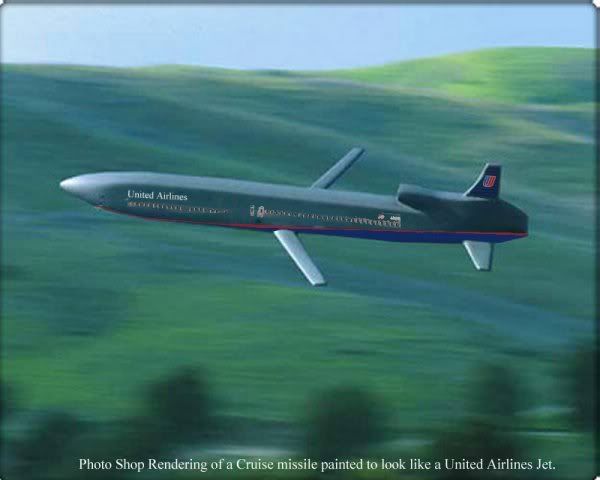

Of course, that's to say nothing of the weird mental contortions you have to get into to find yourself doubting that the "missile" that struck the pentagon was a plane. On a day when some force has--incontrovertibly--taken control of two planes that are slammed into WTC1 and WTC2 before tens of thousands of live witnesses, and millions upon millions of around the world watching on live television. On a day when a third plane has demonstrably strewn itself around the Philadelphia countryside, you get the news that massive damage has been done to the Pentagon. Hmmm, you think to yourself--I wonder what could possibly have been used to inflict that damage? Obviously a plane is right out of the question. Planes are like so 15 minutes ago. Planes! why, that would be like wearing white shoes after Labor Day! No....clearly it must have been, hmmm....I notice that the CIA is keeping mum about trebuchet technology....
I mean, seriously. Even if you can bring yourself to believe that this was all a wag-the-dog stunt, why would they suddenly get squeamish about flying a plane into the Pentagon? "A plane? Here? No--I'm happy to betray my country and murder thousands of innocents, but I'm damned if a civilian aircraft will sully the corridors of the Pentagon. It will be one of our own missiles or nothing!"
Surely if the point was to get the American public up in arms and clamoring for retaliation against, er, a country none of the terrorists came from (and about that...did the people coming up with the fake backgrounds for the terrorists just not get the memo? "Oh, my bad, I thought we were trying to get us into a war with Saudi Arabia! Dude, I had swimmer's ear last week when we were in our Evil Overlord planning committee") then telling us that the Pentagon had been hit by a missile (or a truck bomb) would have been MORE effective than a plane: "This was not just a bunch of determined fanatics who exploited a security loophole that no one will ever be able to use again--they had ground support from a local cell that is STILL ACTIVE!!!!"
Oh, but why bother? Conspiracy theorists WANT the conspiracy to be true. That's why they cling so desperately to the most tattered shreds of evidence, no matter how many times they've been debunked. No doubt someone will come along to say "but why isn't there any wreckage from the plane in the Pentagon"--regardless of how many times someone has kindly provided them a link to photos of exactly that.
posted by yoink at 8:16 PM on May 22, 2006 [1 favorite]
I mean, seriously. Even if you can bring yourself to believe that this was all a wag-the-dog stunt, why would they suddenly get squeamish about flying a plane into the Pentagon? "A plane? Here? No--I'm happy to betray my country and murder thousands of innocents, but I'm damned if a civilian aircraft will sully the corridors of the Pentagon. It will be one of our own missiles or nothing!"
Surely if the point was to get the American public up in arms and clamoring for retaliation against, er, a country none of the terrorists came from (and about that...did the people coming up with the fake backgrounds for the terrorists just not get the memo? "Oh, my bad, I thought we were trying to get us into a war with Saudi Arabia! Dude, I had swimmer's ear last week when we were in our Evil Overlord planning committee") then telling us that the Pentagon had been hit by a missile (or a truck bomb) would have been MORE effective than a plane: "This was not just a bunch of determined fanatics who exploited a security loophole that no one will ever be able to use again--they had ground support from a local cell that is STILL ACTIVE!!!!"
Oh, but why bother? Conspiracy theorists WANT the conspiracy to be true. That's why they cling so desperately to the most tattered shreds of evidence, no matter how many times they've been debunked. No doubt someone will come along to say "but why isn't there any wreckage from the plane in the Pentagon"--regardless of how many times someone has kindly provided them a link to photos of exactly that.
posted by yoink at 8:16 PM on May 22, 2006 [1 favorite]
Man... when are they ever going to update the Tomahawk's to the new livery?
posted by nathan_teske at 8:18 PM on May 22, 2006
posted by nathan_teske at 8:18 PM on May 22, 2006
So if the Pentagon was truly, actually struck by a missile rather than a commercial jet, where are the passengers of Flight 77?
The same question has been asked in a lot of recent threads here. I haven't seen any sensible answers yet. I don't give a flying fuck if 10 anonymous pilots come forward and say that a jet flying low would have tossed people and cars around like toys.
Where are the passengers of Flight 77? Seriously.
posted by rosemere at 8:25 PM on May 22, 2006
The same question has been asked in a lot of recent threads here. I haven't seen any sensible answers yet. I don't give a flying fuck if 10 anonymous pilots come forward and say that a jet flying low would have tossed people and cars around like toys.
Where are the passengers of Flight 77? Seriously.
posted by rosemere at 8:25 PM on May 22, 2006
I wish we could just talk about the physics, cause that was a way cool video!
If you really want to talk about the conspiracy theories, try the last thread on flight 77, it's still open..
posted by Chuckles at 8:40 PM on May 22, 2006
If you really want to talk about the conspiracy theories, try the last thread on flight 77, it's still open..
posted by Chuckles at 8:40 PM on May 22, 2006
Many skeptics point to the 1999 movie Pushing Tin as an example of the effects of wake turbulence. At the end of the film, the main characters, played by Billy Bob Thornton and John Cusack, stand beneath a large commercial airliner as it comes in to land. The plane passes overhead and then lands on the runway, at which point both men are lifted up into the air and tossed a significant distance off to the side of the runway.First, anyone who's seen that film has seen that scene's absolutely HORRID special effects and would therefore scoff at the notion that the director must have gone "to great lengths to accurately portray what would happen."
While a movie scene created by special effects can by no means be held up as empirical scientific evidence of the effects of wake turbulence it can at least be accepted that such a big budget production would go to great lengths to accurately portray what would happen.
Second: "I saw it happen in a B-grade Hollywood movie, so it must be real." Awesome argument. Best of the web.
posted by cribcage at 8:40 PM on May 22, 2006
Man... when are they ever going to update the Tomahawk's to the new livery?
You sound like you hang around A.net a lot.
Anyways, above there was discussion of thrust reversers, if you want to see a pic of thrust reversers, here is a good pic from a 737-200.
posted by SirOmega at 8:48 PM on May 22, 2006
You sound like you hang around A.net a lot.
Anyways, above there was discussion of thrust reversers, if you want to see a pic of thrust reversers, here is a good pic from a 737-200.
posted by SirOmega at 8:48 PM on May 22, 2006
Actually FlyerTalk mostly.
posted by nathan_teske at 8:57 PM on May 22, 2006
posted by nathan_teske at 8:57 PM on May 22, 2006
Basically what people must be arguing is that four aircraft were hijacked, two were crashed into the WTC in front of millions, One was crashed in PA, and one just disappeared along with all the people on board, so that a huge missile could be painted like a jetliner and flown into the pentagon because they didn't want to fly the plain the had already hijacked into the pentagon.
The only motivation I could think of to do this would be because they wanted to kidnap someone -- alive -- and cover it up with some sort of huge calamity so no one would notice. Still, it seems like a lot of work to go though for someone who could arrange to have a missile flown into the pentagon, not to mention someone willing to kill tens of thousands of people to accomplish their goals.
posted by Paris Hilton at 9:08 PM on May 22, 2006
The only motivation I could think of to do this would be because they wanted to kidnap someone -- alive -- and cover it up with some sort of huge calamity so no one would notice. Still, it seems like a lot of work to go though for someone who could arrange to have a missile flown into the pentagon, not to mention someone willing to kill tens of thousands of people to accomplish their goals.
posted by Paris Hilton at 9:08 PM on May 22, 2006
As a youth I would watch VC10s and 707s doing circuits at Stanstead. I'd hide in the ditch between the landing lights and the end of the main runway while they practiced go arounds. The noise was unspeakable but the biggest kick I got was from the blast of kerosine laiden downdraft from the wake. This relatively high flypast visualizes the wake.
posted by marvin at 9:27 PM on May 22, 2006
posted by marvin at 9:27 PM on May 22, 2006
There's this sort of automatic positive feedback system that supports conspiracy theories. It results from the fact that the legitimate chroniclers or investigators of events do not waste time chronicling, or investigating, possibilities that're obviously utterly wrong.
Nobody at the time carefully and specifically collected evidence that people were landing on the Moon, because c'mon, they were. Great quantities of evidence were collected along with the normal operations on the moon and as a result of the countless private observations of the moon program, but nobody was specifically writing a book to prove that it was all happening.
Likewise, nobody at the time carefully and specifically collected evidence that planes hit the Twin Towers and the Pentagon, because that, too, would have been like launching an investigation to make sure that Martin Luther King Junior didn't actually die in a car crash. The result is lots of wiggle room for conspiracy theorists, because every compilation of information about the events takes as read the basic facts-as-seen-by-zillions.
And, of course, there are always many possible conspiracies to be had. Even if someone was handing out pamphlets at MLK's funeral summarising the case for believing that he was shot, did anybody check to make sure he wasn't beamed up by a flying saucer, came back down with the secret of cold fusion, and was then shot by two Mossad assassins dressed as Santa and Mrs Claus? No?
Well, isn't that convenient!
posted by dansdata at 10:26 PM on May 22, 2006 [1 favorite]
Nobody at the time carefully and specifically collected evidence that people were landing on the Moon, because c'mon, they were. Great quantities of evidence were collected along with the normal operations on the moon and as a result of the countless private observations of the moon program, but nobody was specifically writing a book to prove that it was all happening.
Likewise, nobody at the time carefully and specifically collected evidence that planes hit the Twin Towers and the Pentagon, because that, too, would have been like launching an investigation to make sure that Martin Luther King Junior didn't actually die in a car crash. The result is lots of wiggle room for conspiracy theorists, because every compilation of information about the events takes as read the basic facts-as-seen-by-zillions.
And, of course, there are always many possible conspiracies to be had. Even if someone was handing out pamphlets at MLK's funeral summarising the case for believing that he was shot, did anybody check to make sure he wasn't beamed up by a flying saucer, came back down with the secret of cold fusion, and was then shot by two Mossad assassins dressed as Santa and Mrs Claus? No?
Well, isn't that convenient!
posted by dansdata at 10:26 PM on May 22, 2006 [1 favorite]
Cool link, marvin, but a pity they changed shots before the vortex hit the smoke tower. This didn't show how far behind the aircraft the vortex trailed. I used to hang out at the end of a runway with planes coming in, overhead. I was fascinated by the sound of the vortex. You could hear it ripping past. The trees did not respond so much, surprisingly.
posted by Goofyy at 11:36 PM on May 22, 2006
posted by Goofyy at 11:36 PM on May 22, 2006
I've never seen a single comment on this much-debated topic by ANYBODY who actually flies these planes.
Salon's Ask the Pilot feature addresses it this week. Lots of good links and insanity in the letters after the column as well.
posted by Rumple at 11:45 PM on May 22, 2006
Even Cessna pilots have to understand wake turbulence, if we need to live through landings in airspace shared by "heavies." Any large multi-engine commercial or military transport aircraft generates these vortexes as a condition of flight, but they are worse in transitional phases of flight, near the ground, when the generating aircraft is "clean" (not flying with leading or trailing flaps extended) and slow. The stunt sequence in the movie Pushing Tin was a demonstration of wake turbulence, not jet blast.
Flight 77, if it was flying anywhere near 500 mph when it struck the Pentagon, wasn't generating significant wake turbulence in the seconds before it hit, since in level flight at cruising speeds, the design of a jet's wings is done to minimize as much as possible the parasitic drag such turbulence represents. If it were slowed to landing speed, and operating in a landing configuration, it would have been generating massive wake turbulence, as part of its nose up landing attitude, which would have put the wing at a greater angle of attack by several degrees, than it is at in level cruising flight. If it were forced down at cruising speed in a gentle nose down dive attitude, it would have been aerodynamically clean, and still accelerating when it hit. Almost no wake turbulence, no jet blast, very little noise, and maximum kinetic energy and damage at the point of impact.
Kind of what the building showed, in the after days...
posted by paulsc at 11:57 PM on May 22, 2006
Flight 77, if it was flying anywhere near 500 mph when it struck the Pentagon, wasn't generating significant wake turbulence in the seconds before it hit, since in level flight at cruising speeds, the design of a jet's wings is done to minimize as much as possible the parasitic drag such turbulence represents. If it were slowed to landing speed, and operating in a landing configuration, it would have been generating massive wake turbulence, as part of its nose up landing attitude, which would have put the wing at a greater angle of attack by several degrees, than it is at in level cruising flight. If it were forced down at cruising speed in a gentle nose down dive attitude, it would have been aerodynamically clean, and still accelerating when it hit. Almost no wake turbulence, no jet blast, very little noise, and maximum kinetic energy and damage at the point of impact.
Kind of what the building showed, in the after days...
posted by paulsc at 11:57 PM on May 22, 2006
Salon's Pilot should have read this page about fallacious arguments. Maybe if he had, he wouldn't have been tempted to make so many of them.
posted by ikkyu2 at 12:05 AM on May 23, 2006
posted by ikkyu2 at 12:05 AM on May 23, 2006
And I think Top Gear is on the Discovery channel - we got a DVR, I've lost track of everything.
Yeah, it's on Discovery, and it's overall a good thing. However, they do edit out a large chunk and remove a good bit that they believe American audiences won't like.
I encourage everyone here to head to your favorite torrent-y site to find episodes of Top Gear. It's good stuff.
posted by Swervo at 1:00 AM on May 23, 2006
Yeah, it's on Discovery, and it's overall a good thing. However, they do edit out a large chunk and remove a good bit that they believe American audiences won't like.
I encourage everyone here to head to your favorite torrent-y site to find episodes of Top Gear. It's good stuff.
posted by Swervo at 1:00 AM on May 23, 2006
So if the Pentagon was truly, actually struck by a missile rather than a commercial jet, where are the passengers of Flight 77?
1 - guantamino
2 - they all woke up in a cairo hotel, in bathtubs, with one of their kidneys missing and an urgent note telling them what happened and what to do ... unfortunately, the note was in arabic
but at least bin laden was able to get off the dialysis machine
3 - they were spirited away by the potomac triangle
seriously, anyone with any damn sense knows where they wound up ... in that awful explosion at the pentagon
posted by pyramid termite at 1:06 AM on May 23, 2006
1 - guantamino
2 - they all woke up in a cairo hotel, in bathtubs, with one of their kidneys missing and an urgent note telling them what happened and what to do ... unfortunately, the note was in arabic
but at least bin laden was able to get off the dialysis machine
3 - they were spirited away by the potomac triangle
seriously, anyone with any damn sense knows where they wound up ... in that awful explosion at the pentagon
posted by pyramid termite at 1:06 AM on May 23, 2006
dude, yoink, it's like you've never watched a single fucking episode of 24.
get with the times.
posted by Hat Maui at 1:19 AM on May 23, 2006
get with the times.
posted by Hat Maui at 1:19 AM on May 23, 2006
Back in the late 70's when I was in college, my future wife and I were out running around one afternoon and we ended up at a public viewing area for a major airport. (Columbus, OH, if anyone cares.) In those security-innocent days there was a small gravel lot to the right of the end of the main runway where you could park and watch. There was also a small access road to a general aviation hangar that ran from the lot to the other side, right past the end of the runway. in a particularly adventureous moment, I decided to walk the couple of hundred feet or so down the road and wait in line with the runway for the next plane to come in. Not long after that, a DC-10 came in right over my head. It was an amazing experience to see something that fast and big about a hundred feet or so above you; the first impression is it's going to land on you. There was a lot of wind from the plane, but nowhere near the amount necessary to knock me over or send me swirling in the air like in Tin Man.
posted by Mcable at 4:01 AM on May 23, 2006
posted by Mcable at 4:01 AM on May 23, 2006
Deploying thrust reversers on approach is a BAD idea. They're meant for on-the-ground only.
With one exception. The Shuttle Training Aircraft, a modified Grumman Gulfstream II jet. It's used to simulate a Space Shuttle's gliding descent.
The computers on board do an amazing job of making the Gulfstream, a very competent flying machine, act like the shuttle, a barely competent gliding machine. To do so, they have to do some strange things. Up high, they'll be flying with flaps, spoilers and gears. Lower, they "fly" with thrust reversers active, to make the Gulfstream fall out of the sky at the same rate the Shuttle does.
The shuttle is a glider, but a really bad one.
posted by eriko at 4:26 AM on May 23, 2006
With one exception. The Shuttle Training Aircraft, a modified Grumman Gulfstream II jet. It's used to simulate a Space Shuttle's gliding descent.
The computers on board do an amazing job of making the Gulfstream, a very competent flying machine, act like the shuttle, a barely competent gliding machine. To do so, they have to do some strange things. Up high, they'll be flying with flaps, spoilers and gears. Lower, they "fly" with thrust reversers active, to make the Gulfstream fall out of the sky at the same rate the Shuttle does.
The shuttle is a glider, but a really bad one.
posted by eriko at 4:26 AM on May 23, 2006
I'm getting sick of this tired old chestnut. Look, look! I know how to have a better argument than you.
Grow the fuck up and learn how to deal with people in the real world.
posted by bouncebounce at 4:46 AM on May 23, 2006
Grow the fuck up and learn how to deal with people in the real world.
posted by bouncebounce at 4:46 AM on May 23, 2006
Without bits from the building to examine and an almost total lack of data from my chair, it is hard to say that the WTC 7 collapse 'was from a fire'.
The three storey hole in the south face that led firefighters to withdraw from the building probably helped.
posted by KirkJobSluder at 6:20 AM on May 23, 2006
The three storey hole in the south face that led firefighters to withdraw from the building probably helped.
posted by KirkJobSluder at 6:20 AM on May 23, 2006
do we know that the plane was at full throttle at this point?
Yes. According to the 9/11 Commission Report, "advanced the throttles to maximum power" and "crashed into the Pentagon, traveling at approximately 530 miles per hour."
Where are the passengers of Flight 77?
Investigators have identified remains of 184 people who were aboard American Airlines Flight 77 or inside the Pentagon.
posted by kirkaracha at 6:43 AM on May 23, 2006
On conspiracy sites, there is a now-perennial debate about whether no-plane theories are actually poison pills disseminated to discredit conspiracy researchers (ala cointelpro), or ($paranoia++) to track the spread of easily-identifiable memes through social groups.
The frightening truth? Or the terrifying reality?
You decide.
posted by sonofsamiam at 6:48 AM on May 23, 2006
The frightening truth? Or the terrifying reality?
You decide.
posted by sonofsamiam at 6:48 AM on May 23, 2006
"Uh, yes. Deploying thrust reversers on approach is a BAD idea. They're meant for on-the-ground only."
Thrust reversers cannot be deployed while the plane is in the air - as far as I know, on all commercial jet aircraft flying today the thrust reverser control is locked until the landing gear senses all wheels on the ground. This is to prevent just such a disaster as you hint at - if you actually deployed thrust reverse in the air, lift would be completely disrupted almost instantly and the plane would drop like a stone.
posted by Nicholas West at 6:49 AM on May 23, 2006
Thrust reversers cannot be deployed while the plane is in the air - as far as I know, on all commercial jet aircraft flying today the thrust reverser control is locked until the landing gear senses all wheels on the ground. This is to prevent just such a disaster as you hint at - if you actually deployed thrust reverse in the air, lift would be completely disrupted almost instantly and the plane would drop like a stone.
posted by Nicholas West at 6:49 AM on May 23, 2006
If Flight 77 was really approaching the Pentagon at full power then yes, it's possible that cars and people were thrown off the highway by its wake turbulence. However, wake turbulence is a vortex that shoots backwards off the wingtips in a very specific path. So only cars and people in a very narrowly defined area behind the aircraft would be hit by it; anyone outside that area would have felt nothing. The wake turbulence profile created by 77 in this situation would be very easy to map out by aeronautical engineers, and could be matched to where claims were made that cars and people were thrown off the highway.
posted by Nicholas West at 7:14 AM on May 23, 2006
posted by Nicholas West at 7:14 AM on May 23, 2006
I'm just pissed they ripped the Lord of the Rings soundtrack. I kept expecting Uruks to come running out to eat the car.
posted by zekinskia at 7:20 AM on May 23, 2006
posted by zekinskia at 7:20 AM on May 23, 2006
Just to be nitpicky....
For people who say "He/she probably only flew a cessna", meaning Cessna to be a piston-powered single-prop aircraft, remember they make a whole range of aircraft, right up to the Citation Jet, which is on par with a GulfStream business jet for size matching. Not important to the commentary per se, but it's a point that kinda bugs me sometimes. Flying a Cessna Citation as a company jet needs the same ATP certificate as a commercial airliner.
posted by GreenTentacle at 7:32 AM on May 23, 2006
For people who say "He/she probably only flew a cessna", meaning Cessna to be a piston-powered single-prop aircraft, remember they make a whole range of aircraft, right up to the Citation Jet, which is on par with a GulfStream business jet for size matching. Not important to the commentary per se, but it's a point that kinda bugs me sometimes. Flying a Cessna Citation as a company jet needs the same ATP certificate as a commercial airliner.
posted by GreenTentacle at 7:32 AM on May 23, 2006
I encourage everyone here to head to your favorite torrent-y site to find episodes of Top Gear. It's good stuff.
The site you are looking for is called finalgear.com.
posted by quin at 8:09 AM on May 23, 2006
The site you are looking for is called finalgear.com.
posted by quin at 8:09 AM on May 23, 2006
I used to sail a tiny little Sunfish sailboat in the bay off the end of the runway at (I refuse to call it Reagan) National Airport in DC. Those big planes were always coming in right overhead, and every once in a while, you could get caught just so in the vortex (I seem to recall it being from the wingtip area) and get your boat flipped over. It was kinda cool to feel the power of the jets and all that, but it also sucked because the Potomac River is filled with some nasty crap.
</anecdotal>
posted by donkeymon at 8:21 AM on May 23, 2006
</anecdotal>
posted by donkeymon at 8:21 AM on May 23, 2006
Please explain the still-perfectly manicured Pentagon lawn in the immediate vicinity of the point-of-impact.
I sure as hell can't. So am I some fruitcake "conspiracy theorist"? No. I think too many pieces of this entire 9/11 puzzle honestly just do not fit.
And those 3 buildings in lower Manhattan fell too perfectly. Everyone saw that.
posted by wfc123 at 11:47 AM on May 23, 2006
I sure as hell can't. So am I some fruitcake "conspiracy theorist"? No. I think too many pieces of this entire 9/11 puzzle honestly just do not fit.
And those 3 buildings in lower Manhattan fell too perfectly. Everyone saw that.
posted by wfc123 at 11:47 AM on May 23, 2006
And those 3 buildings in lower Manhattan fell too perfectly. Everyone saw that.
"Perfect," if you ignore the fact that the buildings scattered all over the neighborhood, doing major structrual damage to buildings on the other side of a six-lane hwy. That is what I and millions of other people saw that day. And manacured lawn?
I really wish the ghouls would open their eyes and start looking at the real mysteries of that day, rather than inventing them from a delusional reality.
posted by KirkJobSluder at 12:15 PM on May 23, 2006
"Perfect," if you ignore the fact that the buildings scattered all over the neighborhood, doing major structrual damage to buildings on the other side of a six-lane hwy. That is what I and millions of other people saw that day. And manacured lawn?

I really wish the ghouls would open their eyes and start looking at the real mysteries of that day, rather than inventing them from a delusional reality.
posted by KirkJobSluder at 12:15 PM on May 23, 2006
..."real mysteries"... as opposed to the "ghoulish" delusional mysteries.
Sorry: kind of a bad angle on that lawn shot. Overhead shots show fairway-quality grass abutting the facade of the Pentagon.
I guess the curious (reporters included, it seems) are just a pain in the ass to a lot of people.
posted by wfc123 at 1:45 PM on May 23, 2006
Sorry: kind of a bad angle on that lawn shot. Overhead shots show fairway-quality grass abutting the facade of the Pentagon.
I guess the curious (reporters included, it seems) are just a pain in the ass to a lot of people.
posted by wfc123 at 1:45 PM on May 23, 2006
So, wfc123, why would they bother to mow that lawn if they were just going to blow up the building? Huh? Or maybe they carefully mowed that lawn so no one would suspect that they were going to blow up the building. Or maybe, they blew up the building so they wouldn't have to mow that lawn, did you ever think of that? Huh?? I didn't THINK so! This whole conspiracy is sooo much deeper than you could ever HOPE to understand.
Where are the groundskeepers?????
(Hint: How nice is the lawn at Gitmo???)
posted by Floydd at 2:10 PM on May 23, 2006
Where are the groundskeepers?????
(Hint: How nice is the lawn at Gitmo???)
posted by Floydd at 2:10 PM on May 23, 2006
How can you tell if grass is "fairway quality" from an overhead shot? You can tell what color it is, sure. It's DC in the summertime. The grass is always green. And it's a government building -- they mow it all the time.
I just don't really get what you think should have happened to the grass -- should it have magically become long and unkept?
posted by JekPorkins at 2:16 PM on May 23, 2006
I just don't really get what you think should have happened to the grass -- should it have magically become long and unkept?
posted by JekPorkins at 2:16 PM on May 23, 2006
Is this the fairway-quality grass you're talking about?
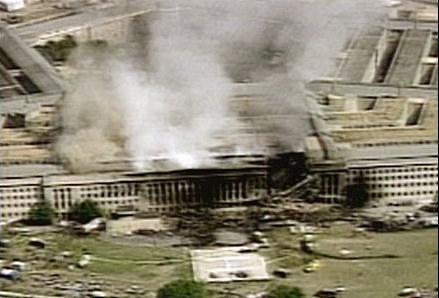
Methinks you play on some pretty scorched courses...
posted by mazola at 2:52 PM on May 23, 2006
Methinks you play on some pretty scorched courses...
posted by mazola at 2:52 PM on May 23, 2006
“...jet blast from a 747 tosses cars as if they are toys! Would Flight 77 Have Really Thrown Cars & People Off The Highway?”
We know who really throws cars around like they’re toys and destroys buildings...
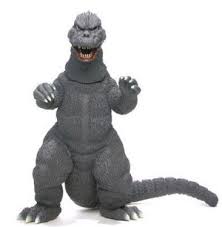
As a skeptic, allow me to point to the 1954 movie Godzilla. Dr. Serizawa (a DOCTOR) refuses to allow his oxygen destroyer technology to fall into the hands of politicians (still hasn't - you've never heard of one). Why wouldn’t scientists and investigators cover up Godzilla rampaging through the area to prevent just such a catastrophe?
"Dr. Serizawa: If my device can serve a good purpose, i would announce it to everyone in the world! But in its current form, it's just a weapon of horrible destruction. Please understand, Ogata!
Hideto Ogata: I understand. But if we don't use your device against Godzilla, what are we going to do?
Dr. Serizawa: Ogata, if the oxygen destroyer is used even once, politicians from around the world will see it. Of course, they'll want to use it as a weapon. Bombs versus bombs, missiles versus missiles, and now a new superweapon to throw upon us all! As a scientist - no, as a human being - I can't allow that to happen! Am I right?
Hideto Ogata: Then what do we do about the horror before us now? Should we just let it happen? If anyone can save us now, Serizawa, you're the only one! If... you use the device to defeat Godzilla, unless you reveal what you have done, who will know about it?
Dr. Serizawa: Ogata, humans are weak animals. Even if I burn my notes, the secret will still be in my head. Until I die, how can I be sure I won't be forced by someone to make the device again?
Look in your heart, you know it to be true.
posted by Smedleyman at 4:50 PM on May 23, 2006
We know who really throws cars around like they’re toys and destroys buildings...
As a skeptic, allow me to point to the 1954 movie Godzilla. Dr. Serizawa (a DOCTOR) refuses to allow his oxygen destroyer technology to fall into the hands of politicians (still hasn't - you've never heard of one). Why wouldn’t scientists and investigators cover up Godzilla rampaging through the area to prevent just such a catastrophe?
"Dr. Serizawa: If my device can serve a good purpose, i would announce it to everyone in the world! But in its current form, it's just a weapon of horrible destruction. Please understand, Ogata!
Hideto Ogata: I understand. But if we don't use your device against Godzilla, what are we going to do?
Dr. Serizawa: Ogata, if the oxygen destroyer is used even once, politicians from around the world will see it. Of course, they'll want to use it as a weapon. Bombs versus bombs, missiles versus missiles, and now a new superweapon to throw upon us all! As a scientist - no, as a human being - I can't allow that to happen! Am I right?
Hideto Ogata: Then what do we do about the horror before us now? Should we just let it happen? If anyone can save us now, Serizawa, you're the only one! If... you use the device to defeat Godzilla, unless you reveal what you have done, who will know about it?
Dr. Serizawa: Ogata, humans are weak animals. Even if I burn my notes, the secret will still be in my head. Until I die, how can I be sure I won't be forced by someone to make the device again?
Look in your heart, you know it to be true.
posted by Smedleyman at 4:50 PM on May 23, 2006
« Older Perhaps the only time you'll be happy to see a... | Face to Face Newer »
This thread has been archived and is closed to new comments
On-topic: I'm no scientist, but doesn't a passing acquaintance with Newton's first law pretty much explain all this? If the jet is being held still on the runway (presumably by its brakes) then the thrust experienced behind it is however many foot-pounds the guy in the video says. But if the jet is in motion the thrust a stationary observer would feel as the jet passed him would be greatly reduced.
More to the point, of course--as a plane comes in to land, the pilot is doing all they can to slow the fricking thing down--not blasting the jets at full power. Hence the Pushing Tin thing is probably absurd.
It's possible that the pilots of Flight 77 were powering up to try to hit the Pentagon as hard as possible, of course, but I would have thought that would have made a difficult task for rookie pilots even harder.
posted by yoink at 3:47 PM on May 22, 2006