"That would not kill Dracula!"
August 5, 2009 1:23 PM Subscribe
Vampires are over, argues Neil Gaiman. (Via the Guardian, who rather oddly suggest the similarly over-exposed zombies as a replacement)
Surely it's the era for bankers as the new [badger | zombie | vampire], no? If not now, when?
posted by everichon at 1:27 PM on August 5, 2009 [3 favorites]
posted by everichon at 1:27 PM on August 5, 2009 [3 favorites]
No, I'm afraid vampires are just coming back; zombies are what's over. Didn't you guys get the memo?
posted by kittens for breakfast at 1:28 PM on August 5, 2009 [1 favorite]
posted by kittens for breakfast at 1:28 PM on August 5, 2009 [1 favorite]
Finally, if not bankers, then I want more Sleestaks.
posted by everichon at 1:29 PM on August 5, 2009 [4 favorites]
posted by everichon at 1:29 PM on August 5, 2009 [4 favorites]
Also, the count was around waaay before Lost Boys and Interview with the Vampire.
posted by Mister_A at 1:29 PM on August 5, 2009
posted by Mister_A at 1:29 PM on August 5, 2009
who rather oddly suggest the similarly over-exposed zombies as a replacement
If you need any evidence at all that zombies are played out, here it is.
posted by Prospero at 1:29 PM on August 5, 2009
If you need any evidence at all that zombies are played out, here it is.
posted by Prospero at 1:29 PM on August 5, 2009
I'm pretty certain that if I could get a handle on what the next Archie McPhee style ninja/pirate/zombie/sasquatch craze would be I could make a mint, or at least a modest sum for a comic or two.
/has already done vampire stripper story.
posted by Artw at 1:31 PM on August 5, 2009
/has already done vampire stripper story.
posted by Artw at 1:31 PM on August 5, 2009
Vampires were over as soon as they started sparkling in the sun.
Personal opinion, of course, but really- sparkles?
posted by Pragmatica at 1:33 PM on August 5, 2009 [8 favorites]
Personal opinion, of course, but really- sparkles?
posted by Pragmatica at 1:33 PM on August 5, 2009 [8 favorites]
Yeah, vampires seem to be on the uptick, actually. Looking at movie trailers, I see Grace, Thirst, and Daybreakers as upcoming vampire films.
Carriers is a zombie film, I guess. Pandorum might be classed as a zombie film, depending on how you look at it. That's 3:2 at best, advantage vampires.
posted by jedicus at 1:33 PM on August 5, 2009 [1 favorite]
Carriers is a zombie film, I guess. Pandorum might be classed as a zombie film, depending on how you look at it. That's 3:2 at best, advantage vampires.
posted by jedicus at 1:33 PM on August 5, 2009 [1 favorite]
Yeah, vampires seem to be on the uptick, actually.
The money quote from the Gaiman link:
And note that I'm not saying there's anything bad about vampires, quite the opposite. Just that in a world in which a dozen people immediately write to me on Twitter to point out that I've got it wrong, as they are all writing Vampire stories, in which Vampires are now everywhere, is a world in which High Vampire Season is coming to an end
posted by Artw at 1:34 PM on August 5, 2009 [6 favorites]
The money quote from the Gaiman link:
And note that I'm not saying there's anything bad about vampires, quite the opposite. Just that in a world in which a dozen people immediately write to me on Twitter to point out that I've got it wrong, as they are all writing Vampire stories, in which Vampires are now everywhere, is a world in which High Vampire Season is coming to an end
posted by Artw at 1:34 PM on August 5, 2009 [6 favorites]
Let the Right One In was recent. That was high quality art - about vampires!
posted by plep at 1:35 PM on August 5, 2009 [2 favorites]
posted by plep at 1:35 PM on August 5, 2009 [2 favorites]
I was really hoping the Sleestak would catch on this time around.
posted by studentbaker at 1:37 PM on August 5, 2009
posted by studentbaker at 1:37 PM on August 5, 2009
Art, there's a sasquatch craze? That's my kind of monster, sasquatch!
posted by Mister_A at 1:38 PM on August 5, 2009
posted by Mister_A at 1:38 PM on August 5, 2009
Just that in a world in which a dozen people immediately write to me on Twitter to point out that I've got it wrong, as they are all writing Vampire stories, in which Vampires are now everywhere, is a world in which High Vampire Season is coming to an end
Ha, yeah, I remember saying that to somebody about zombies in, like...2005? I think what Mr. Gaiman means to say is, "A world in which any hope of seeing a vampire story that hasn't been done a million times before has long since been extinguished, and yet the goddamn things just keep on coming ANYWAY."
posted by kittens for breakfast at 1:39 PM on August 5, 2009 [1 favorite]
Ha, yeah, I remember saying that to somebody about zombies in, like...2005? I think what Mr. Gaiman means to say is, "A world in which any hope of seeing a vampire story that hasn't been done a million times before has long since been extinguished, and yet the goddamn things just keep on coming ANYWAY."
posted by kittens for breakfast at 1:39 PM on August 5, 2009 [1 favorite]
Aw, man, and I just started enjoying True Blood.
When zombies get declared over, though, I can proudly say: I never gave a crap about any stupid zombies.
I think we're running out of monsters though. Werewolves were big, Frankenstein was sorta big, mummies had their heyday. Giant mutant animals, check. Space monsters, well, I guess you never really run out of space monsters, they're doing that Alien prequel thingie.
Time for a Grey Goo nanobot horror trend?
posted by emjaybee at 1:39 PM on August 5, 2009 [2 favorites]
When zombies get declared over, though, I can proudly say: I never gave a crap about any stupid zombies.
I think we're running out of monsters though. Werewolves were big, Frankenstein was sorta big, mummies had their heyday. Giant mutant animals, check. Space monsters, well, I guess you never really run out of space monsters, they're doing that Alien prequel thingie.
Time for a Grey Goo nanobot horror trend?
posted by emjaybee at 1:39 PM on August 5, 2009 [2 favorites]
I don't care what the next big thing is as long as Bruce LaBruce continues to make movies about them.
posted by munchingzombie at 1:39 PM on August 5, 2009
posted by munchingzombie at 1:39 PM on August 5, 2009
I'm waiting for all of those creatures from the black lagoon to have their day in the sun...
posted by incomple at 1:41 PM on August 5, 2009 [1 favorite]
posted by incomple at 1:41 PM on August 5, 2009 [1 favorite]
About time a big name said something about this. Vampires, please be over. And the entire paranormal romance genre.
posted by Xere at 1:41 PM on August 5, 2009
posted by Xere at 1:41 PM on August 5, 2009
I thought this was all understood as simply a facet of the American political zeitgeist.
posted by shakespeherian at 1:41 PM on August 5, 2009
posted by shakespeherian at 1:41 PM on August 5, 2009
Are you a zombie who munches, or do you munch on zombies?
posted by Mister_A at 1:42 PM on August 5, 2009
posted by Mister_A at 1:42 PM on August 5, 2009
Surely it's the era for bankers as the new vampire
This would actually be a pretty apt overlap. Vampires are pretty powerful literalized symbols of consuming desire that human beings can have. It's one way to explore this kind of thing in an empowered avatar. You can stare at the horror, you can examine how a human being with normal empathy would be pretty conflicted in this situation, you can stand in fascination at the power and excess.
I think that it's right to say they're a bit played out when the particular kind of consuming desire you're exploring in your tale is essentially sexual... or if we're just talking throwing a monster in for camp.
But exploring how some people feed off of others economically? Well, now, there's a pretty rich and timely vein to tap into, so to speak, and I can't say I've really seen it done. I've got half a mind to give it a go myself.
posted by weston at 1:42 PM on August 5, 2009 [2 favorites]
This would actually be a pretty apt overlap. Vampires are pretty powerful literalized symbols of consuming desire that human beings can have. It's one way to explore this kind of thing in an empowered avatar. You can stare at the horror, you can examine how a human being with normal empathy would be pretty conflicted in this situation, you can stand in fascination at the power and excess.
I think that it's right to say they're a bit played out when the particular kind of consuming desire you're exploring in your tale is essentially sexual... or if we're just talking throwing a monster in for camp.
But exploring how some people feed off of others economically? Well, now, there's a pretty rich and timely vein to tap into, so to speak, and I can't say I've really seen it done. I've got half a mind to give it a go myself.
posted by weston at 1:42 PM on August 5, 2009 [2 favorites]
Time for a Grey Goo nanobot horror trend?
In SF writing there was a brief post-singularity fiction trend that was basically that. It tended to be a little... cold and inhuman though, and soon extinguished itself. It still crops up from time to time in post cyberpunk space opera though.
posted by Artw at 1:42 PM on August 5, 2009
In SF writing there was a brief post-singularity fiction trend that was basically that. It tended to be a little... cold and inhuman though, and soon extinguished itself. It still crops up from time to time in post cyberpunk space opera though.
posted by Artw at 1:42 PM on August 5, 2009
Personal opinion, of course, but really- ~*~*~sparkles?*~*~*~
FTFY.
Really, I just love the text equivalent of sparkles.
posted by Solon and Thanks at 1:43 PM on August 5, 2009 [1 favorite]
FTFY.
Really, I just love the text equivalent of sparkles.
posted by Solon and Thanks at 1:43 PM on August 5, 2009 [1 favorite]
I'm pretty sure that True Blood isn't even half way through the second season, or in other words, this is RIDICULOUS.
posted by nonmerci at 1:45 PM on August 5, 2009 [2 favorites]
posted by nonmerci at 1:45 PM on August 5, 2009 [2 favorites]
How Do We Get New Science Fiction Stories? Have New Nightmares
posted by Artw at 1:48 PM on August 5, 2009
posted by Artw at 1:48 PM on August 5, 2009
Mummies are due for a comeback afaik.
posted by Potomac Avenue at 1:50 PM on August 5, 2009 [1 favorite]
posted by Potomac Avenue at 1:50 PM on August 5, 2009 [1 favorite]
There are enough vampires in the world now to have us sheep at a frenzied pitch, which means it oughta be about time for the Vampire Apocalypse. The elders wake up, eat most of their brood, and return to slumber until they reproduce to critical mass again.
The whole vampire thing's a racket. You don't get eternal life. You just get a few decades, maybe even a century or two, to fatten up before great-great-great-Grandpa eats you.
posted by Malor at 1:51 PM on August 5, 2009 [3 favorites]
The whole vampire thing's a racket. You don't get eternal life. You just get a few decades, maybe even a century or two, to fatten up before great-great-great-Grandpa eats you.
posted by Malor at 1:51 PM on August 5, 2009 [3 favorites]
Early vampire stories were most assuredly very thinly concealed allegories for the decaying aristocracy in mid to late 19th century Europe. I'm sure the mythology of vampires has a completely different origin, but the modern concept of a vampire was a not to slight jab at a class of people that saw themselves as coming from an immortal line of descendents that lived in aging castles of a bygone era, only to come around and suck the lifeblood of the working people.
Obviously we don't really have an aristocracy in that sense anymore, hey look my CEO is wearing jeans. George Bush is wearing jeans. Obama is wearing mom jeans. One could write a good vampire story based on the collapse of the class system and how it is in many ways even more damning and oppressive than it was before. You're not living up to your full potential? This is a meritocracy buddy, luck has nothing to do with it. Alain de Botton gave a great speech on the nature of success and this very topic, but sadly, never mentioned vampires.
Devoid we are of any sort of structured religion to provide a framework as why vampires are evil, they become like us, with our own failings and desires. Sure they can't come out into the sun and need synthetic blood to survive (or whatever the analog is in the awful Twilight series), but generally they're post-Nietzsche moral men -- without religion we become great moral creatures. It is sort of sad but vampire's lust for blood has become nothing more than an addiction. Once they start it is intoxicating, great cognitive dissonance is achieved as they rationally know the must stop yet their body compels them otherwise.
I think you lose a lot when you bring science into vampire storytelling. Suddenly their great failings are merely an engineering trick away from taking part of mainstream society and then it just becomes a tale of morality.
posted by geoff. at 1:51 PM on August 5, 2009 [16 favorites]
Obviously we don't really have an aristocracy in that sense anymore, hey look my CEO is wearing jeans. George Bush is wearing jeans. Obama is wearing mom jeans. One could write a good vampire story based on the collapse of the class system and how it is in many ways even more damning and oppressive than it was before. You're not living up to your full potential? This is a meritocracy buddy, luck has nothing to do with it. Alain de Botton gave a great speech on the nature of success and this very topic, but sadly, never mentioned vampires.
Devoid we are of any sort of structured religion to provide a framework as why vampires are evil, they become like us, with our own failings and desires. Sure they can't come out into the sun and need synthetic blood to survive (or whatever the analog is in the awful Twilight series), but generally they're post-Nietzsche moral men -- without religion we become great moral creatures. It is sort of sad but vampire's lust for blood has become nothing more than an addiction. Once they start it is intoxicating, great cognitive dissonance is achieved as they rationally know the must stop yet their body compels them otherwise.
I think you lose a lot when you bring science into vampire storytelling. Suddenly their great failings are merely an engineering trick away from taking part of mainstream society and then it just becomes a tale of morality.
posted by geoff. at 1:51 PM on August 5, 2009 [16 favorites]
Eh, I've kinda been over Neil Gaiman since slogging through the relentlessly mediocre Anasazi Boys. I absolutely adored American Gods, but I really didn't want to read a novel apparently cobbled together from it's discarded notes and drafts.
I don't think there's any arguing with his points regarding the overexposure of vampires, but I don't see it receding at any point before the film adaptations of the Twilight series wrap up.
If there's still time to nominate candidates for the next Monster Meme, the I humbly submit the muthafucken SANDWORMS!
posted by EatTheWeek at 1:52 PM on August 5, 2009 [1 favorite]
I don't think there's any arguing with his points regarding the overexposure of vampires, but I don't see it receding at any point before the film adaptations of the Twilight series wrap up.
If there's still time to nominate candidates for the next Monster Meme, the I humbly submit the muthafucken SANDWORMS!

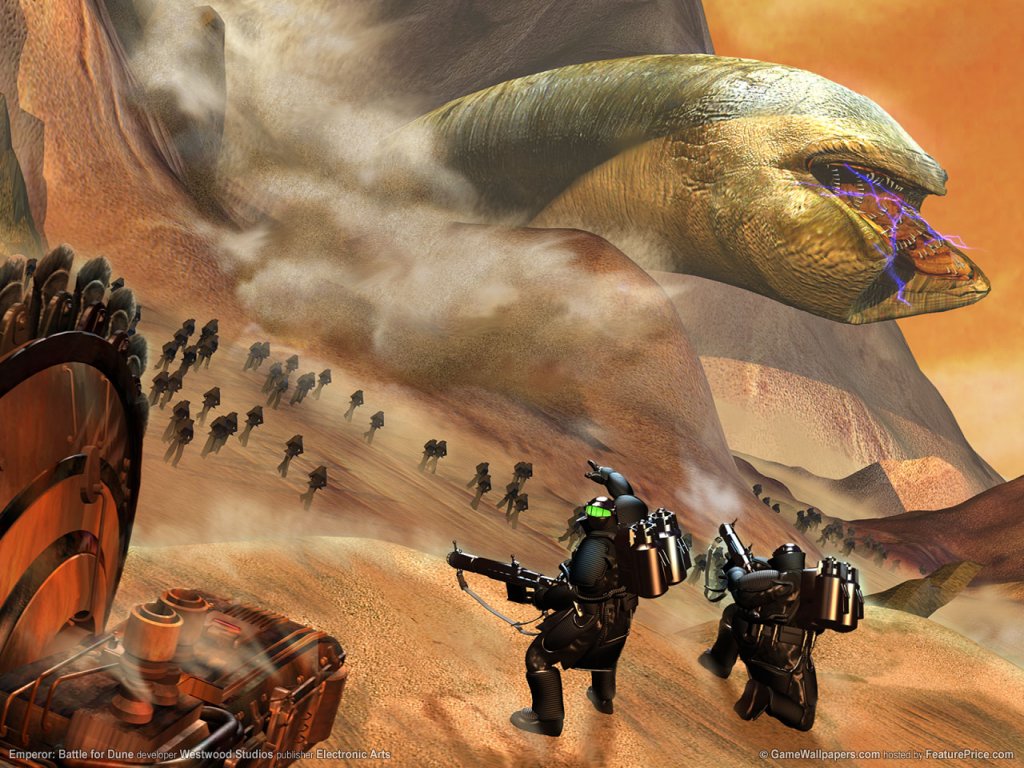


posted by EatTheWeek at 1:52 PM on August 5, 2009 [1 favorite]
This is good news. Are spies going to be over soon?
posted by ulotrichous at 1:53 PM on August 5, 2009
posted by ulotrichous at 1:53 PM on August 5, 2009
I spent the last two days in Forks, Washington, the town where the Twilight books are set. (Though the author apparently wrote the books without ever having visited the town.) this depressed former timber town is booming with Twilight tourists. We had breakfast in a cafe next to a table of teenaged girls who wore tshirts with messages like "Only Vampires Know True Love." We met people from France and Italy who were there to see where Bella and Edward lived. Every store had huge displays of vampire stuff.
Vampires are so not over.
posted by LarryC at 1:53 PM on August 5, 2009 [2 favorites]
Vampires are so not over.
posted by LarryC at 1:53 PM on August 5, 2009 [2 favorites]
There's always room for a new story if it's a good story. The subject really doesn't matter. Have stories about war been done to death? About love? A vampire is just a particular kind of protagonist; good new stories about vampires will always be welcome, bad new stories about vampires won't be. Gaiman's barking up the wrong tree here.
posted by yoink at 1:53 PM on August 5, 2009 [3 favorites]
posted by yoink at 1:53 PM on August 5, 2009 [3 favorites]
An unscientific sampling of the Borders "Horror" section:
Vampires: 42%
Zombies: 27%
Small town with a Deadly Secret: 11%
Killer(s) surround a backwoods cabin: 8%
Special-needs human teams with superintelligent animal against serial killer: 6%
Steve Alten "MEG" series, volumes 1-10: 5%
H. P. Lovecraft anthologies, edited by Joyce Carol Oates:1 title
Vice versa: would actually like to see
posted by kurumi at 1:53 PM on August 5, 2009 [14 favorites]
Vampires: 42%
Zombies: 27%
Small town with a Deadly Secret: 11%
Killer(s) surround a backwoods cabin: 8%
Special-needs human teams with superintelligent animal against serial killer: 6%
Steve Alten "MEG" series, volumes 1-10: 5%
H. P. Lovecraft anthologies, edited by Joyce Carol Oates:1 title
Vice versa: would actually like to see
posted by kurumi at 1:53 PM on August 5, 2009 [14 favorites]
I feel sorry for Forks, Washington. Eevrytime I hear what has become of it I think of Rosyln, Washington - one time home of Northern Exposure which appears to have entirely restructured itself around a one-time torrent of Northern Exposure based tourism which has now thinned to a trickle.
posted by Artw at 1:57 PM on August 5, 2009
posted by Artw at 1:57 PM on August 5, 2009
I'm pretty certain that if I could get a handle on what the next Archie McPhee style ninja/pirate/zombie/sasquatch craze would be I could make a mint, or at least a modest sum for a comic or two.
Start your research here.... ;)
Disclaimer: Their Marketing Director is a friend of mine.
posted by zarq at 1:57 PM on August 5, 2009
Start your research here.... ;)
Disclaimer: Their Marketing Director is a friend of mine.
posted by zarq at 1:57 PM on August 5, 2009
Neil, from the article:
Then Anne Rice wrote Interview with the Vampire, which as a teenager I thought was a rather drippy book. I have to say as a teenager who loved vampire fiction and wanted vampire fiction, I thought they all sort of sat around being miserable.
I KNEW there was a reason I liked Neil Gaiman!
posted by EmpressCallipygos at 1:58 PM on August 5, 2009 [5 favorites]
Then Anne Rice wrote Interview with the Vampire, which as a teenager I thought was a rather drippy book. I have to say as a teenager who loved vampire fiction and wanted vampire fiction, I thought they all sort of sat around being miserable.
I KNEW there was a reason I liked Neil Gaiman!
posted by EmpressCallipygos at 1:58 PM on August 5, 2009 [5 favorites]
It seems to me that monsters du jour tend to represent social anxieties.
Now, the Victorians were prudish about sex, but very open about death: death watches, open caskets, public grieving, periods of mourning. So vampires like Dracula and Varney tended to represent a fear of sex rather than a fear of death. A zombie wouldn't have been very scary to a Victorian: it's just like a common or garden everyday corpse except that it walks around.
These days, we're open about sex, but repressed about death. So vampires aren't scary: they're being relegated to cute entertainment for tweens. But zombies are scary because they remind us of death. They don't think. They look hideous. They're the thing we try desperately to avoid with botox and superfoods and cosmetic surgery and pills, but will always succumb to in the end: death.
posted by TheophileEscargot at 1:59 PM on August 5, 2009 [21 favorites]
Now, the Victorians were prudish about sex, but very open about death: death watches, open caskets, public grieving, periods of mourning. So vampires like Dracula and Varney tended to represent a fear of sex rather than a fear of death. A zombie wouldn't have been very scary to a Victorian: it's just like a common or garden everyday corpse except that it walks around.
These days, we're open about sex, but repressed about death. So vampires aren't scary: they're being relegated to cute entertainment for tweens. But zombies are scary because they remind us of death. They don't think. They look hideous. They're the thing we try desperately to avoid with botox and superfoods and cosmetic surgery and pills, but will always succumb to in the end: death.
posted by TheophileEscargot at 1:59 PM on August 5, 2009 [21 favorites]
I would re-watch John Carpenter's Vampires just to spite Mr. Gaiman
but it's terrible.
posted by Durn Bronzefist at 1:59 PM on August 5, 2009 [1 favorite]
but it's terrible.
posted by Durn Bronzefist at 1:59 PM on August 5, 2009 [1 favorite]
What It Was Like At the New Moon Panel
I'm trying to resist snarking... but blimey.
posted by fearfulsymmetry at 2:00 PM on August 5, 2009
I'm trying to resist snarking... but blimey.
posted by fearfulsymmetry at 2:00 PM on August 5, 2009
Time for a Grey Goo nanobot horror trend?
In SF writing there was a brief post-singularity fiction trend that was basically that. It tended to be a little... cold and inhuman though, and soon extinguished itself. It still crops up from time to time in post cyberpunk space opera though.
Funny you should mention it. I just finished Alastair Reynolds' Century Rain and was just thinking that the nanotech horror genre had been done to death.
posted by zarq at 2:00 PM on August 5, 2009
In SF writing there was a brief post-singularity fiction trend that was basically that. It tended to be a little... cold and inhuman though, and soon extinguished itself. It still crops up from time to time in post cyberpunk space opera though.
Funny you should mention it. I just finished Alastair Reynolds' Century Rain and was just thinking that the nanotech horror genre had been done to death.
posted by zarq at 2:00 PM on August 5, 2009
Vampires aren't over, just resting.
can we talk about True Blood now and how Pam is my new favorite character ever in ever?
posted by The Whelk at 2:02 PM on August 5, 2009
can we talk about True Blood now and how Pam is my new favorite character ever in ever?
posted by The Whelk at 2:02 PM on August 5, 2009
At an antique store in New Orleans, I came upon a vampire-killing kit. No lie - it had a vicious little metal pocket-crossbow that would fire silver or wooden quarrels, cross-shaped dagger, a little wooden stake and vials labeled "holy water", "tincture of garlic", etc. It was in a mahogany case with fitted velvet interior. It was dated to the 1880s.
This was, apparently, a common gift for upper-crust fans of vampire fiction. Varney the Vampire and Camilla were a seething rage in Victorian times, and Dracula was actually a latecomer to the show.
Also, for people with shorter memories, Anne Rice exploded in the 90's, from odd-ball niche author to household name, basically for writing modern versions of Varney and slathering on a layer of homoerotic tension. (Which Le Fanu's Carmilla did, first.) You couldn't get away from goths, goth culture, vampires and vampire kitsch of all description, to the point the poor goths couldn't escape the image of vampire-wannabes until lately.
So, yes, this current wave of Vampire fandom will, later or sooner, wither and die... but dude, this shit's undead. You know it will be back.
posted by Slap*Happy at 2:03 PM on August 5, 2009 [1 favorite]
This was, apparently, a common gift for upper-crust fans of vampire fiction. Varney the Vampire and Camilla were a seething rage in Victorian times, and Dracula was actually a latecomer to the show.
Also, for people with shorter memories, Anne Rice exploded in the 90's, from odd-ball niche author to household name, basically for writing modern versions of Varney and slathering on a layer of homoerotic tension. (Which Le Fanu's Carmilla did, first.) You couldn't get away from goths, goth culture, vampires and vampire kitsch of all description, to the point the poor goths couldn't escape the image of vampire-wannabes until lately.
So, yes, this current wave of Vampire fandom will, later or sooner, wither and die... but dude, this shit's undead. You know it will be back.
posted by Slap*Happy at 2:03 PM on August 5, 2009 [1 favorite]
You know what should be next? Abominable snowpersons. They're tortured. They're isolated. They've got great hair. Teens can identify with them. I don't see what's missing here.
posted by katillathehun at 2:03 PM on August 5, 2009 [11 favorites]
posted by katillathehun at 2:03 PM on August 5, 2009 [11 favorites]
I shudder to think what will happen if Stephenie Meyer has to find another supernatural framework to hide her creepy "true love waits, but only for stalkers" stories behind.
posted by teamparka at 2:04 PM on August 5, 2009 [1 favorite]
posted by teamparka at 2:04 PM on August 5, 2009 [1 favorite]
Vampires are only over when we have no more fears about sex and death.
Which is to say, they won't ever be "over."
Fun side question: In cultures that have significantly less sexual hang-ups than the U.S. (I'm looking at you, Sweden), do vampire stories have the same pizazz? I imagine Swedish teen girls reading a translation of Twilight thinking, "What, exactly, is the big deal here? And this is supposed to be how popular, exactly?"
posted by Cool Papa Bell at 2:05 PM on August 5, 2009
Which is to say, they won't ever be "over."
Fun side question: In cultures that have significantly less sexual hang-ups than the U.S. (I'm looking at you, Sweden), do vampire stories have the same pizazz? I imagine Swedish teen girls reading a translation of Twilight thinking, "What, exactly, is the big deal here? And this is supposed to be how popular, exactly?"
posted by Cool Papa Bell at 2:05 PM on August 5, 2009
I shudder to think what will happen if Stephenie Meyer has to find another supernatural framework to hide her creepy "true love waits, but only for stalkers" stories behind.
The Invisible Man.
posted by katillathehun at 2:06 PM on August 5, 2009
The Invisible Man.
posted by katillathehun at 2:06 PM on August 5, 2009
Early vampire stories were most assuredly very thinly concealed allegories for the decaying aristocracy in mid to late 19th century Europe. I'm sure the mythology of vampires has a completely different origin, but the modern concept of a vampire was a not to slight jab at a class of people that saw themselves as coming from an immortal line of descendents that lived in aging castles of a bygone era, only to come around and suck the lifeblood of the working people.
Obviously we don't really have an aristocracy in that sense anymore, hey look my CEO is wearing jeans. George Bush is wearing jeans. Obama is wearing mom jeans. One could write a good vampire story based on the collapse of the class system and how it is in many ways even more damning and oppressive than it was before.
Hmmm, Vampires as a symbol of the ultra-rich power-class which really run the world and goverments and wars but look *just like us* aside from thier life-warping wealth and power...which makes them not just unimginably rich but no longer human (because they no longer share in common experiences)?
One sec, I gotta see if Bret Easton Ellis is available.
posted by The Whelk at 2:06 PM on August 5, 2009 [1 favorite]
Obviously we don't really have an aristocracy in that sense anymore, hey look my CEO is wearing jeans. George Bush is wearing jeans. Obama is wearing mom jeans. One could write a good vampire story based on the collapse of the class system and how it is in many ways even more damning and oppressive than it was before.
Hmmm, Vampires as a symbol of the ultra-rich power-class which really run the world and goverments and wars but look *just like us* aside from thier life-warping wealth and power...which makes them not just unimginably rich but no longer human (because they no longer share in common experiences)?
One sec, I gotta see if Bret Easton Ellis is available.
posted by The Whelk at 2:06 PM on August 5, 2009 [1 favorite]
Abominable snowpersons FTW!
I know FTW is over, I'm bringing it back!
posted by Mister_A at 2:12 PM on August 5, 2009
I know FTW is over, I'm bringing it back!
posted by Mister_A at 2:12 PM on August 5, 2009
Fun side question: In cultures that have significantly less sexual hang-ups than the U.S. (I'm looking at you, Sweden), do vampire stories have the same pizazz? I imagine Swedish teen girls reading a translation of Twilight thinking, "What, exactly, is the big deal here? And this is supposed to be how popular, exactly?"
Good question. Going from the success of Let the Right One In, penned by Swedish author John Ajvide Lindqvist, maybe so.
posted by teamparka at 2:12 PM on August 5, 2009
Good question. Going from the success of Let the Right One In, penned by Swedish author John Ajvide Lindqvist, maybe so.
posted by teamparka at 2:12 PM on August 5, 2009
Stephen King once said, using the Erica Jung[sic] quote,[...]That's the most Freudian I've ever seen Jung be.
posted by PontifexPrimus at 2:12 PM on August 5, 2009 [1 favorite]
It seems to me that monsters du jour tend to represent social anxieties.
There must, of course, be some element of truth to this, but I often think that arguments like this tend to be post hoc ergo propter hoc fallacies. I mean, has there ever been a story which one couldn't find some way to relate to "contemporary social anxieties"?
Take your hypotheses about Victorians hung up on sex / Moderns hung up on death. Well, what about Frankenstein? A pre-Victorian novel that is a mainstay of the Victorian melodramatic theatre and is definitely all about a fear of the animated dead. Or what about "The Monkey's Paw"? O.K., it's Edwardian (1902), but the author was entirely a product of the Victorian era, as was his audience. And yet the entire peculiar horror of that story is that one might get to meet the animated corpse of a loved one.
And, sure, there are lots of stories with lovable Vampires nowadays, but there are also plenty of modern vampire tales in which the vampires (or, perhaps, most vampires) are unequivocally evil. I think we use good stories to think about many things. Some of those things will be "contemporary social anxieties"--but any story worth it's salt will allow us to think about both timeless problems (mortality, desire etc.) and whatever the local "social anxiety" du jour happens to be.
posted by yoink at 2:13 PM on August 5, 2009 [3 favorites]
There must, of course, be some element of truth to this, but I often think that arguments like this tend to be post hoc ergo propter hoc fallacies. I mean, has there ever been a story which one couldn't find some way to relate to "contemporary social anxieties"?
Take your hypotheses about Victorians hung up on sex / Moderns hung up on death. Well, what about Frankenstein? A pre-Victorian novel that is a mainstay of the Victorian melodramatic theatre and is definitely all about a fear of the animated dead. Or what about "The Monkey's Paw"? O.K., it's Edwardian (1902), but the author was entirely a product of the Victorian era, as was his audience. And yet the entire peculiar horror of that story is that one might get to meet the animated corpse of a loved one.
And, sure, there are lots of stories with lovable Vampires nowadays, but there are also plenty of modern vampire tales in which the vampires (or, perhaps, most vampires) are unequivocally evil. I think we use good stories to think about many things. Some of those things will be "contemporary social anxieties"--but any story worth it's salt will allow us to think about both timeless problems (mortality, desire etc.) and whatever the local "social anxiety" du jour happens to be.
posted by yoink at 2:13 PM on August 5, 2009 [3 favorites]
I think Gaiman's point is that we are reaching "Peak Vampire" where the desire for vampiric variations is exceeding the output of even the hackiest of writers, and Zombies may be a valuable alternative horror source. Or maybe Ghosts. But not Werewolves.
posted by wendell at 2:15 PM on August 5, 2009 [1 favorite]
posted by wendell at 2:15 PM on August 5, 2009 [1 favorite]
Thanks for reminding me to cancel my HBO subscription.
True Blood = ZZZZZZZZZZZZZZZZ
posted by cazoo at 2:17 PM on August 5, 2009
True Blood = ZZZZZZZZZZZZZZZZ
posted by cazoo at 2:17 PM on August 5, 2009
I'm with Wendell, we're at Peak Vampire, the crest of the vampire wave. Soon it will all crash down around our feet, leaving behind nothing but leather pants, silver jewelry, and ruffled shirts with big cuffs.
posted by Mister_A at 2:19 PM on August 5, 2009 [4 favorites]
posted by Mister_A at 2:19 PM on August 5, 2009 [4 favorites]
According to this Twilight fan site (after some quick'n'dirty Googling), the Twilight series is doing very well, thank you, in sexually liberated Sweden.
posted by yoink at 2:19 PM on August 5, 2009
posted by yoink at 2:19 PM on August 5, 2009
Whatever, my friend and I decided over xmas that Homunculi are the new Zombie (vampire/robot/lasersharks/narwhals).
Commence to spread the the meme my faithful minions.
posted by symbioid at 2:24 PM on August 5, 2009
Commence to spread the the meme my faithful minions.
posted by symbioid at 2:24 PM on August 5, 2009
My vote is we bring back witches.
My daughter was interested in witches a year or so ago. One day we were playing and she wanted to play witches. So (cribbing shamelessly from Good Omens) I suggested we play witchfinder instead, and we made a witchfinder kit: 1 Dora lunchbox, equipped with 1 Book (in the case, a small pocket almanac), 1 Bell, and 1 Pin (clothespin was all we had, but it's a pin, right? Damn right.). I also made a label for it that said "Open in Case of Witches." Much fun was had.
A few weeks later, another mom was over with her kids, and she happened upon our witchfinding kit. The other parents no longer wonder why my kids are so odd.
posted by rusty at 2:27 PM on August 5, 2009 [6 favorites]
My daughter was interested in witches a year or so ago. One day we were playing and she wanted to play witches. So (cribbing shamelessly from Good Omens) I suggested we play witchfinder instead, and we made a witchfinder kit: 1 Dora lunchbox, equipped with 1 Book (in the case, a small pocket almanac), 1 Bell, and 1 Pin (clothespin was all we had, but it's a pin, right? Damn right.). I also made a label for it that said "Open in Case of Witches." Much fun was had.
A few weeks later, another mom was over with her kids, and she happened upon our witchfinding kit. The other parents no longer wonder why my kids are so odd.
posted by rusty at 2:27 PM on August 5, 2009 [6 favorites]
You know what should be next? Abominable snowpersons. They're tortured. They're isolated. They've got great hair. Teens can identify with them. I don't see what's missing here.
I know you're being funny, but I'm reading "The Terror" right now (which is set in the Arctic), and there is the most bad-ass monster in it EVER. Some giant, malevolent, white-furred creature. The way this thing comes up with fun new ways to kill people is scary as shit. I mean, I've got a Bumble on my desk from "Rudolph the Red-Nosed Reindeer," and I can't even look at it the same way.
posted by Evangeline at 2:31 PM on August 5, 2009 [3 favorites]
I know you're being funny, but I'm reading "The Terror" right now (which is set in the Arctic), and there is the most bad-ass monster in it EVER. Some giant, malevolent, white-furred creature. The way this thing comes up with fun new ways to kill people is scary as shit. I mean, I've got a Bumble on my desk from "Rudolph the Red-Nosed Reindeer," and I can't even look at it the same way.
posted by Evangeline at 2:31 PM on August 5, 2009 [3 favorites]
leaving behind nothing but leather pants, silver jewelry, and ruffled shirts with big cuffs.
Speaking of pirates, I feel that they have also run their course and we are on the precipice of another ninja renaissance similar to the one from the mid '80s. Between parkour and giant strides forward in filming martial arts, ninja movies are gonna be huge.
Also, most likely terrible. Again, just like the mid '80s.
posted by quin at 2:32 PM on August 5, 2009 [2 favorites]
Speaking of pirates, I feel that they have also run their course and we are on the precipice of another ninja renaissance similar to the one from the mid '80s. Between parkour and giant strides forward in filming martial arts, ninja movies are gonna be huge.
Also, most likely terrible. Again, just like the mid '80s.
posted by quin at 2:32 PM on August 5, 2009 [2 favorites]
THAT WOULD NOT KILL DRACULA! I presume this is the reference you're going for?
posted by lowlife at 2:37 PM on August 5, 2009 [5 favorites]
posted by lowlife at 2:37 PM on August 5, 2009 [5 favorites]
Hmmm, next craze? There are a few options. I think maybe Screaming Banshees, Centaurs...or ghosts, haven't heard much on them lately.
posted by TonyDanza at 2:38 PM on August 5, 2009
posted by TonyDanza at 2:38 PM on August 5, 2009
Penanggalana... that is what I want the next monster craze to be about. Yeah they are vampire-ish... but no sparkles and they'd be damned hard to romanticize.
posted by edgeways at 2:38 PM on August 5, 2009
posted by edgeways at 2:38 PM on August 5, 2009
A few weeks later, another mom was over with her kids, and she happened upon our witchfinding kit. The other parents no longer wonder why my kids are so odd.
The other day our three year old declared that the next day would be Cuthfoofoo day,* and informed her mother that Cuthfoofoo was a scarey monster she had seen in the book. Suspicious eyes were laid upon me. I can assure you I have shown the child no such book,** I suspect she has secret access to the Necronomicon.
Yesterday she asked me “Daddy, do monsters eat us?”.*** I appear to be engaged in a very monster orientated child rearing process.
* Fortunately it was not.
** I have, however, given her a plush Cthulhu, whose special noise we have determined to be “flibble flibble”. Live in dread fear of hearing that sound upon the coming of Cuthfoofoo day.
*** “No, because we run away or hide.”
(Incidentally, yes, we have probably passed peak Lovecraft)
posted by Artw at 2:40 PM on August 5, 2009 [32 favorites]
The other day our three year old declared that the next day would be Cuthfoofoo day,* and informed her mother that Cuthfoofoo was a scarey monster she had seen in the book. Suspicious eyes were laid upon me. I can assure you I have shown the child no such book,** I suspect she has secret access to the Necronomicon.
Yesterday she asked me “Daddy, do monsters eat us?”.*** I appear to be engaged in a very monster orientated child rearing process.
* Fortunately it was not.
** I have, however, given her a plush Cthulhu, whose special noise we have determined to be “flibble flibble”. Live in dread fear of hearing that sound upon the coming of Cuthfoofoo day.
*** “No, because we run away or hide.”
(Incidentally, yes, we have probably passed peak Lovecraft)
posted by Artw at 2:40 PM on August 5, 2009 [32 favorites]
ninja movies are gonna be huge
Ninjas make great episodic diversions (our hero fights off the tide of deadly ninja assassins...), but they're lousy material to build a plot around. Your hero can't be a ninja, because the whole point of a successful ninja is to be unheroic (sneak in, kill, sneak out). Your main villain can't be a ninja--or, at least, a very successful one--for much the same reason. Ninjas are high-style but low-concept: vampires let you think about desire, about the needs of the body, about identity (are you the "same person" once "turned" etc.), about mortality (and it's limits) etc. etc. What do ninjas offer? Being vewy vewy quiet.
posted by yoink at 2:44 PM on August 5, 2009
Ninjas make great episodic diversions (our hero fights off the tide of deadly ninja assassins...), but they're lousy material to build a plot around. Your hero can't be a ninja, because the whole point of a successful ninja is to be unheroic (sneak in, kill, sneak out). Your main villain can't be a ninja--or, at least, a very successful one--for much the same reason. Ninjas are high-style but low-concept: vampires let you think about desire, about the needs of the body, about identity (are you the "same person" once "turned" etc.), about mortality (and it's limits) etc. etc. What do ninjas offer? Being vewy vewy quiet.
posted by yoink at 2:44 PM on August 5, 2009
SLIGHT DERAIL
So one of my favorite timewasters is reading the IMDB user comments, particularly when it comes to another one of my favorite timewasters, rotten horror movies. You remember the werewolf-ish movie Skinwalkers, the nearly-universally reviled pile of garbage with Rhona Mitra and Jason Behr a few years back? No? That's fine and probably healthy. Anyway, it's terrible, and most of us occupy a somewhat sane universe where viewing something as lazy and dumb and artless as Skinwalkers provokes derision or contempt.
Many, many IMDB user comments, however, reveal an alternate universe, where a turd like Skinwalkers is an objet worthy of multiple viewings and serious contemplation, contemplation along the lines of "Even better than Jason X!" Anyway, it was here, one innocent day, trawling through the user reviews of Skinwalkers that I found my single favorite line from cinema criticism ever.
"Not all werewolf's believe in the werewolf philosophy of biting people."
This one sentence justifies the entire Internet for me.
posted by Skot at 2:45 PM on August 5, 2009 [29 favorites]
So one of my favorite timewasters is reading the IMDB user comments, particularly when it comes to another one of my favorite timewasters, rotten horror movies. You remember the werewolf-ish movie Skinwalkers, the nearly-universally reviled pile of garbage with Rhona Mitra and Jason Behr a few years back? No? That's fine and probably healthy. Anyway, it's terrible, and most of us occupy a somewhat sane universe where viewing something as lazy and dumb and artless as Skinwalkers provokes derision or contempt.
Many, many IMDB user comments, however, reveal an alternate universe, where a turd like Skinwalkers is an objet worthy of multiple viewings and serious contemplation, contemplation along the lines of "Even better than Jason X!" Anyway, it was here, one innocent day, trawling through the user reviews of Skinwalkers that I found my single favorite line from cinema criticism ever.
"Not all werewolf's believe in the werewolf philosophy of biting people."
This one sentence justifies the entire Internet for me.
posted by Skot at 2:45 PM on August 5, 2009 [29 favorites]
Fuck you, Jason X is a triumph!
posted by Artw at 2:46 PM on August 5, 2009 [4 favorites]
posted by Artw at 2:46 PM on August 5, 2009 [4 favorites]
I woke my wife up last night because I had watched a movie with some infidelity in it and it bothered me a bit. We talked a bit about the movie and then I told her that I was sorry I wasn't more of a romantic.
She said, "That's not really one of my concerns right now."
I said, "Oh? What are you concerned about?"
"Zombies."
posted by ODiV at 2:48 PM on August 5, 2009 [16 favorites]
She said, "That's not really one of my concerns right now."
I said, "Oh? What are you concerned about?"
"Zombies."
posted by ODiV at 2:48 PM on August 5, 2009 [16 favorites]
Fuck you, Jason X is a triumph!
I've probably seen it three or four times.
posted by Skot at 2:49 PM on August 5, 2009
I've probably seen it three or four times.
posted by Skot at 2:49 PM on August 5, 2009
I think we're running out of monsters though.
Wendigos!
Hmmm, Vampires as a symbol of the ultra-rich power-class which really run the world and goverments and wars but look *just like us* aside from thier life-warping wealth and power...which makes them not just unimginably rich but no longer human (because they no longer share in common experiences)?
One sec, I gotta see if Bret Easton Ellis is available.
He already did his vampires.
My vote is we bring back witches.
Yeah, but then the neo-Pagans would be all upset.
posted by rodgerd at 2:54 PM on August 5, 2009 [1 favorite]
Wendigos!
Hmmm, Vampires as a symbol of the ultra-rich power-class which really run the world and goverments and wars but look *just like us* aside from thier life-warping wealth and power...which makes them not just unimginably rich but no longer human (because they no longer share in common experiences)?
One sec, I gotta see if Bret Easton Ellis is available.
He already did his vampires.
My vote is we bring back witches.
Yeah, but then the neo-Pagans would be all upset.
posted by rodgerd at 2:54 PM on August 5, 2009 [1 favorite]
Jason X IS a triumph, of hilarity at least. It's utterly ridiculous in every way and a hell of a lot of fun to watch (especially the Crystal Lake hologram scene).
Skinwalkers was a triumph of shit, and it always disappoints me that no one knows how to make a decent werewolf movie. Dog Soldiers was probably the last good one.
posted by Roman Graves at 2:55 PM on August 5, 2009
Skinwalkers was a triumph of shit, and it always disappoints me that no one knows how to make a decent werewolf movie. Dog Soldiers was probably the last good one.
posted by Roman Graves at 2:55 PM on August 5, 2009
Gargoyles? I mean, the movie back in the 70s terrified me. And the only coverage they've had in recent years has been via rather crappy CGI on Sci-Fi cable. I think gargoyles have a much richer potential.
Ghosts are good, too. The crappy ghost hunter shows surely must have pissed off enough ghosts that they want to make a comeback and have their story told by someone competent.
posted by darkstar at 2:55 PM on August 5, 2009
Ghosts are good, too. The crappy ghost hunter shows surely must have pissed off enough ghosts that they want to make a comeback and have their story told by someone competent.
posted by darkstar at 2:55 PM on August 5, 2009
Unlike zombies, vampires can be hawt and sexy, and have super-human action-hero/villain potential to boot. I don't think today's youth-and-beauty-obsessed culture is going to change any time soon, and as long as that remains in force, vampires aren't going anywhere.
They were played out a decade ago, but they're still going strong nonetheless. They're a cliche that reliably delivers.
posted by -harlequin- at 3:05 PM on August 5, 2009
They were played out a decade ago, but they're still going strong nonetheless. They're a cliche that reliably delivers.
posted by -harlequin- at 3:05 PM on August 5, 2009
I also don't like the way modern vampire stories have trended. I mean, a monster that's vulnerable to holy symbols is really scary if the only way you can buy a cross is from an itinerant peddler, or, failing that, by finding a pair of twigs, some rope, and doing some hasty whittling. It's not so scary if you can buy an injection molded plastic crosses out of a vending machine at a local supermarket, or if you can whip a Sharpie out of your pocket and draw a cross on a wall.
I mean, Dracula would never get anywhere nowadays. It would be all, "Ha ha! Hapless driver, I vill now sock your bl--oh, is that a Jesus fish? And that guy with the Coexist sticker which is like seven religious symbols. WHO SERIOUSLY DOES THAT?"
It's the same with garlic. Rare in early England, so it seems like a reasonable enough weakness. Not so scary when you can go to Costco and buy five pounds for four dollars.
And these modern authors, they looove vampires. And they want scary vampires. So they decide that a lot of these traditional weaknesses have to go away. Well, it'd be a little silly if my scary romance monster were frightened away by sunlight, they decide.
At some point, it becomes: "What would happen if, like, Superman wanted to drink your blood?"
(This new trend, though, the new one where vampires can only be defeated with kung fu? Now that's a trend I can wholeheartedly approve of.)
posted by Comrade_robot at 3:10 PM on August 5, 2009 [6 favorites]
I mean, Dracula would never get anywhere nowadays. It would be all, "Ha ha! Hapless driver, I vill now sock your bl--oh, is that a Jesus fish? And that guy with the Coexist sticker which is like seven religious symbols. WHO SERIOUSLY DOES THAT?"
It's the same with garlic. Rare in early England, so it seems like a reasonable enough weakness. Not so scary when you can go to Costco and buy five pounds for four dollars.
And these modern authors, they looove vampires. And they want scary vampires. So they decide that a lot of these traditional weaknesses have to go away. Well, it'd be a little silly if my scary romance monster were frightened away by sunlight, they decide.
At some point, it becomes: "What would happen if, like, Superman wanted to drink your blood?"
(This new trend, though, the new one where vampires can only be defeated with kung fu? Now that's a trend I can wholeheartedly approve of.)
posted by Comrade_robot at 3:10 PM on August 5, 2009 [6 favorites]
Whoa, now. Hold on. What do you mean zombies can't be sexy?
posted by katillathehun at 3:13 PM on August 5, 2009
posted by katillathehun at 3:13 PM on August 5, 2009
I disagree with Gaiman's understanding of this a lot, actually, because I think he underestimates the way a vampire is unlike most other monsters and how adaptable it is.
I divide monsters into two camps: those that try to chase you and kill you (physical terror) and those that want to change you into a monster, permanently altering if not destroying your personality (psychological terror). (Often to transform you, they have to chase you and kill you first, as with a werewolf, a zombie or a vampire, so there is some overlap.) The vampire can be used to tell both of these stories: sometimes vampires just murder their victim, but sometimes vampires come in and turn you into a vampire by murdering you; the rules on how and when you change vary from interpretation to interpretation, meaning the type of scare the vampire film is offering varies, too. So right off the bat, vampires have a leg up over the creature from the black lagoon in terms of customability, because they can scare people with bodily harm, or they can scare people with a threat of deep corruption, existential loss of control, etc.
But there's another facet of the vampire myth which is - as far as I am aware - unique to them: they are the only monster where people sometimes face the choice of whether or not they want to become a monster. Nobody ever volunteers to become a zombie, or to have an Alien's facehugger implanted on their own face; but some people want to have eternal life and the ability to cloud mens minds and the ability to turn into a bat. A lot of modern vampire stories turn around the deal-with-a-devil aspect of their mythos, and that Faustian aspect can be quite heavy handed in the wrong hands, but philosophically troubling in the right hands. After all, the question of "wouldn't I be happier if I was someone else?" is one of the most basic questions of any cathartic art, and vampires ask that question both subtly and heavy handily.
In many ways, they are the modern day Satan, offering powers and temptation, but also damnation and terror, but without requiring a religious context, which brings a lot of baggage to the table, for good or for ill. I think it explains why vampire tales range from the repetitively stupid to the fascinating and bizarre: unlike most monsters which only threaten us from the outside, the vampire threatens us from inside, too. Thats why you see vampire tales being sold to bondage fetishists and to sexless mormons, and in venues as different as the over-the-top-tawdry True Blood and the understated creepy Let the Right One In: they appeal to the people who don't want to think and to the people who can't stop thinking, and as long as they can tell stories that divergent to audiences that far-flung, someone is going to be telling stories using them.
posted by Kiablokirk at 3:15 PM on August 5, 2009 [25 favorites]
I divide monsters into two camps: those that try to chase you and kill you (physical terror) and those that want to change you into a monster, permanently altering if not destroying your personality (psychological terror). (Often to transform you, they have to chase you and kill you first, as with a werewolf, a zombie or a vampire, so there is some overlap.) The vampire can be used to tell both of these stories: sometimes vampires just murder their victim, but sometimes vampires come in and turn you into a vampire by murdering you; the rules on how and when you change vary from interpretation to interpretation, meaning the type of scare the vampire film is offering varies, too. So right off the bat, vampires have a leg up over the creature from the black lagoon in terms of customability, because they can scare people with bodily harm, or they can scare people with a threat of deep corruption, existential loss of control, etc.
But there's another facet of the vampire myth which is - as far as I am aware - unique to them: they are the only monster where people sometimes face the choice of whether or not they want to become a monster. Nobody ever volunteers to become a zombie, or to have an Alien's facehugger implanted on their own face; but some people want to have eternal life and the ability to cloud mens minds and the ability to turn into a bat. A lot of modern vampire stories turn around the deal-with-a-devil aspect of their mythos, and that Faustian aspect can be quite heavy handed in the wrong hands, but philosophically troubling in the right hands. After all, the question of "wouldn't I be happier if I was someone else?" is one of the most basic questions of any cathartic art, and vampires ask that question both subtly and heavy handily.
In many ways, they are the modern day Satan, offering powers and temptation, but also damnation and terror, but without requiring a religious context, which brings a lot of baggage to the table, for good or for ill. I think it explains why vampire tales range from the repetitively stupid to the fascinating and bizarre: unlike most monsters which only threaten us from the outside, the vampire threatens us from inside, too. Thats why you see vampire tales being sold to bondage fetishists and to sexless mormons, and in venues as different as the over-the-top-tawdry True Blood and the understated creepy Let the Right One In: they appeal to the people who don't want to think and to the people who can't stop thinking, and as long as they can tell stories that divergent to audiences that far-flung, someone is going to be telling stories using them.
posted by Kiablokirk at 3:15 PM on August 5, 2009 [25 favorites]
My vote is we bring back witches.
Everybody knows Harry Potter is a male witch. The 'show within the show' concept ruined the "Bewitched" movie, and I think there may be just enough Wiccans who hate the "Witch" stereotype among Hollywood script-readers to keep it from trending.
I fully support a trend toward Wendigos. (Hell, anybody who knows me well knows I'm a domesticated Wendigo who was taught to like In-N-Out Burgers more than In-N-Out Employees)
posted by wendell at 3:24 PM on August 5, 2009 [1 favorite]
Everybody knows Harry Potter is a male witch. The 'show within the show' concept ruined the "Bewitched" movie, and I think there may be just enough Wiccans who hate the "Witch" stereotype among Hollywood script-readers to keep it from trending.
I fully support a trend toward Wendigos. (Hell, anybody who knows me well knows I'm a domesticated Wendigo who was taught to like In-N-Out Burgers more than In-N-Out Employees)
posted by wendell at 3:24 PM on August 5, 2009 [1 favorite]
The Cool Kids all know what the next hip monsters will be:
Gelatinous Cubes and Lurkers Above.
posted by freebird at 3:25 PM on August 5, 2009 [9 favorites]
Gelatinous Cubes and Lurkers Above.
posted by freebird at 3:25 PM on August 5, 2009 [9 favorites]
I hate zombies because I hate gory gross horror movies. Ick. Not entertaining to me at all.
But then I played They Hunger, Neil Manke's fantastic series of mods for the original Half-Life, and realized that I hate zombies so much that I really, really love shooting them with a shotgun.
posted by straight at 3:25 PM on August 5, 2009
But then I played They Hunger, Neil Manke's fantastic series of mods for the original Half-Life, and realized that I hate zombies so much that I really, really love shooting them with a shotgun.
posted by straight at 3:25 PM on August 5, 2009
vampires have a leg up over the creature from the black lagoon
Fear their offspring!
posted by yoink at 3:28 PM on August 5, 2009 [1 favorite]
Fear their offspring!
posted by yoink at 3:28 PM on August 5, 2009 [1 favorite]
Whoa, now. Hold on. What do you mean zombies can't be sexy?
Oh no, this is the definitive zombies-are-sexy link.
posted by straight at 3:29 PM on August 5, 2009 [2 favorites]
Oh no, this is the definitive zombies-are-sexy link.
posted by straight at 3:29 PM on August 5, 2009 [2 favorites]
For this week’s cover package about vampires (on stands today!), we chatted with writer Neil Gaiman about how vamps have changed through the years, what they stand for and why they should go away. For more on vampires, including our picks for the top 20 greatest vampires of all time, pick up this week’s issue of EW.
That will not make vampires go away!
posted by filthy light thief at 3:30 PM on August 5, 2009 [2 favorites]
That will not make vampires go away!
posted by filthy light thief at 3:30 PM on August 5, 2009 [2 favorites]
I fully support a trend toward Wendigos.
I keep reading that as Winnebagos. Although, actually, a Duel type movie about some hapless cyclist tormented by an evil Winnebago might just work...
posted by yoink at 3:31 PM on August 5, 2009
I keep reading that as Winnebagos. Although, actually, a Duel type movie about some hapless cyclist tormented by an evil Winnebago might just work...
posted by yoink at 3:31 PM on August 5, 2009
I was at B Dalton last night (with pictures), and I swear, vampire and zombie books were everywhere, including the chick-lit, "beach reads" table at the entrance. I don't fault publishers, though: there's a reason romance publishers can make money spitting out the same formulaic books over and over: once you've found a winning formula, keep using it...it's the reason there's not a WD-41.
posted by AzraelBrown at 3:32 PM on August 5, 2009
posted by AzraelBrown at 3:32 PM on August 5, 2009
Anyone else remember peak ninja-turtles-knock-offs? That made vampires look like NOTHING.
posted by Artw at 3:34 PM on August 5, 2009 [1 favorite]
posted by Artw at 3:34 PM on August 5, 2009 [1 favorite]
Artw : Jason X is a triumph!
Damn right. The scene where Lisa Ryder cuts him to pieces with gunfire never fails to make me laugh. Well, that and the falling off nipple.
I had completely lost interest in the franchise until that one was released.
posted by quin at 3:34 PM on August 5, 2009
Damn right. The scene where Lisa Ryder cuts him to pieces with gunfire never fails to make me laugh. Well, that and the falling off nipple.
I had completely lost interest in the franchise until that one was released.
posted by quin at 3:34 PM on August 5, 2009
Clearly he's seen Twilight but not True Blood.
posted by hazyspring at 3:37 PM on August 5, 2009
posted by hazyspring at 3:37 PM on August 5, 2009
Artw: Anyone else remember peak ninja-turtles-knock-offs? That made vampires look like NOTHING.
Adolescent Radioactive Black-Belt Hamsters was hardly a knock-off! Harumph!
posted by AzraelBrown at 3:37 PM on August 5, 2009 [1 favorite]
Adolescent Radioactive Black-Belt Hamsters was hardly a knock-off! Harumph!
posted by AzraelBrown at 3:37 PM on August 5, 2009 [1 favorite]
yoink: "Fear of the animated dead" is a rather unique take on Frankenstein.
1. The Standard Take, of course, is that it is fear of Scientific Hubris.
2. He [the monster] is not dead. IT'S ALIVE!!!!!!!!
3. In the novel, he [the monster] is not even made of dead body parts.
posted by absalom at 3:39 PM on August 5, 2009 [1 favorite]
1. The Standard Take, of course, is that it is fear of Scientific Hubris.
2. He [the monster] is not dead. IT'S ALIVE!!!!!!!!
3. In the novel, he [the monster] is not even made of dead body parts.
posted by absalom at 3:39 PM on August 5, 2009 [1 favorite]
BTW Gaiman’s latest, The Graveyard Book, prominently features a vampire.
It also features Lovecraftian ghouls. Me, I’m a big fan of the Lovecraftian ghouls and think that they more than deserve their day in the sun/more appropriate metaphor.
(I did a story with Lovecraftian ghouls a while back. The people on the internets called them “zombies”. Fuckers. )
Also I can’t help feeling sorry for Kim Newman, who did some stunningly good Vampire work with Anno Dracula, as well as beating League of Extraordinary Gentlemen in the All Fictional Characters All at Once stakes, but timed it just exactly wrong and has always remained a bit of a cult figure rather than hitting the big time. Last time I checked Anno Dracula wasn’t even in print, which is a travesty.
posted by Artw at 3:42 PM on August 5, 2009 [3 favorites]
It also features Lovecraftian ghouls. Me, I’m a big fan of the Lovecraftian ghouls and think that they more than deserve their day in the sun/more appropriate metaphor.
(I did a story with Lovecraftian ghouls a while back. The people on the internets called them “zombies”. Fuckers. )
Also I can’t help feeling sorry for Kim Newman, who did some stunningly good Vampire work with Anno Dracula, as well as beating League of Extraordinary Gentlemen in the All Fictional Characters All at Once stakes, but timed it just exactly wrong and has always remained a bit of a cult figure rather than hitting the big time. Last time I checked Anno Dracula wasn’t even in print, which is a travesty.
posted by Artw at 3:42 PM on August 5, 2009 [3 favorites]
Oh no, this is the definitive zombies-are-sexy link.
I can top it. Twice!
posted by Cool Papa Bell at 3:43 PM on August 5, 2009
I can top it. Twice!

posted by Cool Papa Bell at 3:43 PM on August 5, 2009
I've actually been thinking about this a lot, though not as much as around 9/11. I don't find the current wave of vampire stories very interesting (but then, I don't find Neil Gaiman particularly interesting—his fiction is over-wrought and I tend to have less patience for foppish frippery, especially of the mid-'80s goth type), but vampires could still be creepy in the right hands. Unfortunately, they've become such a trope that vampires represent more the desire to be different and mysterious than actual menace (blame Anne Rice).
Zombies, while over-exposed, at least represent the creeping inevitability of death and decay, or can if we move to the mass swarm model (as opposed to the ol' voodoo magic). That still has some power, even if they've been relegated to the kitch pile for a while now, mostly as 20-somethings rebel against the idea that they'll decay ever.
Ghosts I think are pretty much gone for good, and the bestial man idea that underpins werewolves just seems like a less articulate version of evolutionary psychology (again, a good story could be worked out of it, I just can't think of a good one that I've seen in a while).
But I'm not really scared of, say, violent crime, and violent crime is something that's easy to portray without any deep metaphors in media anymore. The things that frighten me tend to be things like compulsions or large disembodied forces (terrorism, etc.) that are beyond corporeality.
posted by klangklangston at 3:48 PM on August 5, 2009 [1 favorite]
Zombies, while over-exposed, at least represent the creeping inevitability of death and decay, or can if we move to the mass swarm model (as opposed to the ol' voodoo magic). That still has some power, even if they've been relegated to the kitch pile for a while now, mostly as 20-somethings rebel against the idea that they'll decay ever.
Ghosts I think are pretty much gone for good, and the bestial man idea that underpins werewolves just seems like a less articulate version of evolutionary psychology (again, a good story could be worked out of it, I just can't think of a good one that I've seen in a while).
But I'm not really scared of, say, violent crime, and violent crime is something that's easy to portray without any deep metaphors in media anymore. The things that frighten me tend to be things like compulsions or large disembodied forces (terrorism, etc.) that are beyond corporeality.
posted by klangklangston at 3:48 PM on August 5, 2009 [1 favorite]
What was the monster/creature that Isabella Rossellini played in "Death Becomes Her"? Witch? Demon? Vampire? Because we could use a movie that explored her character a bit more.
I'm gay and all, but rowr.
posted by darkstar at 3:50 PM on August 5, 2009 [3 favorites]
I'm gay and all, but rowr.
posted by darkstar at 3:50 PM on August 5, 2009 [3 favorites]
Personally, I say we have were-blue whales, because it'd be dangerous in a new and absurd way. A person with the affliction must be sure to be out in an empty patch of ocean, or at the very least away from anyone and anything that could be crushed. As for what modern ill it represents, let's say... big government, so the Paulites back it up.
Or we could have steampunk robots become mainstream. Something about rigid logic and Victorian-era sensibilities just go together extremely well. They're not monsters in the traditional sense, but only a secret robot would object to that. In the mainstream story, they'd represent drunk driving.
posted by mccarty.tim at 3:51 PM on August 5, 2009 [2 favorites]
Or we could have steampunk robots become mainstream. Something about rigid logic and Victorian-era sensibilities just go together extremely well. They're not monsters in the traditional sense, but only a secret robot would object to that. In the mainstream story, they'd represent drunk driving.
posted by mccarty.tim at 3:51 PM on August 5, 2009 [2 favorites]
I feel like I've been ready for Steampunk to fuck off for a good century now.
posted by Artw at 3:53 PM on August 5, 2009 [2 favorites]
posted by Artw at 3:53 PM on August 5, 2009 [2 favorites]
In case no one else has mentioned it: GUILLERMO del TORO just co-wrote an inane op-ed for the New York Times called "Why Vampires Never Die." (apologies if it requires login.)
posted by coolguymichael at 3:54 PM on August 5, 2009 [1 favorite]
posted by coolguymichael at 3:54 PM on August 5, 2009 [1 favorite]
I also don't like the way modern vampire stories have trended. I mean, a monster that's vulnerable to holy symbols is really scary if the only way you can buy a cross is from an itinerant peddler, or, failing that, by finding a pair of twigs, some rope, and doing some hasty whittling. It's not so scary if you can buy an injection molded plastic crosses out of a vending machine at a local supermarket, or if you can whip a Sharpie out of your pocket and draw a cross on a wall.
It's true. The sad fact of the matter is that, not only would that kill Dracula, but really almost anything would kill Dracula. The absolute nadir comes in The Satanic Rites of Dracula, which a friend and I watched a few years ago. I...guess this is a SPOILER for anybody who actually cares, but Dracula dies at the end of the film. Yes, I know. You didn't see that coming at all. But the way he dies is there's this...like...rowan tree? I think. It's some kind of magical but totally commonplace fucking tree that is apparently bad news for Dracula. And, well, he gets tangled up in...its...you know, in its branches, and is all like writhing around like Martin Landau fighting the fake octopus in Ed Wood, smoke rising from him, just writhing around, like, in a fucking tree. IN A FUCKING TREE. He's dying. He's screaming. He's BELLOWING. It's taking forever. I'm like watching this, going, omigod it's Christopher Lee, how can this be happening? If something this stupid can happen to Christopher Lee, it can happen to anyone; all bets are off. I look over at my friend, who is covering her face with her hands.
"Are you all right?" I ask.
She shakes her head, not looking up. Mournful words emerge:
"Oh, Dracula."
posted by kittens for breakfast at 3:57 PM on August 5, 2009 [21 favorites]
It's true. The sad fact of the matter is that, not only would that kill Dracula, but really almost anything would kill Dracula. The absolute nadir comes in The Satanic Rites of Dracula, which a friend and I watched a few years ago. I...guess this is a SPOILER for anybody who actually cares, but Dracula dies at the end of the film. Yes, I know. You didn't see that coming at all. But the way he dies is there's this...like...rowan tree? I think. It's some kind of magical but totally commonplace fucking tree that is apparently bad news for Dracula. And, well, he gets tangled up in...its...you know, in its branches, and is all like writhing around like Martin Landau fighting the fake octopus in Ed Wood, smoke rising from him, just writhing around, like, in a fucking tree. IN A FUCKING TREE. He's dying. He's screaming. He's BELLOWING. It's taking forever. I'm like watching this, going, omigod it's Christopher Lee, how can this be happening? If something this stupid can happen to Christopher Lee, it can happen to anyone; all bets are off. I look over at my friend, who is covering her face with her hands.
"Are you all right?" I ask.
She shakes her head, not looking up. Mournful words emerge:
"Oh, Dracula."
posted by kittens for breakfast at 3:57 PM on August 5, 2009 [21 favorites]
1. The Standard Take, of course, is that it is fear of Scientific Hubris.
Yeah, and there's definitely plenty of that. But in order to fear "Scientific Hubris" you have to fear what Scientific Hubris leads to (you don't build a tale around what the scientist says s/he's going to do, you build it around the Awful Consequences). In this case, it's the animated dead flesh that is the Awful Consequence.
2. He [the monster] is not dead. IT'S ALIVE!!!!!!!!
See "animated."
3. In the novel, he [the monster] is not even made of dead body parts.
It's odd how this has become such a common claim. It's true that the novel is vague about the exact process by which Frankenstein makes his monster, but it takes a rather perverse reading against the grain to assume that Mary Shelley is expressly saying that there are no dead body parts in the monster. In fact in the very paragraph where Frankenstein describes assembling his giant being he writes: "I collected bones from charnel houses; and disturbed, with profane fingers, the tremendous secrets of the human frame." And just before that he's telling us how "Pursuing these reflections, I thought, that if I could bestow animation upon lifeless matter, I might in process of time (although I now found it impossible) renew life where death had apparently devoted the body to corruption." Frankenstein's horror when the monster comes alive is, simply, horror at the "lifeless" become "animated" (or the "animated dead" as I put it).
In any case, though, I wasn't talking about the novel as much as it's theatrical (and cinematic) afterlife (hence my reference to Victorian Theater). On the stage (as in most film versions) the focus of the "horror" of the monster's creation was decidedly upon its assemblage from bits of dead bodies.
posted by yoink at 3:59 PM on August 5, 2009 [2 favorites]
Yeah, and there's definitely plenty of that. But in order to fear "Scientific Hubris" you have to fear what Scientific Hubris leads to (you don't build a tale around what the scientist says s/he's going to do, you build it around the Awful Consequences). In this case, it's the animated dead flesh that is the Awful Consequence.
2. He [the monster] is not dead. IT'S ALIVE!!!!!!!!
See "animated."
3. In the novel, he [the monster] is not even made of dead body parts.
It's odd how this has become such a common claim. It's true that the novel is vague about the exact process by which Frankenstein makes his monster, but it takes a rather perverse reading against the grain to assume that Mary Shelley is expressly saying that there are no dead body parts in the monster. In fact in the very paragraph where Frankenstein describes assembling his giant being he writes: "I collected bones from charnel houses; and disturbed, with profane fingers, the tremendous secrets of the human frame." And just before that he's telling us how "Pursuing these reflections, I thought, that if I could bestow animation upon lifeless matter, I might in process of time (although I now found it impossible) renew life where death had apparently devoted the body to corruption." Frankenstein's horror when the monster comes alive is, simply, horror at the "lifeless" become "animated" (or the "animated dead" as I put it).
In any case, though, I wasn't talking about the novel as much as it's theatrical (and cinematic) afterlife (hence my reference to Victorian Theater). On the stage (as in most film versions) the focus of the "horror" of the monster's creation was decidedly upon its assemblage from bits of dead bodies.
posted by yoink at 3:59 PM on August 5, 2009 [2 favorites]
I'm amazed that nobody has proposed that Zalgo should be the next meme (or, given its relative obscurity, perhaps the next meme-but-one).
posted by nonspecialist at 4:00 PM on August 5, 2009 [1 favorite]
posted by nonspecialist at 4:00 PM on August 5, 2009 [1 favorite]
The message of The Monkeys Paw is NOT “Arrgh! Zombie!”.
posted by Artw at 4:00 PM on August 5, 2009 [3 favorites]
posted by Artw at 4:00 PM on August 5, 2009 [3 favorites]
Mister_A: "Abominable snowpersons FTW!"
I rescind my ideas to support this concept. Better yet, it's not too far a stretch to make them a weak metaphor for Scandinavian countries and their socialist policies. As a liberal, I anxiously await the first ham-fisted right-wing horror film, plus the subsequent Rifftrax. I think there are enough wingnut these days to support even a film about talking blobs sitting in a white room just spouting random Ayn Rand and Reagan quotes for two hours.
posted by mccarty.tim at 4:03 PM on August 5, 2009
I rescind my ideas to support this concept. Better yet, it's not too far a stretch to make them a weak metaphor for Scandinavian countries and their socialist policies. As a liberal, I anxiously await the first ham-fisted right-wing horror film, plus the subsequent Rifftrax. I think there are enough wingnut these days to support even a film about talking blobs sitting in a white room just spouting random Ayn Rand and Reagan quotes for two hours.
posted by mccarty.tim at 4:03 PM on August 5, 2009
- I fully support a trend toward Wendigos.
I misread that as "windypops", which is what my mother used to call farts when I was a wee little thing.
posted by nonspecialist at 4:03 PM on August 5, 2009
You know what would scare me? Stand-up comedy making a comeback. Eddie Murphy stars.
posted by Pecinpah at 4:07 PM on August 5, 2009
posted by Pecinpah at 4:07 PM on August 5, 2009
If The Next Big Thing is werewolves, someone needs to work on the transformation graphics. I laughed out loud in the theater when I saw that. He became a huge puppy in the air, and was not at all a reflection of the human fear that people have within them wild, uncontrollable urges. It was more of a depiction of the giant puppydog inside all stereotypical teen heart-throbs.
posted by filthy light thief at 4:07 PM on August 5, 2009
posted by filthy light thief at 4:07 PM on August 5, 2009
I've been seeing quite a few Wendigos in fiction lately, as well as demonic possession making a comeback. I'm hoping for more sea monsters, and parasitic insect hive minds.
posted by BrotherCaine at 4:08 PM on August 5, 2009 [1 favorite]
posted by BrotherCaine at 4:08 PM on August 5, 2009 [1 favorite]
The message of The Monkeys Paw is NOT “Arrgh! Zombie!”.
The object of terror is a mystically reanimated dead body. I didn't say it was actually called a zombie in the story, if that's your point.
posted by yoink at 4:12 PM on August 5, 2009
The object of terror is a mystically reanimated dead body. I didn't say it was actually called a zombie in the story, if that's your point.
posted by yoink at 4:12 PM on August 5, 2009
Also, when Entertainment Weekly shortened "vampires" to "vamps," I thought of femme fatale-type vamps, not a colloquial abbreviation for vampires. Is the term dated? Was 2008 too long ago, or was the author of that article title dating her/himself?
posted by filthy light thief at 4:14 PM on August 5, 2009
posted by filthy light thief at 4:14 PM on August 5, 2009
The object of terror is a mystically reanimated dead body.
The object of terror is a mystically reanimated crushed and maimed loved one.
posted by Artw at 4:17 PM on August 5, 2009
The object of terror is a mystically reanimated crushed and maimed loved one.
posted by Artw at 4:17 PM on August 5, 2009
I walked down every row of the comics section of Comic Con this year, and let me tell you, there is a fucking glut of zombie shit right now. If you're an indie artist, please: stop your zombie-related material right now. There were zombie bunny comics, zombie Abraham Lincolns. There were draw-you-as-a-zombie caricature artists. Zombies everywhere.
zombies is played, yo
posted by Bookhouse at 4:20 PM on August 5, 2009 [2 favorites]
zombies is played, yo
posted by Bookhouse at 4:20 PM on August 5, 2009 [2 favorites]
Oh... my... Robo Vampire! (found whilst looking for some hopping vampires)
posted by fearfulsymmetry at 4:47 PM on August 5, 2009
posted by fearfulsymmetry at 4:47 PM on August 5, 2009
The object of terror is a mystically reanimated crushed and maimed loved one.
You're saying that the loved one wasn't dead or wasn't a body? Seriously, I'm completely failing to see what you're getting at here.
posted by yoink at 4:53 PM on August 5, 2009
You're saying that the loved one wasn't dead or wasn't a body? Seriously, I'm completely failing to see what you're getting at here.
posted by yoink at 4:53 PM on August 5, 2009
I'm saying the horror came from the possibility of being confronted with what they'd done - doomed a loved one to a unnatural malformed existance - rather than the possibility that he would lurch in and chomp on their brains
posted by Artw at 5:05 PM on August 5, 2009 [1 favorite]
posted by Artw at 5:05 PM on August 5, 2009 [1 favorite]
It's been a while since we had demons on the big screen. Not strictly-Christian-demon movies like we had in the late 90's, but the more ambiguous Hellraiser-style demons who really don't give a shit about good or evil. Mix in a little Darkness from Legend and you have all of the sexy temptation of the vampire genre with none of the "Oh they're really good inside" gobledygook that vampires have been saddled with.
It's been too long since Hell last invaded.
posted by lekvar at 5:16 PM on August 5, 2009 [3 favorites]
It's been too long since Hell last invaded.
posted by lekvar at 5:16 PM on August 5, 2009 [3 favorites]
I'm saying the horror came from the possibility of being confronted with what they'd done - doomed a loved one to a unnatural malformed existance - rather than the possibility that he would lurch in and chomp on their brains
You seem to have forgotten or misread the original reason I brought up "The Monkey's Paw." TheophileEscargot said that the Victorians were fascinated with Vampires because they were hung up on sex while we are fascinated with Zombies because we are hung up on death. I instanced "The Monkey's Paw" as a near-Victorian story that is not remotely about "sex" and is entirely about "death."
So, no, obviously the story isn't a "Zombie" story in the sense that it comes with all the trappings of Zombie-lore, and nor did I ever suggest it did. As for the source of horror in the story, though, I think your reading is unsustainable. There is no mention whatsoever in the story of guilt about "condemning a loved one to an unnatural malformed existence." It's not even clear if the reanimated son is malformed; the father says he was horribly disfigured in death, but we don't know what the wish "I wish my son alive again" will have produced. The climax of the story moves towards the wife's desperate efforts to open the door to her son while the father scrabbles for the monkey's paw in order to undo his wish (the desperate scrabbling makes little sense under your version; he's clearly desperate to prevent the encounter with the uncanny object). The only motivation the father gives for his repentance is that the wish was "wicked." He manages to wish the son dead again just as the wife draws back the bolt on the door.
So, no, he isn't specifically fearing that his son will eat his brains, but yes he (and we, the readers along with him) is terrified by the idea of confronting a mystically reanimated dead body. The story's easy to find on the net, by the way, I think you might want to go and reread it. I suspect you've somewhat altered it in your recollection from the rather bare-bones nature of the original.
posted by yoink at 5:20 PM on August 5, 2009
You seem to have forgotten or misread the original reason I brought up "The Monkey's Paw." TheophileEscargot said that the Victorians were fascinated with Vampires because they were hung up on sex while we are fascinated with Zombies because we are hung up on death. I instanced "The Monkey's Paw" as a near-Victorian story that is not remotely about "sex" and is entirely about "death."
So, no, obviously the story isn't a "Zombie" story in the sense that it comes with all the trappings of Zombie-lore, and nor did I ever suggest it did. As for the source of horror in the story, though, I think your reading is unsustainable. There is no mention whatsoever in the story of guilt about "condemning a loved one to an unnatural malformed existence." It's not even clear if the reanimated son is malformed; the father says he was horribly disfigured in death, but we don't know what the wish "I wish my son alive again" will have produced. The climax of the story moves towards the wife's desperate efforts to open the door to her son while the father scrabbles for the monkey's paw in order to undo his wish (the desperate scrabbling makes little sense under your version; he's clearly desperate to prevent the encounter with the uncanny object). The only motivation the father gives for his repentance is that the wish was "wicked." He manages to wish the son dead again just as the wife draws back the bolt on the door.
So, no, he isn't specifically fearing that his son will eat his brains, but yes he (and we, the readers along with him) is terrified by the idea of confronting a mystically reanimated dead body. The story's easy to find on the net, by the way, I think you might want to go and reread it. I suspect you've somewhat altered it in your recollection from the rather bare-bones nature of the original.
posted by yoink at 5:20 PM on August 5, 2009
leaving behind nothing but leather pants, silver jewelry, and ruffled shirts with big cuffs.
And now this song is stuck in my head.
posted by thivaia at 5:27 PM on August 5, 2009
For what it's worth, in my own reading of The Monkey's Paw, while the reanimated dead body was a factor in the horror, it was the inference I drew that the couple was shocked, as well, by the idea that their own son was the reanimated corpse and, ostensibly, still mangled and gruesome, and brought to such a grisly living death by their own selfish and unthought-out wish.
So yeah, I agree there is the reanimated dead aspect to it, but for me, the climax was much more complex than that, including some of the essence to which Artw alludes.
posted by darkstar at 5:28 PM on August 5, 2009 [1 favorite]
So yeah, I agree there is the reanimated dead aspect to it, but for me, the climax was much more complex than that, including some of the essence to which Artw alludes.
posted by darkstar at 5:28 PM on August 5, 2009 [1 favorite]
Or, I should say, that the father's conscience was shocked by this, while the mother was blinded to the horror by her anguished love for her son.
posted by darkstar at 5:31 PM on August 5, 2009
posted by darkstar at 5:31 PM on August 5, 2009
it was the inference I drew that the couple was shocked, as well, by the idea that their own son was the reanimated corpse and, ostensibly, still mangled and gruesome, and brought to such a grisly living death by their own selfish and unthought-out wish.
The wife (mother) has no hesitations of any kind. She's desperate to let the son into the house. That the body may be hideously mangled may possibly occur to the father; it obviously occurs to many readers (although there is no textual warrant for it). Nonetheless, mangled or no, it is clearly not "oh no, my poor son is being forced to live this awful life" that motivates the father because he re-deadens the son before finding out whether the son is living that particular "awful life" or not. What he fears is meeting his reanimated son at all. The possibility that the reanimated son may also be a hideous lump of mangled flesh merely adds to the horror, but does not fundamentally change its kind.
posted by yoink at 5:33 PM on August 5, 2009
The wife (mother) has no hesitations of any kind. She's desperate to let the son into the house. That the body may be hideously mangled may possibly occur to the father; it obviously occurs to many readers (although there is no textual warrant for it). Nonetheless, mangled or no, it is clearly not "oh no, my poor son is being forced to live this awful life" that motivates the father because he re-deadens the son before finding out whether the son is living that particular "awful life" or not. What he fears is meeting his reanimated son at all. The possibility that the reanimated son may also be a hideous lump of mangled flesh merely adds to the horror, but does not fundamentally change its kind.
posted by yoink at 5:33 PM on August 5, 2009
Eh, whatever. I have about as much interest in debating what constitutes valid interpretations of horror stories as I do in debating valid interpretations of Proust. That is to say: eh, whatever.
posted by darkstar at 5:48 PM on August 5, 2009
posted by darkstar at 5:48 PM on August 5, 2009
Here's the end of the tale in its entirety with a few key passages bolded by me:
posted by yoink at 5:51 PM on August 5, 2009
He raised his hand. "I wish my son alive again."As you can see, the emphasis is entirely on the man's fear of the "thing"; there's no hint of his guilt at condemning that "thing" to an awful existence. His first concern is simply to "not let it in"--not to end its suffering as quickly as possible. He only turns to the Monkey's Paw (and his third wish) when he sees that he cannot prevent his wife from letting it in. This is the fear of the uncanny dead (all the more uncanny, of course, if walking-mutilated; which itself is a common zombie trope); not pity for a suffering child.
The talisman fell to the floor, and he regarded it fearfully. Then he sank trembling into a chair as the old woman, with burning eyes, walked to the window and raised the blind.
He sat until he was chilled with the cold, glancing occasionally at the figure of the old woman peering through the window. The candle end, which had burnt below the rim of the china candlestick, was throwing pulsating shadows on the ceiling and walls, until, with a flicker larger than the rest, it expired. The old man, with an unspeakable sense of relief at the failure of the talisman, crept back to his bed, and a minute or two afterward the old woman came silently and apathetically beside him.
Neither spoke, but both lay silently listening to the ticking of the clock. A stair creaked, and a squeaky mouse scurried noisily through the wall. The darkness was oppressive, and after lying for some time screwing up his courage, the husband took the box of matches, and striking one, went downstairs for a candle.
At the foot of the stairs the match went out, and he paused to strike another, and at the same moment a knock, so quiet and stealthy as to be scarcely audible, sounded on the front door.
The matches fell from his hand. He stood motionless, his breath suspended until the knock was repeated. Then he turned and fled swiftly back to his room, and closed the door behind him. A third knock sounded through the house.
"What's that?" cried the old woman, starting up.
"A rat," said the old man, in shaking tones--"a rat. It passed me on the stairs."
His wife sat up in bed listening. A loud knock resounded through the house.
"It's Herbert!" she screamed. "It's Herbert!"
She ran to the door, but her husband was before her, and catching her by the arm, held her tightly.
"What are you going to do?" he whispered hoarsely.
"It's my boy; it's Herbert!" she cried, struggling mechanically. "I forgot it was two miles away. What are you holding me for? Let go. I must open the door."
"For God's sake, don't let it in," cried the old man trembling.
"You're afraid of your own son," she cried, struggling. "Let me go. I'm coming, Herbert; I'm coming."
There was another knock, and another. The old woman with a sudden wrench broke free and ran from the room. Her husband followed to the landing, and called after her appealingly as she hurried downstairs. He heard the chain rattle back and the bottom bolt drawn slowly and stiffly from the socket. Then the old woman's voice, strained and panting.
"The bolt," she cried loudly. "Come down. I can't reach it."
But her husband was on his hands and knees groping wildly on the floor in search of the paw. If he could only find it before the thing outside got in. A perfect fusillade of knocks reverberated through the house, and he heard the scraping of a chair as his wife put it down in the passage against the door. He heard the creaking of the bolt as it came slowly back, and at the same moment he found the monkey's paw, and frantically breathed his third and last wish.
The knocking ceased suddenly, although the echoes of it were still in the house. He heard the chair drawn back and the door opened. A cold wind rushed up the staircase, and a long loud wail of disappointment and misery from his wife gave him courage to run down to her side, and then to the gate beyond. The street lamp flickering opposite shone on a quiet and deserted road.
posted by yoink at 5:51 PM on August 5, 2009
Thinking about it a little more, I'm surprised we haven't seen a lot more body-horror recently, with the push that the biological sciences have gotten in the past decade. Stem cells, DNA, chimeras... so far all we've gotten is a cloning movie that was, by all accounts, pretty limp. I'd say we're due for a new round of movies that draw some inspiration from Cronenberg and Carpenter's earlier movies.
posted by lekvar at 5:56 PM on August 5, 2009 [1 favorite]
posted by lekvar at 5:56 PM on August 5, 2009 [1 favorite]
Wendigos!
Ah... there you go again, making me.... Ravenous....
posted by jkaczor at 6:01 PM on August 5, 2009 [1 favorite]
Ah... there you go again, making me.... Ravenous....
posted by jkaczor at 6:01 PM on August 5, 2009 [1 favorite]
yoink, at the risk of dragging this out longer than it deserves, here is the critical passage that struck me when I read the story:
It is one thing to fear a reanimated corpse. It seems quite another to be facing the reanimated corpse of your mangled and decaying son whom you've brought back to undeath through an ill-considered and "wicked" wish, in the father's words.
But honestly, if you don't get that from the story, that's fine. I did. So did Artw. The great thing about literature is that everyone can draw their own interpretations from it.
posted by darkstar at 6:04 PM on August 5, 2009
"Go and get it and wish," cried the old woman, quivering with excitement.The husband is clearly, explicitly concerned with the condition of their son, should he be brought back. He was mangled beyond recognition when he was killed and now would be in even worse condition. The idea of facing such a thing is inconceivable to the father, while the mother is not deterred because she grieves her loss so much. At least, that's my interpretation.
The old man turned and regarded her, and his voice shook. "He has been dead ten days, and besides he--I would not tell you else, but--I could only recognize him by his clothing. If he was too terrible for you to see then, how now?"
It is one thing to fear a reanimated corpse. It seems quite another to be facing the reanimated corpse of your mangled and decaying son whom you've brought back to undeath through an ill-considered and "wicked" wish, in the father's words.
But honestly, if you don't get that from the story, that's fine. I did. So did Artw. The great thing about literature is that everyone can draw their own interpretations from it.
posted by darkstar at 6:04 PM on August 5, 2009
lekvar: "Thinking about it a little more, I'm surprised we haven't seen a lot more body-horror recently, with the push that the biological sciences have gotten in the past decade. Stem cells, DNA, chimeras... so far all we've gotten is a cloning movie that was, by all accounts, pretty limp. I'd say we're due for a new round of movies that draw some inspiration from Cronenberg and Carpenter's earlier movies."
If you're saying we remake "The Head that Wouldn't Die," I'm all for it. The problem is that this seems to be crossing more into scifi's territory. The emphasis here is that science either creates or transforms people into freaks, which is deeply scary on several levels, especially when made semi-feasible with modern science, but they lack the set criteria that make the other monsters so easy to use and subvert. With vampires, we know that A: They drink blood, B: They are handsome and snappy dressers, and C: If they bite you, you become a vampire. How can you deconstruct or parody a bunch of unique freaks?
posted by mccarty.tim at 6:08 PM on August 5, 2009
If you're saying we remake "The Head that Wouldn't Die," I'm all for it. The problem is that this seems to be crossing more into scifi's territory. The emphasis here is that science either creates or transforms people into freaks, which is deeply scary on several levels, especially when made semi-feasible with modern science, but they lack the set criteria that make the other monsters so easy to use and subvert. With vampires, we know that A: They drink blood, B: They are handsome and snappy dressers, and C: If they bite you, you become a vampire. How can you deconstruct or parody a bunch of unique freaks?
posted by mccarty.tim at 6:08 PM on August 5, 2009
But honestly, if you don't get that from the story, that's fine. I did. So did Artw.
Sorry, darkstar, you've got mixed up in an argument rather different from the one you are trying to have (or half-trying, half-avoiding). I'm not saying that the fact of the dead body being the son is irrelevant to the father's fear (of course it isn't--just as zombie movies get plenty of pathos out of seeing loved ones become zombies). Artw's claim, however, was that it was specifically concern about the son's quality of life (or quality of renewed life or undead life or whatever one would call it) that motivated him.
Artw was saying that it's got nothing to do with the fear of the animated dead (son or no son), that it's all about guilt; I'm saying that it's very clearly about fear of the animated dead. The passage you quote certainly does give licence to the reader's grislier imaginings, but we never learn if the father's apparent assumptions about how the wish will work are correct or not, and the father shows no interest in discovering if his assumptions were correct.
The father cannot bear to face his reanimated son (grossly mutilated or not) and that is why he undoes the wish, not because he feels guilt for having forced the son into a hideous existence.
posted by yoink at 6:17 PM on August 5, 2009
Sorry, darkstar, you've got mixed up in an argument rather different from the one you are trying to have (or half-trying, half-avoiding). I'm not saying that the fact of the dead body being the son is irrelevant to the father's fear (of course it isn't--just as zombie movies get plenty of pathos out of seeing loved ones become zombies). Artw's claim, however, was that it was specifically concern about the son's quality of life (or quality of renewed life or undead life or whatever one would call it) that motivated him.
Artw was saying that it's got nothing to do with the fear of the animated dead (son or no son), that it's all about guilt; I'm saying that it's very clearly about fear of the animated dead. The passage you quote certainly does give licence to the reader's grislier imaginings, but we never learn if the father's apparent assumptions about how the wish will work are correct or not, and the father shows no interest in discovering if his assumptions were correct.
The father cannot bear to face his reanimated son (grossly mutilated or not) and that is why he undoes the wish, not because he feels guilt for having forced the son into a hideous existence.
posted by yoink at 6:17 PM on August 5, 2009
Any discussion of sexy zombies would be incomplete without Zombie Strippers!
posted by lilac girl at 6:21 PM on August 5, 2009
posted by lilac girl at 6:21 PM on August 5, 2009
Take home lesson: the interpretation of MeFi comments is as individual and flexible as is interpretation of horror stories.
posted by darkstar at 6:22 PM on August 5, 2009
posted by darkstar at 6:22 PM on August 5, 2009
By the way, I recently read Gaiman's "American Gods" and would definitely recommend it.
posted by darkstar at 6:26 PM on August 5, 2009
posted by darkstar at 6:26 PM on August 5, 2009
Gaiman just hasn't heard Vampire Bill's wonderful singing.
posted by homunculus at 6:29 PM on August 5, 2009 [1 favorite]
posted by homunculus at 6:29 PM on August 5, 2009 [1 favorite]
I've been saying vampires are over forever, and I've been wrong every time.
I used to say Pirates, unpopular box office poison as they were, were coming back, and people used to think I was way out there.
posted by jfrancis at 6:34 PM on August 5, 2009
I used to say Pirates, unpopular box office poison as they were, were coming back, and people used to think I was way out there.
posted by jfrancis at 6:34 PM on August 5, 2009
Take home lesson: the interpretation of MeFi comments is as individual and flexible as is interpretation of horror stories.
You have some alternate interpretation of this claim: "I'm saying the horror came from the possibility of being confronted with what they'd done - doomed a loved one to a unnatural malformed existance - rather than the possibility that he would lurch in and chomp on their brains."?
posted by yoink at 6:41 PM on August 5, 2009
You have some alternate interpretation of this claim: "I'm saying the horror came from the possibility of being confronted with what they'd done - doomed a loved one to a unnatural malformed existance - rather than the possibility that he would lurch in and chomp on their brains."?
posted by yoink at 6:41 PM on August 5, 2009
Wow.
You know, it's a sucha wonderful little story, with so muchmore packed into that conclusion than "oh noes, a dead body!", it's kind of a shame you're not capable of seeing it on anything other than the most overly literal, boring as hell level. Or capable of not acting like a colossal dick, for that matter.
Seriously, what the fuck?
posted by Artw at 6:56 PM on August 5, 2009 [3 favorites]
You know, it's a sucha wonderful little story, with so muchmore packed into that conclusion than "oh noes, a dead body!", it's kind of a shame you're not capable of seeing it on anything other than the most overly literal, boring as hell level. Or capable of not acting like a colossal dick, for that matter.
Seriously, what the fuck?
posted by Artw at 6:56 PM on August 5, 2009 [3 favorites]
BEING DEAD AND MANGLED IS WHEN THEIR SON WAS A VIKING
posted by kittens for breakfast at 6:59 PM on August 5, 2009 [5 favorites]
posted by kittens for breakfast at 6:59 PM on August 5, 2009 [5 favorites]
No, yoink.
I'm adding my own voice to Artw's comment that the story has more subtext than simply the fear of a reanimated corpse. That, in fact, the pathos of the corpse in question being the couple's son brings a lot of additional subtext to the story beyond the simple fear of a zombie. That, in Artw's words, "The object of terror is a mystically reanimated crushed and maimed loved one." An interpretation which I have taken pains to note is a personal one, based on explicit text int he story.
Beyond that, I guess I'm trying to politely extract myself from a no-win conversation with someone who bizarrely thinks their interpretation of a short story is the only legitimate one, and who seems confrontational for confrontation's sake in a thread discussing it.
But, you know, if subtlety isn't your forte, I guess my explicitly pointing all that out may be of service. Hope that helps, and enjoy your day.
posted by darkstar at 7:01 PM on August 5, 2009 [2 favorites]
I'm adding my own voice to Artw's comment that the story has more subtext than simply the fear of a reanimated corpse. That, in fact, the pathos of the corpse in question being the couple's son brings a lot of additional subtext to the story beyond the simple fear of a zombie. That, in Artw's words, "The object of terror is a mystically reanimated crushed and maimed loved one." An interpretation which I have taken pains to note is a personal one, based on explicit text int he story.
Beyond that, I guess I'm trying to politely extract myself from a no-win conversation with someone who bizarrely thinks their interpretation of a short story is the only legitimate one, and who seems confrontational for confrontation's sake in a thread discussing it.
But, you know, if subtlety isn't your forte, I guess my explicitly pointing all that out may be of service. Hope that helps, and enjoy your day.
posted by darkstar at 7:01 PM on August 5, 2009 [2 favorites]
Robots. The stainless steel leech. That's the new vampire.
posted by limeonaire at 7:04 PM on August 5, 2009 [1 favorite]
posted by limeonaire at 7:04 PM on August 5, 2009 [1 favorite]
I confess I am torn about the whole Twilight phenomenon.
On the one hand, there are all the many legitimate criticisms that have been leveled at the story.
On the other hand, it would totally rock being a hawt, sparkly vampire.
So yeah, a bit of a dilemma.
I've noticed this recurring theme in many of the movies I watch. I just saw The Watchmen and all I could think was, "If she's smart, she'll parlay her relationship with Dr. Manhattan into getting him to turn her into an awesome godlike being like him." The whole darn movie, I was thinking, dammit, there goes another missed opportunity.
posted by darkstar at 7:15 PM on August 5, 2009
On the one hand, there are all the many legitimate criticisms that have been leveled at the story.
On the other hand, it would totally rock being a hawt, sparkly vampire.
So yeah, a bit of a dilemma.
I've noticed this recurring theme in many of the movies I watch. I just saw The Watchmen and all I could think was, "If she's smart, she'll parlay her relationship with Dr. Manhattan into getting him to turn her into an awesome godlike being like him." The whole darn movie, I was thinking, dammit, there goes another missed opportunity.
posted by darkstar at 7:15 PM on August 5, 2009
WE ARE NOT TALKING ABOUT PAM FROM TRUEBLOOD AND THAT MAKES ME MAD.
posted by The Whelk at 7:21 PM on August 5, 2009
posted by The Whelk at 7:21 PM on August 5, 2009
I heard some people were looking for me?
Would I have to become all sparkly and shit?
posted by Windigo at 7:36 PM on August 5, 2009 [3 favorites]
Would I have to become all sparkly and shit?
posted by Windigo at 7:36 PM on August 5, 2009 [3 favorites]
While I do like Gaiman's work, I think he's being a little disingenuous here, or perhaps framing a simple one-column fill for the Guardian. "Vampires must be elegant"? Who says? Granted, Bram Stoker's invention had a certain seedy Old World charm, but Nosferatu, an unauthorized adaption made only two decades later, reduced him to a monster with a trust fund. And Gaiman ignores recent work that's moved even further away from the Dracula stereotype: Let The Right One In, quite rightly referenced multiple times in this thread, which is an exploration of what a real vampire's life would be like: lonely, desperate, sad, and rather hideous. Or Peter Watt's Blindsight, which takes vampires succesfully into science fiction - as crew, no less! Hell, even the original I Am Legend with the wonderful reversal of human into the role of monster and predator.
For its part, the Guardian ignores the fact that zombies are really just post-modern vampires. They have similar cravings, similar drives: zombies just speak more to our state of grinding constancy, that if we died to be reborn again we would wear the same clothes, wander the same malls, hordes of us mindlessly shambling through life, desire for fresh sensation replaced with one simple, overriding goal.
Gaiman ignores that these archetypes are fluid. Yes, vampires have been used to explore sexual frustration... one of the more amusing trends to watch in romantic fiction has been the slow replacement of the typical Harlequin bodice-rippers with heroines who lust after bad boys who can only come out at night (Twilight glittering aside). But zombies can be used to explore the same themes: witness deadgirl and other recent work.
The undead - zombies and vampires - will always be with us. In fact, as medical science in the fields of gerontology, transplantation, stem cell research and cloning progress, as we are given the possibility of longer and longer lives by absorbing the organs we generate for ourselves, I think both archetypes will be more relevant than ever.
posted by Bora Horza Gobuchul at 7:37 PM on August 5, 2009 [4 favorites]
For its part, the Guardian ignores the fact that zombies are really just post-modern vampires. They have similar cravings, similar drives: zombies just speak more to our state of grinding constancy, that if we died to be reborn again we would wear the same clothes, wander the same malls, hordes of us mindlessly shambling through life, desire for fresh sensation replaced with one simple, overriding goal.
Gaiman ignores that these archetypes are fluid. Yes, vampires have been used to explore sexual frustration... one of the more amusing trends to watch in romantic fiction has been the slow replacement of the typical Harlequin bodice-rippers with heroines who lust after bad boys who can only come out at night (Twilight glittering aside). But zombies can be used to explore the same themes: witness deadgirl and other recent work.
The undead - zombies and vampires - will always be with us. In fact, as medical science in the fields of gerontology, transplantation, stem cell research and cloning progress, as we are given the possibility of longer and longer lives by absorbing the organs we generate for ourselves, I think both archetypes will be more relevant than ever.
posted by Bora Horza Gobuchul at 7:37 PM on August 5, 2009 [4 favorites]
IS PAM THEIs Pam the churchy vampire from the end of season one? I haven't seen any of season two yet, but she looked like she could be sorta fun.
posted by kittens for breakfast at 7:37 PM on August 5, 2009
posted by kittens for breakfast at 7:37 PM on August 5, 2009
Watchmen. There is no "the".
posted by hippybear at 7:47 PM on August 5, 2009 [1 favorite]
posted by hippybear at 7:47 PM on August 5, 2009 [1 favorite]
IIRC if you want to be Doctor Mrs. Manhattan all you gotta do is disintigrate yourself in an intrinsic field subtractor then learn how to reassemble yourself at a subatomic level. Easy.
posted by Artw at 8:01 PM on August 5, 2009
posted by Artw at 8:01 PM on August 5, 2009
John C. Reilly Wants You To Join His Circus of Freaks
posted by homunculus at 8:06 PM on August 5, 2009
posted by homunculus at 8:06 PM on August 5, 2009
That namechange is just weird: ok , so I had no idea what it was under the old name other than some YA thing, but at least I'd heard the name and remembered it - whereas the new name is so brain numbingly generic I doubt I'll remember it past the end of this sentence... what was it again?
posted by Artw at 8:12 PM on August 5, 2009
posted by Artw at 8:12 PM on August 5, 2009
Watchmen, gotcha.
Artw, I'm assuming that Manhattan could have done that for her, kinda coached her through the process, if you will.
For me, this is always one of the particularly appealing aspects to these kinds of characters (vampires, Dr. Manhattan, werewolves, etc.). Not just that they have great strength or can do various cool things, themselves, but that they have the ability to confer their powers on others, as well.
As with power in real life, the ability to confer power on others can be particularly attractive. I mean, honestly, why else would anyone hang around Donald Trump?
posted by darkstar at 8:17 PM on August 5, 2009
Artw, I'm assuming that Manhattan could have done that for her, kinda coached her through the process, if you will.
For me, this is always one of the particularly appealing aspects to these kinds of characters (vampires, Dr. Manhattan, werewolves, etc.). Not just that they have great strength or can do various cool things, themselves, but that they have the ability to confer their powers on others, as well.
As with power in real life, the ability to confer power on others can be particularly attractive. I mean, honestly, why else would anyone hang around Donald Trump?
posted by darkstar at 8:17 PM on August 5, 2009
"What It Was Like At the New Moon Panel "
I'm trying to resist snarking... but blimey.
The star of the Twilight movie series earned my respect once when he was interviewed on the set when they were filming Twilight, and was asked to comment on the screams of the fans who had hovered around the set waiting to catch sight of him -- "yeah, the screams they made....that must be like the sound you hear at the gates of hell." The poor guy is just so delightfully snarky about the whole thing -- which ordinarily I think isn't quite fair of an actor, but in this case, I get the sense that his agent pitched the whole TWILIGHT thing to him as a sort of "ooh this'll be the next big thing and you'll be a teen idol and you really should do this," before they'd read the script, and he said yes - and then read the books and was horror-stricken at what he'd gotten himself into, and may be trying to sabotage his involvement so they can fire him and release him from the contract because the books SUCKED JUST THAT MUCH and he wants out.
posted by EmpressCallipygos at 8:22 PM on August 5, 2009
I'm trying to resist snarking... but blimey.
The star of the Twilight movie series earned my respect once when he was interviewed on the set when they were filming Twilight, and was asked to comment on the screams of the fans who had hovered around the set waiting to catch sight of him -- "yeah, the screams they made....that must be like the sound you hear at the gates of hell." The poor guy is just so delightfully snarky about the whole thing -- which ordinarily I think isn't quite fair of an actor, but in this case, I get the sense that his agent pitched the whole TWILIGHT thing to him as a sort of "ooh this'll be the next big thing and you'll be a teen idol and you really should do this," before they'd read the script, and he said yes - and then read the books and was horror-stricken at what he'd gotten himself into, and may be trying to sabotage his involvement so they can fire him and release him from the contract because the books SUCKED JUST THAT MUCH and he wants out.
posted by EmpressCallipygos at 8:22 PM on August 5, 2009
Hrm. I was watching that movie preview hoping it would be something akin to Something Wicked This Way Comes, but then it wasn't, and now I don't know what to think. Is there source material for this of which I am unaware, or is this fully original?
posted by hippybear at 8:23 PM on August 5, 2009
posted by hippybear at 8:23 PM on August 5, 2009
Well, a bunch of other people are doing it, so I'm going to chime in with my own personal next desired monster craze: chupacabras, but chupacabras linked to the rest of the mythology of the American Southwest, especially the whole Roswell alien scene. I know it's very X-Files, but, man, chupacabras! and aliens! so cool!
posted by You Can't Tip a Buick at 8:50 PM on August 5, 2009
posted by You Can't Tip a Buick at 8:50 PM on August 5, 2009
Sexy? Zombies (The Zombie guide to sex.) NSFW. Very NSFW.
In addition, I feel that Vampire fiction is just one more confirmation of Stugeon's law. Most of it is crap, but there is some good stuff out there if you look in the right spot. I don't know if having fewer vampire stories would increase the percentage that are good. I kind of doubt it.
I second the vote for demons. Especially succubi and incubi. Stop beating around the bush and just get to the sex and damnation. I'm sick of vampires being good guys. And if them as bad guys is going to result in crap like Being Human, then forget them in general.
Also, more monsters from myth. Say Russian/Slavic mythology, Rusalka, Koch the deathless (is the idea of hiding your life away in a little box passe?), Baba Yaga, etc.
As for Zombies, I consider World War Z the final word on them.
posted by Hactar at 9:02 PM on August 5, 2009 [2 favorites]
In addition, I feel that Vampire fiction is just one more confirmation of Stugeon's law. Most of it is crap, but there is some good stuff out there if you look in the right spot. I don't know if having fewer vampire stories would increase the percentage that are good. I kind of doubt it.
I second the vote for demons. Especially succubi and incubi. Stop beating around the bush and just get to the sex and damnation. I'm sick of vampires being good guys. And if them as bad guys is going to result in crap like Being Human, then forget them in general.
Also, more monsters from myth. Say Russian/Slavic mythology, Rusalka, Koch the deathless (is the idea of hiding your life away in a little box passe?), Baba Yaga, etc.
As for Zombies, I consider World War Z the final word on them.
posted by Hactar at 9:02 PM on August 5, 2009 [2 favorites]
Succubus! Of course! Surely that MUST be what Isabella Rossellini was in "Death Becomes Her".
Bless (and/or curse) you, Hectar.
posted by darkstar at 9:09 PM on August 5, 2009
Bless (and/or curse) you, Hectar.
posted by darkstar at 9:09 PM on August 5, 2009
Vampires have the advantage of being monsters that lend themselves to theatrics. They get to spend more time chewing on the scenery than on their victims. They dress in garish costumes and live in ostentatious homes. If you write a good vampire story, you can always find talented people to play the part.
Contrast zombies, who don't really get to have personality. They can't talk, they can't emote, they can only walk, run, and fight. Or werewolves... when they can talk, they're not monstrous. When they're monstrous, they can't talk. Frankenstein monsters, mummies, Xenomorphs, giant animals, the list goes on. None of them are known for their big personality.
That's why vampires never go out of style. They're the villains you love to hate.
posted by Riki tiki at 9:15 PM on August 5, 2009
Contrast zombies, who don't really get to have personality. They can't talk, they can't emote, they can only walk, run, and fight. Or werewolves... when they can talk, they're not monstrous. When they're monstrous, they can't talk. Frankenstein monsters, mummies, Xenomorphs, giant animals, the list goes on. None of them are known for their big personality.
That's why vampires never go out of style. They're the villains you love to hate.
posted by Riki tiki at 9:15 PM on August 5, 2009
And yet still even more sexy zombies.
Adam, I think we can safely consider the "no sexy zombies" myth: BUSTED.
posted by rusty at 9:17 PM on August 5, 2009
Adam, I think we can safely consider the "no sexy zombies" myth: BUSTED.
posted by rusty at 9:17 PM on August 5, 2009
Hrm. I was watching that movie preview hoping it would be something akin to Something Wicked This Way Comes, but then it wasn't, and now I don't know what to think. Is there source material for this of which I am unaware, or is this fully original?
This: Cirque Du Freak
Wikipedia is telling me that it is part of something called the Vampire Blood trilogy, and that it's sequel is called The Vampire's Assistant, so maybe the name change isn't as random as I thought. Both of them are veryboring generic names, mind.
(Not that Cirque Du Freak is itself some kind of amazing title.)
posted by Artw at 9:24 PM on August 5, 2009
This: Cirque Du Freak
Wikipedia is telling me that it is part of something called the Vampire Blood trilogy, and that it's sequel is called The Vampire's Assistant, so maybe the name change isn't as random as I thought. Both of them are veryboring generic names, mind.
(Not that Cirque Du Freak is itself some kind of amazing title.)
posted by Artw at 9:24 PM on August 5, 2009
Shaun of the Dead is the best zombie movie. Fido is second. There do not need to be any more.
The Vampire Lestat is the best Anne Rice vampire book. The fact that Tom Cruise made a movie out of Interview With the Vampire instead tells you a lot about vampire movies. (hint: there do not need to be any more)
posted by yhbc at 9:34 PM on August 5, 2009
The Vampire Lestat is the best Anne Rice vampire book. The fact that Tom Cruise made a movie out of Interview With the Vampire instead tells you a lot about vampire movies. (hint: there do not need to be any more)
posted by yhbc at 9:34 PM on August 5, 2009
I was always partial to Garth Ennis' depiction of vampires and their followers as being a bunch of incredibly tedious tits, prats, and wankers - Proinsias Cassidy being the exception. Sorta.
"KINGA THE FRIGGIN' VAMPIRES!!"
posted by Alvy Ampersand at 9:42 PM on August 5, 2009 [1 favorite]
"KINGA THE FRIGGIN' VAMPIRES!!"
posted by Alvy Ampersand at 9:42 PM on August 5, 2009 [1 favorite]
I vote Near Dark as being the best depiction of vampires. I just saw John Steakley's Vampires back in print, so the genre is probably officially tired (not that the book was bad, but when they start re-printing the old stuff the saturation point has probably been hit). Is there some kind of lame industry analysis group like Gartner for the publishing world that makes wild ass guesses about the next billion dollar meme?
posted by BrotherCaine at 10:14 PM on August 5, 2009
posted by BrotherCaine at 10:14 PM on August 5, 2009
I was always partial to Garth Ennis' depiction of vampires and their followers as being a bunch of incredibly tedious tits, prats, and wankers - Proinsias Cassidy being the exception.
WHERE'S YOUR FUCKIN' WANKY ACCENT GONE, YE BOLLOCKS?!"
I vote Near Dark as being the best depiction of vampires.
Everything but the last fifteen minutes is fucking golden. The end was a massive fucking cop-out unworthy of the rest of the film.
posted by Pope Guilty at 10:30 PM on August 5, 2009 [3 favorites]
WHERE'S YOUR FUCKIN' WANKY ACCENT GONE, YE BOLLOCKS?!"
I vote Near Dark as being the best depiction of vampires.
Everything but the last fifteen minutes is fucking golden. The end was a massive fucking cop-out unworthy of the rest of the film.
posted by Pope Guilty at 10:30 PM on August 5, 2009 [3 favorites]
Near Dark is like some kind of weird prototype for Aliens, with vampires in place of the marines and hillbillies and cops in place of the bugs.
posted by Artw at 10:53 PM on August 5, 2009
posted by Artw at 10:53 PM on August 5, 2009
As a professional recyclist, Gaiman's out on a pretty narrow piece of foliage, here.
Vampires and zombies are both overdone. We need a pop-Cthulu resurgence.
posted by rokusan at 1:21 AM on August 6, 2009 [2 favorites]
Vampires and zombies are both overdone. We need a pop-Cthulu resurgence.
posted by rokusan at 1:21 AM on August 6, 2009 [2 favorites]
A few points:
1) Vampires aren't "over" -- crap vampires are over, and were over before they even began. Less Twilight, more Let the Right One In, please.
2) Ninja. Yoink, clearly you didn't have HBO in the '80s -- there were American ninja, ninja with flamethrowers/lasers hidden in their gauntlets, ghost ninja ... the permutations were endless. They were to real ninja what James Bond is to real spies; they tended to be "quiet in, loud out" sorts of blokes, to say the least.
3) Some other things I'd like to see more of? Cannibal hillbillies. Faeries, a la Pan's Labyrinth. Blobs. Non-campy mummies. Living shadows. Random monsters from folklore that are probably scary as shit to people who aren't Beowulf; stuff like manticores.
4) One thing I never need to see again? Anything that has "And then Object X was possessed by an evil force and began killing" for a premise, which was pretty much half of the horror movies and Stephen King stories from the '80s. No scarecrows, killer dolls, cars, boilers, printing presses, whatevers. None.
5) I have high hopes that The Wolf Man might bring a bit of a attention to the poor underutilized werewolf.
6) I have Near Dark from Netflix playing right now.
posted by Amanojaku at 4:08 AM on August 6, 2009
1) Vampires aren't "over" -- crap vampires are over, and were over before they even began. Less Twilight, more Let the Right One In, please.
2) Ninja. Yoink, clearly you didn't have HBO in the '80s -- there were American ninja, ninja with flamethrowers/lasers hidden in their gauntlets, ghost ninja ... the permutations were endless. They were to real ninja what James Bond is to real spies; they tended to be "quiet in, loud out" sorts of blokes, to say the least.
3) Some other things I'd like to see more of? Cannibal hillbillies. Faeries, a la Pan's Labyrinth. Blobs. Non-campy mummies. Living shadows. Random monsters from folklore that are probably scary as shit to people who aren't Beowulf; stuff like manticores.
4) One thing I never need to see again? Anything that has "And then Object X was possessed by an evil force and began killing" for a premise, which was pretty much half of the horror movies and Stephen King stories from the '80s. No scarecrows, killer dolls, cars, boilers, printing presses, whatevers. None.
5) I have high hopes that The Wolf Man might bring a bit of a attention to the poor underutilized werewolf.
6) I have Near Dark from Netflix playing right now.
posted by Amanojaku at 4:08 AM on August 6, 2009
Neil Gaiman since slogging through the relentlessly mediocre Anasazi Boys. I absolutely adored American Gods,
Vice versa for me. AG was warmed over Sandman tropes whereas AB I found a genuinely amusing comic novel. Go figure.
but it takes a rather perverse reading against the grain to assume that Mary Shelley is expressly saying that there are no dead body parts in the monster
Not none necessarily, but doesn't Victor point out that the monster is larger than normal man owing to his difficulty in recreating the various minute parts of the body? I don't have a copy to hand, alas.
I'm surprised we haven't seen a lot more body-horror recently
An english language Tetsuo, this one called the Bullet Man, is on its way
And I fully expect the next big thing to be killer alien space kittens. Like this, only killerer.
posted by Sparx at 5:37 AM on August 6, 2009
Vice versa for me. AG was warmed over Sandman tropes whereas AB I found a genuinely amusing comic novel. Go figure.
but it takes a rather perverse reading against the grain to assume that Mary Shelley is expressly saying that there are no dead body parts in the monster
Not none necessarily, but doesn't Victor point out that the monster is larger than normal man owing to his difficulty in recreating the various minute parts of the body? I don't have a copy to hand, alas.
I'm surprised we haven't seen a lot more body-horror recently
An english language Tetsuo, this one called the Bullet Man, is on its way
And I fully expect the next big thing to be killer alien space kittens. Like this, only killerer.
posted by Sparx at 5:37 AM on August 6, 2009
I think we're also pretty close to Peak Zombie: I project next year or the year after will pop the zombie bubble and we'll be on to the next fad. So let's start looking for the next monster investment.
Just an observation: our obsession with vampires needs to give way to different kinds of stories, especially war stories. In the nineties, we were primarily dealing with ennui, as a vampire who must face forever does.
We've got a different set of problems in this millennium and I for one would like to see science fiction/fantasy/horror interact with our current set of problems with a little more rigor: guerrilla insurgencies, attacks on civilians, wars of conquest and profit, well-meaning uses of overwhelming military force, the constant threat of genocide, the soldier's heart, the camaraderie of warriors that cannot survive peace, guilt, growing up with the quotidian experience of violence, and the experience of loved ones who wait for their sons and husbands to return home.
These are the stories that we need to be telling, and if science fiction/fantasy/horror can't find a rubric in which to deal with these experiences, then the genre will slip back into irrelevance. Basically, we've got to start dreaming of monsters that are sentient and suffering, too.
As such, I'd like to see it genre turn towards aliens a bit more. District 9 and the Alien prequel are a good start... green shoots, if you will.
posted by anotherpanacea at 5:48 AM on August 6, 2009
Just an observation: our obsession with vampires needs to give way to different kinds of stories, especially war stories. In the nineties, we were primarily dealing with ennui, as a vampire who must face forever does.
We've got a different set of problems in this millennium and I for one would like to see science fiction/fantasy/horror interact with our current set of problems with a little more rigor: guerrilla insurgencies, attacks on civilians, wars of conquest and profit, well-meaning uses of overwhelming military force, the constant threat of genocide, the soldier's heart, the camaraderie of warriors that cannot survive peace, guilt, growing up with the quotidian experience of violence, and the experience of loved ones who wait for their sons and husbands to return home.
These are the stories that we need to be telling, and if science fiction/fantasy/horror can't find a rubric in which to deal with these experiences, then the genre will slip back into irrelevance. Basically, we've got to start dreaming of monsters that are sentient and suffering, too.
As such, I'd like to see it genre turn towards aliens a bit more. District 9 and the Alien prequel are a good start... green shoots, if you will.
posted by anotherpanacea at 5:48 AM on August 6, 2009
I must wade in here to give props to my old professor Tom Garza, bona fide vampire expert.
"What made that first great vampire movie 'Nosferatu' so incredibly uncanny was that there is nothing about this creature that's of this world. There's nothing about him we find attractive. He's horrific. That to me is the myth and where the story begins."
"People turn to these stories of an unusual nature, as both a way of escape on the one hand, and also on the other hand, as a way of a sense of coping with the hard times that are right now."
"There’s no historical proof that Dracula actually consumed blood. We know he did a lot of bloody things. He killed a lot of people in horrible, gruesome ways. But that he ever drank blood, we don’t know."
"The idea of coming back from the dead is a positive idea, the notion that we will survive this, we will get through this."
posted by orrnyereg at 6:57 AM on August 6, 2009
"What made that first great vampire movie 'Nosferatu' so incredibly uncanny was that there is nothing about this creature that's of this world. There's nothing about him we find attractive. He's horrific. That to me is the myth and where the story begins."
"People turn to these stories of an unusual nature, as both a way of escape on the one hand, and also on the other hand, as a way of a sense of coping with the hard times that are right now."
"There’s no historical proof that Dracula actually consumed blood. We know he did a lot of bloody things. He killed a lot of people in horrible, gruesome ways. But that he ever drank blood, we don’t know."
"The idea of coming back from the dead is a positive idea, the notion that we will survive this, we will get through this."
posted by orrnyereg at 6:57 AM on August 6, 2009
Given the vile exchanged over The Monkey's Paw, would it be uncouth of me to bring up again how Frankenstein has absolutely nothing to do with a fear of death but has everything to do with a prejudicial fear of the alien and unknown? Because seriously, like 85% of the book is from the monster's perspective, and the whole reason the story is bleak and horrifying is because everyone thinks he's scary looking but he's a nice chap. The story is decidedly not horrifying because OMG DEAD THING IS ALIVE.
posted by shakespeherian at 7:00 AM on August 6, 2009 [1 favorite]
posted by shakespeherian at 7:00 AM on August 6, 2009 [1 favorite]
you have all of the sexy temptation of the vampire genre with none of the "Oh they're really good inside" gobledygook that vampires have been saddled with.
It's been too long since Hell last invaded.
Maybe I'm an outlier here but I find the sweet gobbledygook provides useful counterpoint. I'm not much of a comics guy, but I recall some issue I was looking at a long while back that had a nasty-vampire type confront a lone woman on a subway platform. She waxes romantic and he replies that she's clearly been reading too much of that Anne Rice shit. That was satisfying. And I mean, what's scarier: characters being prepared for darkness, or being unprepared for it?
posted by Durn Bronzefist at 7:26 AM on August 6, 2009
It's been too long since Hell last invaded.
Maybe I'm an outlier here but I find the sweet gobbledygook provides useful counterpoint. I'm not much of a comics guy, but I recall some issue I was looking at a long while back that had a nasty-vampire type confront a lone woman on a subway platform. She waxes romantic and he replies that she's clearly been reading too much of that Anne Rice shit. That was satisfying. And I mean, what's scarier: characters being prepared for darkness, or being unprepared for it?
posted by Durn Bronzefist at 7:26 AM on August 6, 2009
Shaun of the Dead is the best zombie movie. Fido is second.
Shaun of the Dead was funny. Fido had enough of an idea (and budget) for a five-minute short ... one of the most painful theatergoing experiences I ever had.
posted by Bookhouse at 7:33 AM on August 6, 2009
Shaun of the Dead was funny. Fido had enough of an idea (and budget) for a five-minute short ... one of the most painful theatergoing experiences I ever had.
posted by Bookhouse at 7:33 AM on August 6, 2009
Given the vile exchanged over The Monkey's Paw, would it be uncouth of me to bring up again how Frankenstein has absolutely nothing to do with a fear of death but has everything to do with a prejudicial fear of the alien and unknown? Because seriously, like 85% of the book is from the monster's perspective, and the whole reason the story is bleak and horrifying is because everyone thinks he's scary looking but he's a nice chap. The story is decidedly not horrifying because OMG DEAD THING IS ALIVE.
Amen.
And sorry if it's been mentioned before but my take on Frankenstein was that it was about the horror of childbirth and child-rearing. Seriously, Mary Shelly buried a lot of stillborns and had nightmares that they still lived. It's not a "oh no! dead thing walking around!" fear it's "Oh My God, I've done something so horrible and created something new and now it needs me and blames me for its suffering and existence." That's pretty much straight up parental fear, even more if you consider the monster/child to be illegitimate or brought about by unnatural means.
posted by The Whelk at 7:57 AM on August 6, 2009 [2 favorites]
3) Some other things I'd like to see more of? Cannibal hillbillies. Faeries, a la Pan's Labyrinth. Blobs. Non-campy mummies. Living shadows. Random monsters from folklore that are probably scary as shit to people who aren't Beowulf; stuff like manticores.
Yer gonna reaaaaaaly like my next book if it ever gets off the ground. Just sayin'.
posted by The Whelk at 8:00 AM on August 6, 2009
Yer gonna reaaaaaaly like my next book if it ever gets off the ground. Just sayin'.
posted by The Whelk at 8:00 AM on August 6, 2009
Vampires should be nasty creepy crawlies imho, although those who want to jerk it to their velvet clad goth/porn incarnations are welcome to do so.
I've always hoped that the later novels of Tim Powers would get the movie treatment (or even better the long form HBO series treatment) where there are ghosts and demons, but the real monsters are the human beings who try to use them to further their own agendas, that's always been the apt metaphor for our modern life for me. Hell, even the bad guys in those books are written with enough ambiguity to seem chillingly real.
posted by Divine_Wino at 8:04 AM on August 6, 2009
I've always hoped that the later novels of Tim Powers would get the movie treatment (or even better the long form HBO series treatment) where there are ghosts and demons, but the real monsters are the human beings who try to use them to further their own agendas, that's always been the apt metaphor for our modern life for me. Hell, even the bad guys in those books are written with enough ambiguity to seem chillingly real.
posted by Divine_Wino at 8:04 AM on August 6, 2009
We need a pop-Cthulu resurgence.
I'm actually bored to peices with Lovecraftian stuff now. Huge tentacled things From Beyond and thier horrid unnatural geometries? Booooring. Gimme more unusual animal hybrids. There was a Demon from Beyond in the Bauldr's Gate 2 expansion ...it had a really neat story, you think its a treasure trove but it turns out to be a trap no wait ...a prison! All along for something that can barely be said to exist in our world. You can hear it (and it's voice sounds like beetles and chattering monkeys) and you see it for a brief second, some horrible double-faced-babboon-bear thing that Looks Wrong but in a totally mammal way.
See, anyone can make octopi look scary, try hanging around the kingdom Mammalia for some spooky shit some time.
posted by The Whelk at 8:06 AM on August 6, 2009
I'm actually bored to peices with Lovecraftian stuff now. Huge tentacled things From Beyond and thier horrid unnatural geometries? Booooring. Gimme more unusual animal hybrids. There was a Demon from Beyond in the Bauldr's Gate 2 expansion ...it had a really neat story, you think its a treasure trove but it turns out to be a trap no wait ...a prison! All along for something that can barely be said to exist in our world. You can hear it (and it's voice sounds like beetles and chattering monkeys) and you see it for a brief second, some horrible double-faced-babboon-bear thing that Looks Wrong but in a totally mammal way.
See, anyone can make octopi look scary, try hanging around the kingdom Mammalia for some spooky shit some time.
posted by The Whelk at 8:06 AM on August 6, 2009
Divine_Wino: One of the things I love about True Blood is that ....of course if Vampires came out into the open they would be instantly marketed to like any other subculture with lots of disposable income.
posted by The Whelk at 8:07 AM on August 6, 2009
posted by The Whelk at 8:07 AM on August 6, 2009
I've not seen True Blood, but that is an interesting thought.
posted by Divine_Wino at 8:16 AM on August 6, 2009
posted by Divine_Wino at 8:16 AM on August 6, 2009
Divine_Wino: It's slow to get into and can be a little On-the-fucking-nose sometimes, but it has some clever twists and the Big Cliches are done well. (Actually the first two episodes have clever ways in dealing with the Big Cliches, just getting them out of the way as quickly/naturally as possible. I was particularly taken by the handling of Suki's Origin-Story-Secret Identity rigmarole, cause that's such a stone around the genre's neck, so it was nice to see it treated naturalisticly.)
Also it has Pam, the only vampire who is SO MUCH SCARIER in a fluffy pink sweater than in stupid dominatrix gear.
Also, Jessica, who is a delight forever.
posted by The Whelk at 8:27 AM on August 6, 2009
Also it has Pam, the only vampire who is SO MUCH SCARIER in a fluffy pink sweater than in stupid dominatrix gear.
Also, Jessica, who is a delight forever.
posted by The Whelk at 8:27 AM on August 6, 2009
Actually, I think the whole ninja thing was a partly a product of anxiety regarding the emergence of Japan as an economic powerhouse, so of course we had to latch onto quasi-mystical sects of super-assassins killing people in a cutthroat world of economic espionage. Now that Japan is all Super Mario and factories in Kentucky, rather than an economic menace making inroads into the American economy through occult and orientalist business practices, I don't think it would play as well. To some extent, Stoker's Dracula also reflected Victorian anxieties about ethnicity and culture.
I rather disagree that vampires and zombies are cut entirely from the same cloth. For vampires, the moral peril centers on temptation and seduction to do something that puts you at risk. For zombies, in contrast, eventual destruction and assimilation is slow and inevitable. For vampires the moral lesson is that religious paranoia might save you. For zombies, the moral lesson is you are mortal and doomed in spite of your best efforts.
Of course, the problem with vampires in the post-modern world is that moral virtue is considered with a fair degree of skepticism. So the vampire became a stand-in for various countercultures: not inherently immoral but differently moral. Even the last 15-odd years of conservatives pimping teen chastity has largely failed to revive the notion of the fallen woman.
posted by KirkJobSluder at 8:27 AM on August 6, 2009 [2 favorites]
I rather disagree that vampires and zombies are cut entirely from the same cloth. For vampires, the moral peril centers on temptation and seduction to do something that puts you at risk. For zombies, in contrast, eventual destruction and assimilation is slow and inevitable. For vampires the moral lesson is that religious paranoia might save you. For zombies, the moral lesson is you are mortal and doomed in spite of your best efforts.
Of course, the problem with vampires in the post-modern world is that moral virtue is considered with a fair degree of skepticism. So the vampire became a stand-in for various countercultures: not inherently immoral but differently moral. Even the last 15-odd years of conservatives pimping teen chastity has largely failed to revive the notion of the fallen woman.
posted by KirkJobSluder at 8:27 AM on August 6, 2009 [2 favorites]
And sorry if it's been mentioned before but my take on Frankenstein was that it was about the horror of childbirth and child-rearing.
Yeah, that's a strong element. Also Mary Shelly's own mother died from complications from her birth - so it's not hard to imagine that fears of childbirth and fears of the child killing the parent were strong in her mind.
One thing I brought away from finally reading, well lestinging to an audio version of, the novel a year or so ago is how the imagine of the Monster I took away with me has never been captured on screen in all the different version over the years - a gigantic figure, beautiful - like a classical stature - but only in repose; hidious when animated. See also never seeing the Dracula of the novel on screen, with his big 'tache.
posted by fearfulsymmetry at 8:30 AM on August 6, 2009 [1 favorite]
Yeah, that's a strong element. Also Mary Shelly's own mother died from complications from her birth - so it's not hard to imagine that fears of childbirth and fears of the child killing the parent were strong in her mind.
One thing I brought away from finally reading, well lestinging to an audio version of, the novel a year or so ago is how the imagine of the Monster I took away with me has never been captured on screen in all the different version over the years - a gigantic figure, beautiful - like a classical stature - but only in repose; hidious when animated. See also never seeing the Dracula of the novel on screen, with his big 'tache.
posted by fearfulsymmetry at 8:30 AM on August 6, 2009 [1 favorite]
Oh and ninjas.... nothing will ever beat reading Eric Van Lustbader's The Ninja as a teenager... nothing, not ever Lustbader's subsequent novels will ever match up to the total awesomeness of that book.
posted by fearfulsymmetry at 8:34 AM on August 6, 2009 [1 favorite]
posted by fearfulsymmetry at 8:34 AM on August 6, 2009 [1 favorite]
My own personal favorite vampire movie is From Dusk Till Dawn. The tone shift at the mid-point of the movie is nearly as classic as the one in Psycho, only this movie has George Clooney, Harvey Keitel, and lots of effin' vampires! I think Quentin's quote about the movie went something like, he wrote the screenplay for people who were flipping channels late at night, who might tune in fifteen minutes into the movie or something. The point being, you THINK you're watching a hostage drama, but then they get to the bar and the sun goes down.... WHAM!
posted by hippybear at 8:53 AM on August 6, 2009
posted by hippybear at 8:53 AM on August 6, 2009
The problem is that he made the hostage drama too good. I wanted to find out what would happen there, and among the range of thematically acceptable answers, I couldn't seem to find "20 vampires" anywhere.
posted by Durn Bronzefist at 9:02 AM on August 6, 2009
posted by Durn Bronzefist at 9:02 AM on August 6, 2009
That, Sir, is why Quentin is Quentin, and you are not. :) Somehow, he found that answer, and included Salma Hayek as part of it.
(I'm gay to the bone, but damn, Salma is great to watch dance.)
posted by hippybear at 9:10 AM on August 6, 2009
(I'm gay to the bone, but damn, Salma is great to watch dance.)
posted by hippybear at 9:10 AM on August 6, 2009
Given the vile exchanged over The Monkey's Paw, would it be uncouth of me to bring up again how Frankenstein has absolutely nothing to do with a fear of death but has everything to do with a prejudicial fear of the alien and unknown? Because seriously, like 85% of the book is from the monster's perspective, and the whole reason the story is bleak and horrifying is because everyone thinks he's scary looking but he's a nice chap. The story is decidedly not horrifying because OMG DEAD THING IS ALIVE.
You're talking about the book (well, actually, some misremembered version of the book, because nothing like 85% of it is from the Monster's perspective). I'm talking about the popular melodrama and film versions. In those it is precisely the animation of dead matter that is the focus of the "horror."
Personally I think the book is largely an allegorical examination of the failure of the French Revolution, but no, I don't think that has the last thing to do with why it has become such an enduring mythic tale.
Nobody read Frankenstein and thought "hey, let's put this on stage as a thriller" because they expected the audience to reel in horror at the thought of people's prejudice towards the poor innocent monster. They expected people to respond with horror to the monster--and they did (just as Victor Frankenstein himself does when he first sees him alive). Take away our horror at the animated dead and there's no horror at all in Frankenstein, just a bunch of people behaving like idiots because there's a slightly odd-looking chap among them. Now of course I think that that is part of Mary Shelley's point (that is, in the book we are made to realize how differently things could have gone had people not responded in that way), but that point got stripped completely out of popular versions of the story on the Victorian stage and is barely present in James Whale's famous film version.
posted by yoink at 9:34 AM on August 6, 2009
You're talking about the book (well, actually, some misremembered version of the book, because nothing like 85% of it is from the Monster's perspective). I'm talking about the popular melodrama and film versions. In those it is precisely the animation of dead matter that is the focus of the "horror."
Personally I think the book is largely an allegorical examination of the failure of the French Revolution, but no, I don't think that has the last thing to do with why it has become such an enduring mythic tale.
Nobody read Frankenstein and thought "hey, let's put this on stage as a thriller" because they expected the audience to reel in horror at the thought of people's prejudice towards the poor innocent monster. They expected people to respond with horror to the monster--and they did (just as Victor Frankenstein himself does when he first sees him alive). Take away our horror at the animated dead and there's no horror at all in Frankenstein, just a bunch of people behaving like idiots because there's a slightly odd-looking chap among them. Now of course I think that that is part of Mary Shelley's point (that is, in the book we are made to realize how differently things could have gone had people not responded in that way), but that point got stripped completely out of popular versions of the story on the Victorian stage and is barely present in James Whale's famous film version.
posted by yoink at 9:34 AM on August 6, 2009
In all fairness, it was Robert Rodriguez who included Salma, not Quentin... but these days they seem to share a brain, so it's not that far off-base.
posted by hippybear at 9:34 AM on August 6, 2009
posted by hippybear at 9:34 AM on August 6, 2009
No, yoink.
I'm adding my own voice to Artw's comment that the story has more subtext than simply the fear of a reanimated corpse. That, in fact, the pathos of the corpse in question being the couple's son brings a lot of additional subtext to the story beyond the simple fear of a zombie. That, in Artw's words, "The object of terror is a mystically reanimated crushed and maimed loved one." An interpretation which I have taken pains to note is a personal one, based on explicit text int he story.
Beyond that, I guess I'm trying to politely extract myself from a no-win conversation with someone who bizarrely thinks their interpretation of a short story is the only legitimate one, and who seems confrontational for confrontation's sake in a thread discussing it.
But, you know, if subtlety isn't your forte, I guess my explicitly pointing all that out may be of service. Hope that helps, and enjoy your day.
Darkstar, I already said, before you wrote this spectacularly pissy post, "I'm not saying that the fact of the dead body being the son is irrelevant to the father's fear (of course it isn't--just as zombie movies get plenty of pathos out of seeing loved ones become zombies)." I have no argument whatsoever with the claim that "the pathos of the corpse in question being the couple's son brings a lot of additional subtext to the story beyond the simple fear of a zombie." My only argument (one which you mistook for a completely unrelated one) was that it isn't, as Artw claimed, "guilt" about forcing the son to live as a mangled wretch that makes the father repent of his wish.
I never said that there is "only one way" of reading the story and, indeed, I have no quarrel with your way of reading it (you simply stepped into the middle of an argument the terms of which you misunderstood). All stories are open to infinite interpretations, but that doesn't mean that all interpretations are valid. Artw's claim that fear of the reanimated dead plays no part whatsoever in the story is untenable as is his alternative explanation that the father's repentance of his wish is based solely on his guilt at having condemned the son to a tortured existence. These are simply errors.
posted by yoink at 9:44 AM on August 6, 2009
I'm adding my own voice to Artw's comment that the story has more subtext than simply the fear of a reanimated corpse. That, in fact, the pathos of the corpse in question being the couple's son brings a lot of additional subtext to the story beyond the simple fear of a zombie. That, in Artw's words, "The object of terror is a mystically reanimated crushed and maimed loved one." An interpretation which I have taken pains to note is a personal one, based on explicit text int he story.
Beyond that, I guess I'm trying to politely extract myself from a no-win conversation with someone who bizarrely thinks their interpretation of a short story is the only legitimate one, and who seems confrontational for confrontation's sake in a thread discussing it.
But, you know, if subtlety isn't your forte, I guess my explicitly pointing all that out may be of service. Hope that helps, and enjoy your day.
Darkstar, I already said, before you wrote this spectacularly pissy post, "I'm not saying that the fact of the dead body being the son is irrelevant to the father's fear (of course it isn't--just as zombie movies get plenty of pathos out of seeing loved ones become zombies)." I have no argument whatsoever with the claim that "the pathos of the corpse in question being the couple's son brings a lot of additional subtext to the story beyond the simple fear of a zombie." My only argument (one which you mistook for a completely unrelated one) was that it isn't, as Artw claimed, "guilt" about forcing the son to live as a mangled wretch that makes the father repent of his wish.
I never said that there is "only one way" of reading the story and, indeed, I have no quarrel with your way of reading it (you simply stepped into the middle of an argument the terms of which you misunderstood). All stories are open to infinite interpretations, but that doesn't mean that all interpretations are valid. Artw's claim that fear of the reanimated dead plays no part whatsoever in the story is untenable as is his alternative explanation that the father's repentance of his wish is based solely on his guilt at having condemned the son to a tortured existence. These are simply errors.
posted by yoink at 9:44 AM on August 6, 2009
*sparkle sparkle*
You remember the werewolf-ish movie Skinwalkers, the nearly-universally reviled pile of garbage with Rhona Mitra and Jason Behr a few years back? No?
OH HELL NO. You want some HORRIBLE werewolfy shit, you watch THIS MOVIE. For heaven's sake, it's got Zach from Home Improvement as Thor, and...oh man. Oh man. So awful. They've replayed it on SciFi about a zillion times recently.
[weeps]
Vikings, though. I could do with some Viking vampires.
posted by bitter-girl.com at 9:44 AM on August 6, 2009
You remember the werewolf-ish movie Skinwalkers, the nearly-universally reviled pile of garbage with Rhona Mitra and Jason Behr a few years back? No?
OH HELL NO. You want some HORRIBLE werewolfy shit, you watch THIS MOVIE. For heaven's sake, it's got Zach from Home Improvement as Thor, and...oh man. Oh man. So awful. They've replayed it on SciFi about a zillion times recently.
[weeps]
Vikings, though. I could do with some Viking vampires.
posted by bitter-girl.com at 9:44 AM on August 6, 2009
Eh, DTD just didn't work for me. El Mariachi and Desperado (there's yer Salma) whole other story.
Though I would like to see 20 vampires as non sequitur carried elsewhere.
What happens to Laura Ingalls in that Little House remake? 20 vampires.
Quidditch match getting a little boring? 20 vampires.
Air Bud 5? Dog bites man is not a story. 20 vampires bite dog is a story.
posted by Durn Bronzefist at 9:49 AM on August 6, 2009
Though I would like to see 20 vampires as non sequitur carried elsewhere.
What happens to Laura Ingalls in that Little House remake? 20 vampires.
Quidditch match getting a little boring? 20 vampires.
Air Bud 5? Dog bites man is not a story. 20 vampires bite dog is a story.
posted by Durn Bronzefist at 9:49 AM on August 6, 2009
Durn Bronzefist: You may have just created your entire film-making career right there. Bad direct-to-video movies which all feature a vampire twist for no reason whatsoever. Hey! It's a living!
Frankly, the one I'd want to see most would be the High School Musical version of this. Zach sings! Zach is bitten! Everyone is bitten! The end!
posted by hippybear at 10:01 AM on August 6, 2009
Frankly, the one I'd want to see most would be the High School Musical version of this. Zach sings! Zach is bitten! Everyone is bitten! The end!
posted by hippybear at 10:01 AM on August 6, 2009
Little Vampire House on the Prairie? Yeah, I'd watch that.
posted by bitter-girl.com at 10:02 AM on August 6, 2009 [1 favorite]
posted by bitter-girl.com at 10:02 AM on August 6, 2009 [1 favorite]
Wow.
You know, it's a sucha wonderful little story, with so muchmore packed into that conclusion than "oh noes, a dead body!", it's kind of a shame you're not capable of seeing it on anything other than the most overly literal, boring as hell level.
I do think it's a wonderful little story. I think it's about all sorts of things. The argument, however, wasn't about "interpretation" of the story. It's about "what happens in the story" before one can even get to the level of interpretation. You made a claim about the motives for the father's actions that just isn't supported by the text at any level.
Or capable of not acting like a colossal dick, for that matter.
Seriously, what the fuck?
So when Artw says "your interpretation is totally wrong and mine is the only possible right one"--without bothering to cite any evidence to support his claims--that's just friendly conversation. But when I actually bother to go to the text and show why I don't think what you're saying is supportable, that's being "a colossal dick." Gotcha.
posted by yoink at 10:02 AM on August 6, 2009
You know, it's a sucha wonderful little story, with so muchmore packed into that conclusion than "oh noes, a dead body!", it's kind of a shame you're not capable of seeing it on anything other than the most overly literal, boring as hell level.
I do think it's a wonderful little story. I think it's about all sorts of things. The argument, however, wasn't about "interpretation" of the story. It's about "what happens in the story" before one can even get to the level of interpretation. You made a claim about the motives for the father's actions that just isn't supported by the text at any level.
Or capable of not acting like a colossal dick, for that matter.
Seriously, what the fuck?
So when Artw says "your interpretation is totally wrong and mine is the only possible right one"--without bothering to cite any evidence to support his claims--that's just friendly conversation. But when I actually bother to go to the text and show why I don't think what you're saying is supportable, that's being "a colossal dick." Gotcha.
posted by yoink at 10:02 AM on August 6, 2009
Yoink, whatever the hell it is you think you are doing no good can come of it. Do as a favour and piss off somewhere else to have a bullshit pissing match with someone.
posted by Artw at 10:03 AM on August 6, 2009
posted by Artw at 10:03 AM on August 6, 2009
The men of the 101st Airborne fighting werewolves, zombies and vampires working for the Nazis during WWII in the midst of the winter of 1944.
THE BATTERED BASTARDS OF BASTOGNE VS. BIG BAD BITEY BEASTS, NAUGHTY NOBLE NECK NIBBLERS AND MALEVOLENT MOULDY MARKSMEN
When this film is made, all the universe can exhale.
posted by longbaugh at 10:08 AM on August 6, 2009
THE BATTERED BASTARDS OF BASTOGNE VS. BIG BAD BITEY BEASTS, NAUGHTY NOBLE NECK NIBBLERS AND MALEVOLENT MOULDY MARKSMEN
When this film is made, all the universe can exhale.
posted by longbaugh at 10:08 AM on August 6, 2009
You want some HORRIBLE werewolfy shit, you watch THIS MOVIE.
I do love that one of the writers of that also apparently appears in the film and is billed as "Campfire Viking."
posted by Skot at 10:10 AM on August 6, 2009
I do love that one of the writers of that also apparently appears in the film and is billed as "Campfire Viking."
posted by Skot at 10:10 AM on August 6, 2009
*shoulders way in between Artw and yoink*
Hey, hey, HEY! Let's keep this civil here. I think we can all act like adults and agree that while there might be multiple interpretations to different pieces of work, seeing either Rhona Mitra or Kate Beckinsale dressed up in skin tight vampire clothes is a good thing.
Right?
Wait, what were you two talking about?
posted by quin at 10:14 AM on August 6, 2009
Hey, hey, HEY! Let's keep this civil here. I think we can all act like adults and agree that while there might be multiple interpretations to different pieces of work, seeing either Rhona Mitra or Kate Beckinsale dressed up in skin tight vampire clothes is a good thing.
Right?
Wait, what were you two talking about?
posted by quin at 10:14 AM on August 6, 2009
There are certain films I kinda fear watching again in case they ruin the certain effect they had on me as a teenager...
posted by fearfulsymmetry at 10:15 AM on August 6, 2009
posted by fearfulsymmetry at 10:15 AM on August 6, 2009
Yoink, whatever the hell it is you think you are doing no good can come of it. Do as a favour and piss off somewhere else to have a bullshit pissing match with someone.
I notice, Artw, that you're very keen to insult me, but show absolutely no interest in pointing to any part of the story that supports your erroneous reading of it. I wonder why that is?
posted by yoink at 10:16 AM on August 6, 2009
I notice, Artw, that you're very keen to insult me, but show absolutely no interest in pointing to any part of the story that supports your erroneous reading of it. I wonder why that is?
posted by yoink at 10:16 AM on August 6, 2009
Yoink, the old man does feel fear, but the question here is: Fear of what? The story presents us with no reason to believe that Herbert will be evil, or a monster wearing Herbert's body, or anything of the sort -- just that he's going to be very very gross.
The old man turned and regarded her, and his voice shook. "He has been dead ten days, and besides he--I would not tell you else, but--I could only recognize him by his clothing. If he was too terrible for you to see then, how now?"
"Bring him back," cried the old woman, and dragged him toward the door. "Do you think I fear the child I have nursed?"
Implicitly there may be a fear here of Herbert-as-monster -- in the sense that an undead Herbert would necessarily do his parents harm just because, irrationally, dead shit is scary (rationally, of course, nothing is less scary than something dead, unless you keep it in the house for too long) -- but right up front I think there's a fear of Herbert as damaged and disfigured, something horrible that's still their child. What do you do with it? It's like that awful FPP from a few months back about the woman whose baby was born without a frontal lobe -- a baby she kept alive and treated normally inasmuch as that is possible, despite the fact that it's barely intelligent in any way we understand. But to get back to the story, we know we don't want to see Herbert any more than his father does, but: What if we did? What would happen next? One thing that could happen is that an enraged, undead Herbert (or someone who just looks like him) could wreak a terrible vengeance on his parents for returning him to life in this ghastly condition. But really, I don't think a mangled-to-death guy has the resources to hurt anybody, and this gruesome possibility is not really implied by the story. I'm not saying it wouldn't happen, just that I don't think that's the dilemma.
posted by kittens for breakfast at 10:19 AM on August 6, 2009 [1 favorite]
The old man turned and regarded her, and his voice shook. "He has been dead ten days, and besides he--I would not tell you else, but--I could only recognize him by his clothing. If he was too terrible for you to see then, how now?"
"Bring him back," cried the old woman, and dragged him toward the door. "Do you think I fear the child I have nursed?"
Implicitly there may be a fear here of Herbert-as-monster -- in the sense that an undead Herbert would necessarily do his parents harm just because, irrationally, dead shit is scary (rationally, of course, nothing is less scary than something dead, unless you keep it in the house for too long) -- but right up front I think there's a fear of Herbert as damaged and disfigured, something horrible that's still their child. What do you do with it? It's like that awful FPP from a few months back about the woman whose baby was born without a frontal lobe -- a baby she kept alive and treated normally inasmuch as that is possible, despite the fact that it's barely intelligent in any way we understand. But to get back to the story, we know we don't want to see Herbert any more than his father does, but: What if we did? What would happen next? One thing that could happen is that an enraged, undead Herbert (or someone who just looks like him) could wreak a terrible vengeance on his parents for returning him to life in this ghastly condition. But really, I don't think a mangled-to-death guy has the resources to hurt anybody, and this gruesome possibility is not really implied by the story. I'm not saying it wouldn't happen, just that I don't think that's the dilemma.
posted by kittens for breakfast at 10:19 AM on August 6, 2009 [1 favorite]
I notice, Artw, that you're very keen to insult me, but show absolutely no interest in pointing to any part of the story that supports your erroneous reading of it. I wonder why that is?
Because you are some kind of bullshit aspergers monkey clinging to some infinitesimal pseudopoint?
I'd happily have a fun and interesting conversational about this with someone else, but not with you. Because you're being a prick. And now you've got me being a prick too, so fuck you for that as well.
posted by Artw at 10:34 AM on August 6, 2009 [1 favorite]
Because you are some kind of bullshit aspergers monkey clinging to some infinitesimal pseudopoint?
I'd happily have a fun and interesting conversational about this with someone else, but not with you. Because you're being a prick. And now you've got me being a prick too, so fuck you for that as well.
posted by Artw at 10:34 AM on August 6, 2009 [1 favorite]
OH FOR POOP'S SAKE WITH THIS MONKEY AND ITS PAW ALREADY.
posted by katillathehun at 10:42 AM on August 6, 2009 [1 favorite]
posted by katillathehun at 10:42 AM on August 6, 2009 [1 favorite]
ARTW AND YOINK, GET A FREAKIN' ROOM ALREADY.
posted by EmpressCallipygos at 10:44 AM on August 6, 2009
posted by EmpressCallipygos at 10:44 AM on August 6, 2009
yoink: You're talking about the book (well, actually, some misremembered version of the book, because nothing like 85% of it is from the Monster's perspective). I'm talking about the popular melodrama and film versions. In those it is precisely the animation of dead matter that is the focus of the "horror."
Okay but as you said awhile back, this entire conversation originated in whether Victorians were terrified of death, and your point was that they must have been, because hey look at Frankenstein. I'm not sure how popular melodrama and film versions completely changing the story of the novel many years later fits into that argument in a way that favors your opinion.
I'd also add that I've never seen any indication that early stage versions of Frankenstein revolved around horror at reanimation-- in fact, James Whale's 1931 film, despite containing the reanimation of stitched-together corpses, retains the misunderstood monster aspect from the novel: the monster is portrayed as the protagonist of the film, not the antagonist.
Take away our horror at the animated dead and there's no horror at all in Frankenstein, just a bunch of people behaving like idiots because there's a slightly odd-looking chap among them.
You keep using this term 'animated dead' with (I believe) the gloss you gave earlier, in which you mean 'dead' as in 'not normally living,' but then doesn't that make the Fantasia version of The Sorcerer's Apprentice into another of your tales of the fear of death? No, that's ridiculous. They're brooms.
Now of course I think that that is part of Mary Shelley's point (that is, in the book we are made to realize how differently things could have gone had people not responded in that way), but that point got stripped completely out of popular versions of the story on the Victorian stage and is barely present in James Whale's famous film version.
According to Betty T. Bennett and Stuart Curran in Mary Shelley in Her Times, the word Frankenstein became, in Victorian times, a cliche akin to Pandora, which was used in discussions about why slaves should not be freed and Ireland should not be given independence--
All of which is to say that I don't particularly care one way or the other whether Victorians had a fear of death, but I find your reading of Frankenstein as presented here as formed to fit an argument you presented long ago without much thinking it through. I'm fine with being wrong about that, but if Frankenstein is a scary-living-dead story, I'll eat my hat and yours.
posted by shakespeherian at 10:49 AM on August 6, 2009 [1 favorite]
Okay but as you said awhile back, this entire conversation originated in whether Victorians were terrified of death, and your point was that they must have been, because hey look at Frankenstein. I'm not sure how popular melodrama and film versions completely changing the story of the novel many years later fits into that argument in a way that favors your opinion.
I'd also add that I've never seen any indication that early stage versions of Frankenstein revolved around horror at reanimation-- in fact, James Whale's 1931 film, despite containing the reanimation of stitched-together corpses, retains the misunderstood monster aspect from the novel: the monster is portrayed as the protagonist of the film, not the antagonist.
Take away our horror at the animated dead and there's no horror at all in Frankenstein, just a bunch of people behaving like idiots because there's a slightly odd-looking chap among them.
You keep using this term 'animated dead' with (I believe) the gloss you gave earlier, in which you mean 'dead' as in 'not normally living,' but then doesn't that make the Fantasia version of The Sorcerer's Apprentice into another of your tales of the fear of death? No, that's ridiculous. They're brooms.
Now of course I think that that is part of Mary Shelley's point (that is, in the book we are made to realize how differently things could have gone had people not responded in that way), but that point got stripped completely out of popular versions of the story on the Victorian stage and is barely present in James Whale's famous film version.
According to Betty T. Bennett and Stuart Curran in Mary Shelley in Her Times, the word Frankenstein became, in Victorian times, a cliche akin to Pandora, which was used in discussions about why slaves should not be freed and Ireland should not be given independence--
Already by 1824, within a year of the first stage version, that had become the single, simple, unvaried meaning of Frankenstein-- a Creature that turns on its creator.It seems to me that to the Victorian audience, Frankenstein wasn't seen as horror at all, but (in its simplified, dumbed-down stage version) as a thin moral parable. The story was staged full of 'topical allusions and jokes,' 'transformed into pantomime or farce, combined with other stories, parodied, burlesqued, and reduced to cliche, tag, and catch phrase.' It was more Scary Movie than Rosemary's Baby.
All of which is to say that I don't particularly care one way or the other whether Victorians had a fear of death, but I find your reading of Frankenstein as presented here as formed to fit an argument you presented long ago without much thinking it through. I'm fine with being wrong about that, but if Frankenstein is a scary-living-dead story, I'll eat my hat and yours.
posted by shakespeherian at 10:49 AM on August 6, 2009 [1 favorite]
*shrugs*
Yoinks can have the thread to himself, and feel free to award himself 5000 internet points for being right or whatever. I'm not up for being hectored on obscure point of parsing by some tedious little Hitler.
posted by Artw at 10:50 AM on August 6, 2009
Yoinks can have the thread to himself, and feel free to award himself 5000 internet points for being right or whatever. I'm not up for being hectored on obscure point of parsing by some tedious little Hitler.
posted by Artw at 10:50 AM on August 6, 2009
But really, I don't think a mangled-to-death guy has the resources to hurt anybody, and this gruesome possibility is not really implied by the story. I'm not saying it wouldn't happen, just that I don't think that's the dilemma.
Artw was the one who dreamed up out of whole cloth the idea that I was saying that the son would "attack" or "harm" the parents. All I was saying is that the object of fear in the story is a reanimated corpse. The father isn't afraid of the son's mangled body when it isn't reanimated. He's obviously horribly moved by it and upset by it, sure, but he's not run-away-hide-under-the-bedclothes-and-pretend-it's-a-rat scared. It's only when that mangled corpse (if it is mangled--again, we don't know and neither does the father) is reanimated that it becomes an object of dread.
The fact that we can't think of any reason to dread the animated dead (unless they have some specific agenda such as eating your brains) is precisely my point. What is fearsome and uncanny here is a reanimated dead person. If we aren't scared by the idea of seeing the dead reanimated then, as you say, the story really shouldn't be scary at all. The parents should invite the son in and find out if the wish worked or not. If the son says "oh no, I'm find, the wish made me all better, thank you" then they would all live happily ever after. If the son howls in agony and is a mass of rotting flesh, then they could undo it. That's not what happens. The father is very clearly afraid. He is clearly not primarily (or even detectably) motivated by guilt about inflicting suffering.
posted by yoink at 10:52 AM on August 6, 2009
Artw was the one who dreamed up out of whole cloth the idea that I was saying that the son would "attack" or "harm" the parents. All I was saying is that the object of fear in the story is a reanimated corpse. The father isn't afraid of the son's mangled body when it isn't reanimated. He's obviously horribly moved by it and upset by it, sure, but he's not run-away-hide-under-the-bedclothes-and-pretend-it's-a-rat scared. It's only when that mangled corpse (if it is mangled--again, we don't know and neither does the father) is reanimated that it becomes an object of dread.
The fact that we can't think of any reason to dread the animated dead (unless they have some specific agenda such as eating your brains) is precisely my point. What is fearsome and uncanny here is a reanimated dead person. If we aren't scared by the idea of seeing the dead reanimated then, as you say, the story really shouldn't be scary at all. The parents should invite the son in and find out if the wish worked or not. If the son says "oh no, I'm find, the wish made me all better, thank you" then they would all live happily ever after. If the son howls in agony and is a mass of rotting flesh, then they could undo it. That's not what happens. The father is very clearly afraid. He is clearly not primarily (or even detectably) motivated by guilt about inflicting suffering.
posted by yoink at 10:52 AM on August 6, 2009
yoink, I think you're on to something with The Monkey's Paw. Unfortunately, you seem to have started into this thinking that Artw was interested in some intellectual analysis, when it's actually not his bag at all and he finds that kind of back and forth pushy and, apparently, Nazi-esque rather than fun and stimulating. I recommend dropping it here and coming to my house later for beer and an up-too-late chat session on Victorian literature. I'd have a blast.
posted by Pater Aletheias at 11:00 AM on August 6, 2009
posted by Pater Aletheias at 11:00 AM on August 6, 2009
Okay but as you said awhile back, this entire conversation originated in whether Victorians were terrified of death, and your point was that they must have been, because hey look at Frankenstein. I'm not sure how popular melodrama and film versions completely changing the story of the novel many years later fits into that argument in a way that favors your opinion.
No, in my very first comment on this I made it clear that I was referring to the melodramas on the Victorian stage ("A pre-Victorian novel that is a mainstay of the Victorian melodramatic theatre"). You're just arguing a point that I did not make.
You keep using this term 'animated dead' with (I believe) the gloss you gave earlier, in which you mean 'dead' as in 'not normally living,' but then doesn't that make the Fantasia version of The Sorcerer's Apprentice into another of your tales of the fear of death? No, that's ridiculous. They're brooms.
In the stage versions and in James Whale's version, it is clear that the monster is made of dead bodies stitched together. That is what makes him uncanny. So no, he's not like an animated broom. We don't think of the broom as a "once-living-being." We do think of human bodies as "once living beings." The uncanniness of Frankenstein's monster (in the film and stage versions) resides in the scars that testify to his patchwork creation.
It seems to me that to the Victorian audience, Frankenstein wasn't seen as horror at all, but (in its simplified, dumbed-down stage version) as a thin moral parable. The story was staged full of 'topical allusions and jokes,' 'transformed into pantomime or farce, combined with other stories, parodied, burlesqued, and reduced to cliche, tag, and catch phrase.' It was more Scary Movie than Rosemary's Baby.
We have comic versions of all monster tales. We have the freaking Count on Sesame Street, for god's sake. That doesn't mean that vampires aren't meant to be scary, does it? To suggest that Frankenstein has never been seen as a horror story because it ended up being parodied seems truly bizarre.
posted by yoink at 11:01 AM on August 6, 2009
No, in my very first comment on this I made it clear that I was referring to the melodramas on the Victorian stage ("A pre-Victorian novel that is a mainstay of the Victorian melodramatic theatre"). You're just arguing a point that I did not make.
You keep using this term 'animated dead' with (I believe) the gloss you gave earlier, in which you mean 'dead' as in 'not normally living,' but then doesn't that make the Fantasia version of The Sorcerer's Apprentice into another of your tales of the fear of death? No, that's ridiculous. They're brooms.
In the stage versions and in James Whale's version, it is clear that the monster is made of dead bodies stitched together. That is what makes him uncanny. So no, he's not like an animated broom. We don't think of the broom as a "once-living-being." We do think of human bodies as "once living beings." The uncanniness of Frankenstein's monster (in the film and stage versions) resides in the scars that testify to his patchwork creation.
It seems to me that to the Victorian audience, Frankenstein wasn't seen as horror at all, but (in its simplified, dumbed-down stage version) as a thin moral parable. The story was staged full of 'topical allusions and jokes,' 'transformed into pantomime or farce, combined with other stories, parodied, burlesqued, and reduced to cliche, tag, and catch phrase.' It was more Scary Movie than Rosemary's Baby.
We have comic versions of all monster tales. We have the freaking Count on Sesame Street, for god's sake. That doesn't mean that vampires aren't meant to be scary, does it? To suggest that Frankenstein has never been seen as a horror story because it ended up being parodied seems truly bizarre.
posted by yoink at 11:01 AM on August 6, 2009
yoink: I was referring to the melodramas on the Victorian stage
[...]
We have comic versions of all monster tales. We have the freaking Count on Sesame Street, for god's sake. That doesn't mean that vampires aren't meant to be scary, does it? To suggest that Frankenstein has never been seen as a horror story because it ended up being parodied seems truly bizarre.
Okay, but to insist that the Count on Sesame Street means that 4-year-old Muppets fans have a fear of sex or whatever vampires respresent doesn't make any sense; the Count on Sesame Street isn't meant to be scary. You're either arguing about the stage version of Frankensten or not-- and the stage version was never meant to be scary, and it doesn't even seem that anyone thought of it in those terms. In order for Frankenstein's monster on the Victorian stage to be symptomatic of the Victorian fear of reanimated corpses, that would mean that the monster would have to be such prior to its existence on stage, meaning in the book, which you just said you aren't arguing about, because it's obvious that that isn't the case in the novel. So if that isn't the case in the novel, and the monster isn't supposed to be scary on the stage, at what point does the existence of Frankenstein suddenly telegraph to us what Victorians fear?
posted by shakespeherian at 11:10 AM on August 6, 2009 [1 favorite]
[...]
We have comic versions of all monster tales. We have the freaking Count on Sesame Street, for god's sake. That doesn't mean that vampires aren't meant to be scary, does it? To suggest that Frankenstein has never been seen as a horror story because it ended up being parodied seems truly bizarre.
Okay, but to insist that the Count on Sesame Street means that 4-year-old Muppets fans have a fear of sex or whatever vampires respresent doesn't make any sense; the Count on Sesame Street isn't meant to be scary. You're either arguing about the stage version of Frankensten or not-- and the stage version was never meant to be scary, and it doesn't even seem that anyone thought of it in those terms. In order for Frankenstein's monster on the Victorian stage to be symptomatic of the Victorian fear of reanimated corpses, that would mean that the monster would have to be such prior to its existence on stage, meaning in the book, which you just said you aren't arguing about, because it's obvious that that isn't the case in the novel. So if that isn't the case in the novel, and the monster isn't supposed to be scary on the stage, at what point does the existence of Frankenstein suddenly telegraph to us what Victorians fear?
posted by shakespeherian at 11:10 AM on August 6, 2009 [1 favorite]
Part of this thread ought to have a stake driven through its heart. It is the Dom Deluise and Burt Reynolds of evil.
posted by darkstar at 11:18 AM on August 6, 2009 [1 favorite]
posted by darkstar at 11:18 AM on August 6, 2009 [1 favorite]
We're adding a little something to this month's sales contest. As you all know, first prize is a Cadillac Eldorado. Anybody want to see second prize? Second prize is a set of steak knives. Third prize is you're devoured by vampires.
posted by Durn Bronzefist at 11:25 AM on August 6, 2009
posted by Durn Bronzefist at 11:25 AM on August 6, 2009
By the way, here are some choice excerpts from one of the popular C19th stage stage versions of the Frankenstein story:
Frankenstein's plan:
posted by yoink at 11:26 AM on August 6, 2009
Frankenstein's plan:
Fran. It comes -- it comes! -- 'tis nigh -- the moment that shall crown my patient labours, that shall gild my toilsome studies with the brightest joy that e'er was yet attained by mortal man. -- What monarch's power what general's valour, or what hero's fame, can rank with that of Frankenstein? What can their choicest efforts accomplish, but to destroy? 'Tis mine, mine only to create, to breathe the breath of life into a mass of putrifying mortality;The monster's creation:
Fran. Now that the final operation is accomplished, my panting heart dares scarcely gaze upon the object of its labours -- dares scarcely contemplate the grand fulfilment of its wishes. Courage, Frankenstein! glut thy big soul with exultation! -- enjoy a triumph never yet attained by mortal man! (music. -- He eagerly lays his hand on the bosom of the figure, as if to discover whether it breathes.) The breath of life now swells its bosom. -- (Music.) As the cool night breeze plays upon its brow, it will awake to sense and motion. (Music. -- He rolls back the black covering, which discovers a colossal human figure, of a cadaverous livid complexion; it slowly begins to rise, gradually attaining an erect posture, Frankenstein observing with intense anxiety. When it has attained a perpendicular position, and glares its eyes upon him, he starts back with horror.) Merciful Heaven! And has the fondest visions of my fancy awakened to this terrible reality; a form of horror, which I scarcely dare to look upon: -- instead of the fresh colour of humanity, he wears the livid hue of the damp grave. Oh, horror! horror!The ghastly conclusion.
SCENE VIIIOh no, nothing about reanimating the dead here at ALL. And clearly this is all being played for laffs.
The Summit of Mount Etna -- the Crater occupies the middle of the stage -- near it is the Path-way from below -- in very distant perspective are seen the sea and towns at the foot of Etna -- the Volcano during the scene throws out torrents of fire, sparks, smoke, &c. as at the commencement of an eruption.
(The Monster ascends from below, faint from loss of blood and overcome by fatigue -- he is followed by Frankenstein, whom he immediately attacks and stabs with the dagger he had taken from his wound -- as Frankenstein falls, Emmeline rushes in shrieking and catches his lifeless body -- the Monster, attempting to escape, is met at every outlet by armed Peasantry -- in despair he rushes up to the apex of the mountain - the Soldiery rush in and fire on him -- he immediately leaps into the Crater, now vomiting burning lava, and the curtain falls.)
posted by yoink at 11:26 AM on August 6, 2009
yoink: And clearly this is all being played for laffs
I pray you never discover the script to The Rocky Horror Show.
posted by shakespeherian at 11:29 AM on August 6, 2009
I pray you never discover the script to The Rocky Horror Show.
posted by shakespeherian at 11:29 AM on August 6, 2009
Okay, but to insist that the Count on Sesame Street means that 4-year-old Muppets fans have a fear of sex or whatever vampires respresent doesn't make any sense;
Lucky I didn't make such a ridiculous argument then, isn't it?
You're either arguing about the stage version of Frankensten or not-- and the stage version was never meant to be scary, and it doesn't even seem that anyone thought of it in those terms.
Except that they did. See the quotations in the post above. I cited the Count from Sesame St. to show that the mere presence of comic versions doesn't prove that no one takes the non-comic versions seriously. Similarly, the mere fact that there were burlesque versions of the Frankenstein tale on the Victorian stage and in Victorian popular culture does not prove that no one took the "straight" versions seriously.
and the monster isn't supposed to be scary on the stage
This is what is known as a false premise.
posted by yoink at 11:30 AM on August 6, 2009
Lucky I didn't make such a ridiculous argument then, isn't it?
You're either arguing about the stage version of Frankensten or not-- and the stage version was never meant to be scary, and it doesn't even seem that anyone thought of it in those terms.
Except that they did. See the quotations in the post above. I cited the Count from Sesame St. to show that the mere presence of comic versions doesn't prove that no one takes the non-comic versions seriously. Similarly, the mere fact that there were burlesque versions of the Frankenstein tale on the Victorian stage and in Victorian popular culture does not prove that no one took the "straight" versions seriously.
and the monster isn't supposed to be scary on the stage
This is what is known as a false premise.
posted by yoink at 11:30 AM on August 6, 2009
I pray you never discover the script to The Rocky Horror Show.
You seriously think that this is deliberate Victorian camp? Seriously?
posted by yoink at 11:31 AM on August 6, 2009
You seriously think that this is deliberate Victorian camp? Seriously?
posted by yoink at 11:31 AM on August 6, 2009
Technically since I wasn't around for every showing of Frankenstein on the Victorian stage like you were, I'm going to have to go by what I can read in books, so take this with a grain of salt. However, again from Mary Shelley in Her Times:
posted by shakespeherian at 11:54 AM on August 6, 2009
From the start, the stage Frankensteins mocked themselves. They are full of topical allusions and jokes, mostly probably now irretrievable. In the late Victorian version, for example, the Monster wore a hat which, by copying one worn in Gilbert and Sullivan's Patience, brought a laugh at the expense of Oscar Wilde. The story was cut, added to, transformed into pantomime or farce, combined with other stories, parodied, burlesqued, and reduced to cliche, tag, and catch phrase.I'm curious as to which stage version you're quoting. Is it Frankenstein, or, the Danger of Presumption (1923) (which sounds like it has nothing to do with the monster as victim), Frankenstein and the Monster (1826), 'a peculiar romantic, melo-dramatic pantomimic spectacle,' Another Piece of Presumption (1823) (burlesque), Humgumption (1823) (burlesque)?
[...]
The performed versions form a continuous tradition from 1823 until the present day, slipping easily from stage to film and then to television and video. Frankenstein did not become part of popular culture with the cinema: the film industry picked it up from a culture where it was already a vigorous presence.... The Frankenstein films in both Britain and the United States are as unstable as the stage versions. Continuing the tradition of their predecessors, they laughed at themselves and chased every passing fashion.... New stage versions tended to mutate from other earlier mutations rather than directly from the original. Parodies parodies parodies, moving in any direction that the moment made promising. Refused a life in the reasonably stable culture of print and reading, Frankenstein survived in a free-floating popular oral and visual culture, with only the central episode of the scientist making the Creature holding it tenuously to the original.
posted by shakespeherian at 11:54 AM on August 6, 2009
Here, by the way, is a link to a page of reviews of the first staged version of Frankenstein (pre-Victorian, of course, but such a success it kept being revived into the Victorian period--and was one of the models for later "straight" versions of the story). Some choice snippets:
posted by yoink at 11:55 AM on August 6, 2009
The fable represents Frankenstein, a man of great science, to have succeeded in uniting the remains of dead persons, so as to form one being, which he endows with life. He has, however, little reason to exult in the triumph of his art; for the creature thus formed, hideous in aspect, and possessed of prodigious strength, spreads terror, and carries ruin wherever he goes.
As it stands, however, as a drama, it is most effective; and T.P. COOKE well pourtrays what indeed it is a proof of his extraordinary genius so well to pourtray—an unhappy being without the pale of nature—a monster—a nondescript—a horror to himself and othersStrangely enough "a laugh riot" didn't seem to show up. Maybe Peter Travers wasn't reviewing back then.
posted by yoink at 11:55 AM on August 6, 2009
The stage version of Dracula, by comparison, can still really freak out an audience when it's produced correctly. There is no sensation compared to sitting in an audience which has just had its collective hair stand on end by something happening live, on stage. It's a bear to do correctly, but when you get it there, it's a guaranteed smash production.
posted by hippybear at 12:03 PM on August 6, 2009
posted by hippybear at 12:03 PM on August 6, 2009
I was quoting The Man and the Monster (later re-titled "Frankenstein and the Monster"). Bennett and Curran (both super smart people) are right, of course, that there are parodic and burlesque elements even in the "straight" versions of the tale. That's true, of course, of almost all the best horror then and now (gothic novels are often hilariously self-aware). Most contemporary horror stories will throw in the odd wink or nod to the story about the contrivedness of the plot or the horror-movie conventions it's drawing on. But as those early reviews of Presumption (above) more than adequately demonstrate, these plays weren't seen as "comedies" per se. In fact there's an early review of Presumption that comments specifically on Peake's established talent as a comic writer and says it's a shame he has failed with material that isn't meant to be comic per se:
Possessing this wonderful faculty in a most miraculous manner, he has produced several pieces of the lighter kind, which have been well received. A pun with him was like liquor to the sot,—"meat, drink, washing, and lodging;" but genius will play strange vagaries, so Mr. Peake, supposing supernatural horrors would flow as readily from his creative fancy as wit and humour, turned away from the laughter loving Thalia, to woo her woe-stricken sister;—but oh! the fate of "vaulting ambition," for, after all the efforts of Messrs. Treasurer, Composer,—Scene-painter, Carpenter, &c. the mis-begotten imp of their creation, "Presumption," with difficulty sustains its vitality.posted by yoink at 12:05 PM on August 6, 2009
The stage version of Dracula, by comparison, can still really freak out an audience when it's produced correctly. There is no sensation compared to sitting in an audience which has just had its collective hair stand on end by something happening live, on stage. It's a bear to do correctly, but when you get it there, it's a guaranteed smash production.
You see so little "horror" on stage these days, don't you? I guess it's because people think you can't compete with special-effect-laden films; which seems to me to be missing the point of where the "horror" in a story really comes from.
posted by yoink at 12:06 PM on August 6, 2009
You see so little "horror" on stage these days, don't you? I guess it's because people think you can't compete with special-effect-laden films; which seems to me to be missing the point of where the "horror" in a story really comes from.
posted by yoink at 12:06 PM on August 6, 2009
Erm...yoink, does the term "Phyrric victory" mean anything to you?
posted by EmpressCallipygos at 12:08 PM on August 6, 2009
posted by EmpressCallipygos at 12:08 PM on August 6, 2009
yoink: someone in another thread a while back suggested that the first Saw movie should be adapted for the stage, with all the action taking place within the room where the guy is trapped. I think this would be an incredible idea, and could easily renew the public's interest in staged horror, Grand Guignol type stuff.
On the other hand, there is always Evil Dead: The Musical. It's something else entirely, but has many elements of Grand Guignol despite the music and humor.
posted by hippybear at 12:12 PM on August 6, 2009
On the other hand, there is always Evil Dead: The Musical. It's something else entirely, but has many elements of Grand Guignol despite the music and humor.
posted by hippybear at 12:12 PM on August 6, 2009
Erm...yoink, does the term "Phyrric victory" mean anything to you?
Look, the discussion is substantive, on-topic, and (on my side, at least) perfectly polite. If it doesn't happen to interest you, go find another thread.
posted by yoink at 12:13 PM on August 6, 2009
Look, the discussion is substantive, on-topic, and (on my side, at least) perfectly polite. If it doesn't happen to interest you, go find another thread.
posted by yoink at 12:13 PM on August 6, 2009
Well, this thread has been thoroughly Godwined.
I don't see how these themes necessarily conflict each other. It's entirely possible for people to be horrified at the monster because it should be dead, sympathetic because the monster does appear capable of thought and sensibility, and horrified that the monster turns on its creator.
But, I'd like to point out that Victorian ideas regarding resurrection (or regarding sex for that matter) probably shouldn't be treated as one-dimensional. For one thing, Frankenstein was published before the Victorian Era, and "Monkey's Paw" published just after. Between the two you have 84 years of dense historical and cultural change. There are stories where the fool is brought back to life as a happy ending. And stories where the specter of the dead lover appears with bloody armor, and the wounds of battle to drag the unfaithful fiancee to the grave.
To me, at least, Jacobs' story is meant to be open-ended and ambiguous as to exactly what the father fears. It's written in such a way that the audience, pre-loaded with their own tales and folklore about the restless dead, can fill in the blanks with their own assumptions. This allows Jacobs to focus on the action within the house as the mother frantically tries to open the door, and the father searches blindly for the paw.
posted by KirkJobSluder at 12:18 PM on August 6, 2009
I don't see how these themes necessarily conflict each other. It's entirely possible for people to be horrified at the monster because it should be dead, sympathetic because the monster does appear capable of thought and sensibility, and horrified that the monster turns on its creator.
But, I'd like to point out that Victorian ideas regarding resurrection (or regarding sex for that matter) probably shouldn't be treated as one-dimensional. For one thing, Frankenstein was published before the Victorian Era, and "Monkey's Paw" published just after. Between the two you have 84 years of dense historical and cultural change. There are stories where the fool is brought back to life as a happy ending. And stories where the specter of the dead lover appears with bloody armor, and the wounds of battle to drag the unfaithful fiancee to the grave.
To me, at least, Jacobs' story is meant to be open-ended and ambiguous as to exactly what the father fears. It's written in such a way that the audience, pre-loaded with their own tales and folklore about the restless dead, can fill in the blanks with their own assumptions. This allows Jacobs to focus on the action within the house as the mother frantically tries to open the door, and the father searches blindly for the paw.
posted by KirkJobSluder at 12:18 PM on August 6, 2009
He is clearly not primarily (or even detectably) motivated by guilt about inflicting suffering.
Unfortunately, I lack the time to respond at length (now), but the guilt seems pretty apparent: His first wish was what got his son killed, after all. I'm not sure what kind of empty person would not experience guilt under those circumstances, but since "The Monkey's Paw" doesn't seem to be a story about a sociopath, I'm guessing any guilt that isn't spelled out is kind of assumed. And that guilt would logically extend to not wanting to cause further suffering by bringing his son back as a rotting, broken body.
But I agree the story is also about fear of death, but particularly fear of the unknown. I mean, not only do we not know that Herbert is mangled...we don't know he's there at all. The wish undone, we'll never know.
posted by kittens for breakfast at 12:18 PM on August 6, 2009
Unfortunately, I lack the time to respond at length (now), but the guilt seems pretty apparent: His first wish was what got his son killed, after all. I'm not sure what kind of empty person would not experience guilt under those circumstances, but since "The Monkey's Paw" doesn't seem to be a story about a sociopath, I'm guessing any guilt that isn't spelled out is kind of assumed. And that guilt would logically extend to not wanting to cause further suffering by bringing his son back as a rotting, broken body.
But I agree the story is also about fear of death, but particularly fear of the unknown. I mean, not only do we not know that Herbert is mangled...we don't know he's there at all. The wish undone, we'll never know.
posted by kittens for breakfast at 12:18 PM on August 6, 2009
yoink: someone in another thread a while back suggested that the first Saw movie should be adapted for the stage, with all the action taking place within the room where the guy is trapped. I think this would be an incredible idea, and could easily renew the public's interest in staged horror, Grand Guignol type stuff.
On the other hand, there is always Evil Dead: The Musical. It's something else entirely, but has many elements of Grand Guignol despite the music and humor.
Yeah. Horror-farce remains viable ("Little Shop of Horrors" for example). I think, actually, it's partially the fact that theatre is so incredibly visceral (emotionally speaking) that makes horror hard to do. I think many people these days find even straight theatre "over the top" (not having grown up seeing a lot of theatre they're unused to its conventions and find theatrical acting stagey and overblown)--throw emotions that are, by their nature, OTT into the mix and you find it difficult to suspend disbelief. Push it all the way into burlesque, though, and everyone's happy.
In a way, a theatre which could reliably stage "straight" horror would be a mark of a revived theatre culture.
posted by yoink at 12:19 PM on August 6, 2009
On the other hand, there is always Evil Dead: The Musical. It's something else entirely, but has many elements of Grand Guignol despite the music and humor.
Yeah. Horror-farce remains viable ("Little Shop of Horrors" for example). I think, actually, it's partially the fact that theatre is so incredibly visceral (emotionally speaking) that makes horror hard to do. I think many people these days find even straight theatre "over the top" (not having grown up seeing a lot of theatre they're unused to its conventions and find theatrical acting stagey and overblown)--throw emotions that are, by their nature, OTT into the mix and you find it difficult to suspend disbelief. Push it all the way into burlesque, though, and everyone's happy.
In a way, a theatre which could reliably stage "straight" horror would be a mark of a revived theatre culture.
posted by yoink at 12:19 PM on August 6, 2009
Well, this thread has been thoroughly Godwined.
Yes...although how, exactly, it is "Hitlerlike" to want to both provide and receive supporting evidence for arguments is still escaping me. If Hitler liked people who pursue arguments doggedly wouldn't he have especially liked the Jews?
I don't see how these themes necessarily conflict each other. It's entirely possible for people to be horrified at the monster because it should be dead, sympathetic because the monster does appear capable of thought and sensibility, and horrified that the monster turns on its creator.
Hey, we're singing from the same hymn book. As I say, I think the book's mostly a political allegory riffing off Burke's statement that the revolutionaries "are prompt rashly to hack that aged parent in pieces, and put him into the kettle of magicians, in hopes that by their poisonous weeds, and wild incantations, they may regenerate the paternal constitution, and renovate their father’s life." But it's obviously also about scientific presumption (see the character of Walton--always excised from the stage plays etc), and about male encroachment on female "procreation," and about Mary's own ambivalence about procreation in general etc. etc. etc. I never said that the book is simply about raising the dead--all I said was that the fear of the reanimated dead is not a peculiarly "modern" one and that the horror associated with raising the dead in the Frankenstein mythos is proof of that.
posted by yoink at 12:26 PM on August 6, 2009
Yes...although how, exactly, it is "Hitlerlike" to want to both provide and receive supporting evidence for arguments is still escaping me. If Hitler liked people who pursue arguments doggedly wouldn't he have especially liked the Jews?
I don't see how these themes necessarily conflict each other. It's entirely possible for people to be horrified at the monster because it should be dead, sympathetic because the monster does appear capable of thought and sensibility, and horrified that the monster turns on its creator.
Hey, we're singing from the same hymn book. As I say, I think the book's mostly a political allegory riffing off Burke's statement that the revolutionaries "are prompt rashly to hack that aged parent in pieces, and put him into the kettle of magicians, in hopes that by their poisonous weeds, and wild incantations, they may regenerate the paternal constitution, and renovate their father’s life." But it's obviously also about scientific presumption (see the character of Walton--always excised from the stage plays etc), and about male encroachment on female "procreation," and about Mary's own ambivalence about procreation in general etc. etc. etc. I never said that the book is simply about raising the dead--all I said was that the fear of the reanimated dead is not a peculiarly "modern" one and that the horror associated with raising the dead in the Frankenstein mythos is proof of that.
posted by yoink at 12:26 PM on August 6, 2009
Probably the last really good shot at that was Sweeney, but I'd settle for an update of The Flying Dutchman (although not Ghost Ship).
posted by KirkJobSluder at 12:27 PM on August 6, 2009
posted by KirkJobSluder at 12:27 PM on August 6, 2009
Probably the last really good shot at that was Sweeney, but I'd settle for an update of The Flying Dutchman (although not Ghost Ship).
Opera, of course, can still do ghost stories (as can ballet)--I think because in opera the audience gets trained to suspend disbelief like olympic weightlifters.
posted by yoink at 12:28 PM on August 6, 2009
Opera, of course, can still do ghost stories (as can ballet)--I think because in opera the audience gets trained to suspend disbelief like olympic weightlifters.
posted by yoink at 12:28 PM on August 6, 2009
yoink, one of the signs of intellectual douchebaggery, particularly in literary criticism, is when an interlocutor suggests that of course they acknowledge that other interpretations might be valid, but then expend a great deal of effort to deny the validity of anyone else's interpretation.
As a matter of fact, I'm a great fan of Victorian literature and horror in general and love to discuss it. It's just that I long ago - maybe sometime back in college - grew weary of the kind of dick-waving pissing contest that sometimes passes for "debate" when discussing literature. It's as if. for some people, intellectual discussion is a zero-sum game, where for them to be right, I have to be wrong. It seems a kind of a proxy for some other kind of ego trip, and I just really don't care to get pissed on, frankly.
You have your interpretation, I have mine (both supported textually). I accept your interpretation is valid for you, but you refuse to accept mine is similarly valid. You further rationalize your dismissal by using a particularly condescending tone, suggesting that the folks who don't share your view must have "misremembered" the text or just haven't fully understood the argument. That seems to be, I don't know, somehow dysfunctional for an intellectual discussion and disrespectful, in general, despite your assertion that you've been perfectly polite about it.
If my bringing all that to your attention seems, as you say, "spectacularly pissy" of me, well whatever.
posted by darkstar at 12:32 PM on August 6, 2009
As a matter of fact, I'm a great fan of Victorian literature and horror in general and love to discuss it. It's just that I long ago - maybe sometime back in college - grew weary of the kind of dick-waving pissing contest that sometimes passes for "debate" when discussing literature. It's as if. for some people, intellectual discussion is a zero-sum game, where for them to be right, I have to be wrong. It seems a kind of a proxy for some other kind of ego trip, and I just really don't care to get pissed on, frankly.
You have your interpretation, I have mine (both supported textually). I accept your interpretation is valid for you, but you refuse to accept mine is similarly valid. You further rationalize your dismissal by using a particularly condescending tone, suggesting that the folks who don't share your view must have "misremembered" the text or just haven't fully understood the argument. That seems to be, I don't know, somehow dysfunctional for an intellectual discussion and disrespectful, in general, despite your assertion that you've been perfectly polite about it.
If my bringing all that to your attention seems, as you say, "spectacularly pissy" of me, well whatever.
posted by darkstar at 12:32 PM on August 6, 2009
Unfortunately, I lack the time to respond at length (now), but the guilt seems pretty apparent: His first wish was what got his son killed, after all. I'm not sure what kind of empty person would not experience guilt under those circumstances, but since "The Monkey's Paw" doesn't seem to be a story about a sociopath, I'm guessing any guilt that isn't spelled out is kind of assumed. And that guilt would logically extend to not wanting to cause further suffering by bringing his son back as a rotting, broken body.
Oh, of course he's guilty about having got the son killed. But that's a very different guilt from guilt at having "doomed a loved one to a unnatural malformed existance." After all, that guilt doesn't prevent him from wishing the son alive again, does it? And nor does that guilt explain the frantic struggle to get the Monkey's Paw before the door opens or the fact that he doesn't bother with the Monkey's Paw at all until the wife starts to open the door.
In other words, it's clear that his first thought is "don't let it in!" not "Oh my poor suffering son." It's only when it's clear that it's going to be let in willy nilly that he lunges for the paw in desperation. The idea that the opening of the door suddenly fills him with guilt about the son's suffering (suffering he is merely guessing at) just doesn't make sense.
posted by yoink at 12:35 PM on August 6, 2009
Oh, of course he's guilty about having got the son killed. But that's a very different guilt from guilt at having "doomed a loved one to a unnatural malformed existance." After all, that guilt doesn't prevent him from wishing the son alive again, does it? And nor does that guilt explain the frantic struggle to get the Monkey's Paw before the door opens or the fact that he doesn't bother with the Monkey's Paw at all until the wife starts to open the door.
In other words, it's clear that his first thought is "don't let it in!" not "Oh my poor suffering son." It's only when it's clear that it's going to be let in willy nilly that he lunges for the paw in desperation. The idea that the opening of the door suddenly fills him with guilt about the son's suffering (suffering he is merely guessing at) just doesn't make sense.
posted by yoink at 12:35 PM on August 6, 2009
yoink: Some choice snippets:
You left out:
1850 is rather late on the scene as far as Frankenstein on stage goes.
Anyway, I'm sorry to see that you've fixated on the 'laff riot' notion, because I don't believe I ever contended that Frankenstein on stage was only ever a comedy, only that it wasn't about how scary dead things being alive are.
posted by shakespeherian at 12:37 PM on August 6, 2009
You left out:
T.P. COOKE well pourtrays what indeed it is a proof of his extraordinary genius so well to pourtray—an unhappy being without the pale of nature—a monster—a nondescript—a horror to himself and others;--yet the leaning, the bias, the nature, if one may so say, of the creature is good; he is in the beginning of his creation gentle, and disposed to be affectionate and kind, but his appearance terrifies even those to whom he has rendered the most essential service; the alarm he excites creates hostility; his miserable being is assailed by man; and revenge and the malignity are thus excited in his breast.I was quoting The Man and the Monster (later re-titled "Frankenstein and the Monster")
1850 is rather late on the scene as far as Frankenstein on stage goes.
Anyway, I'm sorry to see that you've fixated on the 'laff riot' notion, because I don't believe I ever contended that Frankenstein on stage was only ever a comedy, only that it wasn't about how scary dead things being alive are.
posted by shakespeherian at 12:37 PM on August 6, 2009
You have your interpretation, I have mine (both supported textually). I accept your interpretation is valid for you, but you refuse to accept mine is similarly valid.
Dude, I've accepted your interpretation multiple times in this thread. I've tried over and over to explain that it is Artw's misreading of the text (not his "interpretation" of the text) that I disagree with. I have no argument with your position and have no idea why it's so much more important for you to stay pissy with me than to notice the numerous times I've said that.
posted by yoink at 12:38 PM on August 6, 2009
Dude, I've accepted your interpretation multiple times in this thread. I've tried over and over to explain that it is Artw's misreading of the text (not his "interpretation" of the text) that I disagree with. I have no argument with your position and have no idea why it's so much more important for you to stay pissy with me than to notice the numerous times I've said that.
posted by yoink at 12:38 PM on August 6, 2009
Obviously, letting it in is what makes it real -- it's an idle wish until it's something you can let into your house. The rules change. But like I said, I lack the time to do this right now; and frankly, your douche really is kind of showing a little bit.
posted by kittens for breakfast at 12:38 PM on August 6, 2009
posted by kittens for breakfast at 12:38 PM on August 6, 2009
shakespeherian, I tend to agree with that excerpted quote. I've always seen Frankenstein's monster as a deeply tragic figure. In the classic 1931 movie, while his "monstrous" nature is made clear, there also seems a very clear effort to draw him as a misunderstood victim of the mob. By the end of the movie, I find myself rooting for the monster and offended by the mob, even though I understand the inherent affront to nature that the monster represents.
posted by darkstar at 12:43 PM on August 6, 2009
posted by darkstar at 12:43 PM on August 6, 2009
1850 is rather late on the scene as far as Frankenstein on stage goes.
I haven't a clue what your point is here. It was first performed in 1826, and 1850 is only one year into the Victorian era.
Anyway, I'm sorry to see that you've fixated on the 'laff riot' notion, because I don't believe I ever contended that Frankenstein on stage was only ever a comedy, I was quoting The Man and the Monster (later re-titled "Frankenstein and the Monster")
1850 is rather late on the scene as far as Frankenstein on stage goes.
Anyway, I'm sorry to see that you've fixated on the 'laff riot' notion, because I don't believe I ever contended that Frankenstein on stage was only ever a comedy, only that it wasn't about how scary dead things being alive are.
Perhaps you should read this post.
I have never said that this is the primary interest or significance of the story. All I have said is that the popularity of tale of Frankenstein in the Victorian era (especially in the form received on stage) is sufficient to prove that the Victorians were as alive to the uncanny horror of the reanimated dead as we were. That they could incorporate that particular horror into a story that is also about other things is as irrelevant to my argument as it would be to point out that Romero's zombie films are about more things than just "aaargh, dead people want my brains."
posted by yoink at 12:45 PM on August 6, 2009
I haven't a clue what your point is here. It was first performed in 1826, and 1850 is only one year into the Victorian era.
Anyway, I'm sorry to see that you've fixated on the 'laff riot' notion, because I don't believe I ever contended that Frankenstein on stage was only ever a comedy, I was quoting The Man and the Monster (later re-titled "Frankenstein and the Monster")
1850 is rather late on the scene as far as Frankenstein on stage goes.
Anyway, I'm sorry to see that you've fixated on the 'laff riot' notion, because I don't believe I ever contended that Frankenstein on stage was only ever a comedy, only that it wasn't about how scary dead things being alive are.
Perhaps you should read this post.
I have never said that this is the primary interest or significance of the story. All I have said is that the popularity of tale of Frankenstein in the Victorian era (especially in the form received on stage) is sufficient to prove that the Victorians were as alive to the uncanny horror of the reanimated dead as we were. That they could incorporate that particular horror into a story that is also about other things is as irrelevant to my argument as it would be to point out that Romero's zombie films are about more things than just "aaargh, dead people want my brains."
posted by yoink at 12:45 PM on August 6, 2009
and frankly, your douche really is kind of showing a little bit.
Evidently the worst possible crime on Metafilter is to actually know about something and be willing to back up your claims with evidence and argument.
posted by yoink at 12:47 PM on August 6, 2009
Evidently the worst possible crime on Metafilter is to actually know about something and be willing to back up your claims with evidence and argument.
posted by yoink at 12:47 PM on August 6, 2009
yoink: Well, I don't see that reading as being entirely groundless:
posted by KirkJobSluder at 12:53 PM on August 6, 2009 [1 favorite]
He went down in the darkness, and felt his way to the parlour, and then to the mantelpiece. The talisman was in its place, and a horrible fear that the unspoken wish might bring his mutilated son before him ere he could escape from the room seized upon him, and he caught his breath as he found that he had lost the direction of the door. His brow cold with sweat, he felt his way round the table, and groped along the wall until he found himself in the small passage with the unwholesome thing in his hand.The possibility that his son would return mutilated was the reason for his reluctance to make the second wish, and a fear so powerful, that he gets lost in his own house.
posted by KirkJobSluder at 12:53 PM on August 6, 2009 [1 favorite]
Evidently the worst possible crime on Metafilter is to actually know about something and be willing to back up your claims with evidence and argument.
You might find this Ask question to be helpful.
posted by Comrade_robot at 12:54 PM on August 6, 2009
No, the problems are as follows:
1. Because you are apparently unemployed, you have hijacked the thread; and
2. You have chosen to conduct yourself in a conversation about literature as though it were a conversation about math, apparently because you have Asperger's Syndrome and also like to read; and
3. You have been totally insulting to all kinds of people and then said you weren't; and
4. You have been schooled painfully at least once on matters of historical fact (the Frankenstein staging; a subject that, FYI, I don't know shit about, but it's pretty clear you were wrong as hell), and every time you are, you decide that wasn't what you were even talking about after all; and
5. You have absolutely no idea why no one can stand you right now, WHICH ONLY MAKES IT THAT MUCH MORE ANNOYING.
posted by kittens for breakfast at 12:55 PM on August 6, 2009 [1 favorite]
1. Because you are apparently unemployed, you have hijacked the thread; and
2. You have chosen to conduct yourself in a conversation about literature as though it were a conversation about math, apparently because you have Asperger's Syndrome and also like to read; and
3. You have been totally insulting to all kinds of people and then said you weren't; and
4. You have been schooled painfully at least once on matters of historical fact (the Frankenstein staging; a subject that, FYI, I don't know shit about, but it's pretty clear you were wrong as hell), and every time you are, you decide that wasn't what you were even talking about after all; and
5. You have absolutely no idea why no one can stand you right now, WHICH ONLY MAKES IT THAT MUCH MORE ANNOYING.
posted by kittens for breakfast at 12:55 PM on August 6, 2009 [1 favorite]
yoink, I really don't want to keep arguing with you because honestly I do think we agree for the most part, but I think you are being a little disingenuous about your positioning here in this thread. Your second comment said A pre-Victorian novel that is a mainstay of the Victorian melodramatic theatre and is definitely all about a fear of the animated dead. Then later you said In those [stage adaptations] it is precisely the animation of dead matter that is the focus of the "horror" and but that point [that people shun the misunderstood] got stripped completely out of popular versions of the story on the Victorian stage and is barely present in James Whale's famous film version.
Now you claim that you have never said that this is the primary interest or significance of the story.
posted by shakespeherian at 1:00 PM on August 6, 2009
Now you claim that you have never said that this is the primary interest or significance of the story.
posted by shakespeherian at 1:00 PM on August 6, 2009
Aaaanyway, to get back to the original topic, I totally agree with the early exhortations for the windigo to be the next horror fad. After reading up on them a bit more, I think there is some great potential there.
(You know, as long as they somehow can get Isabella Rossellini in the movie.)
posted by darkstar at 1:04 PM on August 6, 2009
(You know, as long as they somehow can get Isabella Rossellini in the movie.)
posted by darkstar at 1:04 PM on August 6, 2009
Then later you said In those [stage adaptations] it is precisely the animation of dead matter that is the focus of the "horror"
Yes, it is the focus of the "horror." The story is about all sorts of things, but this is the "horror" part of it. Do you have any other candidates that make this a "horror" story rather than simply the story of a few murders?
and but that point [that people shun the misunderstood] got stripped completely out of popular versions of the story on the Victorian stage and is barely present in James Whale's famous film version.
Although we haven't really discussed this point, I agree I was wrong about that. I'd forgotten how much of the Monster's sympathetic nature is preserved in the early versions of the drama. Conventionally you'll see the claim that the Monster was made simply "monstrous" in the C19th versions and it is certainly true that he is much less sympathetic than in the novel (he's mute, for example--as he is in Whale's film--so we don't get anything like the sense of a complex mind that we get in the novel).
posted by yoink at 1:07 PM on August 6, 2009
Yes, it is the focus of the "horror." The story is about all sorts of things, but this is the "horror" part of it. Do you have any other candidates that make this a "horror" story rather than simply the story of a few murders?
and but that point [that people shun the misunderstood] got stripped completely out of popular versions of the story on the Victorian stage and is barely present in James Whale's famous film version.
Although we haven't really discussed this point, I agree I was wrong about that. I'd forgotten how much of the Monster's sympathetic nature is preserved in the early versions of the drama. Conventionally you'll see the claim that the Monster was made simply "monstrous" in the C19th versions and it is certainly true that he is much less sympathetic than in the novel (he's mute, for example--as he is in Whale's film--so we don't get anything like the sense of a complex mind that we get in the novel).
posted by yoink at 1:07 PM on August 6, 2009
What did you mean by definitely all about a fear of the animated dead if you were not referring to the primary interest or significance of the story?
posted by shakespeherian at 1:11 PM on August 6, 2009
posted by shakespeherian at 1:11 PM on August 6, 2009
1. Because you are apparently unemployed, you have hijacked the thread; and
So, the people who directly address my arguments and tell me I'm totally wrong about everything and a douche and Hitler are just engaging in polite conversation, but somehow my replies to them are "hijacking the thread"--I see.
2. You have chosen to conduct yourself in a conversation about literature as though it were a conversation about math, apparently because you have Asperger's Syndrome and also like to read; and
Do, please, show me more about how not to be insulting in these discussions. Your guidance is invaluable.
3. You have been totally insulting to all kinds of people and then said you weren't; and
Oh? Care to give me one example?
4. You have been schooled painfully at least once on matters of historical fact (the Frankenstein staging; a subject that, FYI, I don't know shit about, but it's pretty clear you were wrong as hell), and every time you are, you decide that wasn't what you were even talking about after all; and
Actually I provided original sources that more than proved my point. The "schooling" you refer to was the citation of one secondary source which slightly overstated a generalization about the staging of Frankenstein over the course of a whole century.
5. You have absolutely no idea why no one can stand you right now, WHICH ONLY MAKES IT THAT MUCH MORE ANNOYING.
Again, do please furnish me with more guidance on civil discourse; your example is so helpful.
posted by yoink at 1:12 PM on August 6, 2009
So, the people who directly address my arguments and tell me I'm totally wrong about everything and a douche and Hitler are just engaging in polite conversation, but somehow my replies to them are "hijacking the thread"--I see.
2. You have chosen to conduct yourself in a conversation about literature as though it were a conversation about math, apparently because you have Asperger's Syndrome and also like to read; and
Do, please, show me more about how not to be insulting in these discussions. Your guidance is invaluable.
3. You have been totally insulting to all kinds of people and then said you weren't; and
Oh? Care to give me one example?
4. You have been schooled painfully at least once on matters of historical fact (the Frankenstein staging; a subject that, FYI, I don't know shit about, but it's pretty clear you were wrong as hell), and every time you are, you decide that wasn't what you were even talking about after all; and
Actually I provided original sources that more than proved my point. The "schooling" you refer to was the citation of one secondary source which slightly overstated a generalization about the staging of Frankenstein over the course of a whole century.
5. You have absolutely no idea why no one can stand you right now, WHICH ONLY MAKES IT THAT MUCH MORE ANNOYING.
Again, do please furnish me with more guidance on civil discourse; your example is so helpful.
posted by yoink at 1:12 PM on August 6, 2009
Again, do please furnish me with more guidance on civil discourse
Stop being a total tool?
posted by kittens for breakfast at 1:15 PM on August 6, 2009
Stop being a total tool?
posted by kittens for breakfast at 1:15 PM on August 6, 2009
I am waiting for someone to threaten to cut off his left hand.
BUT I FEAR IT WILL BECOME RE/ANIMATED UN/DEAD (delete as applicable) AND THROTTLE THE VERY LIFE FROM THIS THREAD.
posted by longbaugh at 1:18 PM on August 6, 2009 [1 favorite]
BUT I FEAR IT WILL BECOME RE/ANIMATED UN/DEAD (delete as applicable) AND THROTTLE THE VERY LIFE FROM THIS THREAD.
posted by longbaugh at 1:18 PM on August 6, 2009 [1 favorite]
There are a bunch of things that I think deserve one, and hopefully only one more movie:
* Killer toys.
* Killer automation in a high-rise office building or home.
* Alien DNA beamed to a satellite dish.
* Doctors killing people for parts.
* Lovecraftian artifacts found in thawing icecaps.
* Killer parasites.
Personally, I'd love to see more Weird Wild West. Not so much in the vein of the Wild Wild West remake with Will Smith, but more along the lines of Ravenous mixed with Dead Man.
posted by KirkJobSluder at 1:20 PM on August 6, 2009 [2 favorites]
* Killer toys.
* Killer automation in a high-rise office building or home.
* Alien DNA beamed to a satellite dish.
* Doctors killing people for parts.
* Lovecraftian artifacts found in thawing icecaps.
* Killer parasites.
Personally, I'd love to see more Weird Wild West. Not so much in the vein of the Wild Wild West remake with Will Smith, but more along the lines of Ravenous mixed with Dead Man.
posted by KirkJobSluder at 1:20 PM on August 6, 2009 [2 favorites]
What did you mean by definitely all about a fear of the animated dead if you were not referring to the primary interest or significance of the story?
What I meant was that it is central to the working of the story (again, I was talking about the story primarily as it featured on the Victorian stage), that the story makes no sense absent that element. In other words, it occupies such a central position that a summary of the story like the one cited above:
And, sure, if that single sentence were all you had to go on to divine my argument, I could see why it might be misleading. As I've produced almost a book-length series of statements in this thread which have consistently pointed out that I do not think that this is the "primary interest or significance of the story" and have, in fact, offered up my own alternative account of what does establish the "primary interest or significance of the story" on multiple occasions, it would seem a bit unfair to be pinned solely to that single formulation of the argument in the very first comment I ventured on the topic. I had certainly made my point clear long before you joined the discussion, shakespeherian.
posted by yoink at 1:22 PM on August 6, 2009
What I meant was that it is central to the working of the story (again, I was talking about the story primarily as it featured on the Victorian stage), that the story makes no sense absent that element. In other words, it occupies such a central position that a summary of the story like the one cited above:
The fable represents Frankenstein, a man of great science, to have succeeded in uniting the remains of dead persons, so as to form one being, which he endows with life. He has, however, little reason to exult in the triumph of his art; for the creature thus formed, hideous in aspect, and possessed of prodigious strength, spreads terror, and carries ruin wherever he goes.is entirely to be expected.
And, sure, if that single sentence were all you had to go on to divine my argument, I could see why it might be misleading. As I've produced almost a book-length series of statements in this thread which have consistently pointed out that I do not think that this is the "primary interest or significance of the story" and have, in fact, offered up my own alternative account of what does establish the "primary interest or significance of the story" on multiple occasions, it would seem a bit unfair to be pinned solely to that single formulation of the argument in the very first comment I ventured on the topic. I had certainly made my point clear long before you joined the discussion, shakespeherian.
posted by yoink at 1:22 PM on August 6, 2009
Stop being a total tool?
Do tell me more about how you manage to refrain from stooping to personal insult when you become frustrated, kittens before breakfast; your example is such an inspiration.
posted by yoink at 1:24 PM on August 6, 2009
Do tell me more about how you manage to refrain from stooping to personal insult when you become frustrated, kittens before breakfast; your example is such an inspiration.
posted by yoink at 1:24 PM on August 6, 2009
Hey, one person's insult is another person's description, man.
posted by kittens for breakfast at 1:31 PM on August 6, 2009 [1 favorite]
posted by kittens for breakfast at 1:31 PM on August 6, 2009 [1 favorite]
I had certainly made my point clear long before you joined the discussion, shakespeherian.
Actually, no, looking back I see that you only had my first two comments on the Frankenstein thing to go on. I think your first comment on it was wrong to say that horror at the undead coming to life played no part in the interest of the tale was clearly wrong, but I can see why you thought at that stage that I was making a more sweeping claim than I was.
posted by yoink at 1:32 PM on August 6, 2009
Actually, no, looking back I see that you only had my first two comments on the Frankenstein thing to go on. I think your first comment on it was wrong to say that horror at the undead coming to life played no part in the interest of the tale was clearly wrong, but I can see why you thought at that stage that I was making a more sweeping claim than I was.
posted by yoink at 1:32 PM on August 6, 2009
Doctors killing people for parts.
I recently watched the 29 episodes of the TV series "Jericho". The premise, for those who don't know, is that a nuclear attack has resulted in the US being split, with one portion (west of the Mississippi River, excluding Texas) being taken over by a military-corporate junta under the guise of a reconstituted "Allied States of America".
It occurred to me as I watched that show that this is real horror. Not undead or supernatural forces (things that don't actually exist and can be dismissed as simple fiction or allegory), but the all-too-human tendency for evil and greed to gain power and subjugate people under the aegis of all of the feel-good platitudes about patriotism, etc. Given the nature of the world, and particularly of the political climate in the US these days, I kind of suspect that this kind of movie - the postapocalyptic horrorshow, where the horrors are human beings engaged in all-too-human evil - may be on the rise.
(One caveat: I tried to watch "Jeremiah", which does explore some themes about real humans engaged in a kind of semi-cultish "vampirism", but the show seemed weak and didn't sustain my interest past the first seven or eight episodes.)
posted by darkstar at 1:35 PM on August 6, 2009
I recently watched the 29 episodes of the TV series "Jericho". The premise, for those who don't know, is that a nuclear attack has resulted in the US being split, with one portion (west of the Mississippi River, excluding Texas) being taken over by a military-corporate junta under the guise of a reconstituted "Allied States of America".
It occurred to me as I watched that show that this is real horror. Not undead or supernatural forces (things that don't actually exist and can be dismissed as simple fiction or allegory), but the all-too-human tendency for evil and greed to gain power and subjugate people under the aegis of all of the feel-good platitudes about patriotism, etc. Given the nature of the world, and particularly of the political climate in the US these days, I kind of suspect that this kind of movie - the postapocalyptic horrorshow, where the horrors are human beings engaged in all-too-human evil - may be on the rise.
(One caveat: I tried to watch "Jeremiah", which does explore some themes about real humans engaged in a kind of semi-cultish "vampirism", but the show seemed weak and didn't sustain my interest past the first seven or eight episodes.)
posted by darkstar at 1:35 PM on August 6, 2009
yoink: I had certainly made my point clear long before you joined the discussion, shakespeherian.
Technically I think the second time you mentioned Frankenstein (the first being the comment I just quoted) was in response to my comment.
But frankly I don't know why I'm bothering to point that out, because I'm sure I'm about to have it explained to me why it's just a misunderstanding that is my fault.
posted by shakespeherian at 1:36 PM on August 6, 2009
Technically I think the second time you mentioned Frankenstein (the first being the comment I just quoted) was in response to my comment.
But frankly I don't know why I'm bothering to point that out, because I'm sure I'm about to have it explained to me why it's just a misunderstanding that is my fault.
posted by shakespeherian at 1:36 PM on August 6, 2009
Boy is this thread ever cognitive-dissonance central.
On the one hand I have an argument with Artw in which I'm saying that he got a detail about motivation in a story incorrect. For that I get told by multiple people that I'm "Hitler" because literature is, like, totally open to interpretation and only, like, people with aspergers think you can be right or wrong about literature.
On the other hand I make a rather modest (and, I think, self-evident) claim about Frankenstein (that reanimating the dead is an important part of the Frankenstein mythos) and support that claim with evidence. For that I get told by multiple people (many of them the same people) that I'm a douche and tool and a moron because I'm just, like, so totally obviously wrong about that and that nobody but a douchetoolmoron person would ever entertain such an idea about that book.
Add on top of that a heaping dose of "why can't you keep a civil tongue in your head douchtoolmoronaspergersunemployedhijackboy!" and this has been a really puzzling experience.
posted by yoink at 1:39 PM on August 6, 2009
On the one hand I have an argument with Artw in which I'm saying that he got a detail about motivation in a story incorrect. For that I get told by multiple people that I'm "Hitler" because literature is, like, totally open to interpretation and only, like, people with aspergers think you can be right or wrong about literature.
On the other hand I make a rather modest (and, I think, self-evident) claim about Frankenstein (that reanimating the dead is an important part of the Frankenstein mythos) and support that claim with evidence. For that I get told by multiple people (many of them the same people) that I'm a douche and tool and a moron because I'm just, like, so totally obviously wrong about that and that nobody but a douchetoolmoron person would ever entertain such an idea about that book.
Add on top of that a heaping dose of "why can't you keep a civil tongue in your head douchtoolmoronaspergersunemployedhijackboy!" and this has been a really puzzling experience.
posted by yoink at 1:39 PM on August 6, 2009
But frankly I don't know why I'm bothering to point that out, because I'm sure I'm about to have it explained to me why it's just a misunderstanding that is my fault.
See this post. Yeah, I know, I'm a douchetoolmoronperson for having seen an error, pointed it out and apologized for it too, no doubt.
posted by yoink at 1:41 PM on August 6, 2009
See this post. Yeah, I know, I'm a douchetoolmoronperson for having seen an error, pointed it out and apologized for it too, no doubt.
posted by yoink at 1:41 PM on August 6, 2009
darkstar: When horror films really affect me it's because it touches on how human dignity and morality can be fragile things when confronted with existential threats. Romero's Living Dead cycle and 28 Days Later work for me because of the ways in which the human characters self-destruct. Terrible monsters fighting each other? Not so much. A movie that freaked me out that I'm still reluctant to rewatch is Brazil, because a satire of a culture that trades human rights for the convenient appearance of security hit too close to home during the Bush administration.
posted by KirkJobSluder at 1:49 PM on August 6, 2009 [1 favorite]
posted by KirkJobSluder at 1:49 PM on August 6, 2009 [1 favorite]
Wow, I leave my computer for a few hours and this happens? Tsk tsk Metafilter. Tsk tsk.
posted by The Whelk at 1:52 PM on August 6, 2009
posted by The Whelk at 1:52 PM on August 6, 2009
Oh and by the bye, Shakesperhearian, in my very first reply to you I said that I thought the book was an examination of the French Revolution. You really had no grounds from that point on to be under the illusion that I was saying that the book was solely about reanimation.
Anyway, enough of this. It has certainly not been fun but it has been interesting.
posted by yoink at 1:57 PM on August 6, 2009
Anyway, enough of this. It has certainly not been fun but it has been interesting.
posted by yoink at 1:57 PM on August 6, 2009
Wow. I was really enjoying discussing horror and theater and vampires and zombies.
This thread isn't any fun anymore. I'll talk to y'all elsewhere. Ciao.
posted by hippybear at 2:20 PM on August 6, 2009
This thread isn't any fun anymore. I'll talk to y'all elsewhere. Ciao.
posted by hippybear at 2:20 PM on August 6, 2009
Anyway, enough of this. It has certainly not been fun but it has been interesting.
I'd say it's been neither, and I strongly suggest you read that above-linked AskMe thread.
posted by kittens for breakfast at 2:35 PM on August 6, 2009
I'd say it's been neither, and I strongly suggest you read that above-linked AskMe thread.
posted by kittens for breakfast at 2:35 PM on August 6, 2009
Exactly, kirkjobsluder! The thread was Ggodwined a while back, but if I may redeem the Hitler analogy for a more topical purpose, the most horrified I have ever been - a sense of deep, deep dread tinged with existential fear at the fragility of human dignity - was when I was standing in front of the "blood ditch" in front of the firing squad wall, just in back of the building with the ovens at Dachau.
I had just seen the ovens, themselves, which are a grim, bracing affront to the conscience. But then to stroll out back, see the wall where people were lined up and shot, and to realize that there were so many murders there that the Nazis dug a blood ditch to divert the gallons of blood away from getting their boots messy...it was severely emotionally shaking. I felt as if my own blood were pooling in that ditch.
The fragility of human morality and dignity, as you put it, and the ability of humans to become so evil, mechanically and without remorse perpetrating such horror against their fellow man, and all cloaked in the sunshine of feelgood rhetoric...that truly terrifies me. Vampires, not so much (at least, not since I was a child).
posted by darkstar at 3:01 PM on August 6, 2009
I had just seen the ovens, themselves, which are a grim, bracing affront to the conscience. But then to stroll out back, see the wall where people were lined up and shot, and to realize that there were so many murders there that the Nazis dug a blood ditch to divert the gallons of blood away from getting their boots messy...it was severely emotionally shaking. I felt as if my own blood were pooling in that ditch.
The fragility of human morality and dignity, as you put it, and the ability of humans to become so evil, mechanically and without remorse perpetrating such horror against their fellow man, and all cloaked in the sunshine of feelgood rhetoric...that truly terrifies me. Vampires, not so much (at least, not since I was a child).
posted by darkstar at 3:01 PM on August 6, 2009
Sooo... I'm back very late into this CF of a thread, but anywho:
Faeries, a la Pan's Labyrinth.
I hope creatures like this become a trend. Creepy things that are helpful... maybe... but... possibly trying to do terrible things to you. Perhaps. The bizarre subtlety of the Faun is one of my favorite parts of that film. He is scary as hell.
I remember the show Supernatural did something interesting last season. They introduced angels (literal angels - the show has always had demons) and made them Old Testament assholes who are more interested in smiting than answering prayers, and also depicted God as long-absent. The Golden Compass books do this too. Neither of them are horrific, but the potential is there.
I think inscrutable things like that are more compelling and sometimes scary than mindless monsters who want to eat your brains/blood/whatever. If the things that should be helping you are all wrong, you're screwed.
Cosmic lovecraftian horror seems related to this, in the sense that there are gods and greater powers out there, and they want to melt your face.
posted by Solon and Thanks at 4:00 PM on August 6, 2009 [1 favorite]
Faeries, a la Pan's Labyrinth.
I hope creatures like this become a trend. Creepy things that are helpful... maybe... but... possibly trying to do terrible things to you. Perhaps. The bizarre subtlety of the Faun is one of my favorite parts of that film. He is scary as hell.
I remember the show Supernatural did something interesting last season. They introduced angels (literal angels - the show has always had demons) and made them Old Testament assholes who are more interested in smiting than answering prayers, and also depicted God as long-absent. The Golden Compass books do this too. Neither of them are horrific, but the potential is there.
I think inscrutable things like that are more compelling and sometimes scary than mindless monsters who want to eat your brains/blood/whatever. If the things that should be helping you are all wrong, you're screwed.
Cosmic lovecraftian horror seems related to this, in the sense that there are gods and greater powers out there, and they want to melt your face.
posted by Solon and Thanks at 4:00 PM on August 6, 2009 [1 favorite]
This page from Marshal Law: Super Babylon (Caution, some goriness, penisosity, and nipples) is a good illustration of why the climax of The Monkey's Paw is so creepy - not because of any threat of violence, but rather a dread-filled confrontation with nigh-unspeakable horror.
I'm not sure whose argument I'm bolstering with this since I wasn't really paying attention, but I'm just happy for an excuse to link to Kevin O'Neill art.
posted by Alvy Ampersand at 9:37 PM on August 6, 2009 [1 favorite]
I'm not sure whose argument I'm bolstering with this since I wasn't really paying attention, but I'm just happy for an excuse to link to Kevin O'Neill art.
posted by Alvy Ampersand at 9:37 PM on August 6, 2009 [1 favorite]
After hearing some rerefences to it in this thread, I Netflixed "Let the Right One In" last night. Definitely an interesting contribution to the genre and one that does take a lot of the bloom off the rose for being a vampire, in contradiction to teh hawt sexay vampires are being portrayed in most recent depictions.
(I'll take this moment to observe that Blade was one of only two movies I have ever walked out on at the cinema.)
posted by darkstar at 7:35 AM on August 7, 2009
(I'll take this moment to observe that Blade was one of only two movies I have ever walked out on at the cinema.)
posted by darkstar at 7:35 AM on August 7, 2009
Jesus, I order paperbacks for my library and the fantasy section is just filled with vampire mysteries and vampire romance and cross over urban fantasy romance mysteries. It's crazy.
posted by zzazazz at 7:58 AM on August 7, 2009
posted by zzazazz at 7:58 AM on August 7, 2009
« Older Tough young guys, sinewy bodies, and their....... | Nurturing Creativity Newer »
This thread has been archived and is closed to new comments
Vampires are all, "Wow, I'm so conflicted; jeez it's hard being a vampire. I'm going to flounce around and look sexy and fey for a while now." Do you think Rodan gives a fuck about the ethical implications of eating people? Hint: HE DOES NOT.
posted by Mister_A at 1:27 PM on August 5, 2009 [35 favorites]