The Golden Rule on the Golden Gate
June 13, 2010 8:29 AM Subscribe
Last week, this postcard appeared on the popular PostSecret[1st][etc], a blog in which people anonymously share their secrets via postcard.

"In seven days over 50,000 of you joined an online community[fb] offering encouragement and help.And as the site says every week:
Today (Sunday) at noon hundreds are meeting on the Golden Gate Bridge to take a stand against suicide at the very place where it happens most in the world. (You're invited, look for the yellow balloons and ribbons).
This hopeful story has received international press coverage including this first report on Time Magazine's NewsFeed.
I haven't heard from the person who mailed this postcard, but I have heard from many who have felt lifted by this flashmob of kindness."
Call 1(800)SUICIDE [1-800-784-2433] for help, day or night.(USA only. State by state resources. LGBTQ youth in the USA: 1-866-4-U-TREVOR. Canadian resources, with a special nod to the long-running and incredibly helpful Kids Help Phone, 1.800.668.6868). Outside North America.)
I wonder whether the person who wrote the presumably* fake post-card feels guilty about the response its gotten?
* As I assume that the vast majority are on these sites -- I always thought they were mini art projects, not genuine confessions.
posted by glider at 8:34 AM on June 13, 2010 [7 favorites]
* As I assume that the vast majority are on these sites -- I always thought they were mini art projects, not genuine confessions.
posted by glider at 8:34 AM on June 13, 2010 [7 favorites]
The golden gate bridge has a sort of netting extending out 20+ ft, just under the deck.
Good luck with that plan, dude.
posted by pla at 8:34 AM on June 13, 2010 [1 favorite]
Good luck with that plan, dude.
posted by pla at 8:34 AM on June 13, 2010 [1 favorite]
Best article I've ever read; Art Kleiner's How Not to Commit Suicide. I've posted this link in more than a few ask.mes, and it's been on the front page. But it belongs in any discussion of suicide.
posted by theora55 at 8:35 AM on June 13, 2010 [31 favorites]
posted by theora55 at 8:35 AM on June 13, 2010 [31 favorites]
Ah, mea culpa... Apparently they haven't installed it yet. Huh.
posted by pla at 8:36 AM on June 13, 2010
posted by pla at 8:36 AM on June 13, 2010
One of my friends was serving in the local Coast Guard out here. He loved the job but hated his job, here. He'd spend 12-16 hour shifts more nights of the week than not, getting called in any time, because someone -might- have jumped.
He had gotten to the point where he started to hate the jumpers, because no one thinks about how much panic it is for the family, how much resources were spent that could have been doing something else, and how horrible it was to be more glad when you found a body, than to not find one.
I'm glad for him, he got reassigned, but I can't imagine anyone lasting very long under those conditions, night after night.
posted by yeloson at 8:37 AM on June 13, 2010 [4 favorites]
He had gotten to the point where he started to hate the jumpers, because no one thinks about how much panic it is for the family, how much resources were spent that could have been doing something else, and how horrible it was to be more glad when you found a body, than to not find one.
I'm glad for him, he got reassigned, but I can't imagine anyone lasting very long under those conditions, night after night.
posted by yeloson at 8:37 AM on June 13, 2010 [4 favorites]
I wonder whether the person who wrote the presumably* fake post-card feels guilty about the response its gotten?
Personally, and not to moderate my own post, I think that 'guilt' isn't really an applicable emotion when your actions have led to a vast number of people saying, basically, "Hey, people suffering with depression, don't kill yourselves. We're here and we'd like to help."
posted by dirtynumbangelboy at 8:37 AM on June 13, 2010 [12 favorites]
Personally, and not to moderate my own post, I think that 'guilt' isn't really an applicable emotion when your actions have led to a vast number of people saying, basically, "Hey, people suffering with depression, don't kill yourselves. We're here and we'd like to help."
posted by dirtynumbangelboy at 8:37 AM on June 13, 2010 [12 favorites]
You know, the internet has let people continue to be assholes in all sorts of ways, but it sure is good to see that we're figuring out how to use it to love one another a little better, too. Thanks for posting this.
posted by LooseFilter at 8:40 AM on June 13, 2010 [8 favorites]
posted by LooseFilter at 8:40 AM on June 13, 2010 [8 favorites]
We're going to read about this on Snopes someday soon.
posted by HuronBob at 8:41 AM on June 13, 2010 [1 favorite]
posted by HuronBob at 8:41 AM on June 13, 2010 [1 favorite]
The curious thing about that bridge:
When it was first built, everyone bitched that it was ugly and spoiled a lovely view...now of course it is the first thing one imagines when you mention the word San Francisco. The bridge is so identified with beauty and the City that they refuse to put up clear ways to prevent people from jumping for fear that such an installation would spoil the beauty of the bridge...heck, how many people per year do we lose and is that worth messing with aesthetics?
posted by Postroad at 8:42 AM on June 13, 2010 [3 favorites]
When it was first built, everyone bitched that it was ugly and spoiled a lovely view...now of course it is the first thing one imagines when you mention the word San Francisco. The bridge is so identified with beauty and the City that they refuse to put up clear ways to prevent people from jumping for fear that such an installation would spoil the beauty of the bridge...heck, how many people per year do we lose and is that worth messing with aesthetics?
posted by Postroad at 8:42 AM on June 13, 2010 [3 favorites]
One of the most memorable New Yorker articles I've ever read: "Jumpers," by Tad Friend:
Matchless in its Art Deco splendor, the Golden Gate is also unrivalled as a symbol: it is a threshold that presides over the end of the continent and a gangway to the void beyond. Just being there, the minister said, his words growing increasingly incoherent, left him in a rather suicidal mood. The Golden Gate, he said, is “a symbol of human ingenuity, technological genius, but social failure.
posted by sallybrown at 8:43 AM on June 13, 2010 [1 favorite]
Matchless in its Art Deco splendor, the Golden Gate is also unrivalled as a symbol: it is a threshold that presides over the end of the continent and a gangway to the void beyond. Just being there, the minister said, his words growing increasingly incoherent, left him in a rather suicidal mood. The Golden Gate, he said, is “a symbol of human ingenuity, technological genius, but social failure.
posted by sallybrown at 8:43 AM on June 13, 2010 [1 favorite]
Is this going to have a chilling effect on the secrets (if any) from people who wanted this to be truly anonymous?
posted by DU at 8:43 AM on June 13, 2010
posted by DU at 8:43 AM on June 13, 2010
Postroad : heck, how many people per year do we lose and is that worth messing with aesthetics?
Wrong question. Better: "Would potential jumpers just find another way to die?"
It make a great soundbite to talk about the "cost" compared with saving lives, but preventing access to one method doesn't "save" anyone, it just shifts the bodies elsewhere.
posted by pla at 8:48 AM on June 13, 2010 [1 favorite]
Wrong question. Better: "Would potential jumpers just find another way to die?"
It make a great soundbite to talk about the "cost" compared with saving lives, but preventing access to one method doesn't "save" anyone, it just shifts the bodies elsewhere.
posted by pla at 8:48 AM on June 13, 2010 [1 favorite]
Is this going to have a chilling effect on the secrets (if any) from people who wanted this to be truly anonymous?
I don't know, did it say anywhere that the person's identity was compromised? I know on MetaFilter we have a "no anonymous suicide" questions rule specifically because we can not keep someone's identity secret if they say they are going to kill themselves. When I saw the Post Secret guy talking at SXSW a few years ago, he seemed to be saying that helping people with feelings of abject lonliness and despair was really one of the reasons he started the site. This has always been part of his mission at least recently, which really makes me think totally differently about the site which I personally always sort of felt had an awkward drama aspect to it.
posted by jessamyn at 8:51 AM on June 13, 2010 [6 favorites]
I don't know, did it say anywhere that the person's identity was compromised? I know on MetaFilter we have a "no anonymous suicide" questions rule specifically because we can not keep someone's identity secret if they say they are going to kill themselves. When I saw the Post Secret guy talking at SXSW a few years ago, he seemed to be saying that helping people with feelings of abject lonliness and despair was really one of the reasons he started the site. This has always been part of his mission at least recently, which really makes me think totally differently about the site which I personally always sort of felt had an awkward drama aspect to it.
posted by jessamyn at 8:51 AM on June 13, 2010 [6 favorites]
There's an interesting documentary on Hulu about jumpers from the Golden Gate Bridge.
posted by desjardins at 8:53 AM on June 13, 2010 [10 favorites]
posted by desjardins at 8:53 AM on June 13, 2010 [10 favorites]
preventing access to one method doesn't "save" anyone, it just shifts the bodies elsewhere.
I'm quite sure you are wrong. This is the sort of smug naivete that thwarts a lot of prevention efforts. If YOU or I (those of us in more normal modes of thought) were going to attempt suicide, we would simply go someplace else. But for someone in a suicidal frame of mind, stopping a specific instance or pre-attempt can actually get that person over the moment of crisis and back into a more stable (relatively speaking) state.
posted by stevil at 8:58 AM on June 13, 2010 [53 favorites]
I'm quite sure you are wrong. This is the sort of smug naivete that thwarts a lot of prevention efforts. If YOU or I (those of us in more normal modes of thought) were going to attempt suicide, we would simply go someplace else. But for someone in a suicidal frame of mind, stopping a specific instance or pre-attempt can actually get that person over the moment of crisis and back into a more stable (relatively speaking) state.
posted by stevil at 8:58 AM on June 13, 2010 [53 favorites]
Kleiner's article is good for a cold, dispassionate look at suicide, but it's not really the kind of thing I'd jump to give to a suicidal person. I'd probably try something like Kate Bornstein's little book Hello Cruel World: 101 Alternatives to Suicide for Teens, Freaks and Other Outlaws first.
posted by mediareport at 8:59 AM on June 13, 2010 [7 favorites]
posted by mediareport at 8:59 AM on June 13, 2010 [7 favorites]
This is a worthy project but man I can;t even read postsecret these days, the ocean of hurting out there.
posted by The Whelk at 9:00 AM on June 13, 2010 [10 favorites]
posted by The Whelk at 9:00 AM on June 13, 2010 [10 favorites]
It make a great soundbite to talk about the "cost" compared with saving lives, but preventing access to one method doesn't "save" anyone, it just shifts the bodies elsewhere.
That's not entirely true. Self-harmful actions are a combination of impulse and availability. Remove a self-mutilator's favorite implement, and you'll see a reduction of cutting. Remove a drug-addict's easy access to drugs, and they'll find it easier to resist urges to use. Make it harder to commit suicide by jumping off the local bridge, and some people may well live. As it becomes harder to convert impulse into action, it gives friends and loved ones more time to perform an intervention and possibly provide the help a suicidal person needs.
posted by explosion at 9:00 AM on June 13, 2010 [7 favorites]
That's not entirely true. Self-harmful actions are a combination of impulse and availability. Remove a self-mutilator's favorite implement, and you'll see a reduction of cutting. Remove a drug-addict's easy access to drugs, and they'll find it easier to resist urges to use. Make it harder to commit suicide by jumping off the local bridge, and some people may well live. As it becomes harder to convert impulse into action, it gives friends and loved ones more time to perform an intervention and possibly provide the help a suicidal person needs.
posted by explosion at 9:00 AM on June 13, 2010 [7 favorites]
I don't know, did it say anywhere that the person's identity was compromised?
If they find him/her it will be.
..he seemed to be saying that helping people with feelings of abject lonliness and despair was really one of the reasons he started the site.
Right, but I thought he was doing that through being able to anonymously tell someone about your problems. If people are now fearful that a Cheeriness Brigade might be the response, are they less likely to share (certain kinds of) problems?
posted by DU at 9:00 AM on June 13, 2010
If they find him/her it will be.
..he seemed to be saying that helping people with feelings of abject lonliness and despair was really one of the reasons he started the site.
Right, but I thought he was doing that through being able to anonymously tell someone about your problems. If people are now fearful that a Cheeriness Brigade might be the response, are they less likely to share (certain kinds of) problems?
posted by DU at 9:00 AM on June 13, 2010
desjardins link to The Bridge is definitely worth a look; it's a powerful documentary.
posted by mediareport at 9:03 AM on June 13, 2010
posted by mediareport at 9:03 AM on June 13, 2010
pla, actually, what research we have shows that stopping and preventing jumpers/other suicides does actually save lives; many decide not to try again. Not all, but (if I recall correctly, cannot find the article) a fairly significant number of people, if you can get them through that terrible moment, will decide not to try again.
Gearing up to kill yourself is so difficult to do that if you remove easy/tempting/symbolic/public pathways for it--like on the Golden Gate--that many people simply don't have it in them to go home and find another, less symbolic, more failure-fraught method.
There definitely seems to be a copycat/peer mechanism for suicide, in that it becomes easier to contemplate if others have done it that you know. I think the bridge serves this function; it's so famous as a suicide spot that it makes jumping seem less unlikely, because others have done so.
posted by emjaybee at 9:06 AM on June 13, 2010 [1 favorite]
Gearing up to kill yourself is so difficult to do that if you remove easy/tempting/symbolic/public pathways for it--like on the Golden Gate--that many people simply don't have it in them to go home and find another, less symbolic, more failure-fraught method.
There definitely seems to be a copycat/peer mechanism for suicide, in that it becomes easier to contemplate if others have done it that you know. I think the bridge serves this function; it's so famous as a suicide spot that it makes jumping seem less unlikely, because others have done so.
posted by emjaybee at 9:06 AM on June 13, 2010 [1 favorite]
it just shifts the bodies elsewhere
Do you have a cite for this? If you don't, I call complete "talking out your ass".
The postcard didn't say, "This summer I plan to kill myself," it said, "This summer I plan to jump off the Golden Gate Bridge."
posted by dobbs at 9:10 AM on June 13, 2010 [4 favorites]
Do you have a cite for this? If you don't, I call complete "talking out your ass".
The postcard didn't say, "This summer I plan to kill myself," it said, "This summer I plan to jump off the Golden Gate Bridge."
posted by dobbs at 9:10 AM on June 13, 2010 [4 favorites]
2000 by 2000!
posted by charlie don't surf at 9:11 AM on June 13, 2010
posted by charlie don't surf at 9:11 AM on June 13, 2010
* As I assume that the vast majority are on these sites [fake]-- I always thought they were mini art projects, not genuine confessions.
Maybe it's naive of me, but I think most them are real. Certainly some extra-dramatic ones are fake, but PostSecret started to become popular when I was a teenage girl in high school. I had many friends who talked about sending in secrets or about relating to the secrets online.
Teenager girls are surely a large demographic for the site. Teenagers as a group spend a lot of time navel-gazing and dramatizing their lives, but it doesn't mean their insecurities and problems are false. Basically, I believe that the secrets are both mini art projects and genuine confessions.
posted by Solon and Thanks at 9:11 AM on June 13, 2010 [4 favorites]
Maybe it's naive of me, but I think most them are real. Certainly some extra-dramatic ones are fake, but PostSecret started to become popular when I was a teenage girl in high school. I had many friends who talked about sending in secrets or about relating to the secrets online.
Teenager girls are surely a large demographic for the site. Teenagers as a group spend a lot of time navel-gazing and dramatizing their lives, but it doesn't mean their insecurities and problems are false. Basically, I believe that the secrets are both mini art projects and genuine confessions.
posted by Solon and Thanks at 9:11 AM on June 13, 2010 [4 favorites]
If they find him/her it will be.
Well, yes, that's what "compromised identity" means. But is there any reason to think that that's going to happen?
Here in Toronto, our suicide magnet -- the Prince Edward Viaduct which takes Bloor Street over the Don Valley -- got an anti-suicide barrier, the Luminous Veil. It turns out there aren't any good numbers on how it has prevented suicide citywide because there is more variability year-to-year in the total number of suicides than there were suicides from the bridge. The next big anti-suicide measure being talked about here is gates on the subway platforms, but that depends on automating the subways, which are still driver-controlled and thus not accurate enough for gates.
Here's a San Francisco Gate article on the Veil, tying it in to the Golden Gate.
posted by mendel at 9:13 AM on June 13, 2010 [1 favorite]
Well, yes, that's what "compromised identity" means. But is there any reason to think that that's going to happen?
Here in Toronto, our suicide magnet -- the Prince Edward Viaduct which takes Bloor Street over the Don Valley -- got an anti-suicide barrier, the Luminous Veil. It turns out there aren't any good numbers on how it has prevented suicide citywide because there is more variability year-to-year in the total number of suicides than there were suicides from the bridge. The next big anti-suicide measure being talked about here is gates on the subway platforms, but that depends on automating the subways, which are still driver-controlled and thus not accurate enough for gates.
Here's a San Francisco Gate article on the Veil, tying it in to the Golden Gate.
posted by mendel at 9:13 AM on June 13, 2010 [1 favorite]
Anyone who threatens to commit suicide should be taken seriously. Even if it's done in a way that looks like "an art project." Please don't ever dismiss a suicide threat. The person may be impulsive, may be overdramatic, may be crying for help, but every threat is serious.
I believe that many suicides are impulsive, and that many would-be suicides can be helped through a crisis. There will always be some who cannot be saved, but that doesn't mean we shouldn't try. I hope they increase suicide prevention measures on the Golden Gate.
posted by swerve at 9:26 AM on June 13, 2010 [5 favorites]
I believe that many suicides are impulsive, and that many would-be suicides can be helped through a crisis. There will always be some who cannot be saved, but that doesn't mean we shouldn't try. I hope they increase suicide prevention measures on the Golden Gate.
posted by swerve at 9:26 AM on June 13, 2010 [5 favorites]
Between this and Cheer Up Keanu Day, I am slowly beginning to regain my faith in the Internet.
Adding to whatmendel was talking about:
Near where I live, there's a viaduct
Where people jump when they're out of luck
Raining down on the cars and trucks below
They've put a net there to catch their fall
Like that'll stop anyone at all
What they don't know is when nature calls, you go
- Barenaked Ladies, on the Luminous Veil (from here)
posted by Anyamatopoeia at 9:26 AM on June 13, 2010 [1 favorite]
Adding to whatmendel was talking about:
Near where I live, there's a viaduct
Where people jump when they're out of luck
Raining down on the cars and trucks below
They've put a net there to catch their fall
Like that'll stop anyone at all
What they don't know is when nature calls, you go
- Barenaked Ladies, on the Luminous Veil (from here)
posted by Anyamatopoeia at 9:26 AM on June 13, 2010 [1 favorite]
It make a great soundbite to talk about the "cost" compared with saving lives, but preventing access to one method doesn't "save" anyone, it just shifts the bodies elsewhere
From the New Yorker article linked to above:
"A familiar argument against a barrier is that thwarted jumpers will simply go elsewhere. In 1953, a bridge supervisor named Mervin Lewis rejected an early proposal for a barrier by saying it was preferable that suicides jump into the Bay than dive off a building “and maybe kill somebody else.” (It’s a public-safety issue.) Although this belief makes intuitive sense, it is demonstrably untrue. Dr. Seiden’s study, “Where Are They Now?,” published in 1978, followed up on five hundred and fifteen people who were prevented from attempting suicide at the bridge between 1937 and 1971. After, on average, more than twenty-six years, ninety-four per cent of the would-be suicides were either still alive or had died of natural causes."
posted by MuffinMan at 9:37 AM on June 13, 2010 [24 favorites]
From the New Yorker article linked to above:
"A familiar argument against a barrier is that thwarted jumpers will simply go elsewhere. In 1953, a bridge supervisor named Mervin Lewis rejected an early proposal for a barrier by saying it was preferable that suicides jump into the Bay than dive off a building “and maybe kill somebody else.” (It’s a public-safety issue.) Although this belief makes intuitive sense, it is demonstrably untrue. Dr. Seiden’s study, “Where Are They Now?,” published in 1978, followed up on five hundred and fifteen people who were prevented from attempting suicide at the bridge between 1937 and 1971. After, on average, more than twenty-six years, ninety-four per cent of the would-be suicides were either still alive or had died of natural causes."
posted by MuffinMan at 9:37 AM on June 13, 2010 [24 favorites]
Was it just me, or did anyone think this was an illegal-immigrant rights message and not an anti-suicide message?
posted by gjc at 9:48 AM on June 13, 2010 [12 favorites]
posted by gjc at 9:48 AM on June 13, 2010 [12 favorites]
> The bridge is so identified with beauty and the City that they refuse to put up clear ways to prevent people from jumping for fear that such an installation would spoil the beauty of the bridge...heck, how many people per year do we lose and is that worth messing with aesthetics?
We put safety netting on a XIV century belltower. It's ugly. Who cares? It should really be a no-brainer.
posted by _dario at 9:48 AM on June 13, 2010 [1 favorite]
We put safety netting on a XIV century belltower. It's ugly. Who cares? It should really be a no-brainer.
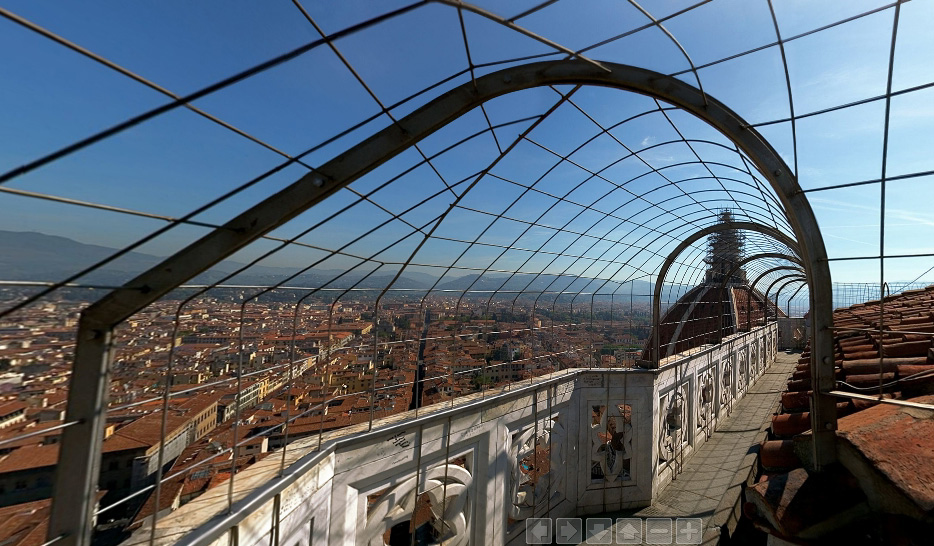
posted by _dario at 9:48 AM on June 13, 2010 [1 favorite]
dobbs : Do you have a cite for this? If you don't, I call complete "talking out your ass".
Stevil already said it (though meant it as a contrast rather than in support of my statement); I don't consider describing the single most rational course of action as "talking out [my] ass".
I think part of the problem with this discussion comes from hypothetical motivations. Everyone seems to assume some underlying mental illness, which I find strange. Why do people insist that someone can't rationally chose to end their lives? Yes, I know the law technically takes that stance, but I have no problem imagining situations where suicide counts as the best option available.
The postcard didn't say, "This summer I plan to kill myself," it said, "This summer I plan to jump off the Golden Gate Bridge."
Well then, if we want to get pedantic, perhaps he just plans to go for a swim. :/
posted by pla at 9:55 AM on June 13, 2010
Stevil already said it (though meant it as a contrast rather than in support of my statement); I don't consider describing the single most rational course of action as "talking out [my] ass".
I think part of the problem with this discussion comes from hypothetical motivations. Everyone seems to assume some underlying mental illness, which I find strange. Why do people insist that someone can't rationally chose to end their lives? Yes, I know the law technically takes that stance, but I have no problem imagining situations where suicide counts as the best option available.
The postcard didn't say, "This summer I plan to kill myself," it said, "This summer I plan to jump off the Golden Gate Bridge."
Well then, if we want to get pedantic, perhaps he just plans to go for a swim. :/
posted by pla at 9:55 AM on June 13, 2010
This American Life has an episode called The Bridge, whose first act is about a bridge in China famous for suicides and a man who devotes all of his free time trying to prevent suicides. It's worth a listen.
posted by electroboy at 9:57 AM on June 13, 2010 [4 favorites]
posted by electroboy at 9:57 AM on June 13, 2010 [4 favorites]
Everyone seems to assume some underlying mental illness... I have no problem imagining situations where suicide counts as the best option available.
That ignores the mountains of research and evidence to the contrary.
I am also a person who thinks that you should have the legal right to end your own life. However, looking at Dr. Seiden's study and the World Health Organization's work on the subject, which it calls "a serious global public health problem," which states that "Research has shown that more than 90% of people who commit suicide had depression or another diagnosable mental or substance abuse disorder " [cite] the data seems to show that, for most people, the desire for suicide is a temporary symptom of a larger, treatable problem. Whether it is that in every case is open for debate, but most health care professionals worldwide seem to think that is the case in the vast majority of situations.
posted by jessamyn at 10:02 AM on June 13, 2010 [5 favorites]
That ignores the mountains of research and evidence to the contrary.
I am also a person who thinks that you should have the legal right to end your own life. However, looking at Dr. Seiden's study and the World Health Organization's work on the subject, which it calls "a serious global public health problem," which states that "Research has shown that more than 90% of people who commit suicide had depression or another diagnosable mental or substance abuse disorder " [cite] the data seems to show that, for most people, the desire for suicide is a temporary symptom of a larger, treatable problem. Whether it is that in every case is open for debate, but most health care professionals worldwide seem to think that is the case in the vast majority of situations.
posted by jessamyn at 10:02 AM on June 13, 2010 [5 favorites]
pla, you're changing the subject.
You said that, and I quote, "preventing access to one method doesn't 'save' anyone, it just shifts the bodies elsewhere." Yet the research shows this isn't true. If you make it harder to commit suicide in easy and dramatic ways, you don't actually "just shift the bodies elsewhere." A lot of the people who would try jumping off a bridge wouldn't try suicide any other way.
Read the New Yorker article. It turns out your view is commonly held but also incorrect.
posted by argybarg at 10:07 AM on June 13, 2010 [2 favorites]
You said that, and I quote, "preventing access to one method doesn't 'save' anyone, it just shifts the bodies elsewhere." Yet the research shows this isn't true. If you make it harder to commit suicide in easy and dramatic ways, you don't actually "just shift the bodies elsewhere." A lot of the people who would try jumping off a bridge wouldn't try suicide any other way.
Read the New Yorker article. It turns out your view is commonly held but also incorrect.
posted by argybarg at 10:07 AM on June 13, 2010 [2 favorites]
I don't consider describing the single most rational course of action as "talking out [my] ass".
Er, single-most rationality is not really the most relevant concept in discussions of suicide. Anyway, I'll second electroboy's link. Listening to the first part of that episode was one of the handful of times in my life I've ever started to cry in a car.
posted by mediareport at 10:09 AM on June 13, 2010
Er, single-most rationality is not really the most relevant concept in discussions of suicide. Anyway, I'll second electroboy's link. Listening to the first part of that episode was one of the handful of times in my life I've ever started to cry in a car.
posted by mediareport at 10:09 AM on June 13, 2010
I am reminded of a recent This American Life segment about suicide and a Radiolab bit ("4 Seconds Down") that discusses a man's attempt to kill himself. Interestingly, AFAIR, neither of these "links" to how people who feel similarly can get help.
And this story of a teen's suicide, its effects on his family, and how nobody saw it coming in October 2009 is in my local paper. Again, sadly, no additional information for those who are in need of help.
I've kept up with PostSecret for a few years and seen Frank Warren speak. He's doing something right.
(On preview, I see somebody else posted the TAL link, ah well.)
posted by knile at 10:10 AM on June 13, 2010 [1 favorite]
And this story of a teen's suicide, its effects on his family, and how nobody saw it coming in October 2009 is in my local paper. Again, sadly, no additional information for those who are in need of help.
I've kept up with PostSecret for a few years and seen Frank Warren speak. He's doing something right.
(On preview, I see somebody else posted the TAL link, ah well.)
posted by knile at 10:10 AM on June 13, 2010 [1 favorite]
There is a difference between saying, "If you stop a person from committing suicide, he will try again," versus, "If you build a net under one bridge, suicidal people will go someplace else."
posted by cribcage at 10:17 AM on June 13, 2010 [1 favorite]
posted by cribcage at 10:17 AM on June 13, 2010 [1 favorite]
One notion held for a long time was that many unhappy people migrated to California to look for a new chance, better luck, happier life, but, unable to find it there, had reached the end of the continent--there was no place left to flee to, and hence, jumped from the last spot available.
Now of course there is always Singapore, China, Korea et al. Globalization reveals that westward ho! might still be the way to go.
posted by Postroad at 10:20 AM on June 13, 2010
Now of course there is always Singapore, China, Korea et al. Globalization reveals that westward ho! might still be the way to go.
posted by Postroad at 10:20 AM on June 13, 2010
cribcage: There may be a difference. But I don't think either statement is true.
posted by argybarg at 10:20 AM on June 13, 2010
posted by argybarg at 10:20 AM on June 13, 2010
jessamyn : That ignores the mountains of research and evidence to the contrary.
I of course concede that as literally true - Several links already posted in this thread say as much. I do, however, question its validity, for one reason - Sample bias. Any data on the subject necessarily comes from people either seeking psychiatric care before the fact, or who failed in their attempt (and thus lacked either a serious level of motivation, or the clarity of mind to do it right).
Someone once told me a "fact", straight-faced and totally serious, in a similar discussion - That 97% (or similar arbitrarily-high-percentage) of jumpers regretted their decision right after they jump. Clearly such gems as that can only come from the Jeanne Dixon Bureau of Statistics. :)
Some people want us to talk them down, to find them before they bleed out, to have their stomach pumped before the pills dissolve. And some people just "git 'er done" without putting on a show. If you only ask the first group about their motivations and desires, it tells you little to nothing about the second group.
posted by pla at 10:23 AM on June 13, 2010
I of course concede that as literally true - Several links already posted in this thread say as much. I do, however, question its validity, for one reason - Sample bias. Any data on the subject necessarily comes from people either seeking psychiatric care before the fact, or who failed in their attempt (and thus lacked either a serious level of motivation, or the clarity of mind to do it right).
Someone once told me a "fact", straight-faced and totally serious, in a similar discussion - That 97% (or similar arbitrarily-high-percentage) of jumpers regretted their decision right after they jump. Clearly such gems as that can only come from the Jeanne Dixon Bureau of Statistics. :)
Some people want us to talk them down, to find them before they bleed out, to have their stomach pumped before the pills dissolve. And some people just "git 'er done" without putting on a show. If you only ask the first group about their motivations and desires, it tells you little to nothing about the second group.
posted by pla at 10:23 AM on June 13, 2010
I do, however, question its validity, for one reason - Sample bias.
I very badly do not want this to become a "pla versus everyone" thread when the subject of the thread is not your personal opinions about a topic you don't seem to understand very well. The WHO study includes research on attempted and successful suicide attempts which is where the 90% figure comes from. If you personally have a gut feeling that this is somehow wrong, that's your own business but it would be nice to not play this game with you in this thread. You are more than welcome to make a MeTa post about how you disagree with nearly all conventional research done on suicide and suicide prevention.
posted by jessamyn at 10:27 AM on June 13, 2010 [38 favorites]
I very badly do not want this to become a "pla versus everyone" thread when the subject of the thread is not your personal opinions about a topic you don't seem to understand very well. The WHO study includes research on attempted and successful suicide attempts which is where the 90% figure comes from. If you personally have a gut feeling that this is somehow wrong, that's your own business but it would be nice to not play this game with you in this thread. You are more than welcome to make a MeTa post about how you disagree with nearly all conventional research done on suicide and suicide prevention.
posted by jessamyn at 10:27 AM on June 13, 2010 [38 favorites]
"Dr. Seiden’s study, “Where Are They Now?,” published in 1978, followed up on five hundred and fifteen people who were prevented from attempting suicide at the bridge between 1937 and 1971. After, on average, more than twenty-six years, ninety-four per cent of the would-be suicides were either still alive or had died of natural causes.'"
I don't have a pony in this race one way or another but this doesn't say anything about people who never go to a bridge in the first place because it is known you can't jump from there any longer. It only says that people who are suicidal and get help stop being suicidal.
Considering the installation of nets is going to be ~50 million it would seem the best preventative would be to just close the bridge to pedestrians and operate a shuttle service 24X7. I can't imagine that costing more than a million a year and maintenance on a bus would be a lot cheaper than on the nets.
posted by Mitheral at 10:28 AM on June 13, 2010 [1 favorite]
I don't have a pony in this race one way or another but this doesn't say anything about people who never go to a bridge in the first place because it is known you can't jump from there any longer. It only says that people who are suicidal and get help stop being suicidal.
Considering the installation of nets is going to be ~50 million it would seem the best preventative would be to just close the bridge to pedestrians and operate a shuttle service 24X7. I can't imagine that costing more than a million a year and maintenance on a bus would be a lot cheaper than on the nets.
posted by Mitheral at 10:28 AM on June 13, 2010 [1 favorite]
One of the most memorable New Yorker articles I've ever read: "Jumpers," by Tad Friend...
desjardins link to The Bridge is definitely worth a look; it's a powerful documentary.
Previous related FPPs:
desjardins link to The Bridge is definitely worth a look; it's a powerful documentary.
Previous related FPPs:
"It's a surprise to me that this number is going up, and I don't think the public knows it."posted by ericb at 10:29 AM on June 13, 2010 [3 favorites]
International Orange.
Suicide is not painless.
The Golden Gate Bridge Suicide Documentary.
This is a pro-life movement we can all get behind.
Sorry, but on this one I'm kind of pro-choice, just like on that other issue. There are a lot of reasons people might kill themselves, and not all of them represent a reprehensible failure of society to intervene. That doesn't mean I want to put a sign on the bridge saying "Go Ahead and Jump Already!," but it does lead me to doubt somewhat too-sanctimonious pronouncements about all the good to be done with stop-the-madness flash mobs.
posted by fourcheesemac at 10:30 AM on June 13, 2010 [3 favorites]
Sorry, but on this one I'm kind of pro-choice, just like on that other issue. There are a lot of reasons people might kill themselves, and not all of them represent a reprehensible failure of society to intervene. That doesn't mean I want to put a sign on the bridge saying "Go Ahead and Jump Already!," but it does lead me to doubt somewhat too-sanctimonious pronouncements about all the good to be done with stop-the-madness flash mobs.
posted by fourcheesemac at 10:30 AM on June 13, 2010 [3 favorites]
An Inside Look at Who Jumps from the Golden Gate Bridge.
Marin County Coroner Ken Holmes' study of 10 years of suicide jumps from the Golden Gate Bridge (2008).
posted by ericb at 10:41 AM on June 13, 2010
Marin County Coroner Ken Holmes' study of 10 years of suicide jumps from the Golden Gate Bridge (2008).
posted by ericb at 10:41 AM on June 13, 2010
That postcard touched me, because like the writer I've always felt "illegal", even though in my case I am perfectly legal. It's just that I'm in this grey area in every country I have a connection to (Bangladesh citizen, Malaysian permanent residency, currently Australian residency) where I'm never quite local, have some sort of residency status that confuses people. no one quite knows what to do with me, a big deal is made about me being the "other".
And while it's great that people are making efforts to prevent more suicides, ultimately the root message of the card is "where do I belong?" For those of us who are Perpetual Foreigners, the question hurts a lot more than you may realise.
posted by divabat at 10:45 AM on June 13, 2010 [8 favorites]
And while it's great that people are making efforts to prevent more suicides, ultimately the root message of the card is "where do I belong?" For those of us who are Perpetual Foreigners, the question hurts a lot more than you may realise.
posted by divabat at 10:45 AM on June 13, 2010 [8 favorites]
“... In 2001, the CDC reported that a high number of moves in a single year is a significant predictor of suicide.posted by ericb at 10:49 AM on June 13, 2010 [4 favorites]
Why highly mobile individuals are at greater risk for suicide is not fully understood. Moving often may be a marker for hard-to-quantify characteristics, such as financial difficulties. Certainly, frequent moves disrupt social networks, including ‘kin support,’ in times of crisis.
Another of Durkheim's convictions -- that mental illness was not the sole explanation for most suicides -- was echoed by the CDC study.
Although suicide attempts often involve chronic mental health problems such as depression, the CDC researchers noted that what they called ‘impulsive suicide attempts’ were immediately preceded by some kind of conflict. Such impulsive suicide attempts, then, don't necessarily derive from an overwhelming desire to die.
Dr. David Brent, academic chief of child and adolescent psychiatry at the University of Pittsburgh School of Medicine, where he holds an endowed chair in suicide studies, also cites impulsivity. ‘Man was a hunted animal, so it made sense to have some ability to act quickly,’ Brent says.
A tendency to act on aggressive urges -- without considering the consequences -- was an aid to survival. But a tendency toward impulsivity can increase the possibility of suicide -- particularly, Brent notes, ‘impulsivity in someone who is depressed and has available means.’
Many suicide attempts from the Golden Gate Bridge are made by impulsive people, experts say; the bridge itself represents free access to lethal means.
Is suicide preventable?
This question is central in the debate over whether to put a suicide barrier on the Golden Gate Bridge.
If we believe that those thwarted by a bridge barrier will simply find another way to end their lives, it follows that suicide cannot be prevented. And if we believe that nothing can be done to stop it, then we need not act.
In the late 1970s, two scientific studies concluded that survivors of suicide attempts from the Golden Gate Bridge do not ‘just go someplace else.’
Dr. David Rosen, then of UCSF's department of psychiatry and Langley Porter Psychiatric Institute, spent 2 1/2 years researching ‘Suicide Survivors,’ an in-depth study of six people who survived jumping from the bridge. The study was published in 1975.
Almost unanimously, the survivors said that their ‘will to live had taken over’ after they survived the jump. ‘I was refilled with a new hope and purpose in being alive,’ said one. ‘Surviving reconfirmed my belief and purpose in my life,’ said another. Only one person in the study made a subsequent suicide attempt.
In 1978, Dr. Richard Seiden of UC Berkeley published ‘Where Are They Now?,’ a study of 515 people who, from 1937 to 1971, were prevented from jumping from the bridge. He found that only 6 percent went on to kill themselves -- suggesting that many bridge suicides are impulsive.
‘When a person is unable to kill himself in a particular way, it may be enough to tip the vital balance from death to life in a situation already characterized by strong ambivalence,’ Seiden wrote.
‘The hypothesis -- that Golden Gate Bridge attempters will 'just go someplace else' -- is clearly unsupported by the data. Instead, findings confirm previous observations that suicidal behavior is crisis-oriented and acute in nature.
‘Accordingly,’ he concluded, ‘the justification for prevention and intervention such as building a suicide prevention barrier is warranted. And the prognosis for suicide attempters is, on balance, relatively hopeful.’
In the face of the results of these studies and others, why does the rationale for inaction persist?
‘Suicide may seem so out of keeping with most people's attitude toward life that they may feel that someone who considers suicide cannot be dissuaded,’ suggests Brent.
Also, Western culture emphasizes rationality. ‘We assume that suicide is rational, but suicide is not rational,’ says Dr. Anne Fleming, a professor of psychiatry at UCSF.
‘Some people are more likely to develop mental illness, but the capacity is in all of us. It could be anyone -- and that's terrifying. So it's reassuring to believe that these people are different from you and me. To protect ourselves, we distance ourselves from 'those people,' ‘ says Fleming, who is also a member of the Psychiatric Foundation of Northern California, one of the groups lobbying for a barrier on the Golden Gate Bridge.
‘When we avoid human problems that are elusive or complex, irrational or subterranean, we close our hearts,’ says Sonoma therapist Richard A. Heckler, author of ‘Waking Up Alive,’ a book about survivors of suicide attempts.
‘When we become more distanced from aspects of other people's lives that we don't understand, we reject those parts of our own lives as well.’” ... *
I've never really believed in PostSecret. The postcards all tend to look too much alike; I guess I kind of assumed that the founder made most of them. That seems to have been disproved but then I thought maybe just a few people were making hundreds of them. I kind of still think this is true. There's just not enough stylistic variation in those postcards and I have a lot of trouble envisioning thousands and thousands of people all of whom are sort of angst ridden, vaguely artistic and willing to sit down for an afternoon with a pile of magazines and an exacto knife. This postcard in particular struck me as a rather over the top immigration rights message. Certainly, it's wonderful that people are getting together to try and stop him or her from jumping and that kind of activity is, yes, to be encouraged, but, well, does the author even exist?
posted by mygothlaundry at 11:00 AM on June 13, 2010 [11 favorites]
posted by mygothlaundry at 11:00 AM on June 13, 2010 [11 favorites]
Perfectly said, mygothlaundry.
posted by interrobang at 11:39 AM on June 13, 2010
posted by interrobang at 11:39 AM on June 13, 2010
Well, if I (hyper-rational, capable, and argumentative git that I am) decided to commit suicide, there would be no stopping me! I would be the Thomas Edison of self-annihilation, trying method after method until finally snuffing myself out with a bowl of gruel.
Q.E.D., deterrents are useless.
posted by benzenedream at 11:43 AM on June 13, 2010 [4 favorites]
Q.E.D., deterrents are useless.
posted by benzenedream at 11:43 AM on June 13, 2010 [4 favorites]
yeloson's really good comment at the top reminded me of this chilling Washington Post article on train suicides: 'You Just Turn Your Head and Wait'.
I'm really not gonna wade into the rest of this, because I don't want to spend the rest of the day upset.
posted by The Bridge on the River Kai Ryssdal at 11:51 AM on June 13, 2010
I'm really not gonna wade into the rest of this, because I don't want to spend the rest of the day upset.
posted by The Bridge on the River Kai Ryssdal at 11:51 AM on June 13, 2010
I strongly recommend The Bridge to anyone reading this thread who hasn't watched it already.
posted by subbes at 11:54 AM on June 13, 2010
posted by subbes at 11:54 AM on June 13, 2010
* As I assume that the vast majority are on these sites -- I always thought they were mini art projects, not genuine confessions.
This.
But I will say this. Even if the postcard is fake, even if it is an artistic gesture it still brings attention to an issue that many people face every day. Genuine or not, the consequences of this action have been beneficial.
posted by Fizz at 11:55 AM on June 13, 2010 [1 favorite]
This.
But I will say this. Even if the postcard is fake, even if it is an artistic gesture it still brings attention to an issue that many people face every day. Genuine or not, the consequences of this action have been beneficial.
posted by Fizz at 11:55 AM on June 13, 2010 [1 favorite]

There's just not enough stylistic variation in those postcards and I have a lot of trouble envisioning thousands and thousands of people all of whom are sort of angst ridden, vaguely artistic and willing to sit down for an afternoon with a pile of magazines and an exacto knife.
Apparently you've never known any hipster/indie 17-year-olds.
posted by Solon and Thanks at 12:04 PM on June 13, 2010 [2 favorites]
Apparently you've never known any hipster/indie 17-year-olds.
posted by Solon and Thanks at 12:04 PM on June 13, 2010 [2 favorites]
There's just not enough stylistic variation in those postcards and I have a lot of trouble envisioning thousands and thousands of people all of whom are sort of angst ridden, vaguely artistic and willing to sit down for an afternoon with a pile of magazines and an exacto knife.
I used to live in a house that would host arts and crafts events for fellow college students, and one that we hosted a few times (weirdly, in my opinion) was "PostSecret making!" So, at least some of them over the years have been from a handful of sort of angst-ridden, vaguely artistic people willing to sit down for an afternoon with a pile of magazines and an exacto knife. I'm sure that there have been plenty of genuine, heartfelt secrets sent in, but there are definitely people who mass-produce these for fun/emo hipster cred-- with the same artistic style, as you point out.
posted by oinopaponton at 12:08 PM on June 13, 2010 [1 favorite]
I used to live in a house that would host arts and crafts events for fellow college students, and one that we hosted a few times (weirdly, in my opinion) was "PostSecret making!" So, at least some of them over the years have been from a handful of sort of angst-ridden, vaguely artistic people willing to sit down for an afternoon with a pile of magazines and an exacto knife. I'm sure that there have been plenty of genuine, heartfelt secrets sent in, but there are definitely people who mass-produce these for fun/emo hipster cred-- with the same artistic style, as you point out.
posted by oinopaponton at 12:08 PM on June 13, 2010 [1 favorite]
lol.
posted by UbuRoivas at 2:55 PM
Indeed; I didn't think Frank O'Connor contributed to PostSecret.
posted by subbes at 12:22 PM on June 13, 2010
posted by UbuRoivas at 2:55 PM
Indeed; I didn't think Frank O'Connor contributed to PostSecret.
posted by subbes at 12:22 PM on June 13, 2010
I'm no fan of PostSecret, believe me, but the visual similarity doesn't necessarily point to a hoax. After all, the site has just one curator, so naturally his tastes are reflected in what gets picked for the site. After a while, viewers of the site see what kind of stuff gets picked and sub-consciously try to ape it. Before long the visual style isn't just the curator's taste or the audience's imitation but an established genre with its own associated codes and conventions.
And this genre has spread outside of PostSecret itself. Half of Tumblr is made up of twee blogs that catalog PostSecret-style typographic art. (MeFi's own Phire has written a good background piece about the movement on her blog.)
posted by Ian A.T. at 12:30 PM on June 13, 2010 [7 favorites]
And this genre has spread outside of PostSecret itself. Half of Tumblr is made up of twee blogs that catalog PostSecret-style typographic art. (MeFi's own Phire has written a good background piece about the movement on her blog.)
posted by Ian A.T. at 12:30 PM on June 13, 2010 [7 favorites]
There's just not enough stylistic variation in those postcards and I have a lot of trouble envisioning thousands and thousands of people all of whom are sort of angst ridden, vaguely artistic and willing to sit down for an afternoon with a pile of magazines and an exacto knife.
Have you met any teenagers?
To be more serious (though honestly, teenagers, look into it), hundreds of people who have submitted postcards have come forward at Frank's talks, on the message boards, and elsewhere. There's even an interview out there (I can't find it; I hope someone will have better luck) with the guy's postal carrier.
As for the cards being stylistically similar, the FAQ says that all of the secrets must be 4"x6", and that the entirety of the secret and any images must be on the same side of the card. Anyone who has read the blog for any period of time who wants to send in a secret will already have a sense of what other PS cards look like in their head when they create a card. If you go back to the first two books, you can see that they didn't look much alike at all until the website and books became popular. This kind of thing develops as it goes along.
I always thought they were mini art projects, not genuine confessions.
They can't be both?
posted by tzikeh at 12:38 PM on June 13, 2010 [8 favorites]
Have you met any teenagers?
To be more serious (though honestly, teenagers, look into it), hundreds of people who have submitted postcards have come forward at Frank's talks, on the message boards, and elsewhere. There's even an interview out there (I can't find it; I hope someone will have better luck) with the guy's postal carrier.
As for the cards being stylistically similar, the FAQ says that all of the secrets must be 4"x6", and that the entirety of the secret and any images must be on the same side of the card. Anyone who has read the blog for any period of time who wants to send in a secret will already have a sense of what other PS cards look like in their head when they create a card. If you go back to the first two books, you can see that they didn't look much alike at all until the website and books became popular. This kind of thing develops as it goes along.
I always thought they were mini art projects, not genuine confessions.
They can't be both?
posted by tzikeh at 12:38 PM on June 13, 2010 [8 favorites]
but there are definitely people who mass-produce these for fun/emo hipster cred--
I don't understand; does the fact that they got together to do it while in a group, sharing art supplies and having a good time, preclude the secrets from being real?
Are All 500,000 Secrets True?
posted by tzikeh at 12:40 PM on June 13, 2010
I don't understand; does the fact that they got together to do it while in a group, sharing art supplies and having a good time, preclude the secrets from being real?
Are All 500,000 Secrets True?
posted by tzikeh at 12:40 PM on June 13, 2010
There's just not enough stylistic variation in those postcards and I have a lot of trouble envisioning thousands and thousands of people all of whom are sort of angst ridden, vaguely artistic and willing to sit down for an afternoon with a pile of magazines and an exacto knife.
I think that once people start looking at PostSecret cards and think they might want to submit one of their own, many of them are influenced by the examples they've already viewed. If there were none posted online and he was calling for submissions and then suddenly revealed a zillion of them at once, there might be more variety. But as it is, people see what is already posted, then formulate their own submission, and whether consciously or not, end up falling into predetermined patterns.
People, generally, aren't that original or creative. Especially when it comes to things which have a format like the PostSecret cards.
posted by hippybear at 12:52 PM on June 13, 2010
I think that once people start looking at PostSecret cards and think they might want to submit one of their own, many of them are influenced by the examples they've already viewed. If there were none posted online and he was calling for submissions and then suddenly revealed a zillion of them at once, there might be more variety. But as it is, people see what is already posted, then formulate their own submission, and whether consciously or not, end up falling into predetermined patterns.
People, generally, aren't that original or creative. Especially when it comes to things which have a format like the PostSecret cards.
posted by hippybear at 12:52 PM on June 13, 2010
nthing the many recommendations to check out desjardin's link to The Bridge on Hulu. It's a deeply affecting documentary -- maybe I find it to be that way because I've struggled with suicidal urges over the years, or because I've lost friends and family to suicide. I'd like to watch The Bridge again now but I've been going through my own rough patch as well as dealing with a relative's recent attempt to take his own life, and the havoc it's wrought on my family, and right now my media diet is strictly pictures of happy babies, adorable animals, and old episodes of The Golden Girls.
I guess I can understand people being skeptical of the "truthiness" of this PostSecret card, or the wisdom of protective barriers on structures people tend to like to jump from. There's been a long struggle in Seattle to get a suicide barrier on the Aurora Bridge, and if it's a cost issue I guess I can understand the questioning of it... but if it's the "ruining" of the view that makes people balk, I don't get it, because how much of the view do you currently enjoy while you're driving across the bridge at 45MPH? As for whether or not the PostSecret card was genuine or just someone's art project, who cares? If it got one person who was going to kill themselves to stop for a second and think about what they're doing, and maybe talk to someone else and get help, then it's served its purpose.
posted by palomar at 1:28 PM on June 13, 2010 [3 favorites]
I guess I can understand people being skeptical of the "truthiness" of this PostSecret card, or the wisdom of protective barriers on structures people tend to like to jump from. There's been a long struggle in Seattle to get a suicide barrier on the Aurora Bridge, and if it's a cost issue I guess I can understand the questioning of it... but if it's the "ruining" of the view that makes people balk, I don't get it, because how much of the view do you currently enjoy while you're driving across the bridge at 45MPH? As for whether or not the PostSecret card was genuine or just someone's art project, who cares? If it got one person who was going to kill themselves to stop for a second and think about what they're doing, and maybe talk to someone else and get help, then it's served its purpose.
posted by palomar at 1:28 PM on June 13, 2010 [3 favorites]
In the late 1970s, two scientific studies concluded that survivors of suicide attempts from the Golden Gate Bridge do not ‘just go someplace else.’ ... ‘The hypothesis -- that Golden Gate Bridge attempters will 'just go someplace else' -- is clearly unsupported by the data.
Emphasis added. Maybe I'm misunderstanding the data that's been cited here, but it sounds to me that Pla and others (including Jessamyn) are arguing across each other.
There are presumably two purposes to erecting a net beneath the Golden Gate Bridge: to catch jumpers, and to dissuade people from jumping. Data supports the first: Suicide is often impulsive, and people whose attempts are unsuccessful can receive treatment for underlying conditions. It is therefore unsurprising that only 6% of those people go on to kill themselves (i.e., make a second attempt).
If I understand Pla, he objects to the second purpose (to dissuade people from jumping). His point is that people experiencing the present impulse to jump will not drive to the Golden Gate and jump into the net, but will instead drive to some other building or bridge and die. Dr. Seiden's study of suicide attempters who were "prevented" from killing themselves doesn't really speak to this point, nor does a WHO report saying that the desire for suicide is "temporary." It may be only a temporary symptom of a condition that can be treated, but if people presently suffering from that symptom know there's a net under the Golden Gate and so go somewhere else instead, then dissuasion is unsuccessful. Is there data disproving that argument?
posted by cribcage at 1:30 PM on June 13, 2010
Emphasis added. Maybe I'm misunderstanding the data that's been cited here, but it sounds to me that Pla and others (including Jessamyn) are arguing across each other.
There are presumably two purposes to erecting a net beneath the Golden Gate Bridge: to catch jumpers, and to dissuade people from jumping. Data supports the first: Suicide is often impulsive, and people whose attempts are unsuccessful can receive treatment for underlying conditions. It is therefore unsurprising that only 6% of those people go on to kill themselves (i.e., make a second attempt).
If I understand Pla, he objects to the second purpose (to dissuade people from jumping). His point is that people experiencing the present impulse to jump will not drive to the Golden Gate and jump into the net, but will instead drive to some other building or bridge and die. Dr. Seiden's study of suicide attempters who were "prevented" from killing themselves doesn't really speak to this point, nor does a WHO report saying that the desire for suicide is "temporary." It may be only a temporary symptom of a condition that can be treated, but if people presently suffering from that symptom know there's a net under the Golden Gate and so go somewhere else instead, then dissuasion is unsuccessful. Is there data disproving that argument?
posted by cribcage at 1:30 PM on June 13, 2010
There are presumably two purposes to erecting a net beneath the Golden Gate Bridge
Why do they not do a similar thing on the Empire State Building?
A couple who were staying in my little brownstone hotel in Chelsea were up top of the Empire State when this guy jumped. It was quite amazing to hear how easy it was for him to get past the security barrier, and what little could be done to prevent him from jumping.
posted by UbuRoivas at 1:54 PM on June 13, 2010
Why do they not do a similar thing on the Empire State Building?
A couple who were staying in my little brownstone hotel in Chelsea were up top of the Empire State when this guy jumped. It was quite amazing to hear how easy it was for him to get past the security barrier, and what little could be done to prevent him from jumping.
posted by UbuRoivas at 1:54 PM on June 13, 2010
Ah, I see what you mean. It seems like most of the research seems to be done on restrictiing the means for people to commit suicide w/r/t firearms and that sort of thing and not the attractive high-profile method that jumping off a popular bridge would bring you.
posted by jessamyn at 1:54 PM on June 13, 2010
Others areas of primary prevention that have been presented in the literature as important issues for advocacy by primary care professionals are the re- striction of the means of suicide (especially firearms) within the community and the responsible reporting of suicide events in the media (Low and Andrews 1990). Several experts have cited that a restriction of the access to the means of suicide could significantly reduce youth suicide... Despite this assertion no studies have actually evaluated the effect of the introduction of restrictions on the access to means of self-harm on actual suicide rates (Beautrais 1998). Several cross sectional or ecological studies have compared differences in suicide rates with regard to geographical or historical changes in the access to the means of suicide.This is from Youth suicide prevention by primary healthcare professionals [pdf] which is a pretty serious literature review, cited in the WHO study. They go on to mention
The findings from these studies have presented conflicting results, with some suggesting that areas that have tighter restrictions on the access to means of suicide have reduced suicide rates e.g. Marzuk et al. (1992), Kellerman et al. (1992). Other studies have found that there have been no differences in suicide rates between areas with differing access to particular means of suicide, because alternative methods of suicide have increased to offset any potential benefits from the restriction (Rich et al. 1990).
In addition, other restrictions on alternative methods of suicide would also seem appropriate to prevent any substitution of the means of suicide (Australian Institute for Suicide Research and Prevention 1996). For exam- ple, access to known suicide spots should be prohib- ited in existing tall structures or planners should in- corporate adequate barriers in designs for new high buildingsI think people do make the argument that if you remove the low-hanging fruit from the equation, that yes, fewer people will go through the trouble to make an attempt that is more complicated, but it seems like there's conflicting research.
posted by jessamyn at 1:54 PM on June 13, 2010
We put safety netting on a XIV century belltower. It's ugly. Who cares? It should really be a no-brainer.
Many things are no-brainers when presented as false dichotomies. This is actually much tougher for me for a couple of reasons. Aesthetics bring beauty into the world, which increases the quality of life across a huge amount of the population. When we mar that beauty, we do harm to quality of life. It's not quantifiable harm, but I believe it's there.
Secondly, as was noted above, suicidal tendencies come across often (I don't have hard data but I'd be willing to bet that this is the most common recurring factor) as a result of a lack of interpersonal interactions.
So my question isn't "why do we need to stop jumpers." As much as I believe in freedom of choice and the right to die, others are harmed by your choice to do so. In the case of euthanasia, those people are brought into the decision-making process. In the case of jumpers, they are not. And so I see the "choice" as much like a choice to drive drunk - you're not in your best mind and you're not only risking yourself.
My question, why do we respond to a problem with a root cause likely being in the lack of other people to help, and choose to solve it with a net, or an ugly cage? Why does the problem need to be solved in this way? Why can't we instead staff educated and devoted people (of whom there are a hell of a lot on the unemployment rolls right now) to monitor the bridge and stop any jumpers? There may be a good reason - I simply don't know.
And if the problem can only be solved with the net or the cage - why make it ugly? These questions are not either-or. They can be better solved with more creativity and with the recognition that the best solution to someone's darkest troubles might be human and not architectural.
posted by Navelgazer at 3:39 PM on June 13, 2010 [2 favorites]
Many things are no-brainers when presented as false dichotomies. This is actually much tougher for me for a couple of reasons. Aesthetics bring beauty into the world, which increases the quality of life across a huge amount of the population. When we mar that beauty, we do harm to quality of life. It's not quantifiable harm, but I believe it's there.
Secondly, as was noted above, suicidal tendencies come across often (I don't have hard data but I'd be willing to bet that this is the most common recurring factor) as a result of a lack of interpersonal interactions.
So my question isn't "why do we need to stop jumpers." As much as I believe in freedom of choice and the right to die, others are harmed by your choice to do so. In the case of euthanasia, those people are brought into the decision-making process. In the case of jumpers, they are not. And so I see the "choice" as much like a choice to drive drunk - you're not in your best mind and you're not only risking yourself.
My question, why do we respond to a problem with a root cause likely being in the lack of other people to help, and choose to solve it with a net, or an ugly cage? Why does the problem need to be solved in this way? Why can't we instead staff educated and devoted people (of whom there are a hell of a lot on the unemployment rolls right now) to monitor the bridge and stop any jumpers? There may be a good reason - I simply don't know.
And if the problem can only be solved with the net or the cage - why make it ugly? These questions are not either-or. They can be better solved with more creativity and with the recognition that the best solution to someone's darkest troubles might be human and not architectural.
posted by Navelgazer at 3:39 PM on June 13, 2010 [2 favorites]
I wonder how many people the Golden Gate bridge has saved? It's quite a fall and significant will power would be required to climb over the railing and step off.
It certainly must give cause for pause. More than say swallowing a bunch of pills at home.
Also - there are a lot of people on the bridge during the day (closed to pedestrian traffic at night) - documentaries cover cases where people were talked off the edge. Perhaps putting up nets will drive more people to die at home quietly without the opportunity to face mortality in the form of a long drop or have people talk them out of it. Going to the bridge to commit suicide is really a cry help.
The money on the net would be better spent on a therapist salary on call on the bridge.
Or - if people care so much - they could form a club to watch this point. For example - this site shows a picture of a guy who got talked out of jumping. Then it argues for the net. The bridge saved his life. What if he'd just opted for a gun in the mouth at home?
There really should be someone trained on the bridge - just to talk to people out there alone and looking - probably a lot more go out there thinking about it - looking over the edge - and walk away. I bet the Bridge - as it is without the net - has saved more lives than most any suicide hotline. Don't believe me? Take a walk out there and look over that edge! It is really scary high.
posted by astrobiophysican at 5:08 PM on June 13, 2010 [1 favorite]
It certainly must give cause for pause. More than say swallowing a bunch of pills at home.
Also - there are a lot of people on the bridge during the day (closed to pedestrian traffic at night) - documentaries cover cases where people were talked off the edge. Perhaps putting up nets will drive more people to die at home quietly without the opportunity to face mortality in the form of a long drop or have people talk them out of it. Going to the bridge to commit suicide is really a cry help.
The money on the net would be better spent on a therapist salary on call on the bridge.
Or - if people care so much - they could form a club to watch this point. For example - this site shows a picture of a guy who got talked out of jumping. Then it argues for the net. The bridge saved his life. What if he'd just opted for a gun in the mouth at home?
There really should be someone trained on the bridge - just to talk to people out there alone and looking - probably a lot more go out there thinking about it - looking over the edge - and walk away. I bet the Bridge - as it is without the net - has saved more lives than most any suicide hotline. Don't believe me? Take a walk out there and look over that edge! It is really scary high.
posted by astrobiophysican at 5:08 PM on June 13, 2010 [1 favorite]
if people care so much - they could form a club to watch this point.
astrobiophysican, you'll like the episode of This American Life electroboy linked above. It's about a guy in China who does just that.
posted by mediareport at 5:48 PM on June 13, 2010
astrobiophysican, you'll like the episode of This American Life electroboy linked above. It's about a guy in China who does just that.
posted by mediareport at 5:48 PM on June 13, 2010
You have to climb a nine foot barrier there, then you would "only" fall about 15 stories to a lower landing
Guy fell 86 floors, according to the article.
"One person tried to talk him down, but moments later, he crashed down onto W. 34th St"
Even if you didn't land on top of some stranger on the pavement, you'd probably have a good chance of injuring or killing somebody with your shrapnel.
posted by UbuRoivas at 5:55 PM on June 13, 2010
Guy fell 86 floors, according to the article.
"One person tried to talk him down, but moments later, he crashed down onto W. 34th St"
Even if you didn't land on top of some stranger on the pavement, you'd probably have a good chance of injuring or killing somebody with your shrapnel.
posted by UbuRoivas at 5:55 PM on June 13, 2010
As disturbing as this is, I used to work across the street from the Empire State Building, and was occasionally surprised that more people didn't jump from there. The closest I saw was the guy who tried to BASE jump from it and got stopped by the authorities.
That said, on the ground, the other New Yorkers watching were shockingly cold about the situation.
posted by Navelgazer at 6:04 PM on June 13, 2010
That said, on the ground, the other New Yorkers watching were shockingly cold about the situation.
posted by Navelgazer at 6:04 PM on June 13, 2010
Spectacular image -- The Most Beautiful Suicide (Empire State Building from Life magazine 1947).
posted by dancestoblue at 6:10 PM on June 13, 2010 [1 favorite]
posted by dancestoblue at 6:10 PM on June 13, 2010 [1 favorite]
Golden Gate Jumpers by Cold War Kids
Thick fog rolls in waves
On the Golden Gate
I was checking my watch
With 7 minutes in my shift
When I spot a black skirt on the rail
Straddling the bar like it's a quater a ride
She's scared to jump but terrified to stay
Walk to her slow extend my hand with a smile and say
"Ma'am how was your day?
Keep your eyes on my face
I want to help you
if you'll let me"
She's stratled, I look forward
Wrap my arms 'round her legs
Pull her down to the sidewalk
We're both heaving for air and I say
"Ma'am how was your day?
Keep your eyes on my face
I want to help you
if you'll let me"
Most folks think they'll hit the surface
And never feel no pain
Water pulls you under
Back to the womb once again
Bodies float to the shore
Bloated purple and blue
If sharks won't get you first
Crabs will have their way with you
posted by Bohemia Mountain at 6:26 PM on June 13, 2010
Thick fog rolls in waves
On the Golden Gate
I was checking my watch
With 7 minutes in my shift
When I spot a black skirt on the rail
Straddling the bar like it's a quater a ride
She's scared to jump but terrified to stay
Walk to her slow extend my hand with a smile and say
"Ma'am how was your day?
Keep your eyes on my face
I want to help you
if you'll let me"
She's stratled, I look forward
Wrap my arms 'round her legs
Pull her down to the sidewalk
We're both heaving for air and I say
"Ma'am how was your day?
Keep your eyes on my face
I want to help you
if you'll let me"
Most folks think they'll hit the surface
And never feel no pain
Water pulls you under
Back to the womb once again
Bodies float to the shore
Bloated purple and blue
If sharks won't get you first
Crabs will have their way with you
posted by Bohemia Mountain at 6:26 PM on June 13, 2010
I believe that many suicides are impulsive, and that many would-be suicides can be helped through a crisis.
Anecdata: me, four times.
So yeah.
posted by dirtynumbangelboy at 7:03 PM on June 13, 2010 [1 favorite]
Anecdata: me, four times.
So yeah.
posted by dirtynumbangelboy at 7:03 PM on June 13, 2010 [1 favorite]
Yeah, having battled depression all of my life, I've thought about suicide more times than I can count, but thankfully never attempted to act on it. My personal knowledge at least tells me that one isn't really in a state of great resolve in that moment. I remember when I was young hearing a story from a kid I wasn't really friends with, who said that he was preparing to kill himself when he got a phone call from some people inviting him to go to Astroworld. And that stopped him. I knew those people who called him, and it was only because there was an extra seat in the car and one of their mothers insisted they let him in on the trip, but it was what worked.
The world truly is getting more and more alienating. Which is why I'm sort of not-surprised but still freaked out that people with concern for those in this situation think that a net is the solution. We need to be closer as a society, and think in those terms about this sort of thing.
posted by Navelgazer at 7:45 PM on June 13, 2010
The world truly is getting more and more alienating. Which is why I'm sort of not-surprised but still freaked out that people with concern for those in this situation think that a net is the solution. We need to be closer as a society, and think in those terms about this sort of thing.
posted by Navelgazer at 7:45 PM on June 13, 2010
Navelgazer, I don't think a net by itself is a solution. It needs to go hand in hand with a whole hell of a lot of other things. But I do think a net is helpful as fuck. Sorry if that freaks you out.
posted by palomar at 9:35 PM on June 13, 2010
posted by palomar at 9:35 PM on June 13, 2010
Why do people insist that someone can't rationally chose to end their lives?
Because people with depression aren't thinking rationally.
Look, I found myself sitting in a bath of hot water with a fresh scalpel blade to my arm and a little dark blood welling from around the first cut not that long ago. And I found myself thinking "what the fuck are you doing?". So let's back up a bit, and I'll explain.
I had a loving family; a good marriage, a loving daughter, parents that aren't that close, but I still knew they loved me, and I them. I had a house, a well-paid job. What more could a man want?
Well, I hated my job. I'd been doing it for years, and the stress of it was slowly killing me. But I didn't realise it. Without going into detail, what I did, and dealing with the outcome of it was more than I could bear. But I didn't realise it. I just plodded on, trying to deal with my feelings, bottling them up, trying to hide them from everyone. It wouldn't be professional, now would it?
The most insidious thing about depression is you don't realise you're depressed. It creeps up on you - and the worst thing is, it saps your ability to think and act rationally, so the very thing that would stop you being depressed is taken from you by your own mind. One way I described it at the time was being two men. The sensible, rational, logical 'real' me, and the emotionally overwrought man who I couldn't control and seemed to constantly be challenging me for control.
Remember, for a moment, the angriest you've ever been. Your hands twitch, wanting to punch something, your jaw clenches with the effort of not howling with rage. Now remember when you've hated someone - hated them so badly that if looks could kill, they'd be a pile of dust on the floor. Now remember when you've felt most apathetic; perhaps that bad bout of flu where you could barely crawl to the toilet and back, and all you wanted was for it all to end.
Now try to imagine feeling all of those, flying from one to the other - day, after day, after day. You have an emotional beast inside you, that you can't control and it gets harder every day just trying to hang onto what sanity you have left. Of course, you have good days. Ones where you sit and play with your kid, or just watch a good comedy. You laugh, a bit, you smile for your family. But those moments are thin, fleeting. It's almost like someone else is living them, and you're just a passenger inside your own head, along for the ride.
All that anger, and hate, and frustration, and loathing? Well, where does it go? In some cases, it gets turned outwards, and people get shot. In many cases, including mine, it went inwards. I was useless. A bit fat, doughy lump of useless human being. Worthless. A chunk of meat wasting oxygen. I was crap at my job, crap as a father, rubbish as a husband. Everything I did turned to shit. Nobody should love such a weak-willed, stupid, stupid man. Any day, I'd get fired. And then we'd lose the house, my wife would hate me, and my kid would end up living in the gutter. And it'd be all my fault. What's the point of any of this shit? Why the fuck am I here? What can I do? There's no way out, no-one would hire me even if I left. I'm screwed. I'm sooo screwed. And it's all my fault. Here I am, whinging and a better, stronger man would shake off this stupid state of mind and fix things!
I'm so worthless I can't even stop myself sitting in the car, crying because I'm too afraid to go into the office. They're going to fire me today. I just know it. And then everyone will know I'm the loser I really am. The sham will be over.
At least if I die, my family will be free. Free from me. And I'll be free from this. All of this. It'll be over, and done with. There's no way out. There's no way out. There's no way out. I don't want to die! It'll hurt. It'll hurt a lot. It already hurts, it hurts so bad, and there's nothing I can do to make it stop.
I've heard that the way to do it is across the upper arm. Cut the artery properly, none of this across the wrist business. And hot water, and booze, so you don't hesitate. Everybody hesitates, you know. It's a hard business killing yourself, that sense of self-preservation doesn't go away. The physical pain doesn't go away. I just want it to be quick. And then it'll be over.
Jesus, that hurt. I'm sitting in a bath of hot water with a scalpel to my arm, and that fucking hurt. What the fuck am I doing?
And that was when I got help. Depression is treatable. The hardest part, the absolute hardest part is realising that you need it, and accepting that you're *deserving* of help.
Fortunately, I came to that realisation when I could stop, and not when I'd already taken that last step off a building, and it was too late.
Anything that makes suicidal people pause, that makes them step back and think "what the fuck am I doing?" WILL save lives. Rationality has nothing to do with it. Depression destroys your ability to think rationally.
One in 6 people will suffer depression in their lives. Only one in four of those will seek treatment. Think about that the next time you complain that nets or fences on the top of tall buildings are ugly.
posted by MysteryMeat at 2:35 AM on June 14, 2010 [37 favorites]
Because people with depression aren't thinking rationally.
Look, I found myself sitting in a bath of hot water with a fresh scalpel blade to my arm and a little dark blood welling from around the first cut not that long ago. And I found myself thinking "what the fuck are you doing?". So let's back up a bit, and I'll explain.
I had a loving family; a good marriage, a loving daughter, parents that aren't that close, but I still knew they loved me, and I them. I had a house, a well-paid job. What more could a man want?
Well, I hated my job. I'd been doing it for years, and the stress of it was slowly killing me. But I didn't realise it. Without going into detail, what I did, and dealing with the outcome of it was more than I could bear. But I didn't realise it. I just plodded on, trying to deal with my feelings, bottling them up, trying to hide them from everyone. It wouldn't be professional, now would it?
The most insidious thing about depression is you don't realise you're depressed. It creeps up on you - and the worst thing is, it saps your ability to think and act rationally, so the very thing that would stop you being depressed is taken from you by your own mind. One way I described it at the time was being two men. The sensible, rational, logical 'real' me, and the emotionally overwrought man who I couldn't control and seemed to constantly be challenging me for control.
Remember, for a moment, the angriest you've ever been. Your hands twitch, wanting to punch something, your jaw clenches with the effort of not howling with rage. Now remember when you've hated someone - hated them so badly that if looks could kill, they'd be a pile of dust on the floor. Now remember when you've felt most apathetic; perhaps that bad bout of flu where you could barely crawl to the toilet and back, and all you wanted was for it all to end.
Now try to imagine feeling all of those, flying from one to the other - day, after day, after day. You have an emotional beast inside you, that you can't control and it gets harder every day just trying to hang onto what sanity you have left. Of course, you have good days. Ones where you sit and play with your kid, or just watch a good comedy. You laugh, a bit, you smile for your family. But those moments are thin, fleeting. It's almost like someone else is living them, and you're just a passenger inside your own head, along for the ride.
All that anger, and hate, and frustration, and loathing? Well, where does it go? In some cases, it gets turned outwards, and people get shot. In many cases, including mine, it went inwards. I was useless. A bit fat, doughy lump of useless human being. Worthless. A chunk of meat wasting oxygen. I was crap at my job, crap as a father, rubbish as a husband. Everything I did turned to shit. Nobody should love such a weak-willed, stupid, stupid man. Any day, I'd get fired. And then we'd lose the house, my wife would hate me, and my kid would end up living in the gutter. And it'd be all my fault. What's the point of any of this shit? Why the fuck am I here? What can I do? There's no way out, no-one would hire me even if I left. I'm screwed. I'm sooo screwed. And it's all my fault. Here I am, whinging and a better, stronger man would shake off this stupid state of mind and fix things!
I'm so worthless I can't even stop myself sitting in the car, crying because I'm too afraid to go into the office. They're going to fire me today. I just know it. And then everyone will know I'm the loser I really am. The sham will be over.
At least if I die, my family will be free. Free from me. And I'll be free from this. All of this. It'll be over, and done with. There's no way out. There's no way out. There's no way out. I don't want to die! It'll hurt. It'll hurt a lot. It already hurts, it hurts so bad, and there's nothing I can do to make it stop.
I've heard that the way to do it is across the upper arm. Cut the artery properly, none of this across the wrist business. And hot water, and booze, so you don't hesitate. Everybody hesitates, you know. It's a hard business killing yourself, that sense of self-preservation doesn't go away. The physical pain doesn't go away. I just want it to be quick. And then it'll be over.
Jesus, that hurt. I'm sitting in a bath of hot water with a scalpel to my arm, and that fucking hurt. What the fuck am I doing?
And that was when I got help. Depression is treatable. The hardest part, the absolute hardest part is realising that you need it, and accepting that you're *deserving* of help.
Fortunately, I came to that realisation when I could stop, and not when I'd already taken that last step off a building, and it was too late.
Anything that makes suicidal people pause, that makes them step back and think "what the fuck am I doing?" WILL save lives. Rationality has nothing to do with it. Depression destroys your ability to think rationally.
One in 6 people will suffer depression in their lives. Only one in four of those will seek treatment. Think about that the next time you complain that nets or fences on the top of tall buildings are ugly.
posted by MysteryMeat at 2:35 AM on June 14, 2010 [37 favorites]
Is there data disproving that argument?
cribcage, there is. For instance:
Safety barriers to prevent suicide by jumping were removed from Grafton Bridge in Auckland, New Zealand, in 1996 after having been in place for 60 years. The barriers were reinstalled in 2003. This study compared mortality data for suicide deaths for three time periods: 1991-1995 (old barrier in place); 1997-2002 (no barriers in place); 2003-2006 (new barriers in place). Removal of barriers was followed by a fivefold increase in the number and rate of suicides from the bridge. Since the reinstallation of barriers, there have been no suicides from the bridge. This natural experiment, using a powerful a-b-a (reversal) design, shows that safety barriers are effective in preventing suicide: their removal increases suicides; their reinstatement prevents suicides.
I pulled the quote from here which has a synopsis of other studies that have been done around the world. Generally speaking, the research shows if you erect a barrier people don't find new locations to jump from.
posted by squeak at 8:05 AM on June 14, 2010 [1 favorite]
cribcage, there is. For instance:
Safety barriers to prevent suicide by jumping were removed from Grafton Bridge in Auckland, New Zealand, in 1996 after having been in place for 60 years. The barriers were reinstalled in 2003. This study compared mortality data for suicide deaths for three time periods: 1991-1995 (old barrier in place); 1997-2002 (no barriers in place); 2003-2006 (new barriers in place). Removal of barriers was followed by a fivefold increase in the number and rate of suicides from the bridge. Since the reinstallation of barriers, there have been no suicides from the bridge. This natural experiment, using a powerful a-b-a (reversal) design, shows that safety barriers are effective in preventing suicide: their removal increases suicides; their reinstatement prevents suicides.
I pulled the quote from here which has a synopsis of other studies that have been done around the world. Generally speaking, the research shows if you erect a barrier people don't find new locations to jump from.
posted by squeak at 8:05 AM on June 14, 2010 [1 favorite]
Thanks, MysteryMeat.
posted by stevil at 8:14 AM on June 14, 2010 [1 favorite]
posted by stevil at 8:14 AM on June 14, 2010 [1 favorite]
Was going to make an FPP out of this, but I think it fits here quite nicely:
posted by zarq at 8:46 AM on June 14, 2010 [1 favorite]
"In those bleak moments when the lost souls stood atop the cliff, wondering whether to jump, the sound of the wind and the waves was broken by a soft voice. "Why don't you come and have a cup of tea?" the stranger would ask. And when they turned to him, his smile was often their salvation."
posted by zarq at 8:46 AM on June 14, 2010 [1 favorite]
Sometimes I wish I could go back and change things and if I could I'd have a way more anonymous account on Mefi. It's threads like these that make me regret that--it is very difficult to talk candidly about depression and counter common assumptions people who are not depressed have about it like in this thread. There's still a fear and stigma to coming out about it in some ways, at least for me. Anyway. I just wanted to say a million thanks to MysteryMeat for describing what it can be like. Really well said and, to me, very accurate.
What lots of people on the edge need, at least I think I did when I was younger, is to be reminded it's possible the way you're feeling isn't permanent. That's the weird shortsightedness people are alluding to that makes helping someone on the brink (like that amazing couple in zarq's link, and others mentioned above) in that very moment valid. It is very valid. Maybe not in all cases--I would never want to speak for someone else about this stuff--but definitely in some. I remember getting a letter in the hospital as a teen from my friend and she was like "You told me once 'sometimes, I just don't need to be there' and I understand that feeling, I swear I do. But. It goes away, I promise it goes away." Yeah.
Ok, and now I have to stop because this sort of thing opens a floodgate for me and I start crying and can't stop sooo.
But thanks again, MysteryMeat.
posted by ifjuly at 9:35 AM on June 14, 2010
What lots of people on the edge need, at least I think I did when I was younger, is to be reminded it's possible the way you're feeling isn't permanent. That's the weird shortsightedness people are alluding to that makes helping someone on the brink (like that amazing couple in zarq's link, and others mentioned above) in that very moment valid. It is very valid. Maybe not in all cases--I would never want to speak for someone else about this stuff--but definitely in some. I remember getting a letter in the hospital as a teen from my friend and she was like "You told me once 'sometimes, I just don't need to be there' and I understand that feeling, I swear I do. But. It goes away, I promise it goes away." Yeah.
Ok, and now I have to stop because this sort of thing opens a floodgate for me and I start crying and can't stop sooo.
But thanks again, MysteryMeat.
posted by ifjuly at 9:35 AM on June 14, 2010
Since the reinstallation of barriers, there have been no suicides from the bridge. This natural experiment, using a powerful a-b-a (reversal) design, shows that safety barriers are effective in preventing suicide: their removal increases suicides; their reinstatement prevents suicides.
emphasis added - the point is, do suicides in general go down? If the barrier just makes people go somewhere else to commit suicide, it is not reaching the problem, but just moving it around. If they actually affect the overall suicide rates, that is a different story. Obviously with a barrier there, the rates off the bridge will be reduced! But do less people kill themselves, or do they simply turn to an alternative method?
It's somewhat similar to the guns vs knives sort of question, I guess, except of course that with suicide there are so many methods available that making bridges unavailable for the purpose hardly seems to solve the problem. They can still use a weapon, a drug, a building, a car, an oven, a rope...
posted by mdn at 9:51 AM on June 14, 2010
emphasis added - the point is, do suicides in general go down? If the barrier just makes people go somewhere else to commit suicide, it is not reaching the problem, but just moving it around. If they actually affect the overall suicide rates, that is a different story. Obviously with a barrier there, the rates off the bridge will be reduced! But do less people kill themselves, or do they simply turn to an alternative method?
It's somewhat similar to the guns vs knives sort of question, I guess, except of course that with suicide there are so many methods available that making bridges unavailable for the purpose hardly seems to solve the problem. They can still use a weapon, a drug, a building, a car, an oven, a rope...
posted by mdn at 9:51 AM on June 14, 2010
the point is, do suicides in general go down?
A study in Britain found that when they switched from coke gas to natural gas in the 60's the number of suicides by that method dropped and, suicide by other methods didn't rise. The number of women who commit suicide in Britain every year has steadily continued to drop since then.
I'm not sure the problem will ever be completely eradicated because its always going to come down to means and availability, but I don't think that should stop us from trying.
posted by squeak at 10:40 AM on June 14, 2010
A study in Britain found that when they switched from coke gas to natural gas in the 60's the number of suicides by that method dropped and, suicide by other methods didn't rise. The number of women who commit suicide in Britain every year has steadily continued to drop since then.
I'm not sure the problem will ever be completely eradicated because its always going to come down to means and availability, but I don't think that should stop us from trying.
posted by squeak at 10:40 AM on June 14, 2010
A distant relative committed suicide recently by shooting himself. He was extremely drunk and possibly on drugs. He was not clinically depressed or otherwise mentally ill. The shooting was not premeditated whatsoever as far as his closest friends and relatives could tell. He'd gotten some really bad news the day before, and had gone over to a friend's house to drink. His friend had the gun. Everyone close to him him believes that if he'd just gone home, if the gun had not been there, he would not have shot himself. He would have sobered up the next day and faced the bad news.
This is an almost identical situation to my cousin's suicide, over 3 years ago. He had a shotgun, he was drunk, and in an extremely impulsive moment he pulled the trigger. Both of these men left behind children.
I held a gun to my head once when I was 17. I was terribly naive about guns, and I didn't know it wasn't loaded. Or I would not be here today. There was an overwhelming sense of relief, the impulse was gone, and I never attempted it again.
So yeah, removing the means does decrease the risk.
posted by desjardins at 12:19 PM on June 14, 2010 [3 favorites]
This is an almost identical situation to my cousin's suicide, over 3 years ago. He had a shotgun, he was drunk, and in an extremely impulsive moment he pulled the trigger. Both of these men left behind children.
I held a gun to my head once when I was 17. I was terribly naive about guns, and I didn't know it wasn't loaded. Or I would not be here today. There was an overwhelming sense of relief, the impulse was gone, and I never attempted it again.
So yeah, removing the means does decrease the risk.
posted by desjardins at 12:19 PM on June 14, 2010 [3 favorites]
As always, a day late and $5 short.
I do have a horse in this race, so to speak, but in deference to attention whoring I won't elaborate (any curious user can figure it out).
I do, with very conflicted feelings, recommend watching The Bridge at least once, but please, PLEASE remember that these were very real people that left very real voids in the lives of those they left behind.
Suicides don't just kill themselves, they very slowly, daily, hourly, kill all those that they leave behind.
Yes, a net would be ugly and impinge on the "aesthetics" of a cultural icon, but looking at an ugly blemish on a national landmark is a price I would happily pay just to get the chance to tell my best friend how much he means to me, to buy him one more shot, to have one more conversation.
The next time you're having a drink or hanging out with your best buddy, do yourselves both a huge favour and tell them how much you love them. Or even just like them. It truly may mean the difference between slight awkwardness and reading about them become just another statistic.
posted by geckoinpdx at 2:44 AM on June 17, 2010 [5 favorites]
I do have a horse in this race, so to speak, but in deference to attention whoring I won't elaborate (any curious user can figure it out).
I do, with very conflicted feelings, recommend watching The Bridge at least once, but please, PLEASE remember that these were very real people that left very real voids in the lives of those they left behind.
Suicides don't just kill themselves, they very slowly, daily, hourly, kill all those that they leave behind.
Yes, a net would be ugly and impinge on the "aesthetics" of a cultural icon, but looking at an ugly blemish on a national landmark is a price I would happily pay just to get the chance to tell my best friend how much he means to me, to buy him one more shot, to have one more conversation.
The next time you're having a drink or hanging out with your best buddy, do yourselves both a huge favour and tell them how much you love them. Or even just like them. It truly may mean the difference between slight awkwardness and reading about them become just another statistic.
posted by geckoinpdx at 2:44 AM on June 17, 2010 [5 favorites]
Suicides don't just kill themselves, they very slowly, daily, hourly, kill all those that they leave behind.
That is the motherfucking truth. This sentence made me cry.
posted by desjardins at 7:02 AM on June 17, 2010
That is the motherfucking truth. This sentence made me cry.
posted by desjardins at 7:02 AM on June 17, 2010
A related article from today's Globe and Mail suggesting the Toronto's suicide prevention barrier may not have had the impact on overall suicides as has been suggested or predicted:
Suicide barrier on Bloor Viaduct worked but jumpers went elsewhere: study
posted by Adam_S at 7:56 AM on July 7, 2010
Suicide barrier on Bloor Viaduct worked but jumpers went elsewhere: study
posted by Adam_S at 7:56 AM on July 7, 2010
« Older Heavy Metal Rythmn | Immigrants out! (That is, unless you're white) Newer »
This thread has been archived and is closed to new comments
This is a pro-life movement we can all get behind.
posted by Night_owl at 8:32 AM on June 13, 2010 [21 favorites]