Priceless art most worth saving
August 15, 2011 5:59 PM Subscribe
Seven boxes marked "WW3" hold works ready for immediate evacuation if the National Gallery of Art in Washington, DC faced catastrophic destruction. An essay published in the Washington Post discusses how Curator Andrew Robinson decides which seventy-four items in his area of responsibility hold top priority out of more than 100,000 watercolors, drawings, prints and rare books.
Yeah, if the world is going to go out in a nuclear fireball or something, I'd like it if their focus wasn't on saving art. Maybe trying to save people would work there.
posted by Splunge at 6:17 PM on August 15, 2011
posted by Splunge at 6:17 PM on August 15, 2011
This makes me think of the National Palace Museum in Taiwan, which is far and away one of the best collections of Chinese art in the world, most of which was spirited out of the mainland at the very last minute during the revolution. Something China China hasn't exactly forgotten. Sometimes having a go-bag works out.
posted by villanelles at dawn at 6:22 PM on August 15, 2011 [2 favorites]
posted by villanelles at dawn at 6:22 PM on August 15, 2011 [2 favorites]
They tried, but employees didn't like being locked in boxes.
posted by five fresh fish at 6:22 PM on August 15, 2011 [11 favorites]
posted by five fresh fish at 6:22 PM on August 15, 2011 [11 favorites]
I don't see any indication that these are being stored in DC, nor that the only possible scenario envisioned is one of nuclear war. WWIII is a convenient term, like how in my household we store food and supplies for the "zombie holocaust." We don't really think there's going to be a zombie holocaust--it's just a term that encompasses the various scenarios in which we may need access to the items.
posted by MrMoonPie at 6:24 PM on August 15, 2011 [1 favorite]
posted by MrMoonPie at 6:24 PM on August 15, 2011 [1 favorite]
I realise I do this myself, but it still strikes me as silly how we place a special interest in originals compared to reproductions. Art is the idea and the image, whether the materials are four centuries old or not is irrelevant to the public and only really relevant to the curator or the art scientist/historian. Sure, for those people it would be a great loss, but for the rest of us we are none the wiser if we look at the original or a faithful reproduction. In fact, a reproduction might be a "truer" representation of the piece as the artist envisioned it (not that that is the only criteria for "trueness", of course).
I'd much rather go to a museum where the idea of feeling the texture of a painting or a sculpture or getting really close to it isn't taboo than going to places where art is sacrosanct and to be viewed in distance and reverently.
So by all means keep the originals, and keep them safe for the art historians and custodians and for clever people to make reproductions from and let the rest of us enjoy the art fully and without fear.
posted by cx at 6:29 PM on August 15, 2011 [2 favorites]
I'd much rather go to a museum where the idea of feeling the texture of a painting or a sculpture or getting really close to it isn't taboo than going to places where art is sacrosanct and to be viewed in distance and reverently.
So by all means keep the originals, and keep them safe for the art historians and custodians and for clever people to make reproductions from and let the rest of us enjoy the art fully and without fear.
posted by cx at 6:29 PM on August 15, 2011 [2 favorites]
Eh, burn em all now..fuck it.
We're obviously resigned to the nuclear fireball and I'll bet any of these artists would tell every last one of us to kiss their ass for the peril we've brought upon the earth.
posted by chronkite at 6:35 PM on August 15, 2011
We're obviously resigned to the nuclear fireball and I'll bet any of these artists would tell every last one of us to kiss their ass for the peril we've brought upon the earth.
posted by chronkite at 6:35 PM on August 15, 2011
Sounds like the start of an art heist film to me - or a psychological drama in which he goes nuts and locks himself in with the boxes and starts destroying the lot. This guy's been doing this for 38 years, it's a wonder it hasn't driven him insane.
posted by joannemullen at 6:47 PM on August 15, 2011 [2 favorites]
posted by joannemullen at 6:47 PM on August 15, 2011 [2 favorites]
the cold war is back, baby
posted by LogicalDash at 6:47 PM on August 15, 2011
posted by LogicalDash at 6:47 PM on August 15, 2011
On a related note, a most excellent story. The film serves as a sad, but fascinating teaser to the thoroughness of the two books (one carrying the same title as the film, written by Lynn H Nicholas and the second highlighted in this link -- "The Monuments Men", by Robert M Edsel).
posted by Mike D at 6:50 PM on August 15, 2011 [1 favorite]
posted by Mike D at 6:50 PM on August 15, 2011 [1 favorite]
I see the plot of the next National Treasure film. Some critical clue is hidden in one of the paintings stored in the national gallery. Nick Cage must fake WWIII and hijack the containers of highly valuable artwork in order to find the lost treasure of who cares.
posted by humanfont at 7:19 PM on August 15, 2011 [4 favorites]
posted by humanfont at 7:19 PM on August 15, 2011 [4 favorites]
You ID your most valued things and put them in boxes.
The piece does say that the works in the boxes have been rotated. But the bigger constraint is that they're works on paper. They're prone to fading and discoloration, and no matter where in the world they are, they can only go on view for at most a few months at a time, if the object is to last. Most other museum objects are a lot hardier. Works on paper, by their material nature, are seen the least frequently, and even if they were able to travel they'd be under the same constraints and would spend the bulk of their lives in storage.
The natural objections that come up when thinking about this kind of thing point up the very real tension in the design of museums as institutions. They have two major purposes: to preserve in perpetuity, and to provide access and education. There is no way to do both with 100% perfection, and over the course of the history of museums, the percent of effort being dedicated to each priority has varied. It also varies by individual museum and mission. What's certain is that works which are not preserved will never be usable for access and education, which means that preservation activities are the sine qua non, the first principle. Unfortunately for works on paper and the people who love them, that means a very small amount of exposure.
Of course, 27% may seem like a lot of things that haven't seen the light of day in 32 years, but major museums usually have less than 10% of their collections on view anyway, and that kind of time behind the scenes isn't that unusual. There's a lot more to museums than what's in the galleries. That's mainly a capacity issue, but even if there were unlimited staff, money, and time, and no danger to the objects, it would be cognitively exhausting to viewers to show it all.
I did think, from the article, that at least some of these works are on view at least some of the time, because it mentions the floor plan the curator maintains so they can be quickly retrieved and boxed.
And then you leave those boxes in the danger zone?
But what's the alternative - nothing rare or valuable at all in Washington? The thing is, there are threats everywhere. Major museums pretty uniformly have disaster plans not all that different from this (I've just never seen one talked about in the press before). Among the museum staffers I know, there are people who have had to deal with hurricanes, floods, fires, earthquakes, government disruptions and violent crime. There are plans for all kinds of events based on the assessment of local risks, and the plans do include the moving of artwork for safekeeping.
I'm willing to bet home baked brownies, also, that the location of the WW3 boxes is not in the museum. DC sits nicely in a part of the country that is full of huge "storage farms," high-density, high-security facilities which museums and others contract to look after things which they don't have the room for, can't maintain the climate for, won't be on view for some time, and reasons like that.
it still strikes me as silly how we place a special interest in originals compared to reproductions.
They actually are the physical evidence of past events, and they contain information we haven't even begun to figure out how to extract. It wasn't so long ago we learned about There is a real value in the "thingness of things," even if sometimes it seems a reproduction would be better. It's in objects that the only real, material evidence of the human past - not manipulated, not simplified, not made up, not mimicked, not robbed of data, not faked - remains. Sometimes I think about what it would be like if all evidence of the past disappeared - every pyramid, slave shackle, painting, cathedral, quilt, family photo, lucky Bible that stopped a bullet - and it is a bit of a sci-fi horror. The narrative of human history would be grounded in nothing at all.
posted by Miko at 7:23 PM on August 15, 2011 [13 favorites]
The piece does say that the works in the boxes have been rotated. But the bigger constraint is that they're works on paper. They're prone to fading and discoloration, and no matter where in the world they are, they can only go on view for at most a few months at a time, if the object is to last. Most other museum objects are a lot hardier. Works on paper, by their material nature, are seen the least frequently, and even if they were able to travel they'd be under the same constraints and would spend the bulk of their lives in storage.
The natural objections that come up when thinking about this kind of thing point up the very real tension in the design of museums as institutions. They have two major purposes: to preserve in perpetuity, and to provide access and education. There is no way to do both with 100% perfection, and over the course of the history of museums, the percent of effort being dedicated to each priority has varied. It also varies by individual museum and mission. What's certain is that works which are not preserved will never be usable for access and education, which means that preservation activities are the sine qua non, the first principle. Unfortunately for works on paper and the people who love them, that means a very small amount of exposure.
Of course, 27% may seem like a lot of things that haven't seen the light of day in 32 years, but major museums usually have less than 10% of their collections on view anyway, and that kind of time behind the scenes isn't that unusual. There's a lot more to museums than what's in the galleries. That's mainly a capacity issue, but even if there were unlimited staff, money, and time, and no danger to the objects, it would be cognitively exhausting to viewers to show it all.
I did think, from the article, that at least some of these works are on view at least some of the time, because it mentions the floor plan the curator maintains so they can be quickly retrieved and boxed.
And then you leave those boxes in the danger zone?
But what's the alternative - nothing rare or valuable at all in Washington? The thing is, there are threats everywhere. Major museums pretty uniformly have disaster plans not all that different from this (I've just never seen one talked about in the press before). Among the museum staffers I know, there are people who have had to deal with hurricanes, floods, fires, earthquakes, government disruptions and violent crime. There are plans for all kinds of events based on the assessment of local risks, and the plans do include the moving of artwork for safekeeping.
I'm willing to bet home baked brownies, also, that the location of the WW3 boxes is not in the museum. DC sits nicely in a part of the country that is full of huge "storage farms," high-density, high-security facilities which museums and others contract to look after things which they don't have the room for, can't maintain the climate for, won't be on view for some time, and reasons like that.
it still strikes me as silly how we place a special interest in originals compared to reproductions.
They actually are the physical evidence of past events, and they contain information we haven't even begun to figure out how to extract. It wasn't so long ago we learned about There is a real value in the "thingness of things," even if sometimes it seems a reproduction would be better. It's in objects that the only real, material evidence of the human past - not manipulated, not simplified, not made up, not mimicked, not robbed of data, not faked - remains. Sometimes I think about what it would be like if all evidence of the past disappeared - every pyramid, slave shackle, painting, cathedral, quilt, family photo, lucky Bible that stopped a bullet - and it is a bit of a sci-fi horror. The narrative of human history would be grounded in nothing at all.
posted by Miko at 7:23 PM on August 15, 2011 [13 favorites]
Wow. Back in the late 80s, I had a job at the Getty Museum offices in Santa Monica, in the Art History Information Project. They had a goal of obtaining a high quality, archival B&W photo of every known artwork in the world, and storing them in a vault that would withstand a nuclear war. I don't think they ever publicly disclosed that was the goal, but that's one of the reasons they built the new museum into the side of a mountain. Of course back then it was all film, but now it's all digital. I bet one good EMP would wipe every stored digital image. Archival B&W prints are better.
Sometimes the "great masterworks" are just the works that have survived the ravages of time, and artworks are fragile. One of my greatest museum-going experiences was at the Tokyo National Museum, there was a small fragment of a scroll with kanji on it, all the edges were burned, it was only about 1x2 inches. IIRC the tag said it dated back to about 100AD, it was one of the first known examples Chinese writing on paper, and it was only a copy of an original inscription in stone that was lost, it dated back to 2000BC.
We recently had a flood at our art school. They managed to save all the museum's artworks, like the Jackson Pollock painting that would probably sell for over $200 million. But they failed to save the grad student archives from the flooded art building. Every grad student had to leave behind a major work in the archives, we used to joke that the school was hoping one of their students would turn out to be the next Jackson Pollock and they'd own an early, valuable work. But that's impossible now. The loss of decades of student works is incalculable. Probably 99% of it was crap, but I have seen many great artworks that are now destroyed. But the final insult was a comment I heard from the staff, "We didn't get all the grad student archives out, but we managed to save all the new Aeron and Eames chairs from the main office! We just sent them up the elevator." Holy shit. Did they not realize you can order new chairs, and they could have sent the artworks up the elevator instead?
posted by charlie don't surf at 7:26 PM on August 15, 2011 [17 favorites]
Sometimes the "great masterworks" are just the works that have survived the ravages of time, and artworks are fragile. One of my greatest museum-going experiences was at the Tokyo National Museum, there was a small fragment of a scroll with kanji on it, all the edges were burned, it was only about 1x2 inches. IIRC the tag said it dated back to about 100AD, it was one of the first known examples Chinese writing on paper, and it was only a copy of an original inscription in stone that was lost, it dated back to 2000BC.
We recently had a flood at our art school. They managed to save all the museum's artworks, like the Jackson Pollock painting that would probably sell for over $200 million. But they failed to save the grad student archives from the flooded art building. Every grad student had to leave behind a major work in the archives, we used to joke that the school was hoping one of their students would turn out to be the next Jackson Pollock and they'd own an early, valuable work. But that's impossible now. The loss of decades of student works is incalculable. Probably 99% of it was crap, but I have seen many great artworks that are now destroyed. But the final insult was a comment I heard from the staff, "We didn't get all the grad student archives out, but we managed to save all the new Aeron and Eames chairs from the main office! We just sent them up the elevator." Holy shit. Did they not realize you can order new chairs, and they could have sent the artworks up the elevator instead?
posted by charlie don't surf at 7:26 PM on August 15, 2011 [17 favorites]
humanfont. Did you see the last National Treasure movie? An actual World War would be an improvement.
posted by dances_with_sneetches at 8:25 PM on August 15, 2011
posted by dances_with_sneetches at 8:25 PM on August 15, 2011
Shut the fuck up, everybody. You are missing the goddamn point of this whole FPP. GARAK is curating the motherfucking National Gallery.
OK, you can go back to your blathering dickery now.
posted by Eideteker at 8:27 PM on August 15, 2011
OK, you can go back to your blathering dickery now.
posted by Eideteker at 8:27 PM on August 15, 2011
We recently had a flood at our art school. They managed to save all the museum's artworks, like the Jackson Pollock painting that would probably sell for over $200 million.
Out of curiosity, what Pollock is it?
posted by Phlegmco(tm) at 8:45 PM on August 15, 2011
Out of curiosity, what Pollock is it?
posted by Phlegmco(tm) at 8:45 PM on August 15, 2011
Out of curiosity, what Pollock is it?
This one. It's just titled "Mural" which doesn't tell you a whole lot. But it's the first Pollock work with any evidence of "splash painting." I consider it the most important work of the last half of the 20th Century, and probably a lot more people would too, if it hadn't been sitting in Iowa, mostly unseen by the world. Currently it's in storage and occasionally on view at the Figge Museum, under strict conservatorial demands by Lloyd's of London, the insurer. I estimate its value at over $200M because the current most expensive painting ever sold was Pollock's No. 5 that sold in 2006 for $140m ($152M adjusted for inflation). Mural is a much better painting (although somewhat poorly conserved, like almost all of his paintings), a more historically significant early work, and it's much larger than No. 5. I personally think it could go for as much as $250M, it would be the most significant Pollock ever up for auction.
posted by charlie don't surf at 9:00 PM on August 15, 2011 [2 favorites]
This one. It's just titled "Mural" which doesn't tell you a whole lot. But it's the first Pollock work with any evidence of "splash painting." I consider it the most important work of the last half of the 20th Century, and probably a lot more people would too, if it hadn't been sitting in Iowa, mostly unseen by the world. Currently it's in storage and occasionally on view at the Figge Museum, under strict conservatorial demands by Lloyd's of London, the insurer. I estimate its value at over $200M because the current most expensive painting ever sold was Pollock's No. 5 that sold in 2006 for $140m ($152M adjusted for inflation). Mural is a much better painting (although somewhat poorly conserved, like almost all of his paintings), a more historically significant early work, and it's much larger than No. 5. I personally think it could go for as much as $250M, it would be the most significant Pollock ever up for auction.
posted by charlie don't surf at 9:00 PM on August 15, 2011 [2 favorites]
lol @ Pollock.
If that's actually the "most important work of the last half of the 20th century" the fireball can't come soon enough.
posted by chronkite at 9:08 PM on August 15, 2011 [1 favorite]
If that's actually the "most important work of the last half of the 20th century" the fireball can't come soon enough.
posted by chronkite at 9:08 PM on August 15, 2011 [1 favorite]
Eh, burn em all now..fuck it. We're obviously resigned to the nuclear fireball and I'll bet any of these artists would tell every last one of us to kiss their ass for the peril we've brought upon the earth.
If that's actually the "most important work of the last half of the 20th century" the fireball can't come soon enough.
Yes, that's the message to take from this thread. Well done. People trying to preserve art, even at the worst of times, in war and chaos and widespread destruction, when we are on our worst behavior, are the problem. Why bother creating anything anywhere? Doom, anarchy, etc, etc.
posted by maryr at 9:14 PM on August 15, 2011 [3 favorites]
If that's actually the "most important work of the last half of the 20th century" the fireball can't come soon enough.
Yes, that's the message to take from this thread. Well done. People trying to preserve art, even at the worst of times, in war and chaos and widespread destruction, when we are on our worst behavior, are the problem. Why bother creating anything anywhere? Doom, anarchy, etc, etc.
posted by maryr at 9:14 PM on August 15, 2011 [3 favorites]
Why bother creating anything anywhere?
Excellent point. I must be insane for making paintings, sculptures, and tattoos every single day of my life.
posted by chronkite at 9:29 PM on August 15, 2011
Excellent point. I must be insane for making paintings, sculptures, and tattoos every single day of my life.
posted by chronkite at 9:29 PM on August 15, 2011
What about that salt mine, just set up a gallery there. Gift store, little drinks area.
sorry, if a pollock is worth 250M, then seize it and give the proceeds to the poor or artists, both.
(*this seizure would only apply to pollock and for one painting only as not to destablize the art market)
posted by clavdivs at 9:34 PM on August 15, 2011 [1 favorite]
sorry, if a pollock is worth 250M, then seize it and give the proceeds to the poor or artists, both.
(*this seizure would only apply to pollock and for one painting only as not to destablize the art market)
posted by clavdivs at 9:34 PM on August 15, 2011 [1 favorite]
lol @ Pollock.
If that's actually the "most important work of the last half of the 20th century" the fireball can't come soon enough.
Wow, even by the standards of the mefite fifth column modern art haters here that's a blistering stupid response.
I thought it might be Mural. Old Peggy Guggenheim left to it to the University of Iowa where it was left in a barn for years because it was considered garbage. Apparently the art students of the time used to trudge over and make fun of it, or so the story goes. It's roughly 8 by 20 feet so getting any real sense of it from the intertubes is can be difficult. I've seen it before, at the '99 MOMA retrospective of Pollock's work, and it really is quite amazing.
Anyways, it's from 1943, the first half of the last century, and in my opinion is one of the most important paintings in the history of American art. When he painted it, there was nothing on earth like it at the time, it was an immense break from just about everything going on in contemporary painting. You can see the huge influence of Surrealism and Cubism in it, but he moves past those elements to create something entirely new. The scale, the movement, the sheer ambition of the enterprise; all this marks it as a great work. He didn't paint this large again until the trio of massive drip paintings, One(Number 31), Autumn Rhythm, and #32, that he did for his 1950 Betty Parsons show. These paintings wouldn't have happened without Mural beforehand. And yes, it would probably fetch 200 million plus at auction. My favourite painting of his, and one of my favourites of all time, is One(Number 31).
posted by Phlegmco(tm) at 9:38 PM on August 15, 2011 [15 favorites]
If that's actually the "most important work of the last half of the 20th century" the fireball can't come soon enough.
Wow, even by the standards of the mefite fifth column modern art haters here that's a blistering stupid response.
I thought it might be Mural. Old Peggy Guggenheim left to it to the University of Iowa where it was left in a barn for years because it was considered garbage. Apparently the art students of the time used to trudge over and make fun of it, or so the story goes. It's roughly 8 by 20 feet so getting any real sense of it from the intertubes is can be difficult. I've seen it before, at the '99 MOMA retrospective of Pollock's work, and it really is quite amazing.
Anyways, it's from 1943, the first half of the last century, and in my opinion is one of the most important paintings in the history of American art. When he painted it, there was nothing on earth like it at the time, it was an immense break from just about everything going on in contemporary painting. You can see the huge influence of Surrealism and Cubism in it, but he moves past those elements to create something entirely new. The scale, the movement, the sheer ambition of the enterprise; all this marks it as a great work. He didn't paint this large again until the trio of massive drip paintings, One(Number 31), Autumn Rhythm, and #32, that he did for his 1950 Betty Parsons show. These paintings wouldn't have happened without Mural beforehand. And yes, it would probably fetch 200 million plus at auction. My favourite painting of his, and one of my favourites of all time, is One(Number 31).

posted by Phlegmco(tm) at 9:38 PM on August 15, 2011 [15 favorites]
What I want has nothing to do with it. The assholes in charge of the bombs will decide when and where they fall, and they won't consult the artists.
The fact that this is a prepared-for potentiality fills me with a white hot rage, and the idea that while millions of children melt and die some jerk's squirreling away watercolors of boats is FUCKING LAUGHABLE.
Almost as laughable as anyone paying two hundred million dollars for some swirly house paint some drunk sloshed on a board.
I could go on and on, but I won't.
posted by chronkite at 9:41 PM on August 15, 2011 [1 favorite]
The fact that this is a prepared-for potentiality fills me with a white hot rage, and the idea that while millions of children melt and die some jerk's squirreling away watercolors of boats is FUCKING LAUGHABLE.
Almost as laughable as anyone paying two hundred million dollars for some swirly house paint some drunk sloshed on a board.
I could go on and on, but I won't.
posted by chronkite at 9:41 PM on August 15, 2011 [1 favorite]
The fact you can sneer now, chronkite, on these very Intertubes at the thought of people squirreling away art and culture while Rome burns, is because TWO groups of people, Irish monks and Arabic scholars, squirreled away knowledge after the Roman Empire collapsed and the so-called Dark Ages descended on Europe.
And that is the true definition of irony, hipster.
posted by dw at 10:05 PM on August 15, 2011 [9 favorites]
And that is the true definition of irony, hipster.
posted by dw at 10:05 PM on August 15, 2011 [9 favorites]
Oops, you're right, it wasn't the last half of the 20th century, and I knew that, what was I thinking? When you paint like Thomas Hart Benton, and then suddenly you paint Mural, and then suddenly everyone is doing Action Painting, yeah, that is a single painting that changed the course of history.
I could tell you a lot about that painting, for example, nobody realizes it is a figurative painting. There is an underpainting of black "stick figures" walking across the painting from right to left, a representation of a Hopi Kachina dance. There is also a cool story about how many years after the donation of the painting, Peggy Guggenheim unsuccessfully tried to take the painting back, claiming it was a loan. And I know the people who moved this painting during the flood, that's a pretty damn amazing story in itself. But let's not threadjack this too much, especially in the presence of such Philistines. Perhaps I can excuse someone's "white hot rage" as jealousy for never having done anything so significant with their lives. I know this thought has haunted me, during the many hours I have spent sitting in front of Mural, over several decades.
posted by charlie don't surf at 10:06 PM on August 15, 2011 [3 favorites]
I could tell you a lot about that painting, for example, nobody realizes it is a figurative painting. There is an underpainting of black "stick figures" walking across the painting from right to left, a representation of a Hopi Kachina dance. There is also a cool story about how many years after the donation of the painting, Peggy Guggenheim unsuccessfully tried to take the painting back, claiming it was a loan. And I know the people who moved this painting during the flood, that's a pretty damn amazing story in itself. But let's not threadjack this too much, especially in the presence of such Philistines. Perhaps I can excuse someone's "white hot rage" as jealousy for never having done anything so significant with their lives. I know this thought has haunted me, during the many hours I have spent sitting in front of Mural, over several decades.
posted by charlie don't surf at 10:06 PM on August 15, 2011 [3 favorites]
I know this thought has haunted me, during the many hours I have spent sitting in front of Mural, over several decades.
That's amazing isn't it, to spend time like that with a piece of art you really love. And the Thomas Hart Benton thing, what is so strange is that he develops so rapidly, maybe over the course of about 2 years, to become the Pollock we know. I could never quite get my head around that.
posted by Phlegmco(tm) at 10:23 PM on August 15, 2011
That's amazing isn't it, to spend time like that with a piece of art you really love. And the Thomas Hart Benton thing, what is so strange is that he develops so rapidly, maybe over the course of about 2 years, to become the Pollock we know. I could never quite get my head around that.
posted by Phlegmco(tm) at 10:23 PM on August 15, 2011
I sent you a MeMail so as not to threadjack further, but I must say, in defense of my fellow cornpone Iowans, that the Pollock Mural was never stored in a barn. After a few years on display, it was taken off its (badly constructed by Pollock) stretcher bars and rolled up, and stored in a wooden box in the Art Building for a few years, before anyone realized it was valuable.
posted by charlie don't surf at 10:49 PM on August 15, 2011 [1 favorite]
posted by charlie don't surf at 10:49 PM on August 15, 2011 [1 favorite]
people are easily replaceable, you could say we're a renewable resource, but original art doesn't just pop out of any ol' hole.
Them's the breaks son.
posted by Shit Parade at 11:16 PM on August 15, 2011 [1 favorite]
Them's the breaks son.
posted by Shit Parade at 11:16 PM on August 15, 2011 [1 favorite]
Wow, even by the standards of the mefite fifth column modern art haters here that's a blistering stupid response.
Thank you for this, my hobby is collecting minority groups or opinions that Metafilter is supposedly boot-stomping forever. An excellent specimen. Mefite fifth column modern art haters indeed.
posted by Kwine at 11:40 PM on August 15, 2011
Thank you for this, my hobby is collecting minority groups or opinions that Metafilter is supposedly boot-stomping forever. An excellent specimen. Mefite fifth column modern art haters indeed.
posted by Kwine at 11:40 PM on August 15, 2011
people are easily replaceable, you could say we're a renewable resource, but original art doesn't just pop out of any ol' hole.
It has been said that humans are the only machine that can be manufactured by unskilled labor.
I will personally give $200 Million to anyone who can manufacture an authentic 1943 Jackson Pollock painting.
posted by charlie don't surf at 1:01 AM on August 16, 2011 [1 favorite]
It has been said that humans are the only machine that can be manufactured by unskilled labor.
I will personally give $200 Million to anyone who can manufacture an authentic 1943 Jackson Pollock painting.
posted by charlie don't surf at 1:01 AM on August 16, 2011 [1 favorite]
This is why at least some art galleries should be built in rural locations rather than in the great cities of the world. When the nukes are dropping, the Picassos and Pollocks will be safe and sound in a pastoral setting.
posted by Brodiggitty at 2:44 AM on August 16, 2011
posted by Brodiggitty at 2:44 AM on August 16, 2011
The "undisclosed" location for the Big Box of Art is probably Mount Weather—50 miles west of D.C.—which is about as far as you can hope to get from a nuclear fireball with any sort of early warning.
posted by steef at 3:33 AM on August 16, 2011
posted by steef at 3:33 AM on August 16, 2011
I think this is great. A reasonable level of disaster-preparedness. It's like the fine art equivalent of a 'go bag' that you can grab as you run out of your house when the meteors start crashing and the zombies come stomping down the street.
posted by rmd1023 at 4:43 AM on August 16, 2011 [1 favorite]
posted by rmd1023 at 4:43 AM on August 16, 2011 [1 favorite]
The fact that this is a prepared-for potentiality fills me with a white hot rage, and the idea that while millions of children melt and die some jerk's squirreling away watercolors of boats is FUCKING LAUGHABLE.
Sounds like someone never got a gold star in art class.
Miss Tammy was such a bitch.
posted by Thorzdad at 5:29 AM on August 16, 2011
Sounds like someone never got a gold star in art class.
Miss Tammy was such a bitch.
posted by Thorzdad at 5:29 AM on August 16, 2011
The fact that this is a prepared-for potentiality fills me with a white hot rage, and the idea that while millions of children melt and die some jerk's squirreling away watercolors of boats is FUCKING LAUGHABLE.
Would you prefer the jerk did nothing?
Me, I'm grateful some of the jerk's predecessors salted away some old timey art work when previous wars saw the deaths of thousands and millions.
posted by IndigoJones at 6:21 AM on August 16, 2011 [1 favorite]
Would you prefer the jerk did nothing?
Me, I'm grateful some of the jerk's predecessors salted away some old timey art work when previous wars saw the deaths of thousands and millions.
posted by IndigoJones at 6:21 AM on August 16, 2011 [1 favorite]
I am so done with the whole bid for moral superiority of the argument "how can you preserve art while people suffer." It's not a fucking zero sum game. This world is beyond wealthy enough to do both things. Of all the expensive things society engages in, why choose art as the target? How can you drive while people suffer? Fly a plane? Go to a major sporting event? Watch multimillion dollar Hollywood movies? Eat processed foods grown out of season shipped around the world to your 24-7 energy-hog grocery store? How can you commandeer so much living space? Waste money on education? Libraries?
It's true - we're puny and weak and our lives our short. The stupid plastic shit here on my desk is going to outlast my own existence by hundreds of years. Preserving the best evidence of human achievements - and wrongdoings - offers such a distributed-yet-intense gain in knowledge across time and culture that it's probably one of the most worthwhile activities we get up to as we scurry around our little anthills.
posted by Miko at 6:21 AM on August 16, 2011 [16 favorites]
It's true - we're puny and weak and our lives our short. The stupid plastic shit here on my desk is going to outlast my own existence by hundreds of years. Preserving the best evidence of human achievements - and wrongdoings - offers such a distributed-yet-intense gain in knowledge across time and culture that it's probably one of the most worthwhile activities we get up to as we scurry around our little anthills.
posted by Miko at 6:21 AM on August 16, 2011 [16 favorites]
It's true - we're puny and weak and our lives our short.
Ars longa, vita brevis est.
That was chiseled in stone, above the entrance to my art school.
posted by charlie don't surf at 8:55 AM on August 16, 2011 [1 favorite]
Ars longa, vita brevis est.
That was chiseled in stone, above the entrance to my art school.
posted by charlie don't surf at 8:55 AM on August 16, 2011 [1 favorite]
The fact that this is a prepared-for potentiality fills me with a white hot rage, and the idea that while millions of children melt and die some jerk's squirreling away watercolors of boats is FUCKING LAUGHABLE.
Millions of children would still melt and die if we didn't preserve these works. So exactly what net gain does your white-hot rage get you?
I could go on and on, but I won't.
I, for one, thank you for that.
posted by EmpressCallipygos at 10:18 AM on August 16, 2011 [1 favorite]
Millions of children would still melt and die if we didn't preserve these works. So exactly what net gain does your white-hot rage get you?
I could go on and on, but I won't.
I, for one, thank you for that.
posted by EmpressCallipygos at 10:18 AM on August 16, 2011 [1 favorite]
Even put them on display, just not in DC.
From the article: "And because his works are so fragile and light-sensitive, they live most of their lives in protective storage, going on the walls for viewing only in short spurts."
posted by madcaptenor at 10:48 AM on August 16, 2011
From the article: "And because his works are so fragile and light-sensitive, they live most of their lives in protective storage, going on the walls for viewing only in short spurts."
posted by madcaptenor at 10:48 AM on August 16, 2011
I find the saving of art fascinating -- the Hermitage during the Siege of Leningrad, Dolly Madison during the War of 1812. Both the human love of beauty that goes into saving art, and the calculus behind what to save and why. I wish the article had talked more about the debates that went into choosing the pieces.
In fact, I sort-of think every major American museum should give the person in charge of emergency evacuation plans the title "Dolly Madison" and they should get a fancy ribbon-and-medal thing to wear for black tie events.
(When I worked at a newspaper we had a disaster plan for the "morgue" -- the back issues of the papers and the HUUUUUUUGE heavy bound books that covered 4 months at a time. Digitizing it, slowly and painfully, was something of a relief, since tornadoes no longer made us worry we'd lose the whole history of the paper, although we still had disaster plans for the bound books. But you didn't lie awake at night in bad storms going, "Stay on, roof! Stay on, roof!" You just woke up, though, "Man, I hope the roof stays on," and went back to sleep.)
posted by Eyebrows McGee at 11:14 AM on August 16, 2011 [3 favorites]
In fact, I sort-of think every major American museum should give the person in charge of emergency evacuation plans the title "Dolly Madison" and they should get a fancy ribbon-and-medal thing to wear for black tie events.
(When I worked at a newspaper we had a disaster plan for the "morgue" -- the back issues of the papers and the HUUUUUUUGE heavy bound books that covered 4 months at a time. Digitizing it, slowly and painfully, was something of a relief, since tornadoes no longer made us worry we'd lose the whole history of the paper, although we still had disaster plans for the bound books. But you didn't lie awake at night in bad storms going, "Stay on, roof! Stay on, roof!" You just woke up, though, "Man, I hope the roof stays on," and went back to sleep.)
posted by Eyebrows McGee at 11:14 AM on August 16, 2011 [3 favorites]
The fact you can sneer now, chronkite, on these very Intertubes at the thought of people squirreling away art and culture while Rome burns, is because TWO groups of people, Irish monks and Arabic scholars, squirreled away knowledge after the Roman Empire collapsed and the so-called Dark Ages descended on Europe.
And the fact that the commenter can sneer on these very Intertubes is because The Internet itself is said to have been designed at least in part with surviving a nuclear strike in mind.
posted by Gelatin at 1:20 PM on August 16, 2011
And the fact that the commenter can sneer on these very Intertubes is because The Internet itself is said to have been designed at least in part with surviving a nuclear strike in mind.
posted by Gelatin at 1:20 PM on August 16, 2011
"Perhaps I can excuse someone's "white hot rage" as jealousy for never having done anything so significant with their lives. I know this thought has haunted me, during the many hours I have spent sitting in front of Mural, over several decades."
That may be the saddest thing I've ever read..the thought of lil' Charlie, sitting there for decades feeling like he hasn't done anything as significant as the least significant, fake ass, CIA backed, Emperor's New Clothes spin-art-with-no-spin ever shat onto a floor by a drunk, adulterous murderer.
I thought I knew what low meant, but you've shown me I was wrong by several orders of magnitude.
"I could tell you a lot about that painting, for example, nobody realizes it is a figurative painting. There is an underpainting of black "stick figures" walking across the painting from right to left, a representation of a Hopi Kachina dance."
If nobody realizes it, how the fuck am I supposed to? Especially since I turn away in revulsion almost immediately. I can't even bear to look at it long enough to find the stick figures.
The next time you want to step to me in this particular ring, Charlie, do it with one of your own paintings. And I will reply with one of mine. And then the discussion will be over.
posted by chronkite at 8:00 AM on August 17, 2011
That may be the saddest thing I've ever read..the thought of lil' Charlie, sitting there for decades feeling like he hasn't done anything as significant as the least significant, fake ass, CIA backed, Emperor's New Clothes spin-art-with-no-spin ever shat onto a floor by a drunk, adulterous murderer.
I thought I knew what low meant, but you've shown me I was wrong by several orders of magnitude.
"I could tell you a lot about that painting, for example, nobody realizes it is a figurative painting. There is an underpainting of black "stick figures" walking across the painting from right to left, a representation of a Hopi Kachina dance."
If nobody realizes it, how the fuck am I supposed to? Especially since I turn away in revulsion almost immediately. I can't even bear to look at it long enough to find the stick figures.
The next time you want to step to me in this particular ring, Charlie, do it with one of your own paintings. And I will reply with one of mine. And then the discussion will be over.
posted by chronkite at 8:00 AM on August 17, 2011
...chronkite? Um....did Jackson Pollack run over your puppy when you were a little boy or something?
I mean, it's fair if you just plain don't like his work, but this seems an awful lot of vitriol spawned by something that's simply a matter of aesthetic taste.
posted by EmpressCallipygos at 8:16 AM on August 17, 2011 [2 favorites]
I mean, it's fair if you just plain don't like his work, but this seems an awful lot of vitriol spawned by something that's simply a matter of aesthetic taste.
posted by EmpressCallipygos at 8:16 AM on August 17, 2011 [2 favorites]
What are you trying to say, chronkite? It's coming out sort of inarticulately, and I'm not sure what your point may be, other than "I personally don't like the painting Mural."
I don't think anyone was proposing a mano a mano painting contest. You mentioned that you paint, and I think I may have found some of your paintings online based on your profile info. It looks like you lean much more representationally in your figurative paintings, swirling in an element of fantasy but not straying far from depicting easily recognizable and widely understood shapes and forms, which is great. Everyone is certainly entitled to their taste, and there is lots of wonderful work out there of all kinds.
But that doesn't take away the achievements of modern painters who saw nothing but 100% representational artwork throughout their entire lives, because that's all there was in the world, and yet because of historical conditions and profound individual vision, had the imagination to see differently; to break down familiar, everyday forms and movements into broad planes and essential shapes; to startle with color; to suggest, hint, and evoke without literally describing; to remake the entire idea of painting in an age when photography and printing had rendered its more reportorial function obsolete. It's an incredible leap of mind, a creative revolution. It's fine not to like it, but the impact of this kind of work on the entire direction art took in the 20th century - and up to today - is undeniable.
Also, though we all know it's easier to critique than create, those who think about, write about, display and curate art are doing something that is also valuable. Though I believe the artistic endeavor is pretty special, I don't believe in necessarily privileging the kind of thinking artists do over the kinds of thinking curators, students, teachers, and the public do about artwork. I don't think one needs any bona fides to contemplate and discuss art, and they certainly don't need to be an artist themselves. And even if they are, fortunately, they don't need to be of the same caliber of the artist they're discussing.
Otherwise, it would be pretty damn quiet around here.
posted by Miko at 8:24 AM on August 17, 2011 [2 favorites]
I don't think anyone was proposing a mano a mano painting contest. You mentioned that you paint, and I think I may have found some of your paintings online based on your profile info. It looks like you lean much more representationally in your figurative paintings, swirling in an element of fantasy but not straying far from depicting easily recognizable and widely understood shapes and forms, which is great. Everyone is certainly entitled to their taste, and there is lots of wonderful work out there of all kinds.
But that doesn't take away the achievements of modern painters who saw nothing but 100% representational artwork throughout their entire lives, because that's all there was in the world, and yet because of historical conditions and profound individual vision, had the imagination to see differently; to break down familiar, everyday forms and movements into broad planes and essential shapes; to startle with color; to suggest, hint, and evoke without literally describing; to remake the entire idea of painting in an age when photography and printing had rendered its more reportorial function obsolete. It's an incredible leap of mind, a creative revolution. It's fine not to like it, but the impact of this kind of work on the entire direction art took in the 20th century - and up to today - is undeniable.
Also, though we all know it's easier to critique than create, those who think about, write about, display and curate art are doing something that is also valuable. Though I believe the artistic endeavor is pretty special, I don't believe in necessarily privileging the kind of thinking artists do over the kinds of thinking curators, students, teachers, and the public do about artwork. I don't think one needs any bona fides to contemplate and discuss art, and they certainly don't need to be an artist themselves. And even if they are, fortunately, they don't need to be of the same caliber of the artist they're discussing.
Otherwise, it would be pretty damn quiet around here.
posted by Miko at 8:24 AM on August 17, 2011 [2 favorites]
And then the discussion will be over.
This discussion was over the moment you opened your big mouth. But I will humor you. It's time to put up or shut up. Show me one of your paintings FIRST. You can't do it because you have never made one.
You should take a box cutter and go slash the $250M Pollock to pieces. I told everyone where it is, it's not under guard enough for them to stop you. Then you can go down in history next to that schizo nutcase that smashed Michelangelo's "La Pieta" with a hammer, or the woman who slashed a Gaugin painting because she thought it was "too lesbian."
posted by charlie don't surf at 8:26 AM on August 17, 2011 [1 favorite]
This discussion was over the moment you opened your big mouth. But I will humor you. It's time to put up or shut up. Show me one of your paintings FIRST. You can't do it because you have never made one.
You should take a box cutter and go slash the $250M Pollock to pieces. I told everyone where it is, it's not under guard enough for them to stop you. Then you can go down in history next to that schizo nutcase that smashed Michelangelo's "La Pieta" with a hammer, or the woman who slashed a Gaugin painting because she thought it was "too lesbian."
posted by charlie don't surf at 8:26 AM on August 17, 2011 [1 favorite]
You mentioned that you paint, and I think I may have found some of your paintings online based on your profile info.
Oh holy shit. He's a tattooist that does D&D fantasy paintings of orcs and warriors. Game over. I don't even have to show my paintings.
posted by charlie don't surf at 8:35 AM on August 17, 2011
Oh holy shit. He's a tattooist that does D&D fantasy paintings of orcs and warriors. Game over. I don't even have to show my paintings.
posted by charlie don't surf at 8:35 AM on August 17, 2011
Hang on, charlie, let's be fair; I'd like to see samples of both, if only so we can say this truly was a fair contest.
posted by EmpressCallipygos at 9:19 AM on August 17, 2011
posted by EmpressCallipygos at 9:19 AM on August 17, 2011
I am not going to compete or compare the merits of an aesthetic as it is taught in the world's most prestigious art academies, using top end materials developed continuously since the Renaissance, vs. an aesthetic that is taught in prisons using a piece of wire and some shoe polish.
And besides, my primary work is printmaking in a medium that cannot be reproduced since it uses metallic inks with birefringent and holographic effects. You have to see it firsthand.
posted by charlie don't surf at 9:39 AM on August 17, 2011
And besides, my primary work is printmaking in a medium that cannot be reproduced since it uses metallic inks with birefringent and holographic effects. You have to see it firsthand.
posted by charlie don't surf at 9:39 AM on August 17, 2011
charlie, how is "an aesthetic that is taught in prisons using a piece of wire and some shoe polish" any different from "the least significant, fake ass, CIA backed, Emperor's New Clothes spin-art-with-no-spin ever shat onto a floor by a drunk, adulterous murderer"?
I have to admit I'm not seeing much difference in the hyperbole. I'm frankly just as confident as you that your work would attract more comers, but that kind of petty sniping is making it hard not to see chronkite has a point in scoffing.
posted by EmpressCallipygos at 9:48 AM on August 17, 2011
I have to admit I'm not seeing much difference in the hyperbole. I'm frankly just as confident as you that your work would attract more comers, but that kind of petty sniping is making it hard not to see chronkite has a point in scoffing.
posted by EmpressCallipygos at 9:48 AM on August 17, 2011
Perhaps there is a difference because Jackson Pollock was not actually a murderer or a CIA agent? And to assert that is irrational?
Seriously, I do not have any way to show you my primary work unless you see it in person. That's the main effect I have worked my whole lifetime to achieve. What if Ad Reinhardt had lived in the era of the Web, and people asked him to display his "black paintings" online? You wouldn't be able to see the glowing color effects that emerge from slow contemplation of his paintings, composed of dozens of thin layers of multicolored paint. All you would see is black pixels on a screen. In my case, it would be like photographing a hologram, you wouldn't see much of anything.
posted by charlie don't surf at 10:21 AM on August 17, 2011
Seriously, I do not have any way to show you my primary work unless you see it in person. That's the main effect I have worked my whole lifetime to achieve. What if Ad Reinhardt had lived in the era of the Web, and people asked him to display his "black paintings" online? You wouldn't be able to see the glowing color effects that emerge from slow contemplation of his paintings, composed of dozens of thin layers of multicolored paint. All you would see is black pixels on a screen. In my case, it would be like photographing a hologram, you wouldn't see much of anything.
posted by charlie don't surf at 10:21 AM on August 17, 2011
I really don't see the point in comparing the art of two different people when we're talking about the merits and cultural value of an artwork by a third, and totally unrelated individual. Even if charlie don't surf were the next Rembrandt, that alone would neither strengthen or weaken his stance on the other person's art. There are some things that lend strength to opinions about artworks, but the quality and subject matter of one's own work is not, in and of itself, one of them.
posted by Miko at 10:22 AM on August 17, 2011 [1 favorite]
posted by Miko at 10:22 AM on August 17, 2011 [1 favorite]
Well Miko, I appreciate your comments. But it might be worth considering that I've actually seen the painting firsthand, while chronkite says he can't even look at a bad web reproduction. His argument is completely based on ignorance. He is proud of his ignorance.
I mean, hell, this painting is considered so significant, one of the iconic photos of Pollock shows him standing in front of the blank canvas, before he even painted it.
But I am used to this sort of philistine argument. I remember a good one, from when my university bought a big metal sculpture by this relatively unknown artist, Mark di Suvero, for a mere $30k. Immediately it was derided in the press, the public denounced it as simplistic and basically just some bolted together metal and wire cables. There was one Letter to the Editor with the usual arrogant remarks, "I could have made that myself." I remember my sculpture professor replied with his own letter, he offered $30k to anyone who could duplicate the sculpture. The controversy pretty much died instantly.
posted by charlie don't surf at 10:42 AM on August 17, 2011 [1 favorite]
I mean, hell, this painting is considered so significant, one of the iconic photos of Pollock shows him standing in front of the blank canvas, before he even painted it.

But I am used to this sort of philistine argument. I remember a good one, from when my university bought a big metal sculpture by this relatively unknown artist, Mark di Suvero, for a mere $30k. Immediately it was derided in the press, the public denounced it as simplistic and basically just some bolted together metal and wire cables. There was one Letter to the Editor with the usual arrogant remarks, "I could have made that myself." I remember my sculpture professor replied with his own letter, he offered $30k to anyone who could duplicate the sculpture. The controversy pretty much died instantly.
posted by charlie don't surf at 10:42 AM on August 17, 2011 [1 favorite]
I really don't see the point in comparing the art of two different people when we're talking about the merits and cultural value of an artwork by a third, and totally unrelated individual.
chronkite issued charlie the challenge, is all. chronkite's one of those "I could puke a better painting than that" kind of guys, and when charlie dissented, chronkite challenged charlie to a "you against me" kind of thing.
It just seems a little disingenuous for charlie to be taking a similar "I could puke a better painting than that" stance himself in that light, based only on hearsay -- it just sounds like charlie's doing the same type of scoffing chronkite is doing, only we're supposed to look the other way over it because he's defending the better painting. My point is that that kind of scoffing isn't attractive for any reason, and I'm not sure "oh, you're just a tatoo artist? Fuck that" is the way to gain the upper hand here.
posted by EmpressCallipygos at 11:00 AM on August 17, 2011 [1 favorite]
chronkite issued charlie the challenge, is all. chronkite's one of those "I could puke a better painting than that" kind of guys, and when charlie dissented, chronkite challenged charlie to a "you against me" kind of thing.
It just seems a little disingenuous for charlie to be taking a similar "I could puke a better painting than that" stance himself in that light, based only on hearsay -- it just sounds like charlie's doing the same type of scoffing chronkite is doing, only we're supposed to look the other way over it because he's defending the better painting. My point is that that kind of scoffing isn't attractive for any reason, and I'm not sure "oh, you're just a tatoo artist? Fuck that" is the way to gain the upper hand here.
posted by EmpressCallipygos at 11:00 AM on August 17, 2011 [1 favorite]
I also don't accept driving challenges from 12 year old bicyclists in the context of a discussion of the merits of the Lamborghini Countach.
posted by charlie don't surf at 11:11 AM on August 17, 2011 [1 favorite]
posted by charlie don't surf at 11:11 AM on August 17, 2011 [1 favorite]
*shrug* Alright. Just made me wonder why you were stooping to his level, was all.
posted by EmpressCallipygos at 11:43 AM on August 17, 2011
posted by EmpressCallipygos at 11:43 AM on August 17, 2011
Yeah, that's pretty much what I thought. You said I never made any paintings, and then you called me out on the playground after school. Well, here I am. Orcs and all.
And you sit inside, peering through the blinds calling me names.
Because your work is holographic. You spent your whole life making work no one can see.
Excuse me while I go laugh up a lung.
In lieu of actually seeing some of these "metallic inks with birefringent and holographic effects" could you perhaps link us to the gallery shows and reviews you've garnered over the decades, so we have something other than your word on it? Sounds like some revolutionary shit.
Again, my beef isn't even with Pollock, who I've defended in the past. It's with the people who say it's more important than any other art made in the last century, and more important than actual people's lives.
I will never ever accept that.
posted by chronkite at 11:54 AM on August 17, 2011
And you sit inside, peering through the blinds calling me names.
Because your work is holographic. You spent your whole life making work no one can see.
Excuse me while I go laugh up a lung.
In lieu of actually seeing some of these "metallic inks with birefringent and holographic effects" could you perhaps link us to the gallery shows and reviews you've garnered over the decades, so we have something other than your word on it? Sounds like some revolutionary shit.
Again, my beef isn't even with Pollock, who I've defended in the past. It's with the people who say it's more important than any other art made in the last century, and more important than actual people's lives.
I will never ever accept that.




posted by chronkite at 11:54 AM on August 17, 2011
Again, my beef isn't even with Pollock, who I've defended in the past.
Hang on -- if you've defended him, then where did the "least significant, fake ass, CIA backed, Emperor's New Clothes spin-art-with-no-spin ever shat onto a floor by a drunk, adulterous murderer" thing come from? That doesn't sound like a defense to me.
It's with the people who say it's more important than any other art made in the last century, and more important than actual people's lives.
Can you pull the quote from the article that stated that the art being preserved was being preserved AT THE EXPENSE of actual people's lives? Because if there was a paragraph that stated that a bomb shelter designed for people was taken out of commission so as to create art storage, I'm afraid I missed it.
posted by EmpressCallipygos at 12:01 PM on August 17, 2011
Hang on -- if you've defended him, then where did the "least significant, fake ass, CIA backed, Emperor's New Clothes spin-art-with-no-spin ever shat onto a floor by a drunk, adulterous murderer" thing come from? That doesn't sound like a defense to me.
It's with the people who say it's more important than any other art made in the last century, and more important than actual people's lives.
Can you pull the quote from the article that stated that the art being preserved was being preserved AT THE EXPENSE of actual people's lives? Because if there was a paragraph that stated that a bomb shelter designed for people was taken out of commission so as to create art storage, I'm afraid I missed it.
posted by EmpressCallipygos at 12:01 PM on August 17, 2011
Also -- if you received an offer to have some of your own work included in this art preservation, would you decline so as to make room for a child or something?
I'm afraid I'm not following your logic; can you help me out here?
posted by EmpressCallipygos at 12:02 PM on August 17, 2011
I'm afraid I'm not following your logic; can you help me out here?
posted by EmpressCallipygos at 12:02 PM on August 17, 2011
I've defended Pollock's work in the past, not the man. He was an asshole, but he made some neat-ish stuff.
And my grampa carves ducks. Yay.
"people are easily replaceable, you could say we're a renewable resource, but original art doesn't just pop out of any ol' hole." was the quote I was hatin' on, that Charlie echoed.
And yes, I would absolutely give up my bomb-safe storage space to save a child. What kind of sick lunatic wouldn't?
posted by chronkite at 12:13 PM on August 17, 2011
And my grampa carves ducks. Yay.
"people are easily replaceable, you could say we're a renewable resource, but original art doesn't just pop out of any ol' hole." was the quote I was hatin' on, that Charlie echoed.
And yes, I would absolutely give up my bomb-safe storage space to save a child. What kind of sick lunatic wouldn't?
posted by chronkite at 12:13 PM on August 17, 2011
And yes, I would absolutely give up my bomb-safe storage space to save a child.
what you're missing is, the bomb-safe storage space being built expressly for the art is not taking the place of any safe space being built for humans. Moreover, the storage space for art isn't equipped for humans.
I get the sense that if you ever were approached, you'd say, "no, I would like you to place this three-year-old girl in with the paintings instead!" And the curator would just think, "...you want to put her in THAT space instead of in the shelter that already exists? Well, she'll starve to death, but okay...."
posted by EmpressCallipygos at 12:16 PM on August 17, 2011
what you're missing is, the bomb-safe storage space being built expressly for the art is not taking the place of any safe space being built for humans. Moreover, the storage space for art isn't equipped for humans.
I get the sense that if you ever were approached, you'd say, "no, I would like you to place this three-year-old girl in with the paintings instead!" And the curator would just think, "...you want to put her in THAT space instead of in the shelter that already exists? Well, she'll starve to death, but okay...."
posted by EmpressCallipygos at 12:16 PM on August 17, 2011
it might be worth considering that I've actually seen the painting firsthand, while chronkite says he can't even look at a bad web reproduction. His argument is completely based on ignorance. He is proud of his ignorance.
Read my comment again; I'm agreeing with you exactly. I think you have the better case because you are more educated about this artwork, and you have actually seen this artwork, and you understand the context behind the creation of this artwork -- but not because you make your own artwork. I'm saying that no matter what artwork either of the two of you make, that has absolutely no bearing on an evaluation of the Pollock.
It just seems a little disingenuous for charlie to be taking a similar "I could puke a better painting than that" stance himself in that light, based only on hearsay -- it just sounds like charlie's doing the same type of scoffing chronkite is doing, only we're supposed to look the other way over it because he's defending the better painting.
It seems utterly unfair to expect people to have to take any stupid challenge that gets thrown at them just because it gets thrown. The quality of the art made by anyone in an argument is just totally immaterial to the strength of their argument, and it's inappropriate to say "show me your paintings!" as a way to shore up a baseless argument. It was silly to bring it up in the first place.
posted by Miko at 12:38 PM on August 17, 2011
Read my comment again; I'm agreeing with you exactly. I think you have the better case because you are more educated about this artwork, and you have actually seen this artwork, and you understand the context behind the creation of this artwork -- but not because you make your own artwork. I'm saying that no matter what artwork either of the two of you make, that has absolutely no bearing on an evaluation of the Pollock.
It just seems a little disingenuous for charlie to be taking a similar "I could puke a better painting than that" stance himself in that light, based only on hearsay -- it just sounds like charlie's doing the same type of scoffing chronkite is doing, only we're supposed to look the other way over it because he's defending the better painting.
It seems utterly unfair to expect people to have to take any stupid challenge that gets thrown at them just because it gets thrown. The quality of the art made by anyone in an argument is just totally immaterial to the strength of their argument, and it's inappropriate to say "show me your paintings!" as a way to shore up a baseless argument. It was silly to bring it up in the first place.
posted by Miko at 12:38 PM on August 17, 2011
It's with the people who say it's more important than any other art made in the last century
This is a debatable and subjective point but a reasonable and defensible opinion.
and more important than actual people's lives.
Nobody said that.
Again: it's not a zero-sum game. There's no choice required between saving people and saving art. It's just that different parties are responsible for planning for each of these things, and the person in this article is doing his job. I'm sure that Washington DC's public safety officials, fire chiefs, police officers, transportation coordinators, and medical professionals are doing theirs.
posted by Miko at 12:46 PM on August 17, 2011
This is a debatable and subjective point but a reasonable and defensible opinion.
and more important than actual people's lives.
Nobody said that.
Again: it's not a zero-sum game. There's no choice required between saving people and saving art. It's just that different parties are responsible for planning for each of these things, and the person in this article is doing his job. I'm sure that Washington DC's public safety officials, fire chiefs, police officers, transportation coordinators, and medical professionals are doing theirs.
posted by Miko at 12:46 PM on August 17, 2011
you called me out on the playground after school.
To be fair, chronkite, the first callout was yours.
posted by Miko at 12:51 PM on August 17, 2011
To be fair, chronkite, the first callout was yours.
posted by Miko at 12:51 PM on August 17, 2011
I wasn't clear, miko; I think my response was more because of what looked like this (and I am paraphrasing wildly):
Chronkite: [painting x] is dogshit!
charlie: It's foolish to say things like that based only on aesthetic standards. Only people who haven't done their own work would say something like that.
Chronkite: I too have done work! I'll put up one of my paintings against yours any day!
charlie: What kind of things have you done...wait, you're a tatoo artist? Tatoos are dogshit!
It was more what looked to me like charlie said "don't dismiss something as 'dogshit' when it's an aesthetic, personal-taste thing", but then turned around and did that very thing. My response was more from a place of, "if you think it's bad to scoff at something on aesthetic standards alone, then don't do that yourself."
But I'm making a weird argument anyway, and I respect that.
posted by EmpressCallipygos at 1:04 PM on August 17, 2011
Chronkite: [painting x] is dogshit!
charlie: It's foolish to say things like that based only on aesthetic standards. Only people who haven't done their own work would say something like that.
Chronkite: I too have done work! I'll put up one of my paintings against yours any day!
charlie: What kind of things have you done...wait, you're a tatoo artist? Tatoos are dogshit!
It was more what looked to me like charlie said "don't dismiss something as 'dogshit' when it's an aesthetic, personal-taste thing", but then turned around and did that very thing. My response was more from a place of, "if you think it's bad to scoff at something on aesthetic standards alone, then don't do that yourself."
But I'm making a weird argument anyway, and I respect that.
posted by EmpressCallipygos at 1:04 PM on August 17, 2011
I think you have the better case because you are more educated about this artwork, and you have actually seen this artwork, and you understand the context behind the creation of this artwork -- but not because you make your own artwork.
Right, I understand you're supporting my argument, but I'm trying to hone in on that a bit. Sometimes you have to work out the issues of a painting, by painting. I have a huge painting that I worked on for months, and only when I finished it and lived with it on my wall for a few years, did I realize I was basically working out my ideas about Pollock's Mural. But I'm sure as hell not going to show it to chronkite, that would be casting pearls before swine.
And there's the crux of the argument here. chronkite asserts that any art you have to study to understand more about, is invalid, an insult to his delicate lowbrow sensibility. This isn't just an anti-intellectual argument, it's a pro-stupidity argument. It denies the possibility that someone can build upon the work of others, and learn from what they learned. So he espouses the current sappy hipster icons like Mark Ryden and Todd Schorr, the kind of crap you hear Cory Whatshisname gushing about on the pages of Boing Boing. Gimme a break. You can be deliberately lowbrow if you like, but don't piss on me and tell me it's raining.
BTW, I did some research and wrote a paper that argued, based on other scholar's findings in Pollock's notebooks, that the Mural was designed to be a "continuous loop," a projection onto a cylinder, similar to Hopi pottery. I gave my paper to the museum director, next thing I know, she had Mural printed on cylindrical coffee mugs for sale as a museum fundraiser. LOL.
EmpressCalipygos: But I'm making a weird argument anyway, and I respect that.
Yeah, your argument is known as "Let's you and him fight."
posted by charlie don't surf at 1:12 PM on August 17, 2011
Right, I understand you're supporting my argument, but I'm trying to hone in on that a bit. Sometimes you have to work out the issues of a painting, by painting. I have a huge painting that I worked on for months, and only when I finished it and lived with it on my wall for a few years, did I realize I was basically working out my ideas about Pollock's Mural. But I'm sure as hell not going to show it to chronkite, that would be casting pearls before swine.
And there's the crux of the argument here. chronkite asserts that any art you have to study to understand more about, is invalid, an insult to his delicate lowbrow sensibility. This isn't just an anti-intellectual argument, it's a pro-stupidity argument. It denies the possibility that someone can build upon the work of others, and learn from what they learned. So he espouses the current sappy hipster icons like Mark Ryden and Todd Schorr, the kind of crap you hear Cory Whatshisname gushing about on the pages of Boing Boing. Gimme a break. You can be deliberately lowbrow if you like, but don't piss on me and tell me it's raining.
BTW, I did some research and wrote a paper that argued, based on other scholar's findings in Pollock's notebooks, that the Mural was designed to be a "continuous loop," a projection onto a cylinder, similar to Hopi pottery. I gave my paper to the museum director, next thing I know, she had Mural printed on cylindrical coffee mugs for sale as a museum fundraiser. LOL.
EmpressCalipygos: But I'm making a weird argument anyway, and I respect that.
Yeah, your argument is known as "Let's you and him fight."
posted by charlie don't surf at 1:12 PM on August 17, 2011
Yeah, your argument is known as "Let's you and him fight."
Actually, no, that was a garbled way for me to try to say "don't tell someone not to say 'that art is dogshit' and then turn around and call THEIR work 'dogshit' yourself." But, like I said, I garbled my point.
posted by EmpressCallipygos at 1:13 PM on August 17, 2011
Actually, no, that was a garbled way for me to try to say "don't tell someone not to say 'that art is dogshit' and then turn around and call THEIR work 'dogshit' yourself." But, like I said, I garbled my point.
posted by EmpressCallipygos at 1:13 PM on August 17, 2011
Still waiting for any evidence that you've done anything except allegedly getting Pollock printed on some coffee cups.
LOL
posted by chronkite at 1:19 PM on August 17, 2011
LOL
posted by chronkite at 1:19 PM on August 17, 2011
Don't hold your breath. I have nothing to prove to you.
You can go back and sit at the kid's table now, the grownups are talking.
posted by charlie don't surf at 1:24 PM on August 17, 2011
You can go back and sit at the kid's table now, the grownups are talking.
posted by charlie don't surf at 1:24 PM on August 17, 2011
Sometimes you have to work out the issues of a painting, by painting.
I do appreciate that point - that extensive work in a discipline can lend you greater perspective about what other practitioners are doing. But I'm still don't think that means that the content or quality of the work you produce gives any more or less weight to your opinion of others' work. For instance, I am a musician (though not a full-time one). My understanding of the problems involved in the composition of songs may help me better observe, analyze and debate what's going on in the songs written by other artists. Meanwhile, Joe Hack may also be a musician, and maybe he writes songs I find absolutely terribly, excruciatingly, painfully David-Brent bad. But whether I like them or not, he also knows what it's like to compose songs, and has wrestled with some of the same problems.
But the poor quality of his songs, or the good quality of my songs (as I like to think), in and of itself gives neither of us a leg up in the evaluation of a third song.
posted by Miko at 1:41 PM on August 17, 2011
I do appreciate that point - that extensive work in a discipline can lend you greater perspective about what other practitioners are doing. But I'm still don't think that means that the content or quality of the work you produce gives any more or less weight to your opinion of others' work. For instance, I am a musician (though not a full-time one). My understanding of the problems involved in the composition of songs may help me better observe, analyze and debate what's going on in the songs written by other artists. Meanwhile, Joe Hack may also be a musician, and maybe he writes songs I find absolutely terribly, excruciatingly, painfully David-Brent bad. But whether I like them or not, he also knows what it's like to compose songs, and has wrestled with some of the same problems.
But the poor quality of his songs, or the good quality of my songs (as I like to think), in and of itself gives neither of us a leg up in the evaluation of a third song.
posted by Miko at 1:41 PM on August 17, 2011
(In my work I have also met enough artists to know that even the most amazing artists can give shit critique and lousy opinions about the work of other artists. Their genius in producing artwork may not extend to their judgement of others, and with some of them, their sometimes-uncharitable and competitive nature can poison their discussions of others' work. So I just don't see a strong correlation between individual talent and skill with evaluative criticism.)
posted by Miko at 1:44 PM on August 17, 2011
posted by Miko at 1:44 PM on August 17, 2011
Still waiting for any evidence that you've done anything except allegedly getting Pollock printed on some coffee cups.
i'm still waiting for YOU to quote the paragraph you read in the article which states that the storage space for the art was REMOVING some available safe houses for people.
posted by EmpressCallipygos at 2:49 PM on August 17, 2011
i'm still waiting for YOU to quote the paragraph you read in the article which states that the storage space for the art was REMOVING some available safe houses for people.
posted by EmpressCallipygos at 2:49 PM on August 17, 2011
Miko, you remind me of an essay I read long ago in the Village Voice art column, entitled "The Critic as Artist." I didn't know until recently that this also was the title of an Oscar Wilde essay. But anyway, the essay's point was, a critic must be able to evaluate many different approaches to art, and at least for a moment, consider them as a valid structure. But artists, particularly artists of great quality, are incapable of seeing any approach but their own as valid. This seems to be a reaction to the constant rejection of their work, the constant negativity, they develop a bloated ego to cover up their fragile self image.
This is something we are supposed to learn about in art school, how to determine whether a work succeeds within the structures it was built in (regardless of whether we personally like that structure), how those structures compare to others, and how to describe that in the language of critiques. But alas, some people think that critiques equal criticism and condemnation.
And then there are the inarticulate, irrational people who think they are critics. We used to joke about them, saying "I don't know much about art, but I know what I hate." For some inexplicable reason, I am reminded of an incident that occurred during a critique in one of my painting classes. About an hour into the 2 hour discussion, one of the students jumped up out of his seat, glared at the professor, and declared, "I have to leave. I forgot to take my meds today."
posted by charlie don't surf at 3:33 PM on August 17, 2011 [1 favorite]
This is something we are supposed to learn about in art school, how to determine whether a work succeeds within the structures it was built in (regardless of whether we personally like that structure), how those structures compare to others, and how to describe that in the language of critiques. But alas, some people think that critiques equal criticism and condemnation.
And then there are the inarticulate, irrational people who think they are critics. We used to joke about them, saying "I don't know much about art, but I know what I hate." For some inexplicable reason, I am reminded of an incident that occurred during a critique in one of my painting classes. About an hour into the 2 hour discussion, one of the students jumped up out of his seat, glared at the professor, and declared, "I have to leave. I forgot to take my meds today."
posted by charlie don't surf at 3:33 PM on August 17, 2011 [1 favorite]
Hahahahah.
Yeah, again, pretty much what I figured. You mock me, my style, my contemporaries, my profession, and the people I work on and for, and yet you offer not the slightest shred of evidence that you can make or do anything at all..because your work is holographic. And where are the people that support your assertion? I guess you have holographic fans as well!
Looks like charlie don't paint, either. Unless, hahahaha, you count, hahahaha, the Pollock ripoff you worked on hahahahaha for months hahahahahahforever. But I'll have to take your word on that, too.
I know your style because I've seen it for years, "in art school this" and "in art school that" ad vomitum, nothing to show for it, frustrated, unappreciated, and hyper-focused on technique over content. Lots of musicians out there like that. Writers too. It's a cliche, homie.
Meanwhile I use pencils, paints, ink and clay to make cool stuff every day and it's a joy and I wouldn't trade it for anything. It's not art, it's communication. Picture making. Which is why I originally asked to see your work, so it's in my native language. English is extraordinarily limited comparatively, and I want you to show me where you're at. And you won't, so like I originally said that's the end of the discussion.
(And I wouldn't stuff a child into a god damned storage locker, empress, for chrissakes give a man credit for not being a total idiot. You asked if I'd trade my artistic immortality for a single child's life and I said yes.)
If this is what the grownups table is like, I'll stay at the kid's table forever.
posted by chronkite at 4:19 PM on August 17, 2011
Yeah, again, pretty much what I figured. You mock me, my style, my contemporaries, my profession, and the people I work on and for, and yet you offer not the slightest shred of evidence that you can make or do anything at all..because your work is holographic. And where are the people that support your assertion? I guess you have holographic fans as well!
Looks like charlie don't paint, either. Unless, hahahaha, you count, hahahaha, the Pollock ripoff you worked on hahahahaha for months hahahahahahforever. But I'll have to take your word on that, too.
I know your style because I've seen it for years, "in art school this" and "in art school that" ad vomitum, nothing to show for it, frustrated, unappreciated, and hyper-focused on technique over content. Lots of musicians out there like that. Writers too. It's a cliche, homie.
Meanwhile I use pencils, paints, ink and clay to make cool stuff every day and it's a joy and I wouldn't trade it for anything. It's not art, it's communication. Picture making. Which is why I originally asked to see your work, so it's in my native language. English is extraordinarily limited comparatively, and I want you to show me where you're at. And you won't, so like I originally said that's the end of the discussion.
(And I wouldn't stuff a child into a god damned storage locker, empress, for chrissakes give a man credit for not being a total idiot. You asked if I'd trade my artistic immortality for a single child's life and I said yes.)
If this is what the grownups table is like, I'll stay at the kid's table forever.
posted by chronkite at 4:19 PM on August 17, 2011
And I wouldn't stuff a child into a god damned storage locker, empress, for chrissakes give a man credit for not being a total idiot.
Dude, YOU'RE the one who said that if someone offered to save one of your paintings, you'd tell them to save a child instead.
You asked if I'd trade my artistic immortality for a single child's life and I said yes.
No, I didn't. I said that if someone asked to preserve one of your paintings, you would turn them down and ask them to save a child instead. YOU'RE the one who's assuming that saving your painting means killing a child, and I'm trying to figure out why you DO.
posted by EmpressCallipygos at 5:13 PM on August 17, 2011
Dude, YOU'RE the one who said that if someone offered to save one of your paintings, you'd tell them to save a child instead.
You asked if I'd trade my artistic immortality for a single child's life and I said yes.
No, I didn't. I said that if someone asked to preserve one of your paintings, you would turn them down and ask them to save a child instead. YOU'RE the one who's assuming that saving your painting means killing a child, and I'm trying to figure out why you DO.
posted by EmpressCallipygos at 5:13 PM on August 17, 2011
Chronkite, there are a lot of people like you, that think that because they can apply paint to canvas, that they are a painter. But at least you're honest enough to admit what your work is:
It's not art
This is a discussion about priceless art. Did you have a relevant point, or is everything about YOU all the time?
posted by charlie don't surf at 8:41 PM on August 17, 2011
It's not art
This is a discussion about priceless art. Did you have a relevant point, or is everything about YOU all the time?
posted by charlie don't surf at 8:41 PM on August 17, 2011
chronkite, the "people are easily replaceable, you could say we're a renewable resource, but original art doesn't just pop out of any ol' hole." comment came up *after* you were already burning down the museum for the sake of the children, not to mention getting pretty worked up about Pollack. I don't even like Pollack (nor most non-representational art, in my limited experience. I do like some Rothko.) and I think you're being ridiculous. You came in to the thread with the phrase "Eh, burn em all now..fuck it." That's a pretty strong sentiment.
posted by maryr at 10:28 PM on August 17, 2011
posted by maryr at 10:28 PM on August 17, 2011
You made it about me when you called me a "jealous Philistine swine twelve year old child ignorant schizo nutcase vandal prison-educated liar".
Before that it was about the absurdity of picking which watercolors to save in the event of nuclear holocaust.
My goofing on the inane noodlings of your favorite drunk, wife beating murderer stooge unlocked a torrent of personal attacks, and when I asked to see your credentials you couldn't produce a single shred of evidence that you do anything.
So I consider your opinion of me or my work (or anything else in the entire universe) worth substantially less than half a hummingbird fart.
Discussion, between you and I at least, is now over forever.
posted by chronkite at 10:55 PM on August 17, 2011
Before that it was about the absurdity of picking which watercolors to save in the event of nuclear holocaust.
My goofing on the inane noodlings of your favorite drunk, wife beating murderer stooge unlocked a torrent of personal attacks, and when I asked to see your credentials you couldn't produce a single shred of evidence that you do anything.

So I consider your opinion of me or my work (or anything else in the entire universe) worth substantially less than half a hummingbird fart.
Discussion, between you and I at least, is now over forever.
posted by chronkite at 10:55 PM on August 17, 2011
Oh, good, so maybe you'll finally find that paragraph that you read that claims that the art storage was taking the place of a shelter for people?
Because I didn't see anywhere in the article that they were doing that, and if that's not the case then I have no idea why you're saying that this is causing children to die.
posted by EmpressCallipygos at 3:40 AM on August 18, 2011
Because I didn't see anywhere in the article that they were doing that, and if that's not the case then I have no idea why you're saying that this is causing children to die.
posted by EmpressCallipygos at 3:40 AM on August 18, 2011
Empress, since you can't let go of this one angle you seem to have fixated on, let me be clear:
In a nuclear holocaust there's no tit for tat, "save a child or a painting" dilemma, EVERYONE DIES.
Then the world is a frozen vista of radioactive ash for a thousand years. If any mutant remnants of humanity survive and crawl back down out of the mountains, they'll probably care a hell of a lot more about our Spam reserves than "Boat with Lilies #7" or whatever made the cut.
The fact that there's a paid government position for someone to save the watercolors strikes me as utterly ridiculous, like a rich housewife deciding which 75 pairs of shoes she's going to grab if the mansion burns down.
Upthread there were quite a few "humans are replaceable but art's not" comments and those are what offended me. Especially since the "artist" that kept coming up is Jackson god damn $250 million dollar noodle art Pollock, easily the most replaceable charlatan poser that ever slung housepaint on the floor.
posted by chronkite at 5:55 AM on August 18, 2011
In a nuclear holocaust there's no tit for tat, "save a child or a painting" dilemma, EVERYONE DIES.
Then the world is a frozen vista of radioactive ash for a thousand years. If any mutant remnants of humanity survive and crawl back down out of the mountains, they'll probably care a hell of a lot more about our Spam reserves than "Boat with Lilies #7" or whatever made the cut.
The fact that there's a paid government position for someone to save the watercolors strikes me as utterly ridiculous, like a rich housewife deciding which 75 pairs of shoes she's going to grab if the mansion burns down.
Upthread there were quite a few "humans are replaceable but art's not" comments and those are what offended me. Especially since the "artist" that kept coming up is Jackson god damn $250 million dollar noodle art Pollock, easily the most replaceable charlatan poser that ever slung housepaint on the floor.
posted by chronkite at 5:55 AM on August 18, 2011
Empress, since you can't let go of this one angle you seem to have fixated on, let me be clear: In a nuclear holocaust there's no tit for tat, "save a child or a painting" dilemma, EVERYONE DIES.
If you're aware of that, then why on earth are you making a god-almighty STINK about "oh, mercy, they're saving art at the cost of saving people"? If you know that "everyone dies," then why are you getting the vapors as if people could live?
Upthread there were quite a few "humans are replaceable but art's not" comments and those are what offended me.
Hon, you were going on about "how dare they save a painting instead of a child" before people even said that. In fact, your hand-wringing is WHY people said that.
And the fact that you know we can't save people ANYWAY makes your hand-wringing about "how dare they save art instead of humans" make even LESS SENSE.
posted by EmpressCallipygos at 6:27 AM on August 18, 2011
If you're aware of that, then why on earth are you making a god-almighty STINK about "oh, mercy, they're saving art at the cost of saving people"? If you know that "everyone dies," then why are you getting the vapors as if people could live?
Upthread there were quite a few "humans are replaceable but art's not" comments and those are what offended me.
Hon, you were going on about "how dare they save a painting instead of a child" before people even said that. In fact, your hand-wringing is WHY people said that.
And the fact that you know we can't save people ANYWAY makes your hand-wringing about "how dare they save art instead of humans" make even LESS SENSE.
posted by EmpressCallipygos at 6:27 AM on August 18, 2011
Thanks to MrMoonPie, my disaster boxes will now be labeled "zombie apocalypse" and about time, too, since that's already what we call all future unknown disasters.
On another note, I used to be a Pollock hater too, until I watched Pollock with a knowledgable fan. Learning more about the artist from the movie and the additional comments of the fan let me see the depth in his work. Now, I'm a Pollock respecter (not quite a fan). I can now SEE the art; before I just saw a lot of paint splattered and dribbled on a huge canvas.
posted by _paegan_ at 6:31 AM on August 18, 2011
On another note, I used to be a Pollock hater too, until I watched Pollock with a knowledgable fan. Learning more about the artist from the movie and the additional comments of the fan let me see the depth in his work. Now, I'm a Pollock respecter (not quite a fan). I can now SEE the art; before I just saw a lot of paint splattered and dribbled on a huge canvas.
posted by _paegan_ at 6:31 AM on August 18, 2011
I can now SEE the art; before I just saw a lot of paint splattered and dribbled on a huge canvas.
I had the same experience regarding Warhol after I visited his museum at the Mattress Factory in Pittsburgh. I understood Warhol in a new and much more sophisticated way. A little more information can transform perceptions.
Thanks to MrMoonPie, my disaster boxes will now be labeled "zombie apocalypse" and about time, too, since that's already what we call all future unknown disasters.
Did you know that the CDC also picked up on the threat of zombie apocalypse and has been using it to market disaster preparedness to a younger demographic?
posted by Miko at 7:24 AM on August 18, 2011
I had the same experience regarding Warhol after I visited his museum at the Mattress Factory in Pittsburgh. I understood Warhol in a new and much more sophisticated way. A little more information can transform perceptions.
Thanks to MrMoonPie, my disaster boxes will now be labeled "zombie apocalypse" and about time, too, since that's already what we call all future unknown disasters.
Did you know that the CDC also picked up on the threat of zombie apocalypse and has been using it to market disaster preparedness to a younger demographic?
posted by Miko at 7:24 AM on August 18, 2011
Let's watch a little prophecy, shall we?
And if armageddon moves a little too slowly for you you can skip to the good stuff here.
Will the paintings survive? I CAN'T WAIT TO FIND OUT.
posted by chronkite at 2:03 PM on August 18, 2011
And if armageddon moves a little too slowly for you you can skip to the good stuff here.
Will the paintings survive? I CAN'T WAIT TO FIND OUT.
posted by chronkite at 2:03 PM on August 18, 2011
Well, those people are toast. I hope some of their stuff survives so we can understand a little more about their world and civilization and hold them in memory, represented by what they held dear.
posted by Miko at 2:07 PM on August 18, 2011
posted by Miko at 2:07 PM on August 18, 2011
...or did you think they could stop the nuclear war by not saving the paintings?
posted by Miko at 2:16 PM on August 18, 2011
posted by Miko at 2:16 PM on August 18, 2011
so we can understand a little more about their world
Who's this "we" you speak of?
EVERYONE'S DEAD. God DAMN this is a hard concept to get across to you people.
Let's rejoin our story in progress. This chapter: Back to school!
posted by chronkite at 2:37 PM on August 18, 2011
Who's this "we" you speak of?
EVERYONE'S DEAD. God DAMN this is a hard concept to get across to you people.
Let's rejoin our story in progress. This chapter: Back to school!
posted by chronkite at 2:37 PM on August 18, 2011
Reading this thread filled me with terror at the prospect of losing such valuable works of art, so I wrote this, to ensure that we're all safe from such an unthinkable fate.
BTW, what's a philistine?
posted by recurse at 3:29 PM on August 18, 2011 [1 favorite]
BTW, what's a philistine?
posted by recurse at 3:29 PM on August 18, 2011 [1 favorite]
EVERYONE'S DEAD.
But that is really unlikely. There are almost no disasters in which everyone dies. In disasters in which everyone DOES die, there's absolutely no point worrying about people above art. Everyone's going to die, so it really doesn't matter which you choose. Right?
And in any case, maybe aliens would find it one day.
And in the final event, it's a TV show.
posted by Miko at 4:29 PM on August 18, 2011
But that is really unlikely. There are almost no disasters in which everyone dies. In disasters in which everyone DOES die, there's absolutely no point worrying about people above art. Everyone's going to die, so it really doesn't matter which you choose. Right?
And in any case, maybe aliens would find it one day.
And in the final event, it's a TV show.
posted by Miko at 4:29 PM on August 18, 2011
Um...contrary to the point you're trying to make, even in your TV show here, people survive.
And all they have to look at is a shitty children's show about skeletons.
Maybe they would have liked it if there were something better to look at. Something beautiful. Something that has lasted centuries, embodying hope.
posted by Miko at 4:37 PM on August 18, 2011
And all they have to look at is a shitty children's show about skeletons.
Maybe they would have liked it if there were something better to look at. Something beautiful. Something that has lasted centuries, embodying hope.
posted by Miko at 4:37 PM on August 18, 2011
EVERYONE'S DEAD. God DAMN this is a hard concept to get across to you people.
If everyone's going to die, NOT saving art couldn't save them in the FIRST place, so your bitching is moot anyway.
GOD DAMN that's something you're being stubborn about.
posted by EmpressCallipygos at 5:03 PM on August 18, 2011
If everyone's going to die, NOT saving art couldn't save them in the FIRST place, so your bitching is moot anyway.
GOD DAMN that's something you're being stubborn about.
posted by EmpressCallipygos at 5:03 PM on August 18, 2011
Hmmm...looking for art here...
Nope, no dice. When you're grilling radioactive rats for dinner that Cezanne ain't gonna help much.
Unless it keeps the flames going long enough to get the liver medium well, just like you like it.
posted by chronkite at 5:24 PM on August 18, 2011
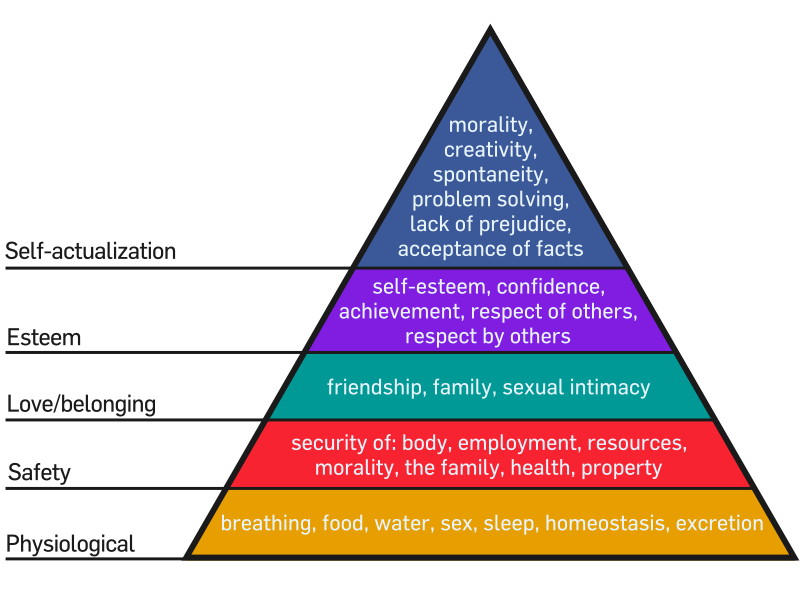
Nope, no dice. When you're grilling radioactive rats for dinner that Cezanne ain't gonna help much.
Unless it keeps the flames going long enough to get the liver medium well, just like you like it.
posted by chronkite at 5:24 PM on August 18, 2011
Nope, no dice. When you're grilling radioactive rats for dinner that Cezanne ain't gonna help much.
....Haven't you been telling us "everyone will die"? Now you're saying that your objection is "people will live but this will be useless"?
Look, if you can't think of a good reason why this chaps your ass, just say so. Don't try to make up justifications for what you feel if they're not true.
posted by EmpressCallipygos at 5:26 PM on August 18, 2011
....Haven't you been telling us "everyone will die"? Now you're saying that your objection is "people will live but this will be useless"?
Look, if you can't think of a good reason why this chaps your ass, just say so. Don't try to make up justifications for what you feel if they're not true.
posted by EmpressCallipygos at 5:26 PM on August 18, 2011
Yeah I figure ya might get a fifty year eat-rats scenario before the last survivors die off, and since no one can reproduce that's about it. Halcyon rat dinner days.
I have compiled a few artists renderings of said period.
posted by chronkite at 6:04 PM on August 18, 2011
I have compiled a few artists renderings of said period.


posted by chronkite at 6:04 PM on August 18, 2011
So how will NOT saving art ameliorate that state of affairs?
Do please explain.
posted by EmpressCallipygos at 6:11 PM on August 18, 2011
Do please explain.
posted by EmpressCallipygos at 6:11 PM on August 18, 2011
It's just an absolutely ridiculous topic, from any angle you want to look at it.
Ok, stage 1: Your ENTIRE PLAN relies on this guy.
When the bombs are starting to fall, he's supposed to (for $12 an hour that he'll now never see or spend) forego running home to his family and grab your map with the big X on it, and save Western Culture As We Know It.
Stage 2: Get out of dodge. Have you ever been in DC in REGULAR RUSH HOUR?
Step 3: Find secret mountai-oh he's dead. Another bomb. Welp that's that for art.
posted by chronkite at 6:43 PM on August 18, 2011
Ok, stage 1: Your ENTIRE PLAN relies on this guy.

When the bombs are starting to fall, he's supposed to (for $12 an hour that he'll now never see or spend) forego running home to his family and grab your map with the big X on it, and save Western Culture As We Know It.
Stage 2: Get out of dodge. Have you ever been in DC in REGULAR RUSH HOUR?

Step 3: Find secret mountai-oh he's dead. Another bomb. Welp that's that for art.
posted by chronkite at 6:43 PM on August 18, 2011
If absolutely everyone is dead, then the future generations of hyperintelligent sea otters who evolve their way up will enjoy additional information about us with which to make their own crazed ideas if what we were like. If it's just a bad flood in the museum or a major bombing in New York, saving some paintings will preserve some of our culture that might otherwise be lost. In either case, the chance that taking a few minutes to stuff art in boxes and throw it in a truck will cost the life of anyone is pretty small.
posted by rmd1023 at 6:43 PM on August 18, 2011 [1 favorite]
posted by rmd1023 at 6:43 PM on August 18, 2011 [1 favorite]
Am I the only one who finds that "ima save the paintings" thing kind of racist? What are you up to with that? Is that supposed to be a specific person? What person is it? Where did you find that image? What's with the dialect caption?
The curator in the story is, no doubt, paid a whole lot more than $12 an hour.
You really don't have much of an argument here, chronkite. You're all over the place. You're trying to pose some specific disaster scenario, based, apparently, on a 25-year-old fiction film, in which we all are going to die, except for some of us who have to choose between saving art and saving people, which is pointless because you're going to die anyway, or else you're going to eat rats because that's what Maslow said, and here's an episode of Laverne & Shirley to illustrate my point, and in any case ha ha ha I told you so.
You're making no sense. You seem to be casting about for some way to say that preserving art is pointless. Sorry, though, preserving art is not pointless, no matter what scenario you concoct. It may not be meaningful to you - that, I can see - but it's not pointless. You just refuse to acknowledge its point as valuable. Fortunately, we don't depend on you to do this. We've got institutions with skilled, well-paid staff and disaster plans to handle much of the work of preserving what can be preserved in an extreme event. That doesn't require your endorsement.
I was schooled here on MeFi long ago that Maslow did not construct his pyramid based on the argument that the needs must be fulfilled in sequential order; he acknowledged that they do not need to be progressively achieved. It's also important to note that Maslow is no ultimate authority on the development of a range of human faculties - there is plenty of criticism of him, and plenty of alternate theories of human development. Starving and suffering people in prisons, famines, and concentration camps have been known to sing and make art, and they certainly don't wait until they're comfortable to engage in behaviors like prayer or acts of love and friendship. You yourself imagined your security guard rushing home to be with his family - motivated by a Level 3 need - when he did not have a securely met Level 1 need. Your example is proof against your argument.
We could keep going...but you should know now, I'm not giving you any of my grilled rats.
posted by Miko at 7:21 PM on August 18, 2011
The curator in the story is, no doubt, paid a whole lot more than $12 an hour.
You really don't have much of an argument here, chronkite. You're all over the place. You're trying to pose some specific disaster scenario, based, apparently, on a 25-year-old fiction film, in which we all are going to die, except for some of us who have to choose between saving art and saving people, which is pointless because you're going to die anyway, or else you're going to eat rats because that's what Maslow said, and here's an episode of Laverne & Shirley to illustrate my point, and in any case ha ha ha I told you so.
You're making no sense. You seem to be casting about for some way to say that preserving art is pointless. Sorry, though, preserving art is not pointless, no matter what scenario you concoct. It may not be meaningful to you - that, I can see - but it's not pointless. You just refuse to acknowledge its point as valuable. Fortunately, we don't depend on you to do this. We've got institutions with skilled, well-paid staff and disaster plans to handle much of the work of preserving what can be preserved in an extreme event. That doesn't require your endorsement.
I was schooled here on MeFi long ago that Maslow did not construct his pyramid based on the argument that the needs must be fulfilled in sequential order; he acknowledged that they do not need to be progressively achieved. It's also important to note that Maslow is no ultimate authority on the development of a range of human faculties - there is plenty of criticism of him, and plenty of alternate theories of human development. Starving and suffering people in prisons, famines, and concentration camps have been known to sing and make art, and they certainly don't wait until they're comfortable to engage in behaviors like prayer or acts of love and friendship. You yourself imagined your security guard rushing home to be with his family - motivated by a Level 3 need - when he did not have a securely met Level 1 need. Your example is proof against your argument.
We could keep going...but you should know now, I'm not giving you any of my grilled rats.
posted by Miko at 7:21 PM on August 18, 2011

Here's the white security guard version of the previous scenario for those of you with delicate sensibilities. Joke still works now it's just 15% less funny. Thanks, critic. Gotta keep us artists in line.
posted by chronkite at 7:40 PM on August 18, 2011

posted by chronkite at 7:40 PM on August 18, 2011
Joke still works now it's just 15% less funny.
Really? Why? Care to explain?
posted by Miko at 7:55 PM on August 18, 2011
Really? Why? Care to explain?
posted by Miko at 7:55 PM on August 18, 2011
Because I had to edit myself. I had to stop the free flow of ideas to suit your tastes. It's a drag.
Better be sure to stick a censor in a protective vault too! Never know when you'll need one.
posted by chronkite at 8:13 PM on August 18, 2011
Better be sure to stick a censor in a protective vault too! Never know when you'll need one.

posted by chronkite at 8:13 PM on August 18, 2011
Because I had to edit myself.
That doesn't explain why changing the race of the figure would make it less funny. Why is the white guy less funny than the black guy?
posted by Miko at 8:16 PM on August 18, 2011
That doesn't explain why changing the race of the figure would make it less funny. Why is the white guy less funny than the black guy?
posted by Miko at 8:16 PM on August 18, 2011
Sigh. Because I had to pick *not just grab one of the the first guards I saw when I did a google image search*, but instead had to scroll down two more pages to find a believable DC guard. All for you.
And now nothing's ever funny again. Miko must be Japanese for "wet blanket".
Wait was that racist? I can't tell anymore..if I include minorities in my art and writing I'm racist, if I leave them out I'm racist...please tell me what to say. Don't just edit and censor me and call me a racist, please just go ahead and speak for me.
Can someone just nuke us already?
posted by chronkite at 8:34 PM on August 18, 2011
And now nothing's ever funny again. Miko must be Japanese for "wet blanket".
Wait was that racist? I can't tell anymore..if I include minorities in my art and writing I'm racist, if I leave them out I'm racist...please tell me what to say. Don't just edit and censor me and call me a racist, please just go ahead and speak for me.
Can someone just nuke us already?
posted by chronkite at 8:34 PM on August 18, 2011
Am I the only one who finds that "ima save the paintings" thing kind of racist?
Nope. I flagged it as such. As well as the comment that attacked you personally, miko.
posted by EmpressCallipygos at 9:12 PM on August 18, 2011
Nope. I flagged it as such. As well as the comment that attacked you personally, miko.
posted by EmpressCallipygos at 9:12 PM on August 18, 2011
This thread is a performance art piece, right? Or was, until I was so uncouth as to have stated it outright, ruining the post-ironic humour of the work, like a boozy bum splattering his dumpster-dived fish-n-chips across your refined marble floors.
Well, fie. I give you a post-post-ironic response in return.
Picture it: a base of Meta Blue, a layer of high-coverage starch and fish in white, splashes of ketchup red, and a meager scattering of cabbage greens and carrot orange. A real Coleslaw Pollock.
posted by five fresh fish at 9:18 PM on August 18, 2011 [1 favorite]
Well, fie. I give you a post-post-ironic response in return.
Picture it: a base of Meta Blue, a layer of high-coverage starch and fish in white, splashes of ketchup red, and a meager scattering of cabbage greens and carrot orange. A real Coleslaw Pollock.
posted by five fresh fish at 9:18 PM on August 18, 2011 [1 favorite]
please tell me what to say.
This might help:
"I'm sorry, everyone -- I was having a particularly bad day and I just let this argument get to me. The notion of an artistic canon is something that's kind of rubbed me the wrong way, and I could have discussed it from that perspective, but I was having a bad day/hadn't been getting much sleep/etc. and I phrased my arguments kind of ham-handedly, and it all snowballed into something really stupid.
"In particular, I'd like to apologize to Miko for singling you out for personal attacks -- that also really wasn't cool. Now, I do still have some issues with the notion of an Established Artistic Canon/government money being spent in this instance/giving people false hope/[insert the clearly-worded and in detail objection you have to this program here], but I'm gonna go get some sleep/calm down/whatever, so I can conduct myself better from now on. Sorry."
I'd try saying that.
posted by EmpressCallipygos at 10:28 PM on August 18, 2011
This might help:
"I'm sorry, everyone -- I was having a particularly bad day and I just let this argument get to me. The notion of an artistic canon is something that's kind of rubbed me the wrong way, and I could have discussed it from that perspective, but I was having a bad day/hadn't been getting much sleep/etc. and I phrased my arguments kind of ham-handedly, and it all snowballed into something really stupid.
"In particular, I'd like to apologize to Miko for singling you out for personal attacks -- that also really wasn't cool. Now, I do still have some issues with the notion of an Established Artistic Canon/government money being spent in this instance/giving people false hope/[insert the clearly-worded and in detail objection you have to this program here], but I'm gonna go get some sleep/calm down/whatever, so I can conduct myself better from now on. Sorry."
I'd try saying that.
posted by EmpressCallipygos at 10:28 PM on August 18, 2011
Why stop there, fff? Go all the way - multiple people making that same art and it becomes a Coleslaw Potluck.
posted by maryr at 10:30 PM on August 18, 2011
posted by maryr at 10:30 PM on August 18, 2011
'cause it was fish and chips.
posted by five fresh fish at 12:04 AM on August 19, 2011
posted by five fresh fish at 12:04 AM on August 19, 2011
had to scroll down two more pages to find a believable DC guard..
So you set your storyline in DC (forgive me for not noticing that, because we were in England a little earlier, and having a more general discussion before that.) And in DC, you posit, guards are more likely to be black than to be in any other category. I can accept the likelihood of that.
So then, what was the rationale for writing his voice in dialect: "I totally promise I'ma go grab them paintins, boss" ?
The extra 15% of humor - does it come from the dialect? Or from the obviously laughable idea that a black security guard could be a reliable employee who does his job in the face of a disaster?
I guess I just don't find that laughable, after having seen the way regular people behaved incredibly nobly in other disasters, particularly 9/11. But I also know how museum staff can rally in the face of a threat. I once spent the 12 hours preceding a hurricane landfall securing antique boats and carrying objects box by box up the stairs to the uppermost floors of my museum, rather than going home to do the same for my own stuff (my own stuff is replaceable). And in Hurricane Katrina, a group of museum staffers - including security guards - refused to leave their museum, despite being urged to by officials, and stayed to help protect the objects. Rather than go home to their families, they had their families join them there. More examples:
Don't just edit and censor me and call me a racist
1. No one has either edited or censored you. Your work still stands, nothing has been struck out, and you continue to be able to comment.
2. I thought your cartoon was racist. I'm not sure about you yourself, but a well-meaning person might not have defended it by saying that making the character black makes it funnier. That "extra funny" is basically a play on stereotypes about the unreliability and dishonesty of black people.
I think Empress Callipygos has it right - you tossed off a half-baked comment and are now tying yourself in knots trying to defend it. We understand you don't see the value in preserving art - fine, a legitimate point - but your way of expressing yourself has been sort of rude.
posted by Miko at 4:24 AM on August 19, 2011 [1 favorite]
So you set your storyline in DC (forgive me for not noticing that, because we were in England a little earlier, and having a more general discussion before that.) And in DC, you posit, guards are more likely to be black than to be in any other category. I can accept the likelihood of that.
So then, what was the rationale for writing his voice in dialect: "I totally promise I'ma go grab them paintins, boss" ?
The extra 15% of humor - does it come from the dialect? Or from the obviously laughable idea that a black security guard could be a reliable employee who does his job in the face of a disaster?
I guess I just don't find that laughable, after having seen the way regular people behaved incredibly nobly in other disasters, particularly 9/11. But I also know how museum staff can rally in the face of a threat. I once spent the 12 hours preceding a hurricane landfall securing antique boats and carrying objects box by box up the stairs to the uppermost floors of my museum, rather than going home to do the same for my own stuff (my own stuff is replaceable). And in Hurricane Katrina, a group of museum staffers - including security guards - refused to leave their museum, despite being urged to by officials, and stayed to help protect the objects. Rather than go home to their families, they had their families join them there. More examples:
Looking back at European museums during WWII, it seems that the key to successfully preserving collections was a comprehensive emergency plan with a dedicated staff trained to carry it out. This basic formula for success is still true today, as we can see from more recent examples:So, by looking at reality instead of at sci-fi movies, it's possible to see that disaster plans are worth making, that in fact having a plan is the crucial difference between preserving cultural heritage and losing it, and that staff involved in carrying out the disaster plan can indeed put a high priority on the survival of collections.
- In Afghanistan, staff risked their lives to preserve the national film archive, large portions of the national museum collection, and the priceless Bactrian Horde, from the Taliban.
- In 2003, staff of the Iraq National Museum painstakingly cleared the galleries and hid much of the collection in a secret storage magazine.
- In 2005, staff at the New Orleans Museum of Art prepared their institution for Hurricane
Katrina and stayed with the collection for days afterward to protect it from looters – all with no support from local law enforcement or the National Guard.
- In 2010, staff at several museums in Port au Prince, Haiti immediately set about rescuingtheir collections from the rubble in the midst of one of the most devastating earthquakes in history.
Don't just edit and censor me and call me a racist
1. No one has either edited or censored you. Your work still stands, nothing has been struck out, and you continue to be able to comment.
2. I thought your cartoon was racist. I'm not sure about you yourself, but a well-meaning person might not have defended it by saying that making the character black makes it funnier. That "extra funny" is basically a play on stereotypes about the unreliability and dishonesty of black people.
I think Empress Callipygos has it right - you tossed off a half-baked comment and are now tying yourself in knots trying to defend it. We understand you don't see the value in preserving art - fine, a legitimate point - but your way of expressing yourself has been sort of rude.
posted by Miko at 4:24 AM on August 19, 2011 [1 favorite]
Yeah, what I actually meant was that this guy might do the RIGHT thing by going home to his family etc...$12 an hour security guard possibly has more sense than the entire art community, or us here. But by all means take it however you like. Radioactive fallout descends on the offensive stereotype and the acceptable substitute alike, I suppose.
You know what, I think it's great all this love you guys have for the 74 chosen paintings. By all means do everything you can to save them, I'm actually rooting for you. If there's one thing I'm known for (besides being a racist lol) in real life it's being an art lover. And I really do hope it all works out according to plan.
My entire point in this thread was to convince you that nuclear war is extremely horrible and globally devastating, and somehow I've failed.
FORD PREFECT:
Keep the change.
BARMAN:
Are you serious sir? I mean, do you really think the world’s going to end this afternoon?
FORD PREFECT:
Yes. In just over one minute-and-thirty-five seconds.
BARMAN:
Well isn’t there anything we can do?
FORD PREFECT:
No, nothing.
BARMAN:
Well I always thought we were meant to lie down and put a paper bag over our head or something.
FORD PREFECT:
If you’d like, yes.
BARMAN:
Well will that help?
FORD PREFECT:
No. Excuse me I’ve got to find my friend.
posted by chronkite at 5:42 AM on August 19, 2011
You know what, I think it's great all this love you guys have for the 74 chosen paintings. By all means do everything you can to save them, I'm actually rooting for you. If there's one thing I'm known for (besides being a racist lol) in real life it's being an art lover. And I really do hope it all works out according to plan.
My entire point in this thread was to convince you that nuclear war is extremely horrible and globally devastating, and somehow I've failed.
FORD PREFECT:
Keep the change.
BARMAN:
Are you serious sir? I mean, do you really think the world’s going to end this afternoon?
FORD PREFECT:
Yes. In just over one minute-and-thirty-five seconds.
BARMAN:
Well isn’t there anything we can do?
FORD PREFECT:
No, nothing.
BARMAN:
Well I always thought we were meant to lie down and put a paper bag over our head or something.
FORD PREFECT:
If you’d like, yes.
BARMAN:
Well will that help?
FORD PREFECT:
No. Excuse me I’ve got to find my friend.
posted by chronkite at 5:42 AM on August 19, 2011
My entire point in this thread was to convince you that nuclear war is extremely horrible and globally devastating, and somehow I've failed.
Really? That was your point? I definitely didn't understand why you kept talking about theoretical post-nuclear conditions. I don't think you'll find many people to argue against the idea that nuclear war is horrible and devastating.
But even though we agree that nuclear war is globally devastating, it doesn't change my ideas about disaster plans for art. Either (a) everybody dies, in which case it doesn't matter to humans on earth whether art is saved (though I still wouldn't mind leaving some for other beings to possibly discover, given the statistical likelihood that they're out there somewhere), or (b) not everybody dies, in which case I sure hope some art is saved.
But nuclear war is only one possible disaster scenario. It's never actually happened and it's far less likely to happen, by any assessment measure, than natural disasters, equipment failures, government collapses, rioting, or terroristic acts. So there are many, many kinds of disasters worth preparing for. It's not a futile activity to prepare for disaster. Most disasters, even reaching as far back as possible in human history, are not complete annihilations of all civilization.
I wonder if you were taking the "WW3" title literally. The article says it's just a sort of jokey shorthand for any kind of serious disaster. Though any risk assessment needs to take into account localized kinds of risks - such as Washington DC being a potential target for acts of terrorism or war, or New Orleans being a target for a hurricane - disaster preparedness plans are really meant to be applicable to a wide variety of threats and situations.
By all means do everything you can to save them, I'm actually rooting for you. If there's one thing I'm known for (besides being a racist lol) in real life it's being an art lover. And I really do hope it all works out according to plan.
Great! Then we really don't disagree much.
posted by Miko at 6:14 AM on August 19, 2011
Really? That was your point? I definitely didn't understand why you kept talking about theoretical post-nuclear conditions. I don't think you'll find many people to argue against the idea that nuclear war is horrible and devastating.
But even though we agree that nuclear war is globally devastating, it doesn't change my ideas about disaster plans for art. Either (a) everybody dies, in which case it doesn't matter to humans on earth whether art is saved (though I still wouldn't mind leaving some for other beings to possibly discover, given the statistical likelihood that they're out there somewhere), or (b) not everybody dies, in which case I sure hope some art is saved.
But nuclear war is only one possible disaster scenario. It's never actually happened and it's far less likely to happen, by any assessment measure, than natural disasters, equipment failures, government collapses, rioting, or terroristic acts. So there are many, many kinds of disasters worth preparing for. It's not a futile activity to prepare for disaster. Most disasters, even reaching as far back as possible in human history, are not complete annihilations of all civilization.
I wonder if you were taking the "WW3" title literally. The article says it's just a sort of jokey shorthand for any kind of serious disaster. Though any risk assessment needs to take into account localized kinds of risks - such as Washington DC being a potential target for acts of terrorism or war, or New Orleans being a target for a hurricane - disaster preparedness plans are really meant to be applicable to a wide variety of threats and situations.
By all means do everything you can to save them, I'm actually rooting for you. If there's one thing I'm known for (besides being a racist lol) in real life it's being an art lover. And I really do hope it all works out according to plan.
Great! Then we really don't disagree much.
posted by Miko at 6:14 AM on August 19, 2011
My entire point in this thread was to convince you that nuclear war is extremely horrible and globally devastating, and somehow I've failed.
Perhaps the fact that you kept insisting that children COULD be saved if they didn't do this was where you failed.
See, we all did know that "nuclear war is extremely horrible and globally devastating," which is why your "I don't understand why people are doing this instead of thinking of the children!" was striking us as odd -- because, uh, it's globally devastating, so how is suspending this program going to help that?
posted by EmpressCallipygos at 6:57 AM on August 19, 2011
Perhaps the fact that you kept insisting that children COULD be saved if they didn't do this was where you failed.
See, we all did know that "nuclear war is extremely horrible and globally devastating," which is why your "I don't understand why people are doing this instead of thinking of the children!" was striking us as odd -- because, uh, it's globally devastating, so how is suspending this program going to help that?
posted by EmpressCallipygos at 6:57 AM on August 19, 2011
I also note that you didn't apologize to anyone. It's interesting to note.
posted by EmpressCallipygos at 6:58 AM on August 19, 2011
posted by EmpressCallipygos at 6:58 AM on August 19, 2011
Nope, no apologies..because I didn't personally attack anyone and I very much doubt I've done an iota of harm. If the term "wet blanket" hurt your feelings, well..man you're going to hate the holocaust. Seriously.
When a government official has a box for the most valuable paintings in the world marked "WWIII" I fail to find the humor in it. I take it at face value. That's what they are preparing for, not a Katrina style event or what have you. Actual ass WWIII. During my time working for the government (USCG 1991-1994) I never once saw anything written on a box that didn't mean exactly what it said.
I do have to admire both you and Miko for your unwavering optimism..I've never seen anyone else argue so passionately about the bright side of planetary cataclysm.
And I guess it's good that the full horror of war doesn't sink in for you guys, and that you can imagine a time in the future where the sun will shine again and people might enjoy the watercolors. That you have faith in our government, if not to stave off nuclear annihilation then at least to protect the pretty pictures.
I don't have that kind of faith, and I suppose I never will.
posted by chronkite at 7:55 AM on August 19, 2011
When a government official has a box for the most valuable paintings in the world marked "WWIII" I fail to find the humor in it. I take it at face value. That's what they are preparing for, not a Katrina style event or what have you. Actual ass WWIII. During my time working for the government (USCG 1991-1994) I never once saw anything written on a box that didn't mean exactly what it said.
I do have to admire both you and Miko for your unwavering optimism..I've never seen anyone else argue so passionately about the bright side of planetary cataclysm.
And I guess it's good that the full horror of war doesn't sink in for you guys, and that you can imagine a time in the future where the sun will shine again and people might enjoy the watercolors. That you have faith in our government, if not to stave off nuclear annihilation then at least to protect the pretty pictures.
I don't have that kind of faith, and I suppose I never will.
posted by chronkite at 7:55 AM on August 19, 2011
I didn't personally attack anyone
You accused Miko of being a "wet blanket" and of censoring you. I'd say that's a personal attack. You also incorrectly assumed she was Japanese, and added that to your dig. Almost as if you felt being Japanese was a bad thing.
I do have to admire both you and Miko for your unwavering optimism..I've never seen anyone else argue so passionately about the bright side of planetary cataclysm.
Please point to what makes you think that I am arguing about "bright side of planetary cataclysm." The only thing I have been doing is repeatedly asking you to clarify your apparent position that "they shouldn't be worrying about this instead of worrying about children." That leads me to believe that you think cancelling this program will spare lives, but you then contradict that position by taking a "war will kill everyone" stance, which contradicts your "they should be worrying about human life instead" stance.
If your position is merely that "there's no point to doing this," that is a more than fair point. I have persistently sought only one thing from you -- and that one thing is why you dragged out the "think of the childrun" defense of your position.
However, instead of explaining your point, you mocked us, attacked us, insulted us, challened another poster to a pointless art contest, mocked his work sight unseen when he refused, posted offensive Photoshopped .jpgs, and generally have been behaving like an attention-starved child.
When and if you are ready to explain why you implied that suspending this program would save children's lives, and you are able to do so in a manner befitting an adult, I am more than happy to listen. Until then, I wish you well.
posted by EmpressCallipygos at 8:15 AM on August 19, 2011 [1 favorite]
You accused Miko of being a "wet blanket" and of censoring you. I'd say that's a personal attack. You also incorrectly assumed she was Japanese, and added that to your dig. Almost as if you felt being Japanese was a bad thing.
I do have to admire both you and Miko for your unwavering optimism..I've never seen anyone else argue so passionately about the bright side of planetary cataclysm.
Please point to what makes you think that I am arguing about "bright side of planetary cataclysm." The only thing I have been doing is repeatedly asking you to clarify your apparent position that "they shouldn't be worrying about this instead of worrying about children." That leads me to believe that you think cancelling this program will spare lives, but you then contradict that position by taking a "war will kill everyone" stance, which contradicts your "they should be worrying about human life instead" stance.
If your position is merely that "there's no point to doing this," that is a more than fair point. I have persistently sought only one thing from you -- and that one thing is why you dragged out the "think of the childrun" defense of your position.
However, instead of explaining your point, you mocked us, attacked us, insulted us, challened another poster to a pointless art contest, mocked his work sight unseen when he refused, posted offensive Photoshopped .jpgs, and generally have been behaving like an attention-starved child.
When and if you are ready to explain why you implied that suspending this program would save children's lives, and you are able to do so in a manner befitting an adult, I am more than happy to listen. Until then, I wish you well.
posted by EmpressCallipygos at 8:15 AM on August 19, 2011 [1 favorite]
I don't need an apology. It's OK.
That's what they are preparing for, not a Katrina style event or what have you. Actual ass WWIII.
I work in this business, and I'm here to tell you you're wrong about this. It's for any serious disaster that threatens the integrity of the building in which they're currently stored. It's not like, if a plane crashed into the building, the curator would say "Don't touch my boxes! Let them burn! They're only to be used in case of total nuclear destruction in World War III!"
you can imagine a time in the future where the sun will shine again and people might enjoy the watercolors.
Yes, I sure can. We have to get our own lives in perspective. We as individuals are infinitesimal in the grand scheme of time. Nothing you or I say today will change that reality.Throughout the history of the world there have been terrible, devastating, cataclysmic events that killed millions and millions of people in meaningless swaths of violence. Pain, suffering, misery, starvation, and death have been a fairly common fate for humans across time and across the globe.
It's not because I deny this, but because I fully recognize it, that I believe it's important that whatever can be preserved of these past cultures and people be preserved. Today, I can walk outside in the sunshine and anticipate a peaceful stroll to the park for lunch without being asked for papers, violently beaten or murdered, or killed by a lightning storm. Though people in the past endured great suffering and often died from it, still, somehow, I have lived to a future where the sun shines again and people enjoy the watercolors. Why should I, in the profound narcissism of the living, assume that no matter what terrible fate may befall me, no one else again will enjoy life because of it? That no one else in the future can derive valuable knowledge or spiritual uplift just because things ended badly for me?
That you have faith in our government, if not to stave off nuclear annihilation then at least to protect the pretty pictures.
I have faith in my colleagues to save the pictures. In many cases, I know they're more loyal to the pictures than to any earthly government.
posted by Miko at 8:48 AM on August 19, 2011
That's what they are preparing for, not a Katrina style event or what have you. Actual ass WWIII.
I work in this business, and I'm here to tell you you're wrong about this. It's for any serious disaster that threatens the integrity of the building in which they're currently stored. It's not like, if a plane crashed into the building, the curator would say "Don't touch my boxes! Let them burn! They're only to be used in case of total nuclear destruction in World War III!"
you can imagine a time in the future where the sun will shine again and people might enjoy the watercolors.
Yes, I sure can. We have to get our own lives in perspective. We as individuals are infinitesimal in the grand scheme of time. Nothing you or I say today will change that reality.Throughout the history of the world there have been terrible, devastating, cataclysmic events that killed millions and millions of people in meaningless swaths of violence. Pain, suffering, misery, starvation, and death have been a fairly common fate for humans across time and across the globe.
It's not because I deny this, but because I fully recognize it, that I believe it's important that whatever can be preserved of these past cultures and people be preserved. Today, I can walk outside in the sunshine and anticipate a peaceful stroll to the park for lunch without being asked for papers, violently beaten or murdered, or killed by a lightning storm. Though people in the past endured great suffering and often died from it, still, somehow, I have lived to a future where the sun shines again and people enjoy the watercolors. Why should I, in the profound narcissism of the living, assume that no matter what terrible fate may befall me, no one else again will enjoy life because of it? That no one else in the future can derive valuable knowledge or spiritual uplift just because things ended badly for me?
That you have faith in our government, if not to stave off nuclear annihilation then at least to protect the pretty pictures.
I have faith in my colleagues to save the pictures. In many cases, I know they're more loyal to the pictures than to any earthly government.
posted by Miko at 8:48 AM on August 19, 2011
Yeah, I'm so attention starved I reach out in a third page metafilter post.
It's a discussion, and I guess we speak very different languages. I didn't mock anyone (except charlie, kinda, because he was so incredibly dismissive and pompous). Miko is obviously awesome at what she does and I really enjoyed her perspective throughout this. You're one of my favorite metafilter names as well, I can always count on you to be smart and fair.
I don't understand how you could read "the idea that while millions of children melt and die some jerk's squirreling away watercolors of boats is FUCKING LAUGHABLE" and take from it that I thought we could establish some kind of "paintings for kids" exchange. You keep asking me to clarify a position I never took.
The difference between our positions is the difference between maker and collector. Since I make stuff every day it's no big deal to me. Farmer don't buy corn, etc. I assume any creative person that survives the holocaust will be making some kind of art. Maybe mud pies of mushroom clouds. Who knows. Whatever art they make is bound to be a lot more relevant and interesting to the post-apocalypse viewing public than a Whistler landscape.
Collectors and curators by their nature want to preserve the art that's already been made, and that's great. But in the event of WWIII I think it's unlikely to survive or be relevant. "Oh, look how pretty the world used to be."
And say it's all for, as you say, some much less catastrophic event, like a flood. Then what, 74 paintings survive the flood of '14? The other 100,000? Eh, fuck em. Jesus. Let's look at a way to distribute these cherished works a little better. DC is literally a swamp!
"In the two storerooms that Robison asked not be photographed or their locations disclosed, the black, cloth-lined boxes, each the shape of very large books, bear the label “WW3,” drawn in calligraphy. These in-case-of-World-War-III containers lie ready for any possibility, and in Robison’s absence, security guards have a floor plan that shows their exact location, like an X on a pirate map."
There's no wink and nudge there. Not a joke. And it says "in Robison's absence" SECURITY GUARDS, not some elite SEAL team, not a Secret Service contingent, just regular old security guards, have a ~pirate map~ to follow if the klaxons blare.
So if anything happens during the 16 hours a day when Robison isn't there it's up to these guys.
I like to think I know a little something about the blue collar workforce in America, and I'll bet when they look out and see the bombs coming down they say fuck the pirate map.
Will anyone groan that Edvard Munch is hogging space in the lifeboat with his six multi-block woodcuts, revisions of an original composition over 25 years as the Norwegian saw new spectral possibilities for his seaside characters?
No they'll groan because they're doomed, cancer ridden zombies, and they find a box with this in it.
posted by chronkite at 9:41 AM on August 19, 2011
It's a discussion, and I guess we speak very different languages. I didn't mock anyone (except charlie, kinda, because he was so incredibly dismissive and pompous). Miko is obviously awesome at what she does and I really enjoyed her perspective throughout this. You're one of my favorite metafilter names as well, I can always count on you to be smart and fair.
I don't understand how you could read "the idea that while millions of children melt and die some jerk's squirreling away watercolors of boats is FUCKING LAUGHABLE" and take from it that I thought we could establish some kind of "paintings for kids" exchange. You keep asking me to clarify a position I never took.
The difference between our positions is the difference between maker and collector. Since I make stuff every day it's no big deal to me. Farmer don't buy corn, etc. I assume any creative person that survives the holocaust will be making some kind of art. Maybe mud pies of mushroom clouds. Who knows. Whatever art they make is bound to be a lot more relevant and interesting to the post-apocalypse viewing public than a Whistler landscape.
Collectors and curators by their nature want to preserve the art that's already been made, and that's great. But in the event of WWIII I think it's unlikely to survive or be relevant. "Oh, look how pretty the world used to be."
And say it's all for, as you say, some much less catastrophic event, like a flood. Then what, 74 paintings survive the flood of '14? The other 100,000? Eh, fuck em. Jesus. Let's look at a way to distribute these cherished works a little better. DC is literally a swamp!
"In the two storerooms that Robison asked not be photographed or their locations disclosed, the black, cloth-lined boxes, each the shape of very large books, bear the label “WW3,” drawn in calligraphy. These in-case-of-World-War-III containers lie ready for any possibility, and in Robison’s absence, security guards have a floor plan that shows their exact location, like an X on a pirate map."
There's no wink and nudge there. Not a joke. And it says "in Robison's absence" SECURITY GUARDS, not some elite SEAL team, not a Secret Service contingent, just regular old security guards, have a ~pirate map~ to follow if the klaxons blare.
So if anything happens during the 16 hours a day when Robison isn't there it's up to these guys.
I like to think I know a little something about the blue collar workforce in America, and I'll bet when they look out and see the bombs coming down they say fuck the pirate map.
Will anyone groan that Edvard Munch is hogging space in the lifeboat with his six multi-block woodcuts, revisions of an original composition over 25 years as the Norwegian saw new spectral possibilities for his seaside characters?
No they'll groan because they're doomed, cancer ridden zombies, and they find a box with this in it.

posted by chronkite at 9:41 AM on August 19, 2011
I don't understand how you could read "the idea that while millions of children melt and die some jerk's squirreling away watercolors of boats is FUCKING LAUGHABLE" and take from it that I thought we could establish some kind of "paintings for kids" exchange.
Well, then can you explain what it is you DID mean by that? As I said initially, "millions of children are going to melt and die even if they don't do this," and moreover, you seem to also agree that that is the case. So I'm not understanding why you brought the death of children up in the first place as an argument against the program.
Since you've clarified that your argument was NOT that you believed in a way they could save more lives if they abandoned this program, the only reason I can see for you to mention the "millions of children will die" point is as a way to pander for sympathy for your perspective. If there is some other logic, I'm afraid it's escaping me and most others here.
posted by EmpressCallipygos at 9:51 AM on August 19, 2011
Well, then can you explain what it is you DID mean by that? As I said initially, "millions of children are going to melt and die even if they don't do this," and moreover, you seem to also agree that that is the case. So I'm not understanding why you brought the death of children up in the first place as an argument against the program.
Since you've clarified that your argument was NOT that you believed in a way they could save more lives if they abandoned this program, the only reason I can see for you to mention the "millions of children will die" point is as a way to pander for sympathy for your perspective. If there is some other logic, I'm afraid it's escaping me and most others here.
posted by EmpressCallipygos at 9:51 AM on August 19, 2011
I'm not understanding why you brought the death of children up in the first place as an argument against the program
It wasn't an argument against this program, it was a setting for it. Ambience, if you will.
Because Robison's catty attitude as he hemmed and hawed between great works of art and popped grapes in his mouth wasn't doing it for me.
If you give me a month or so I can paint it for you.
posted by chronkite at 10:25 AM on August 19, 2011
It wasn't an argument against this program, it was a setting for it. Ambience, if you will.
Because Robison's catty attitude as he hemmed and hawed between great works of art and popped grapes in his mouth wasn't doing it for me.
If you give me a month or so I can paint it for you.
posted by chronkite at 10:25 AM on August 19, 2011
It wasn't an argument against this program, it was a setting for it. Ambience, if you will.
Oh, gotcha, so you're just a nihilist about this. Fair enough.
posted by EmpressCallipygos at 10:29 AM on August 19, 2011
Oh, gotcha, so you're just a nihilist about this. Fair enough.
posted by EmpressCallipygos at 10:29 AM on August 19, 2011
thanks for the nice comment, that was generous of you.
I like to think I know a little something about the blue collar workforce in America, and I'll bet when they look out and see the bombs coming down they say fuck the pirate map.
Sure, this is possible, but I provided about five examples of instances where, despite the logic, that didn't actually happen, including one example I was personally in. At the time I was making $10.83 an hour.
Whatever art they make is bound to be a lot more relevant and interesting to the post-apocalypse viewing public than a Whistler landscape.
I just don't know about that - one of the mystifying things about art is the way even an old piece can suddenly seem to speak to a time. As an educator I've found it's really impossible to predict what kind of art is going to grab what kind of person. A Holocaust survivor may make incredible art, or they may actually make kind of so-so art that isn't all that compelling to look at, once divested of its origin story. Objects that are really ancient, or even paintings that were really popular when new, then fell out of favor, can speak individually to people in ways that can't necessarily be predicted. Sometimes the very virtue of an object's age, survival, or timelessness is its most powerful message.
Collectors and curators by their nature want to preserve the art that's already been made, and that's great. But in the event of WWIII I think it's unlikely to survive or be relevant.
It's kind of impossible to speculate about World War III. I guess there may ultimately be one, but none of us know how it's going to unfold. I see all the advantage being on the side of preservation, because it's the only thing to do. We have to either assume that World War III is the total end of all civilization on earth, with everybody dead and no objects remaining, or we have to assume the only alternative, that it's not the total end. If it's not the total end, it would be better if we had preserved some of the works of humanity than if we hadn't. If it IS the total end, nobody has lost anything by trying to preserve them. It's a way of hedging the bet - doing what you can, because the most extreme possible outcome is not the most likely or the most immediate threat, but by preparing for the most extreme outcome, you prepare yourself much better for surviving those smaller and more likely threats.
posted by Miko at 11:06 AM on August 19, 2011
I like to think I know a little something about the blue collar workforce in America, and I'll bet when they look out and see the bombs coming down they say fuck the pirate map.
Sure, this is possible, but I provided about five examples of instances where, despite the logic, that didn't actually happen, including one example I was personally in. At the time I was making $10.83 an hour.
Whatever art they make is bound to be a lot more relevant and interesting to the post-apocalypse viewing public than a Whistler landscape.
I just don't know about that - one of the mystifying things about art is the way even an old piece can suddenly seem to speak to a time. As an educator I've found it's really impossible to predict what kind of art is going to grab what kind of person. A Holocaust survivor may make incredible art, or they may actually make kind of so-so art that isn't all that compelling to look at, once divested of its origin story. Objects that are really ancient, or even paintings that were really popular when new, then fell out of favor, can speak individually to people in ways that can't necessarily be predicted. Sometimes the very virtue of an object's age, survival, or timelessness is its most powerful message.
Collectors and curators by their nature want to preserve the art that's already been made, and that's great. But in the event of WWIII I think it's unlikely to survive or be relevant.
It's kind of impossible to speculate about World War III. I guess there may ultimately be one, but none of us know how it's going to unfold. I see all the advantage being on the side of preservation, because it's the only thing to do. We have to either assume that World War III is the total end of all civilization on earth, with everybody dead and no objects remaining, or we have to assume the only alternative, that it's not the total end. If it's not the total end, it would be better if we had preserved some of the works of humanity than if we hadn't. If it IS the total end, nobody has lost anything by trying to preserve them. It's a way of hedging the bet - doing what you can, because the most extreme possible outcome is not the most likely or the most immediate threat, but by preparing for the most extreme outcome, you prepare yourself much better for surviving those smaller and more likely threats.
posted by Miko at 11:06 AM on August 19, 2011
Pathos is boring. Miko, I commend you on your ability to move the conversation away from it.
posted by recurse at 1:38 PM on August 20, 2011
posted by recurse at 1:38 PM on August 20, 2011
« Older Are We There Yet? | Keytar VHS nulla, accusamus locavore officia jean... Newer »
This thread has been archived and is closed to new comments
posted by DU at 6:07 PM on August 15, 2011 [9 favorites]