Boeing ad shows soldiers storming a mosque
October 1, 2005 10:32 AM Subscribe
Did anyone at Boeing really think this ad through? Boeing/Bell Helicopters recently put out a print advert showing US soldiers rappelling from an Osprey helicopter onto the roof of a mosque.
Predictably, Muslim groups are not too happy with the ad. It ran twice in the National Journal and Armed Forces Journal. coincidentally, the United States is also trying to repair its image in the Muslim world... with a campaign led by Karen Hughes.
Predictably, Muslim groups are not too happy with the ad. It ran twice in the National Journal and Armed Forces Journal. coincidentally, the United States is also trying to repair its image in the Muslim world... with a campaign led by Karen Hughes.
That's probably the real reason the soldiers were rappelling. They wanted to get out before it went down.
posted by mystyk at 10:53 AM on October 1, 2005
posted by mystyk at 10:53 AM on October 1, 2005
Barely, it seems...
"It has had a lengthy and difficult development, with three fatal crashes, once prompting concerns that it would be abandoned. But Congress has approved some $19 billion in contracts."
"Ironically", indeed.
posted by Zack_Replica at 10:53 AM on October 1, 2005
"It has had a lengthy and difficult development, with three fatal crashes, once prompting concerns that it would be abandoned. But Congress has approved some $19 billion in contracts."
"Ironically", indeed.
posted by Zack_Replica at 10:53 AM on October 1, 2005
Nifty. Osprey in flight. From what I've always read, its not so much that the Osprey is built lousy, its just built very difficult to fly in certain ways. I think the last Osprey crash occurred when the pilot decided to fly it beyond the recommended limits.
posted by Atreides at 10:55 AM on October 1, 2005
posted by Atreides at 10:55 AM on October 1, 2005
Karen Hughes' "listening tour" is going well. *snort*.
She is so well known as a political friend/crony she has little credibility. Should stick her back on a desk job
posted by edgeways at 10:57 AM on October 1, 2005
She is so well known as a political friend/crony she has little credibility. Should stick her back on a desk job
posted by edgeways at 10:57 AM on October 1, 2005
Let me define "built lousy" as referring to mechanical quality. I.E. my Ford Pinto drives fine, but was built lousy and I hate fender benders.
posted by Atreides at 10:57 AM on October 1, 2005
posted by Atreides at 10:57 AM on October 1, 2005
It took twenty years and $19 billion. But at 4pm today, I'm told, the Pentagon's Defense Acquisition Board will announce its recommendation to go ahead with "full rate production" of the once star-crossed, accident-prone Osprey V-22 tiltrotor craft. (Via Defense Tech)
posted by loquax at 11:03 AM on October 1, 2005
posted by loquax at 11:03 AM on October 1, 2005
Wired had a pretty good article about the Osprey. If I remember correctly, one of the major reasons the government is still funding the Osprey is because they've already put so much money into it.
posted by drezdn at 11:08 AM on October 1, 2005
posted by drezdn at 11:08 AM on October 1, 2005
1. No way that this ad was a "mistake" (and twice at that). Sorry, I just don't buy it.
2. The website for the ad agency (they designed the ad, not Boeing) absolutely sucks design-wise. Given that and the ad wizard that made this one up, it is just mind-boggling that they can find clients.
3. It's interesting that by declining to comment, the ad agency escapes completely unscathed in the story.
posted by rolypolyman at 11:16 AM on October 1, 2005
2. The website for the ad agency (they designed the ad, not Boeing) absolutely sucks design-wise. Given that and the ad wizard that made this one up, it is just mind-boggling that they can find clients.
3. It's interesting that by declining to comment, the ad agency escapes completely unscathed in the story.
posted by rolypolyman at 11:16 AM on October 1, 2005
Yet they discontinue fantasitc planes like the A-10.
You go to war with army pork buys.
posted by srboisvert at 11:16 AM on October 1, 2005
Note to you:[insert the]
Note to self: [poofreed!]
posted by srboisvert at 11:18 AM on October 1, 2005
Note to self: [poofreed!]
posted by srboisvert at 11:18 AM on October 1, 2005
Since when does Boeing take out print ads to sell multi-million dollar combat aircraft?
docgonzo: ever since congress started spending money to buy combat equipment. I regularly see Boeing and Northrup-Gruman ads in the Economist.
posted by djfiander at 11:18 AM on October 1, 2005
docgonzo: ever since congress started spending money to buy combat equipment. I regularly see Boeing and Northrup-Gruman ads in the Economist.
posted by djfiander at 11:18 AM on October 1, 2005
Just don't let the people at FARK.com see this ad, they'll flip over the misuse of the word 'irony'.
---
I'm guessing the designers just didn't know the building was a mosque.
posted by delmoi at 11:27 AM on October 1, 2005
---
I'm guessing the designers just didn't know the building was a mosque.
posted by delmoi at 11:27 AM on October 1, 2005
Not to upset my many Muslimn friends, but I can not begin to count the number of times that terrorists, militants etc have used mosques for hideouts, assuming that no decent non-Muslim wpould invade, dishonor, abuse the sanctity and holiness of a mosque. Which does not justify the stupidity of the ad since it gives another shouting point
posted by Postroad at 11:37 AM on October 1, 2005
posted by Postroad at 11:37 AM on October 1, 2005
More than you might like to know about the V-22 (Osprey)
Boeing Newsletters on the program.
posted by fluffycreature at 12:05 PM on October 1, 2005
Advertising that actually shows what the product does and in a truthful, honest way? For shame! Perhaps everyone would feel better if they sugar-coated it and dumbed it down by showing refugees being airlifted out of the Gulf Coast.
delmoi: I'm pretty sure they knew it was a mosque. Never underestimate the power of creative thinking and how incendiary it can be.
Given that the Chairman and Chief Creative Officer of the ad agency Temerlin McClain shows up here and here. And one Mc Clain, Dennis shows up here, I'm not surprised the agency has the account.
posted by DonnieSticks at 12:15 PM on October 1, 2005
delmoi: I'm pretty sure they knew it was a mosque. Never underestimate the power of creative thinking and how incendiary it can be.
Given that the Chairman and Chief Creative Officer of the ad agency Temerlin McClain shows up here and here. And one Mc Clain, Dennis shows up here, I'm not surprised the agency has the account.
posted by DonnieSticks at 12:15 PM on October 1, 2005
If I remember correctly, one of the major reasons the government is still funding the Osprey is because they've already put so much money into it.
Now we must finish the task that our dollars have given their lives for and honor their sacrifice by completing their mission.
posted by y2karl at 12:30 PM on October 1, 2005
Now we must finish the task that our dollars have given their lives for and honor their sacrifice by completing their mission.
posted by y2karl at 12:30 PM on October 1, 2005
The text is the most offensive bit,
posted by iloveit at 12:30 PM on October 1, 2005
It descends from the heavens. Ironically it unleashes hell ... Consider it a gift from above.There goes any chance to feign some innocence. Dropping hell into mosques is a gift from god.
posted by iloveit at 12:30 PM on October 1, 2005
A minor point, but no one's caught it yet: the ad was commissioned by Bell Helicopter, not Boeing. The article is unclear as to whether Boeing had any knowledge of the campaign, but it does imply that Boeing uses a seperate agency for its advertising.
posted by chrominance at 12:35 PM on October 1, 2005
posted by chrominance at 12:35 PM on October 1, 2005
Looking at that ad, I wouldn't have immediately recognized that the building pictured was a mosque. I guarantee that 95% of the non-muslim audience for the ad would also have no idea that it was a mosque, negating any impact that the image would theoretically have. What makes anyone believe that the low level graphic designers commissioned to find stock images to plug into the ad would have any idea what they were looking at? Or even if they did, that they would understand the significance and the context of what they've assembled. I would lean far more towards believing that this was a case of ignorance, incompetence and lack of oversight rather than any intention to juxtapose the American military vs. Islam. I've seen the marketing department in my company come up with all kinds of theoretically offensive ad copy and images, and they're just marketing to lawyers. Why on earth would any reasonable person believe that showing an Osprey attacking a mosque would make a great ad?
posted by loquax at 12:44 PM on October 1, 2005
posted by loquax at 12:44 PM on October 1, 2005
Like Boeing and Bell give a shit.
posted by piscatorius at 12:47 PM on October 1, 2005
posted by piscatorius at 12:47 PM on October 1, 2005
If I remember correctly, one of the major reasons the government is still funding the Osprey is because they've already put so much money into it.
That's what we call a sunk cost.
posted by monju_bosatsu at 12:49 PM on October 1, 2005
That's what we call a sunk cost.
posted by monju_bosatsu at 12:49 PM on October 1, 2005
It descends from the heavens. Ironically it unleashes hell ... Consider it a gift from above.
It appears the American God likes pork, in all its forms.
posted by maryh at 12:51 PM on October 1, 2005
It appears the American God likes pork, in all its forms.
posted by maryh at 12:51 PM on October 1, 2005
Why on earth would any reasonable person believe that showing an Osprey attacking a mosque would make a great ad?
There are tons of people in this country who would think this is a great ad and respond positively to it. However, by definition they are not reasonable. But then the majority doesn't have to be reasonable, it just has to be directed.
posted by PinkStainlessTail at 12:53 PM on October 1, 2005
There are tons of people in this country who would think this is a great ad and respond positively to it. However, by definition they are not reasonable. But then the majority doesn't have to be reasonable, it just has to be directed.
posted by PinkStainlessTail at 12:53 PM on October 1, 2005
Disassociating as fast as they can:
> Boeing Statement on CV-22 Advertisement
The CV-22 advertisement that appeared in the National Journal is clearly offensive, and did not proceed through the normal channels within Boeing before production.
“We consider the ad offensive, regret its publication and apologize to those who like us are dismayed with its contents,” said Mary Foerster, Vice President of Boeing Integrated Defense Systems Communications.
“When the Company became aware of the advertisement we immediately requested that our partner’s agency withdraw and destroy all print proofs of the advertisement and replace it with one that was appropriate,” Foerster said. “Unfortunately despite our best efforts to have the ad replaced, a clerical error at the National Journal resulted in its publication this week.”
Wired had a good article on the Osprey this summer. It's never going to shake its reputation, unfortunately, but I'm not sure that it's an inherently bad aircraft -- it has been a mismanaged program, and some design compromises (as with the Shuttle) may have put severe limitations on it from the beginning. Since the blue-ribbon review in 2000, though, re-engineering of some systems has improved safety and they've specifically tried to challenge the airflow envelope during testing in order to learn more about how these weird planes operate and improve training. I'm skeptical, but no longer pessimistic.
posted by dhartung at 12:53 PM on October 1, 2005
> Boeing Statement on CV-22 Advertisement
The CV-22 advertisement that appeared in the National Journal is clearly offensive, and did not proceed through the normal channels within Boeing before production.
“We consider the ad offensive, regret its publication and apologize to those who like us are dismayed with its contents,” said Mary Foerster, Vice President of Boeing Integrated Defense Systems Communications.
“When the Company became aware of the advertisement we immediately requested that our partner’s agency withdraw and destroy all print proofs of the advertisement and replace it with one that was appropriate,” Foerster said. “Unfortunately despite our best efforts to have the ad replaced, a clerical error at the National Journal resulted in its publication this week.”
Wired had a good article on the Osprey this summer. It's never going to shake its reputation, unfortunately, but I'm not sure that it's an inherently bad aircraft -- it has been a mismanaged program, and some design compromises (as with the Shuttle) may have put severe limitations on it from the beginning. Since the blue-ribbon review in 2000, though, re-engineering of some systems has improved safety and they've specifically tried to challenge the airflow envelope during testing in order to learn more about how these weird planes operate and improve training. I'm skeptical, but no longer pessimistic.
posted by dhartung at 12:53 PM on October 1, 2005
Usually agencies will present multiple concepts for a new ad. I would hate to see the ones the client didn't approve.
And maybe it is mincing words, but the PR people are saying "the ad shouldn't have been published" rather than "the ad shouldn't have been produced". Does that mean the creative was intended for a poster campaign or some direct mail campaign to the Pentagon.
I would think that several people at the agency and Bell would have seen the ad as it was getting produced and revised. This wasn't a rogue agency guy and person at Bell. And even when the materials arrive at the publications, no one questioned the ad? Or was everyone from all parties too scared to say anything? This is the marketing communications equivalent of Abu Ghraib. The guys in charge are blaming those rogue Lyndie Englands.
My guess is the imagery was intentional -- they wanted the troops hovering over a "Middle Eastern" building and nothing says "Middle Eastern" faster than a mosque. Anyone that made the call to run the ad probably thought that since this ad was running in defense industry trade rags, no one would notice.
posted by birdherder at 12:53 PM on October 1, 2005
And maybe it is mincing words, but the PR people are saying "the ad shouldn't have been published" rather than "the ad shouldn't have been produced". Does that mean the creative was intended for a poster campaign or some direct mail campaign to the Pentagon.
I would think that several people at the agency and Bell would have seen the ad as it was getting produced and revised. This wasn't a rogue agency guy and person at Bell. And even when the materials arrive at the publications, no one questioned the ad? Or was everyone from all parties too scared to say anything? This is the marketing communications equivalent of Abu Ghraib. The guys in charge are blaming those rogue Lyndie Englands.
My guess is the imagery was intentional -- they wanted the troops hovering over a "Middle Eastern" building and nothing says "Middle Eastern" faster than a mosque. Anyone that made the call to run the ad probably thought that since this ad was running in defense industry trade rags, no one would notice.
posted by birdherder at 12:53 PM on October 1, 2005
Making a stupid mistake is one thing; maliciously putting a mosque in is another. The former is easy to prove, but the latter seems just a bit far-fetched. "The marketing communications equivalent of Abu Ghraib" comment seems especially over the top; if you could show me the evidence of intentionally setting out to defile mosques, let alone the approval of sexual assault and torture, then we'll talk.
Never attribute to malice what can be explained by sheer stupidity and ignorance.
posted by chrominance at 12:58 PM on October 1, 2005
Never attribute to malice what can be explained by sheer stupidity and ignorance.
posted by chrominance at 12:58 PM on October 1, 2005
Looking at the ad the building looks Middle Eastern to me, I'm not sure if I would infer it as a Mosque, but... the imagery does have a strong connotation of America vs. Arabs.
And I'm just a little tinsy bit skeptical of Beoing, et al having no idea about the ad. Don't advertising agencies present their concepts to the clients with a mockup before comissioning a full-on product?
posted by Talanvor at 1:14 PM on October 1, 2005
And I'm just a little tinsy bit skeptical of Beoing, et al having no idea about the ad. Don't advertising agencies present their concepts to the clients with a mockup before comissioning a full-on product?
posted by Talanvor at 1:14 PM on October 1, 2005
I don't see how it's so easy to assume this is an accident. It seems that when one looks at the ad and reads the the adline, it is a simple rational step to believe the ad was made intentionally to depict US forces attacking a mosque.
First the tag line:"It descends from the heavens. Ironically it unleashes hell," reads the ad, which ran this week in the National Journal and earlier in the Armed Forces Journal. The ad also stated: "Consider it a gift from above."
Now, why would one make a religious allusion in this ad? What are they associating to think about war in religious terms?
And then:The building depicted in the ad has an Arabic sign that translates as "Muhammad Mosque," according to the council.
So the designers put a sign on the mosque that says "Mosque," that strike me as being pretty good evidence that someone knew what they were doing. And even beyond that, do Americans really fail to recognize the domed roof of a Mosque?
posted by elwoodwiles at 1:28 PM on October 1, 2005
First the tag line:"It descends from the heavens. Ironically it unleashes hell," reads the ad, which ran this week in the National Journal and earlier in the Armed Forces Journal. The ad also stated: "Consider it a gift from above."
Now, why would one make a religious allusion in this ad? What are they associating to think about war in religious terms?
And then:The building depicted in the ad has an Arabic sign that translates as "Muhammad Mosque," according to the council.
So the designers put a sign on the mosque that says "Mosque," that strike me as being pretty good evidence that someone knew what they were doing. And even beyond that, do Americans really fail to recognize the domed roof of a Mosque?
posted by elwoodwiles at 1:28 PM on October 1, 2005
I'm less concerned with this ad than with the fact that this is indeed what their products are being used for. I would also not be particularly concerned with an ad for hummers gleefully demonstrating how much pollution they produce. The effect of what they're doing is the same today as it was before this ad was produced.
I also suspect that the kind of rednecks and nationalists who support the war will like the ad, which was its intended purpose. I'm sure boeing isn't targeting their advertising toward the Michael Moores of the world.
posted by leapingsheep at 1:30 PM on October 1, 2005
I also suspect that the kind of rednecks and nationalists who support the war will like the ad, which was its intended purpose. I'm sure boeing isn't targeting their advertising toward the Michael Moores of the world.
posted by leapingsheep at 1:30 PM on October 1, 2005
They were talking about this ad on CNN the other day. Apparently Boeing had refused the ad and told the agency to destroy all copies, but they had accidentally/already sent it out and it was printed because of "a clerical error." They had statements from Boeing, the ad agency, and the magazine that backedd up the story. But of course that could all be just a cover-your-ass response.
posted by stopgap at 1:35 PM on October 1, 2005
posted by stopgap at 1:35 PM on October 1, 2005
They want to sell the thing under contract and\or get more money of the project\for themselves. I think the ad attracted the attention of the right people. For the rest, is it really gonna effect the military money train?
posted by johnj at 2:05 PM on October 1, 2005
posted by johnj at 2:05 PM on October 1, 2005
The people who commisioned, bought and advertised this product believe they are fighting Islam. Terrorism is a tactic, muslims are the enemy and this advert is a freudian slip.
posted by piscatorius at 2:13 PM on October 1, 2005
posted by piscatorius at 2:13 PM on October 1, 2005
So the designers put a sign on the mosque that says "Mosque," that strike me as being pretty good evidence that someone knew what they were doing. And even beyond that, do Americans really fail to recognize the domed roof of a Mosque?
Or the sign was there already and the designers, not being able to read arabic, didn't see it. Did you even look at the ad?
posted by delmoi at 2:31 PM on October 1, 2005
During her listening tour this week Karen Hughes plays "Which One Is Not Like the Other Things?"

posted by ericb at 2:33 PM on October 1, 2005
posted by ericb at 2:33 PM on October 1, 2005
monju_bosatsu: That's what we call a sunk cost.
Yes, probably, but this concept is often misunderstood. The money invested is itself unrecoverable, so it should be irrelevant in considering further courses of action. However, what the money bought may not be irrelevant. If the development dollars actually yielded something promising, it may well mean that pursuing the project would be cheaper than an alternative—say, starting research and development on an entirely new project. The money is gone, but it may have affected the trade-off faced by Congress and the DoD. The question becomes: from this point forward, are we likely to see a return on continued investment? And is that return higher than what we could expect from choosing an alternative project?
Consider building a bridge to cross a gorge, and when the project is 90% complete you discover that the site for the bridge was poorly chosen and your costs will be 50% higher than if you had chosen an alternative site. The money you spent on the part of the bridge you've already built is presumably "sunk," but the trade-off you face now is paying to build 10% of a bridge at the bad site or paying to build 100% of a bridge at the good site. The fact that you have already spent a bunch of money isn't directly relevant, but what you got for that money means it's cheaper to complete the bridge you started rather than scrapping it and building a new one from scratch. Assuming, of course, that costs are not wildly non-linear for bridge-building, with the bulk being incurred in building the last 10%.
As for the ad: rolypolyman got it right. The agency's website is horrible and they should be barred from ever working again purely on that basis. And considering the copy, someone at the agency most certainly knew the building was a mosque. But then, I have no doubt that's precisely what they intended to convey. Bell is, after all, trying to pitch this thing to the current government, which has been absolutely clear in its message that we are waging a holy war.
posted by dilettanti at 3:09 PM on October 1, 2005
Yes, probably, but this concept is often misunderstood. The money invested is itself unrecoverable, so it should be irrelevant in considering further courses of action. However, what the money bought may not be irrelevant. If the development dollars actually yielded something promising, it may well mean that pursuing the project would be cheaper than an alternative—say, starting research and development on an entirely new project. The money is gone, but it may have affected the trade-off faced by Congress and the DoD. The question becomes: from this point forward, are we likely to see a return on continued investment? And is that return higher than what we could expect from choosing an alternative project?
Consider building a bridge to cross a gorge, and when the project is 90% complete you discover that the site for the bridge was poorly chosen and your costs will be 50% higher than if you had chosen an alternative site. The money you spent on the part of the bridge you've already built is presumably "sunk," but the trade-off you face now is paying to build 10% of a bridge at the bad site or paying to build 100% of a bridge at the good site. The fact that you have already spent a bunch of money isn't directly relevant, but what you got for that money means it's cheaper to complete the bridge you started rather than scrapping it and building a new one from scratch. Assuming, of course, that costs are not wildly non-linear for bridge-building, with the bulk being incurred in building the last 10%.
As for the ad: rolypolyman got it right. The agency's website is horrible and they should be barred from ever working again purely on that basis. And considering the copy, someone at the agency most certainly knew the building was a mosque. But then, I have no doubt that's precisely what they intended to convey. Bell is, after all, trying to pitch this thing to the current government, which has been absolutely clear in its message that we are waging a holy war.
posted by dilettanti at 3:09 PM on October 1, 2005
birdherder: Anyone that made the call to run the ad probably thought that since this ad was running in defense industry trade rags, no one would notice.
bingo!
I actually love the ad, it's so honest in a way that politicians never are. Compare:
a) we have a war to sell you, it's a great tool for bringing democracy freedom happiness wealth and security
b) we have a military helicopter to sell you, it's a great tool to kill lots of people in one go! yay!
No contest.
Shame the company had to adopt the politician-style "apology" - ie. it's always someone else's fault, we just have no idea how that could happen, etc. etc.
posted by funambulist at 3:40 PM on October 1, 2005
bingo!
I actually love the ad, it's so honest in a way that politicians never are. Compare:
a) we have a war to sell you, it's a great tool for bringing democracy freedom happiness wealth and security
b) we have a military helicopter to sell you, it's a great tool to kill lots of people in one go! yay!
No contest.
Shame the company had to adopt the politician-style "apology" - ie. it's always someone else's fault, we just have no idea how that could happen, etc. etc.
posted by funambulist at 3:40 PM on October 1, 2005
Anyone know where a high(er) rez version of the ad is . . .?
posted by jeremias at 3:50 PM on October 1, 2005
posted by jeremias at 3:50 PM on October 1, 2005
Never attribute to malice what can be explained by sheer stupidity and ignorance.
Those who crafted the ad did not see the message as malicious, they saw it as fun and edgy and cool, it's clear from the tone of the slogan.
So how about, never bend over backwards to try and minimize the obvious especially when it's already been acknowledged?
Only an idiot would not see that's a mosque so it's definitely out of the question that the people who worked hours on that picture missed that. I can't believe anyone would even suggest that. But in the end the basic message of the ad would still be the same even if it had been a restaurant, a street market, a school, or any part of a city, in any country.
The funniest thing is, I would have never thought there was a need for advertising this stuff.
posted by funambulist at 3:54 PM on October 1, 2005
Those who crafted the ad did not see the message as malicious, they saw it as fun and edgy and cool, it's clear from the tone of the slogan.
So how about, never bend over backwards to try and minimize the obvious especially when it's already been acknowledged?
Only an idiot would not see that's a mosque so it's definitely out of the question that the people who worked hours on that picture missed that. I can't believe anyone would even suggest that. But in the end the basic message of the ad would still be the same even if it had been a restaurant, a street market, a school, or any part of a city, in any country.
The funniest thing is, I would have never thought there was a need for advertising this stuff.
posted by funambulist at 3:54 PM on October 1, 2005
"Predictably, Muslim groups are not too happy with the ad."
There's a shocker.
I hear the Mormons aren't too happy with stores being open on Sundays, and the Jews aren't too keen on the "Pork: The other white meat" campaign, either.
posted by mr_crash_davis at 4:03 PM on October 1, 2005
There's a shocker.
I hear the Mormons aren't too happy with stores being open on Sundays, and the Jews aren't too keen on the "Pork: The other white meat" campaign, either.
posted by mr_crash_davis at 4:03 PM on October 1, 2005
mr_crash_davis, that was the lamest false equivalence I've seen all month.
posted by fleacircus at 4:36 PM on October 1, 2005
posted by fleacircus at 4:36 PM on October 1, 2005
Glad I could be of assistance.
posted by mr_crash_davis at 4:47 PM on October 1, 2005
posted by mr_crash_davis at 4:47 PM on October 1, 2005
Especially considering it's October 1. Call me on Hallowe'en, let me know if anyone digs deeper.
posted by mr_crash_davis at 4:48 PM on October 1, 2005
posted by mr_crash_davis at 4:48 PM on October 1, 2005

Why on earth would any reasonable person believe that showing an Osprey attacking a mosque would make a great ad?
Oh please! It's a weapon. We're at war. Our troops are in a muslim country. What do you expect the ad to show? Special forces saving little cute puppies?
posted by c13 at 5:06 PM on October 1, 2005
Oh please! It's a weapon. We're at war. Our troops are in a muslim country. What do you expect the ad to show? Special forces saving little cute puppies?
posted by c13 at 5:06 PM on October 1, 2005
Having read this, I brought this up tonight with a number of graduate students who had attended the Naval Academy. All laughed at the gaffe and one said dryly "you know, that's what it'll be used for." It made me feel very dirty.
posted by allen.spaulding at 5:12 PM on October 1, 2005
posted by allen.spaulding at 5:12 PM on October 1, 2005
This flap is another example of how America's indifference to languages other than English cripples its relations with other cultures: the Ugly American 2.0. I'll bet that no one at the ad agency had a clue that the squiggles on the sign read "Muhammad Mosque." Now if the sign had only read "Nude Girls Live" or "Zarqawi Headquarters". . .
posted by rdone at 5:16 PM on October 1, 2005
posted by rdone at 5:16 PM on October 1, 2005
What do you expect the ad to show? Special forces saving little cute puppies?
I meant a mosque specifically, as opposed to random "middle eastern" buildings. Of course it's a weapon of war, and of course it will be used (at least in the foreseeable future) in Iraq, but why would showing a mosque as opposed to another obviously Iraq-style building be a positive for anyone? And I reiterate, only an idiot would believe that a significant portion of the non-muslim, non-arabic population of the US (including ad copywriters and graphic designers) would actually recognize that building as a mosque at first (or even second or third) glance.
posted by loquax at 5:41 PM on October 1, 2005
I meant a mosque specifically, as opposed to random "middle eastern" buildings. Of course it's a weapon of war, and of course it will be used (at least in the foreseeable future) in Iraq, but why would showing a mosque as opposed to another obviously Iraq-style building be a positive for anyone? And I reiterate, only an idiot would believe that a significant portion of the non-muslim, non-arabic population of the US (including ad copywriters and graphic designers) would actually recognize that building as a mosque at first (or even second or third) glance.
posted by loquax at 5:41 PM on October 1, 2005
It's a dome with a crescent on top. Oh what could it be... amazing synchronicity, designers randomly choosing a building that incidentally perfectly fits the religious allusions of their slogan.
So, anyway, the idea is it'd be totally cool to advertise the unleashing of American hell on a foreign primary school, right?
posted by funambulist at 5:49 PM on October 1, 2005
So, anyway, the idea is it'd be totally cool to advertise the unleashing of American hell on a foreign primary school, right?
posted by funambulist at 5:49 PM on October 1, 2005
Here are mosques, as I know them.
Just because you could identify it as a mosque, doesn't mean anywhere close to the majority of people could. There are similarites between the mosques above and the one in the ad, sure, but I bet that the vast majority of Arabs wouldn't be able to tell my local United Church from the nearby 19th century firehouse either.
So, anyway, the idea is it'd be totally cool to advertise the unleashing of American hell on a foreign primary school, right?
No! Exactly my point! Why would anyone willingly show their plane attacking a primary school, or a hospital, or a fruit market, or a mosque? That's why I'm giving them the benefit of the doubt of not knowing any better.
posted by loquax at 6:14 PM on October 1, 2005



Just because you could identify it as a mosque, doesn't mean anywhere close to the majority of people could. There are similarites between the mosques above and the one in the ad, sure, but I bet that the vast majority of Arabs wouldn't be able to tell my local United Church from the nearby 19th century firehouse either.
So, anyway, the idea is it'd be totally cool to advertise the unleashing of American hell on a foreign primary school, right?
No! Exactly my point! Why would anyone willingly show their plane attacking a primary school, or a hospital, or a fruit market, or a mosque? That's why I'm giving them the benefit of the doubt of not knowing any better.
posted by loquax at 6:14 PM on October 1, 2005
Americans being insensitive towards other cultures/religions? Nah that would never happen. *Gets out American flag to wave over Saddams statue face* USA! USA! USA!
posted by D-503 at 6:36 PM on October 1, 2005
posted by D-503 at 6:36 PM on October 1, 2005
Delmoi: Yes, I looked at the ad, dumbass. Did you? Did you notice that dome thingy-a-bob on top of the building US soldiers were busy "unleashing hell" on? Do you really think people would fail to recognize a mosque?
You are correct, however, that the designers may not have known the arabic writing said "mosque." They probably just thought "whats all that squiggly writing on the side of that mosque?" So, yeah, got me there. Still I fail to understand how anyone could fail to identify the building for what it was. And I am totally perplexed how anyone could try to chalk this up to being some silly oversight. There are too many elements in the ad that lead the viewer to understand that a US aircraft is attacking an islamic mosque. Period.
posted by elwoodwiles at 6:37 PM on October 1, 2005
You are correct, however, that the designers may not have known the arabic writing said "mosque." They probably just thought "whats all that squiggly writing on the side of that mosque?" So, yeah, got me there. Still I fail to understand how anyone could fail to identify the building for what it was. And I am totally perplexed how anyone could try to chalk this up to being some silly oversight. There are too many elements in the ad that lead the viewer to understand that a US aircraft is attacking an islamic mosque. Period.
posted by elwoodwiles at 6:37 PM on October 1, 2005
Like Boeing and Bell give a shit.
posted by piscatorius at 12:47 PM PST on October 1 [!]
I have nothing to add after that. This thread is done.
posted by voltairemodern at 6:54 PM on October 1, 2005
posted by piscatorius at 12:47 PM PST on October 1 [!]
I have nothing to add after that. This thread is done.
posted by voltairemodern at 6:54 PM on October 1, 2005
"Did you notice that dome thingy-a-bob on top of the building US soldiers were busy "unleashing hell" on? Do you really think people would fail to recognize a mosque?"
Yeah, those domed buildings are clearly recognizable as mosques.
posted by mr_crash_davis at 6:56 PM on October 1, 2005
Yeah, those domed buildings are clearly recognizable as mosques.
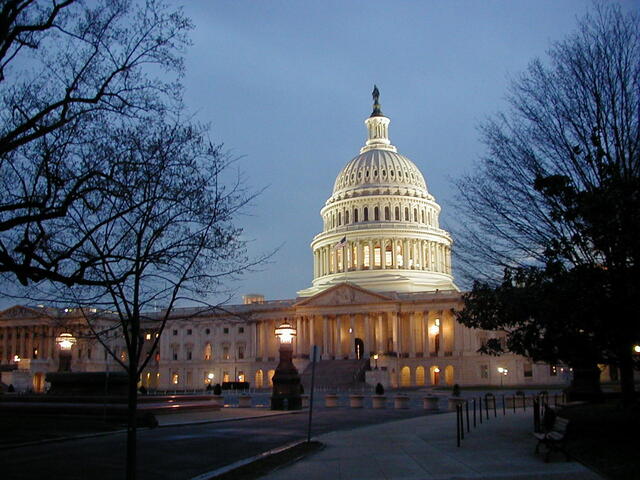
posted by mr_crash_davis at 6:56 PM on October 1, 2005
You've got to consider the target demographic. This ad was published first in Armed Forces Journal. Do you really think it would be considered offensive by the audience?
Again, this ad shows exactly what the Osprey would be used for.
posted by c13 at 6:59 PM on October 1, 2005
Again, this ad shows exactly what the Osprey would be used for.
posted by c13 at 6:59 PM on October 1, 2005
The "we didn't know it was a mosque" defense some of you are putting up is almost, but not quite, funny.
The only question I have is whether or not it was done on purpose, for the free publicity.
posted by I Love Tacos at 7:20 PM on October 1, 2005
The only question I have is whether or not it was done on purpose, for the free publicity.
posted by I Love Tacos at 7:20 PM on October 1, 2005
"The only question I have is whether or not it was done on purpose..."
Of course it was done on purpose. It resonates with the people who voted in the current administration. To them, we are at war with Islam, so anything that can aid in wiping out the heathens is a good thing, and well worth the billions we're spending on it.
posted by mr_crash_davis at 7:38 PM on October 1, 2005
Of course it was done on purpose. It resonates with the people who voted in the current administration. To them, we are at war with Islam, so anything that can aid in wiping out the heathens is a good thing, and well worth the billions we're spending on it.
posted by mr_crash_davis at 7:38 PM on October 1, 2005
Maybe that mosque just happened to way in the way, en route to the Forward Command Post.
Or, maybe Bobby Welch, current head of the Southern Baptist Convention, had something to do with this.
You, The Warrior Leader:
"We are at war! This declaration should come as no surprise to anyone within earshot of today’s news media, but our war as Christians is much more intense and of a grander scale than any news report will ever show. There is a cosmic war between God’s army and the princes of evil, and all are enlisted. What is needed in today’s church are warrior leaders to lead charges into battle.
You, the Warrior Leader will develop Christians called to leadership roles into victorious spiritual war fighters who can form a multiplying army to fulfill the Great Commission—the mission to which God’s army has been called. Christians will be able to expand their force in a unified, focused, mobilized, intentional, and effective offensive campaign that will succeed at winning and discipling the world locally, nationally, and internationally.
"

posted by troutfishing at 8:29 PM on October 1, 2005
Or, maybe Bobby Welch, current head of the Southern Baptist Convention, had something to do with this.
You, The Warrior Leader:
"We are at war! This declaration should come as no surprise to anyone within earshot of today’s news media, but our war as Christians is much more intense and of a grander scale than any news report will ever show. There is a cosmic war between God’s army and the princes of evil, and all are enlisted. What is needed in today’s church are warrior leaders to lead charges into battle.
You, the Warrior Leader will develop Christians called to leadership roles into victorious spiritual war fighters who can form a multiplying army to fulfill the Great Commission—the mission to which God’s army has been called. Christians will be able to expand their force in a unified, focused, mobilized, intentional, and effective offensive campaign that will succeed at winning and discipling the world locally, nationally, and internationally.
"
posted by troutfishing at 8:29 PM on October 1, 2005
Having an Islamic variant of an Osprey or equivalent aircraft with rappeling Al Qaeda military rappeling onto an american church roof would be provactive. Stating "It descends from the heavens. Ironically it unleashes hell" on an american church is inflamatory however one tries to spin it. Imagine that. Iranian helicopters rappeling Iranian Special Forces onto American churches on Sunday morning during peaceful services 'unleashing hell' from an Islamic God.
What could be more inflamatory than that?
Which begs the question, what were the stupid suits in the boardroom thinking when they signed off on this thing? How many *feet* did they have their heads up their imperious asses to not see the problem with this ad? Why the hell are such obviously stupid, bungling fools allowed to participate in the management of companies such as this? What does this say for U.S. corporate management as a whole? Inquiring, *rational and logical* minds would like to know.
Why does this country's military-industrial corporate environment hate civilian churchgoers so much that they would sign off on soldiers rappeling onto a church with the clear intent to annihilate every living human being below?
posted by mk1gti at 8:55 PM on October 1, 2005
What could be more inflamatory than that?
Which begs the question, what were the stupid suits in the boardroom thinking when they signed off on this thing? How many *feet* did they have their heads up their imperious asses to not see the problem with this ad? Why the hell are such obviously stupid, bungling fools allowed to participate in the management of companies such as this? What does this say for U.S. corporate management as a whole? Inquiring, *rational and logical* minds would like to know.
Why does this country's military-industrial corporate environment hate civilian churchgoers so much that they would sign off on soldiers rappeling onto a church with the clear intent to annihilate every living human being below?
posted by mk1gti at 8:55 PM on October 1, 2005
elwoodwiles: I get your general drift, but I'm bothered greatly by the contention that it should be obvious to everyone that the building in question is a mosque just because it has a " dome thingy-a-bob". I'm not an American, and I didn't think it was a mosque until I read the article.
Consider, for instance, the following buildings:-
A (still fully functional) school:

A hospital:

A legislative assembly:

A high court:

A film studio:

In short, I really can't fault the ad agency for missing that the building in question is a place of religious interest. It really isn't that apparent as you folks are making it out to be in this part of the world; we love domes and we (used to) put them on just about every building we admire.
What you should question, however, and I think we can agree on this here, is the intent of the ad-agency; religious structure or not, the intent is quite apparent, and they don't quite have any wriggle room here. They are trying to depict American soldiers in action in a Middle-Eastern setting, period, that the building happens to be a mosque is, as far I'm concerned, only an ancillary point.
posted by the cydonian at 9:12 PM on October 1, 2005
Consider, for instance, the following buildings:-
A (still fully functional) school:
A hospital:
A legislative assembly:
A high court:
A film studio:
In short, I really can't fault the ad agency for missing that the building in question is a place of religious interest. It really isn't that apparent as you folks are making it out to be in this part of the world; we love domes and we (used to) put them on just about every building we admire.
What you should question, however, and I think we can agree on this here, is the intent of the ad-agency; religious structure or not, the intent is quite apparent, and they don't quite have any wriggle room here. They are trying to depict American soldiers in action in a Middle-Eastern setting, period, that the building happens to be a mosque is, as far I'm concerned, only an ancillary point.
posted by the cydonian at 9:12 PM on October 1, 2005
ancillary to you perhaps :
But the recent, prolific US right rhetoric of religious war and crusade has dramatically amplified Islamic sensitivity to such unfortunate mistakes.
posted by troutfishing at 9:32 PM on October 1, 2005
But the recent, prolific US right rhetoric of religious war and crusade has dramatically amplified Islamic sensitivity to such unfortunate mistakes.
posted by troutfishing at 9:32 PM on October 1, 2005
I can see that not everyone would see this as a mosque. But it most certainly jumps right out at you as Middle Eastern, which was possibly the only intent (but not necessarily). Even that is a little iffy. A general, anywhere-conflict would seem a lot safer from an advert. standpoint, but what do I know.
c13: you're getting carried away. Yes, this is a war-fighting machine. It will be used to kill people. It will not, generally, be used to drop troops into religious buildings to wage war upon those inside. Even if it has some small duty as troop transport to the occasional conflict happening in a mosque, that is sure as hell not the situation you want to advertise, any more than you'd want to advertise fighting at a school or a hospital.
I hope this was a mistake. If it was done on purpose, it was very stupid.
posted by teece at 12:11 AM on October 2, 2005
c13: you're getting carried away. Yes, this is a war-fighting machine. It will be used to kill people. It will not, generally, be used to drop troops into religious buildings to wage war upon those inside. Even if it has some small duty as troop transport to the occasional conflict happening in a mosque, that is sure as hell not the situation you want to advertise, any more than you'd want to advertise fighting at a school or a hospital.
I hope this was a mistake. If it was done on purpose, it was very stupid.
posted by teece at 12:11 AM on October 2, 2005
Look, people who made this ad, and the ones who are meant to consume it think its pretty clever and funny. As a matter of fact, its a pretty effective ad, since it's got that many more people talking about it. But thats really not my point. We've got a city under water, a stupid war that is consuming a hell of a lot of resources, about a third of oil supply missing and a whole bunch of other shit going down. There is plenty to be outraged about without a god damned ad for a troop transport in some military magazine.
Just saying...
posted by c13 at 1:33 AM on October 2, 2005
Just saying...
posted by c13 at 1:33 AM on October 2, 2005
loquax: the thing is, the people at the agency who worked on this ad which presumably was nicely paid given the value of the client and product advertised, not to mention the people at the company that spent all that money for the ad in the first place, are not "the majority of people", and when you choose a photograph for an ad, even more so for such an expensive ad for such an expensive "product" that is targeted at such a special market and your customer is the government, you can be sure you know what the photograph depicts!
Come on dude, you're not talking of a kid creating a banner for his personal homepage.
- So, anyway, the idea is it'd be totally cool to advertise the unleashing of American hell on a foreign primary school, right?
No! Exactly my point! Why would anyone willingly show their plane attacking a primary school, or a hospital, or a fruit market, or a mosque? That's why I'm giving them the benefit of the doubt of not knowing any better.
I don't follow. What benefit of the doubt for what? if you acknowledge the message remains the same even if the building was not a mosque (of course it makes it "stronger" that it's a religious building, and the religious language of the text reinforces that "message"), then how can you think they didn't know exactly what the message is?
It's very explicit. It's a straightforward appeal to the divine pleasure of unleashing destruction on civilians in a foreign country. Why would anyone willingly show that? Because they know their target clients, they know the use their "product" is put to, and don't need to play around with the hypocrisy of political language.
posted by funambulist at 4:52 AM on October 2, 2005
Come on dude, you're not talking of a kid creating a banner for his personal homepage.
- So, anyway, the idea is it'd be totally cool to advertise the unleashing of American hell on a foreign primary school, right?
No! Exactly my point! Why would anyone willingly show their plane attacking a primary school, or a hospital, or a fruit market, or a mosque? That's why I'm giving them the benefit of the doubt of not knowing any better.
I don't follow. What benefit of the doubt for what? if you acknowledge the message remains the same even if the building was not a mosque (of course it makes it "stronger" that it's a religious building, and the religious language of the text reinforces that "message"), then how can you think they didn't know exactly what the message is?
It's very explicit. It's a straightforward appeal to the divine pleasure of unleashing destruction on civilians in a foreign country. Why would anyone willingly show that? Because they know their target clients, they know the use their "product" is put to, and don't need to play around with the hypocrisy of political language.
posted by funambulist at 4:52 AM on October 2, 2005
The comparison between the V-22 development and the Shuttle are quite striking. They are both trying to push the limit of hybrid capabilities to an extreme. The difference is that the Shuttle probably doesn't actually do anything useful - witness the new moon mission plans with the crew launching serperatly from the bulk of the 'freight' - this may not be true for the V-22. The 'useful' purpose of the V-22 is well illustrated in the wikipedia article on tilt rotor aircraft:
Based on the wired article on the V-22, one has to wonder if the design has really been ironed out thoroughly. NASA made many claims of improved culture and safety after Challenger too. To me, problems like the following put such claims firmly in the category 'I'll believe it when I see it':
posted by Chuckles at 5:27 AM on October 2, 2005
This speed is only achieved at the expense of payload, so that typical tiltrotors carry about half the payload of typical helicopters. For example, the V-22 tiltrotor has an empty weight of about 32,000 lb (14,500 kg), has two 6,150 shp (4.6 MW) engines and carries 24 troops. To illustrate the relatively greater efficiency of a helicopter, the CH-53E Super Stallion has the same empty weigh and the same engine power (3x 4300 shp), but can support a 50% higher maximum weight. This allows the CH-53E to carry 55 troops, and results in a payload that is more than twice that of the V-22. Because of the helicopter's greater payload, it has greater range than the tiltrotor, since it can carry much more fuel. The V-22, however, cruises 50% faster, and at much higher cruise altitudes. Because of this payload disadvantage, the tiltrotor's transport efficiency (speed times payload) does not ever equal that of a helicopter. The speed advantage alone, however, is significant in some military missions. For example, if the mission extends to 500 nautical miles (900 km), a typical tiltrotor can arrive in 2 hours, where a helicopter might take as long as 3 1/2 hours. The 1 1/2 hours saved could be very valuable tactically, and is the principal virtue sought by the military forces that advocate the tiltrotor.Along with mission time, the 50% increase in speed and higher cruising altitude would make a V-22 much harder to shoot down with small arms, RPGs, or even shoulder launched SAMs.
Based on the wired article on the V-22, one has to wonder if the design has really been ironed out thoroughly. NASA made many claims of improved culture and safety after Challenger too. To me, problems like the following put such claims firmly in the category 'I'll believe it when I see it':
Odin Leberman, then a lieutenant colonel and the Osprey squadron commander at New River, ordered marines in his command to falsify Osprey maintenance records. He did it to make the plane appear more reliable than it was, to increase its chances of winning new funding. "We need to lie or manipulate the data, or however you wanna call it," he said in a meeting. A maintenance crew member was secretly running a tape. Leberman was later relieved of duty.A couple of the technical problems discussed in the article stand out, but I will only address the vortex ring state problem:
The accident was attributed to a little-understood flight phenomenon called vortex ring state, or VRS, in which a helicopter descending rapidly at low forward speed drops into its own turbulence. Its rotors lose their grip on the air, and the bird drops out of the sky. That news especially shook the Osprey community - it suggested that the plane might be fundamentally flawed. One squadron member reportedly turned in his wings.and solution:
Solution: Install a simple warning system. When a pilot pushes an Osprey toward VRS, a light flashes in the cockpit and a voice cautions, "Sink rate." And Osprey pilots now know to pay attention to those warnings.It appears that piloting a V-22 will be a serious challenge. It is my understanding that the Harrier has had similar problems. It is said that so long as the Marines only allowed their best pilots to fly Harriers the safety record was okay, but as soon as they relaxed their standards a little they started to see crashes. At any rate, the problem isn't really solvable, and weather that is an issue can't really be known definitively until the V-22 has seen combat missions.
posted by Chuckles at 5:27 AM on October 2, 2005
For the record, of course the implications of the add were intentional. I used to read a lot of International Combat Arms in the 80's and I recall seeing lots of similar stuff. The difference being that it wasn't politically incorrect to make such allusions about the godless communists - not to mention that the term didn't really exist anyway.
posted by Chuckles at 5:33 AM on October 2, 2005
posted by Chuckles at 5:33 AM on October 2, 2005
I was sure all my quotes had small tags, and whether not weather, etc. etc...
posted by Chuckles at 5:37 AM on October 2, 2005
posted by Chuckles at 5:37 AM on October 2, 2005
I'll believe the Osprey is a viable transport aircraft when I see it replace the much older, slower VH-3D that the White House currently uses as "Marine One." And that'll happen when hell freezes over.
posted by alumshubby at 6:35 AM on October 2, 2005
posted by alumshubby at 6:35 AM on October 2, 2005
And I reiterate, only an idiot would believe that a significant portion of the non-muslim, non-arabic population of the US (including ad copywriters and graphic designers) would actually recognize that building as a mosque at first (or even second or third) glance.
Really? Is the non-muslim, non-Arabic populuation of the U.S. really so insular and ignorant? If so, this does not bode well for the future of the U.S.
I'd argue that only someone who is ignorant and extremely insular wouldn't recognize the building as a mosque or at least Middle-Eastern in origin.
Having an Islamic variant of an Osprey or equivalent aircraft with rappeling Al Qaeda military rappeling onto an american church roof would be provactive.
Oh, come now mk1gti, only an idiot would believe that a significant portion of the non-christian, Arabic population of several Middle-Eastern countries (including ad copywriters and graphic designers) would actually recognize an American church roof as an American church roof at first (or even second or third) glance.
Afterall, most copywriters and graphic designers thrive because of their ignorance and insularity. Therefore, if such an advert existed, most Americans would be perfectly fine with it since they'd realize it was ok and was just an honest mistake.
And by the way, my mother owns a marshmallow factory downtown.
posted by juiceCake at 6:46 AM on October 2, 2005
Really? Is the non-muslim, non-Arabic populuation of the U.S. really so insular and ignorant? If so, this does not bode well for the future of the U.S.
I'd argue that only someone who is ignorant and extremely insular wouldn't recognize the building as a mosque or at least Middle-Eastern in origin.
Having an Islamic variant of an Osprey or equivalent aircraft with rappeling Al Qaeda military rappeling onto an american church roof would be provactive.
Oh, come now mk1gti, only an idiot would believe that a significant portion of the non-christian, Arabic population of several Middle-Eastern countries (including ad copywriters and graphic designers) would actually recognize an American church roof as an American church roof at first (or even second or third) glance.
Afterall, most copywriters and graphic designers thrive because of their ignorance and insularity. Therefore, if such an advert existed, most Americans would be perfectly fine with it since they'd realize it was ok and was just an honest mistake.
And by the way, my mother owns a marshmallow factory downtown.
posted by juiceCake at 6:46 AM on October 2, 2005
Having an Islamic variant of an Osprey or equivalent aircraft with rappeling Al Qaeda military rappeling onto an american church roof would be provocative.
It is telling that people are using a hypothetical for the Al Qaeda equivalent in this discussion - Miami importer distributes toys depicting 9-11.
One could as easily say "I thought they were just making toys about a historical event, I don't think they were meant to be provocative."
posted by Chuckles at 7:13 AM on October 2, 2005
It is telling that people are using a hypothetical for the Al Qaeda equivalent in this discussion - Miami importer distributes toys depicting 9-11.
One could as easily say "I thought they were just making toys about a historical event, I don't think they were meant to be provocative."
posted by Chuckles at 7:13 AM on October 2, 2005
The difference being BOEING doesn't make toys...
posted by funambulist at 9:30 AM on October 2, 2005
posted by funambulist at 9:30 AM on October 2, 2005
I think the last Osprey crash occurred when the pilot decided to fly it beyond the recommended limits.
IOW: In the actual air as opposed to in Pentagon artist renderings.
posted by tkchrist at 3:18 PM on October 3, 2005
IOW: In the actual air as opposed to in Pentagon artist renderings.
posted by tkchrist at 3:18 PM on October 3, 2005
« Older More bombs in bali | Greek wav files Newer »
This thread has been archived and is closed to new comments
Oh, and: This Osprey, it flies?
posted by docgonzo at 10:49 AM on October 1, 2005