10 Reasons not to accept a diamond
January 9, 2006 11:27 PM Subscribe
10 reasons not to accept a diamond. Something to think about if you are tieing the knot. I'm sure this list doesn't make these folks very happy - more reason to spread the word.
I was actually planning to post a question to AskMe at some point about how to go about buying a diamond that isn't blood-drenched. This post doesn't help me with that question, though, so I guess I'll keep it on deck....
posted by stavrosthewonderchicken at 11:47 PM on January 9, 2006
posted by stavrosthewonderchicken at 11:47 PM on January 9, 2006
Is this stuff really true?
I've certainly heard at least the former very many times, from respectable sources.
posted by flaterik at 11:54 PM on January 9, 2006
I've certainly heard at least the former very many times, from respectable sources.
posted by flaterik at 11:54 PM on January 9, 2006
Is it still okay for me to give them to Nevada prostitutes?
posted by Astro Zombie at 11:58 PM on January 9, 2006
posted by Astro Zombie at 11:58 PM on January 9, 2006
Edward Jay Epstein's book The Diamond Invention (which is free and online) is a great resource on this topic.
posted by Staggering Jack at 12:01 AM on January 10, 2006
posted by Staggering Jack at 12:01 AM on January 10, 2006
I gave my wife an heirloom diamond taken from my great unkle's 32'nd degree mason ring. I wouldn't have bought one of my own accord. I think we had it appraised for 11k or something. But, really, it's not worth anything unless it's on my wife's finger.
posted by Balisong at 12:02 AM on January 10, 2006
posted by Balisong at 12:02 AM on January 10, 2006
Is this stuff really true?
From the above book:
From the above book:
Retail jewelers generally prefer not to buy back diamonds from customers because the offer they would make most likely would be considered ridiculously low. The "keystone," or markup, on a diamond and setting may range from 100 to 200 percent, depending on the policy of the store. If they bought diamonds back from customers, they would have to buy them back at the wholesale price. Most jewelers would prefer not make a customer an offer that not only might be deemed insulting but would also undercut the widely-held notion that diamonds hold their value. Moreover, since retailers generally receive their diamonds from wholesalers on consignment and need not pay for them until they are sold, they would not readily risk their own cash to buy diamonds from customers. Rather than offer customers a fraction of what they paid for diamonds, retail jewelers usually recommend their clients to other firmsposted by Staggering Jack at 12:08 AM on January 10, 2006
stavros, there are companies who document the entire diamond mining process and provide a certificate that indicates where the diamond is from. All totalled, I think less than 5% of diamonds are conflict diamonds. Check out The Kimberly Process for more information.
posted by panoptican at 12:17 AM on January 10, 2006
posted by panoptican at 12:17 AM on January 10, 2006
Canadian diamonds at least assure you that you aren't supporting a bloody civil war, but that doesn't make them any less stupid a purchase from a financial point of view.
posted by Space Coyote at 12:19 AM on January 10, 2006
posted by Space Coyote at 12:19 AM on January 10, 2006
If its any consolation, only 3 or 4 out of the 10 actually apply to Canadian diamonds (The world's 3rd largest producer). Canadian producers are subject to a Diamond Code of Conduct and while participation is voluntary - the two producers are members.
Canadian Diamond producers negotiated deals with the local First Nations and also with the territorial government (1mb pdf). They are subject to strict standards including a 30% first nations employment target, and they must offer english literacy training.
One of the camps features "a gymnasium, squash/racquetball courts, full workout facilities, games room, TV lounges, golf-putting green, golf-simulators and a simulated golf driving range." I've heard they even get Atlantic Lobster dinners on occasion.
Oh - and universal health care.
But, diamonds are still a waste of money!
posted by SSinVan at 12:31 AM on January 10, 2006
Canadian Diamond producers negotiated deals with the local First Nations and also with the territorial government (1mb pdf). They are subject to strict standards including a 30% first nations employment target, and they must offer english literacy training.
One of the camps features "a gymnasium, squash/racquetball courts, full workout facilities, games room, TV lounges, golf-putting green, golf-simulators and a simulated golf driving range." I've heard they even get Atlantic Lobster dinners on occasion.
Oh - and universal health care.
But, diamonds are still a waste of money!
posted by SSinVan at 12:31 AM on January 10, 2006
I thought / wished more people knew about this. I was taught this 15 years ago in high school. Diamonds are largely overrated, and there are many more jewels that are more attractive in appearance.
It totally infuriates me that people think that there is some sort of long-standing tradition of giving diamonds, when it's really only been a couple of generations.
What better way to say, "I want to start a life together with you" than to demonstrate good judgement by blowing 20% of your annual income on a near-worthless symbol of your partner's lack of criticality / intelligence in the face of corporate advertising? Get something useful, like a down payment on a home or maybe a car.
[girlfriend walks in room]
Man, Ima get my wooman the biggest, blingin'est piece of ice-rock inna citty!
posted by Extopalopaketle at 12:46 AM on January 10, 2006
It totally infuriates me that people think that there is some sort of long-standing tradition of giving diamonds, when it's really only been a couple of generations.
What better way to say, "I want to start a life together with you" than to demonstrate good judgement by blowing 20% of your annual income on a near-worthless symbol of your partner's lack of criticality / intelligence in the face of corporate advertising? Get something useful, like a down payment on a home or maybe a car.
[girlfriend walks in room]
Man, Ima get my wooman the biggest, blingin'est piece of ice-rock inna citty!
posted by Extopalopaketle at 12:46 AM on January 10, 2006
All diamonds not already under its control are bought by the cartel, and then the De Beers cartel carefully managed world diamond supply in order to keep prices steadily high.
When I was an undergrad, I had a geology professor who told the class that he'd toured diamond wharehouses in South Africa. He said they contained a hell of a lot of diamonds. Indeed, there were so many that if they were dumped on the market, the price of the stones would plummet to almost nothing.
posted by Clay201 at 12:50 AM on January 10, 2006
When I was an undergrad, I had a geology professor who told the class that he'd toured diamond wharehouses in South Africa. He said they contained a hell of a lot of diamonds. Indeed, there were so many that if they were dumped on the market, the price of the stones would plummet to almost nothing.
posted by Clay201 at 12:50 AM on January 10, 2006
Uh huh. Is there anything Americans are not conditioned to want?
If depreciating economic value, the environment, and the suffering of people in the third world were compelling reasons to temper American consumerism, people wouldn't be buying SUVs by the millions.
Consider: 9/11, 100,000 Iraqi civilians killed, 2100 US soldiers dead, and $400 billion spent on the war in Iraq... and people are still buying 8mpg SUVs.
As for HIV, people in this country have trouble using condoms consistently even when their own health is at stake, so it's hard to imagine they would care about higher rates of infection among diamond miners in Africa.
Hell, Bush supporters are okay with shredding the constitution, the end of the separation of church and state, wars based on lies, spying on Americans, wholesale political corruption, outting CIA agents for political retribution, borrowing trillions of dollars from our kids and giving that money to the wealthiest 1%, and even torture that includes crushing the testicles of a suspect's child. Diamonds are going to be far down on a long list of socially acceptable "evils".
Gas isn't going anywhere even though there's a much stronger argument against using oil than diamonds. And unlike diamonds, a tank of gas won't get you laid. End of story.
posted by Davenhill at 12:55 AM on January 10, 2006
If depreciating economic value, the environment, and the suffering of people in the third world were compelling reasons to temper American consumerism, people wouldn't be buying SUVs by the millions.
Consider: 9/11, 100,000 Iraqi civilians killed, 2100 US soldiers dead, and $400 billion spent on the war in Iraq... and people are still buying 8mpg SUVs.
As for HIV, people in this country have trouble using condoms consistently even when their own health is at stake, so it's hard to imagine they would care about higher rates of infection among diamond miners in Africa.
Hell, Bush supporters are okay with shredding the constitution, the end of the separation of church and state, wars based on lies, spying on Americans, wholesale political corruption, outting CIA agents for political retribution, borrowing trillions of dollars from our kids and giving that money to the wealthiest 1%, and even torture that includes crushing the testicles of a suspect's child. Diamonds are going to be far down on a long list of socially acceptable "evils".
Gas isn't going anywhere even though there's a much stronger argument against using oil than diamonds. And unlike diamonds, a tank of gas won't get you laid. End of story.
posted by Davenhill at 12:55 AM on January 10, 2006
The diamond market is unique in economics. Supply makes absolutely no difference to the price - and the supply of diamonds is plentiful. Turns out, if people want to buy diamonds, they want to spend a lot of money on it. That's also why resale doesn't work.
posted by Protocols of the Elders of Awesome at 1:00 AM on January 10, 2006
posted by Protocols of the Elders of Awesome at 1:00 AM on January 10, 2006
whoah ... kind of derailish there Davenhill - and a bit unfair to single out the US. You could substitute "The Western World" for your arguement there quite credibly.
posted by Dag Maggot at 1:01 AM on January 10, 2006
posted by Dag Maggot at 1:01 AM on January 10, 2006
Can't wait until synthetic diamonds are cheap as salt.
I expect it will make little difference. Diamonds are an old-school status symbol and people don't want synthetics.
posted by Protocols of the Elders of Awesome at 1:02 AM on January 10, 2006
I expect it will make little difference. Diamonds are an old-school status symbol and people don't want synthetics.
posted by Protocols of the Elders of Awesome at 1:02 AM on January 10, 2006
True, but synthetics are approaching the point of being bona fide diamonds -- same physical composition, same sparkle, same hardness, but more purity and much, much cheaper. Once synthetics are indistinguishable from "real" diamonds, the marketplace will probably change dramatically, regardless of the prestige value of a diamond from a mine.
posted by brain_drain at 1:08 AM on January 10, 2006
posted by brain_drain at 1:08 AM on January 10, 2006
Is there a word for seeing something written down for the first time that you’ve always suspected? Well, I just had that feeling then.
Plus what snickerdoodle said. I reckon there are dozens and dozens of prettier rocks out there. Tiger eye is my favourite for some reason. Opals are real purdy too. Even polished freakin’ iron ore looks nicer.
posted by uncanny hengeman at 1:12 AM on January 10, 2006
Plus what snickerdoodle said. I reckon there are dozens and dozens of prettier rocks out there. Tiger eye is my favourite for some reason. Opals are real purdy too. Even polished freakin’ iron ore looks nicer.
posted by uncanny hengeman at 1:12 AM on January 10, 2006
I expect it will make little difference. Diamonds are an old-school status symbol and people don't want synthetics.
From Afroblanco's 2nd link:
"Synthetic diamonds have been available since the 1950s and are commonly used in industrial abrasives, but till now have made little headway in the gem market due to prohibitive manufacturing expense. Supposedly the new artificial diamonds, particularly those made by chemical vapor deposition (CVD), are both cheap to produce and, unlike knockoffs such as cubic zirconium, virtually indistinguishable from natural diamonds even in the lab."
posted by uncanny hengeman at 1:20 AM on January 10, 2006
From Afroblanco's 2nd link:
"Synthetic diamonds have been available since the 1950s and are commonly used in industrial abrasives, but till now have made little headway in the gem market due to prohibitive manufacturing expense. Supposedly the new artificial diamonds, particularly those made by chemical vapor deposition (CVD), are both cheap to produce and, unlike knockoffs such as cubic zirconium, virtually indistinguishable from natural diamonds even in the lab."
posted by uncanny hengeman at 1:20 AM on January 10, 2006
A slight derail: how can something be universally priced above its value? This is not a snark; I don't have a good grasp on economics. How can value be determined without regard to average price? I always took them to be more-or-less synonymous, but I'd be happily corrected. Doesn't "priced above their value" mean "available for much cheaper elsewhere"? How can this apply to a product across the board?
posted by ori at 1:35 AM on January 10, 2006
posted by ori at 1:35 AM on January 10, 2006
Doesn't "priced above their value" mean "available for much cheaper elsewhere"?
It could also mean "collusion" and "monopoly". If there's no-one out there who wants to play proper market economics and sell them cheaper than the next guy, then the price remains artificially high.
posted by Jimbob at 1:40 AM on January 10, 2006
It could also mean "collusion" and "monopoly". If there's no-one out there who wants to play proper market economics and sell them cheaper than the next guy, then the price remains artificially high.
posted by Jimbob at 1:40 AM on January 10, 2006
I want the market for diamonds to crash. They should be as cheap as silicon.
There's a secretive company in Florida that's starting to grow big ones. They've already started targeting the jewelry market.
But the big goal is electronics and semiconducters. You can build and run a chip on diamond wafer instead of silicon, and you can run it smaller, faster, and with more power.
Clockcycles and bandwidth are the new bling, baby.
posted by loquacious at 2:07 AM on January 10, 2006
There's a secretive company in Florida that's starting to grow big ones. They've already started targeting the jewelry market.
But the big goal is electronics and semiconducters. You can build and run a chip on diamond wafer instead of silicon, and you can run it smaller, faster, and with more power.
Clockcycles and bandwidth are the new bling, baby.
posted by loquacious at 2:07 AM on January 10, 2006
When synthetic diamonds come out, deBeers et al, will start laser etching "Genuine diamond" marks on the mined diamonds. People will then be conditioned to only buy "Genuine Diamonds".
What most people don't realise is that people don't buy diamonds because of how they look, they buy them because they cost so much.
If the synthetic diamond market wants to take off, it should start charging more then deBeers. If the synthetic diamond companies have ethical problems with this, then they should just syphon off the profits into charities which are designed to stabilise/feed/medicine third world countries.
posted by seanyboy at 2:11 AM on January 10, 2006
What most people don't realise is that people don't buy diamonds because of how they look, they buy them because they cost so much.
If the synthetic diamond market wants to take off, it should start charging more then deBeers. If the synthetic diamond companies have ethical problems with this, then they should just syphon off the profits into charities which are designed to stabilise/feed/medicine third world countries.
posted by seanyboy at 2:11 AM on January 10, 2006
When synthetic diamonds come out, deBeers et al, will start laser etching "Genuine diamond" marks on the mined diamonds. People will then be conditioned to only buy "Genuine Diamonds".
I wonder if you can laser etch on a diamond?
posted by Dag Maggot at 2:15 AM on January 10, 2006
I wonder if you can laser etch on a diamond?
posted by Dag Maggot at 2:15 AM on January 10, 2006
OK, one down. Now who's gonna take on the other sacred cow pillar of Western relationships, that orgy of consumption that is the modern wedding?
posted by rob511 at 2:18 AM on January 10, 2006
posted by rob511 at 2:18 AM on January 10, 2006
When synthetic diamonds come out, deBeers et al, will start laser etching "Genuine diamond" marks on the mined diamonds. People will then be conditioned to only buy "Genuine Diamonds".
And then scammers (like me, heh he!) will simply do the same to synthetic diamonds. After all, the Straight Dope says the latest ones are "virtually indistinguishable from natural diamonds even in the lab."
Dead fucking easy.
(Pssst. Wanna buy a watch, seanyboy?!)
posted by uncanny hengeman at 2:30 AM on January 10, 2006
And then scammers (like me, heh he!) will simply do the same to synthetic diamonds. After all, the Straight Dope says the latest ones are "virtually indistinguishable from natural diamonds even in the lab."
Dead fucking easy.
(Pssst. Wanna buy a watch, seanyboy?!)
posted by uncanny hengeman at 2:30 AM on January 10, 2006
That's interesting youarenothere - I've learned a new word. And I'm sure it's a real phenomenon
posted by Dag Maggot at 2:58 AM on January 10, 2006
posted by Dag Maggot at 2:58 AM on January 10, 2006
Uh huh. Is there anything Americans are not conditioned to want?
Universal health care? Rational cars? Public transit? Tax equity? Undercrowded prisons? The concept of Enough?
posted by Kirth Gerson at 3:06 AM on January 10, 2006 [1 favorite]
Universal health care? Rational cars? Public transit? Tax equity? Undercrowded prisons? The concept of Enough?
posted by Kirth Gerson at 3:06 AM on January 10, 2006 [1 favorite]
A slight derail: how can something be universally priced above its value? This is not a snark; I don't have a good grasp on economics. How can value be determined without regard to average price?
Because value isn't determined exclusively by price AT ALL, unless you want it to be.
For instance, say that a number of different markets offer potato at price between $1/lb to $1.5/lb , you'd conclude that the average value of 1lb of potato is probably around $1.25/lb.
Let's say you eat the potato : after three straight days of eating potatoes and only potatoes I bet you'll not buy an additional lb of potato not even if I offered you at $0.50/lb
so the value of potato FOR you is now close to $0/lb. Yet if you think you can sell the potato you'll buy it at $0.50 offer and sell at somebody else for a profit.
Evidently if you eat the potato has a value X that isn't the same as the resale value Y . Therefore at the same time you have more then one value for potato. depending on who evalutes the good :)
Imagine the following : markets start selling food not at the quantity-produced and expected return values, but at the value measure in dollars you're willing to pay to NOT starve ; a.k.a you let food market freely fluctuate.
Given that demand for food is almost constant in time and I bet my family jewels you don't want to starve, I can ask you for any price, you'll pay it or die ; that , obviously, if the food producers decide to extract profit from you regardless of consequences (short term thinking approach to profit)
posted by elpapacito at 3:07 AM on January 10, 2006
Because value isn't determined exclusively by price AT ALL, unless you want it to be.
For instance, say that a number of different markets offer potato at price between $1/lb to $1.5/lb , you'd conclude that the average value of 1lb of potato is probably around $1.25/lb.
Let's say you eat the potato : after three straight days of eating potatoes and only potatoes I bet you'll not buy an additional lb of potato not even if I offered you at $0.50/lb
so the value of potato FOR you is now close to $0/lb. Yet if you think you can sell the potato you'll buy it at $0.50 offer and sell at somebody else for a profit.
Evidently if you eat the potato has a value X that isn't the same as the resale value Y . Therefore at the same time you have more then one value for potato. depending on who evalutes the good :)
Imagine the following : markets start selling food not at the quantity-produced and expected return values, but at the value measure in dollars you're willing to pay to NOT starve ; a.k.a you let food market freely fluctuate.
Given that demand for food is almost constant in time and I bet my family jewels you don't want to starve, I can ask you for any price, you'll pay it or die ; that , obviously, if the food producers decide to extract profit from you regardless of consequences (short term thinking approach to profit)
posted by elpapacito at 3:07 AM on January 10, 2006
I've always thought it was strange to give drill bit tips to prospective wives. You're giving them the tools to escape.
posted by srboisvert at 3:14 AM on January 10, 2006
posted by srboisvert at 3:14 AM on January 10, 2006
Well, of course they're priced above their value--they're tiny little rocks. You can't eat them, drink them, live in them, or have sex with them, so from a position of strictly inherent value, they're worth nothing.
Diamonds have value the same way a Rolex watch does. It's a seven thousand dollar hunk of metal that sits on your wrist and tells time (poorly). But it's a status symbol. Same thing with the diamond. That's why synthetic stones will never really catch on. The point of a diamond isn't to say "look at this little rock I wear!" It's to say "look at this incredibly expensive little rock I wear!"
posted by EarBucket at 3:23 AM on January 10, 2006
Diamonds have value the same way a Rolex watch does. It's a seven thousand dollar hunk of metal that sits on your wrist and tells time (poorly). But it's a status symbol. Same thing with the diamond. That's why synthetic stones will never really catch on. The point of a diamond isn't to say "look at this little rock I wear!" It's to say "look at this incredibly expensive little rock I wear!"
posted by EarBucket at 3:23 AM on January 10, 2006
De Beers already have machines that can tell the difference between natural and synthetic diamonds, and it is in their interest to ensure that they can continue to tell the difference, no matter how advanced syntetic fabrication become,s in order to maintain the allure of natural diamonds.
posted by doozer_ex_machina at 3:32 AM on January 10, 2006
posted by doozer_ex_machina at 3:32 AM on January 10, 2006
The difference might be, I think, when practical uses (beyond the tiny diamonds used in industrial equipment) are found for large, artificial diamonds. As other have said - computer chips, for instance. Or unscratchable camera lenses. Once people realise there's a few carats worth of diamond in their new consumer device, they'll start wondering why they pay thousands of dollars for the same thing on a ring.
posted by Jimbob at 3:44 AM on January 10, 2006
posted by Jimbob at 3:44 AM on January 10, 2006
My wife loves the diamond ring I had made for her.
That's good enough for me.
posted by Frasermoo at 3:44 AM on January 10, 2006
That's good enough for me.
posted by Frasermoo at 3:44 AM on January 10, 2006
My wife loves the diamond ring I had made for her.
Can I suggest it would look even better if accompanied by a nice fur coat?
posted by PeterMcDermott at 3:58 AM on January 10, 2006 [1 favorite]
Can I suggest it would look even better if accompanied by a nice fur coat?
posted by PeterMcDermott at 3:58 AM on January 10, 2006 [1 favorite]
My wife loves the diamond ring I had made for her.
That's good enough for me.
posted by Frasermoo at 3:44 AM PST on January 10 [!]
I don't care that:
4. Diamond Miners are Disproportionately Exposed to HIV/AIDS
Many diamond mining camps enforce all-male, no-family rules. Men contract HIV/AIDS from camp sex-workers, while women married to miners have no access to employment, no income outside of their husbands and no bargaining power for negotiating safe sex, and thus are at extremely high risk of contracting HIV.
5. Open-Pit Diamond Mines Pose Environmental Threats
Diamond mines are open pits where salts, heavy minerals, organisms, oil, and chemicals from mining equipment freely leach into ground-water, endangering people in nearby mining camps and villages, as well as downstream plants and animals.
6. Diamond Mine-Owners Violate Indigenous People's Rights
Diamond mines in Australia, Canada, India and many countries in Africa are situated on lands traditionally associated with indigenous peoples. Many of these communities have been displaced, while others remain, often at great cost to their health, livelihoods and traditional cultures.
7. Slave Laborers Cut and Polish Diamonds
More than one-half of the world's diamonds are processed in India where many of the cutters and polishers are bonded child laborers. Bonded children work to pay off the debts of their relatives, often unsuccessfully. When they reach adulthood their debt is passed on to their younger siblings or to their own children.
8. Conflict Diamonds Fund Civil Wars in Africa
There is no reliable way to insure that your diamond was not mined or stolen by government or rebel military forces in order to finance civil conflict. Conflict diamonds are traded either for guns or for cash to pay and feed soldiers.
9. Diamond Wars are Fought Using Child Warriors
Many diamond producing governments and rebel forces use children as soldiers, laborers in military camps, and sex slaves. Child soldiers are given drugs to overcome their fear and reluctance to participate in atrocities.
10. Small Arms Trade is Intimately Related to Diamond Smuggling
Illicit diamonds inflame the clandestine trade of small arms. There are 500 billion small arms in the world today which are used to kill 500,000 people annually, the vast majority of whom are non-combatants.
screw you too.
posted by sic at 4:08 AM on January 10, 2006
That's good enough for me.
posted by Frasermoo at 3:44 AM PST on January 10 [!]
I don't care that:
4. Diamond Miners are Disproportionately Exposed to HIV/AIDS
Many diamond mining camps enforce all-male, no-family rules. Men contract HIV/AIDS from camp sex-workers, while women married to miners have no access to employment, no income outside of their husbands and no bargaining power for negotiating safe sex, and thus are at extremely high risk of contracting HIV.
5. Open-Pit Diamond Mines Pose Environmental Threats
Diamond mines are open pits where salts, heavy minerals, organisms, oil, and chemicals from mining equipment freely leach into ground-water, endangering people in nearby mining camps and villages, as well as downstream plants and animals.
6. Diamond Mine-Owners Violate Indigenous People's Rights
Diamond mines in Australia, Canada, India and many countries in Africa are situated on lands traditionally associated with indigenous peoples. Many of these communities have been displaced, while others remain, often at great cost to their health, livelihoods and traditional cultures.
7. Slave Laborers Cut and Polish Diamonds
More than one-half of the world's diamonds are processed in India where many of the cutters and polishers are bonded child laborers. Bonded children work to pay off the debts of their relatives, often unsuccessfully. When they reach adulthood their debt is passed on to their younger siblings or to their own children.
8. Conflict Diamonds Fund Civil Wars in Africa
There is no reliable way to insure that your diamond was not mined or stolen by government or rebel military forces in order to finance civil conflict. Conflict diamonds are traded either for guns or for cash to pay and feed soldiers.
9. Diamond Wars are Fought Using Child Warriors
Many diamond producing governments and rebel forces use children as soldiers, laborers in military camps, and sex slaves. Child soldiers are given drugs to overcome their fear and reluctance to participate in atrocities.
10. Small Arms Trade is Intimately Related to Diamond Smuggling
Illicit diamonds inflame the clandestine trade of small arms. There are 500 billion small arms in the world today which are used to kill 500,000 people annually, the vast majority of whom are non-combatants.
screw you too.
posted by sic at 4:08 AM on January 10, 2006
I don't know if they ever caught on in the US, but in the UK in the late 60's/early 70's, De Beers created the concept of the "eternity ring", typically a containing a bunch of small channel-set diamonds around its circumference. They were marketed as a way to show your love/devotion for someone without having to, you know, actually get engaged to them.
Years later I learned they were created solely to use up the large numbers of small diamonds coming on to the market from Siberia to help keep prices high.
posted by kcds at 4:18 AM on January 10, 2006
Years later I learned they were created solely to use up the large numbers of small diamonds coming on to the market from Siberia to help keep prices high.
posted by kcds at 4:18 AM on January 10, 2006
Darwin: women like diamonds because they tell others what a great catch they made to spread genes
Karl Marx: quantity drives out quality...the more there is of a thing, the less value it has.
posted by Postroad at 4:30 AM on January 10, 2006
Karl Marx: quantity drives out quality...the more there is of a thing, the less value it has.
posted by Postroad at 4:30 AM on January 10, 2006
Hmmm...another reason not to gain weight; the added fat cells would devalue my DNA.
posted by alumshubby at 4:38 AM on January 10, 2006
posted by alumshubby at 4:38 AM on January 10, 2006
Actually, I think fat cells just expand, rather than multiply alumshubby.
posted by Dag Maggot at 4:53 AM on January 10, 2006
posted by Dag Maggot at 4:53 AM on January 10, 2006
If the second-hand market for diamonds is so shabby, and you really wanted a rock for your sweetie, then it might be possible to spend a little extra time and effort tracking down another person's legacy stone. It would be (according to the arguement) significantly cheaper and, since the secondary market is largely independent of the primary market, relatively unsullied by bad things #4-10.
Is it really that hard to find a decent stone in an informal market?
posted by allan at 4:58 AM on January 10, 2006
Is it really that hard to find a decent stone in an informal market?
posted by allan at 4:58 AM on January 10, 2006
A friend is one of the UK's largest independent jewelers. Buying diamonds wholesale is an interesting business. A few times a year, De Beers holds a diamond sale in London. Selected retailers and manufacturers - I think they're called "sightholders" - go down to buy. The whole process is rigged: you can't say: "I'll take that one, and that one, and these two" - you have to buy packages of diamonds. This is related to kcds's point above: your package will contain about 50% small diamonds, again, so they can get rid of the small ones which wouldn't otherwise sell.
The other weird thing about these sales is that you have to buy - if you don't buy at one sale, you won't get invited to the next. And yes, most of the time you don't pay for them until you've sold them. The parallels with pyramid sales or drug pushing would almost be funny if it weren't for the atrocities.
posted by blag at 5:02 AM on January 10, 2006
The other weird thing about these sales is that you have to buy - if you don't buy at one sale, you won't get invited to the next. And yes, most of the time you don't pay for them until you've sold them. The parallels with pyramid sales or drug pushing would almost be funny if it weren't for the atrocities.
posted by blag at 5:02 AM on January 10, 2006
I do not contend that the diamond industry is not harmful & exploitative. But what would it be okay to accept as an acknowledgement of another's affection, if one were to take all of these ten reasons to heart? Almost anything advertised anywhere, or anything overpriced and not readily resaleable, or most anything mined or manufactured in the developing world or anywhere else that impinges on indigenous peoples' rights, or poses an environmental threat, or anything whose mining or manufacture or transport has exposed anyone to injury or infection, even incidentally. Until locally-grown organic vegetables obtained by barter (or the like) become the accepted currency of romance, some poor fucker somewhere will be suffering for the sake of almost any love-token imaginable.
posted by misteraitch at 5:18 AM on January 10, 2006
posted by misteraitch at 5:18 AM on January 10, 2006
"I’m shocked — shocked — that gambling is going on in this establishment!” If you don't know diamonds are bad by now, where have you been?
posted by smackfu at 6:02 AM on January 10, 2006
posted by smackfu at 6:02 AM on January 10, 2006
What misteraitch said. Diamonds are pretty and natural resource extraction is ugly, but there's nothing exceptional about either how people pay for pretty diamonds or the contribution of diamond mining to the aggregate ugliness of natural resource extraction.
I also don't like the basic thesis that people are sheep. African diamond miners know the AIDS risk of consorting with prostitutes, and some of them choose to do so anyway. American women know that they could get a big plasma television for the cost of modest diamond ring, and some of them choose the diamond over the plasma screen.
posted by MattD at 6:03 AM on January 10, 2006
I also don't like the basic thesis that people are sheep. African diamond miners know the AIDS risk of consorting with prostitutes, and some of them choose to do so anyway. American women know that they could get a big plasma television for the cost of modest diamond ring, and some of them choose the diamond over the plasma screen.
posted by MattD at 6:03 AM on January 10, 2006
Luckily I have:
a) A friend who is an international gem dealer and jewellery designer &
b) My grandmother's (d) engagement ring.
posted by i_cola at 6:04 AM on January 10, 2006
a) A friend who is an international gem dealer and jewellery designer &
b) My grandmother's (d) engagement ring.
posted by i_cola at 6:04 AM on January 10, 2006
Does this apply to other gemstones? I particularly think emeralds are very attractive, but I guess they would be just as unlikely to hold value, and potentially originate from 3rd world oppression, as diamonds?
posted by planetthoughtful at 6:14 AM on January 10, 2006
posted by planetthoughtful at 6:14 AM on January 10, 2006
But what would it be okay to accept as an acknowledgement of another's affection, if one were to take all of these ten reasons to heart?
Words and deeds.
posted by shawnj at 6:16 AM on January 10, 2006 [1 favorite]
Words and deeds.
posted by shawnj at 6:16 AM on January 10, 2006 [1 favorite]
I actually didn't know most of this, and am very glad I read it. Thank you!
posted by dougunderscorenelso at 6:16 AM on January 10, 2006
posted by dougunderscorenelso at 6:16 AM on January 10, 2006
misteraitch
Until locally-grown organic vegetables obtained by barter (or the like) become the accepted currency of romance, some poor fucker somewhere will be suffering for the sake of almost any love-token imaginable.
By your reasoning :
given that somehow someone is always going to suffer even the tiniest amount of exploitation in order to produce some "love-token"
then we shouldn't stop considering buying diamonds, diamons being just one of the of the "tainted" love tokens
By analogy:
given that there's always going to be something diseased
then we shouldn't bother ourselves starting removing part of the disease because we'll never completely totally removed the disease
By this reasoning we shouldn't cure unless we have a definitive complete perfect cure : but it's not going to happen as perfection is an ideal, nothing perfect exist.
Bullshit, I say.
posted by elpapacito at 6:25 AM on January 10, 2006
Until locally-grown organic vegetables obtained by barter (or the like) become the accepted currency of romance, some poor fucker somewhere will be suffering for the sake of almost any love-token imaginable.
By your reasoning :
given that somehow someone is always going to suffer even the tiniest amount of exploitation in order to produce some "love-token"
then we shouldn't stop considering buying diamonds, diamons being just one of the of the "tainted" love tokens
By analogy:
given that there's always going to be something diseased
then we shouldn't bother ourselves starting removing part of the disease because we'll never completely totally removed the disease
By this reasoning we shouldn't cure unless we have a definitive complete perfect cure : but it's not going to happen as perfection is an ideal, nothing perfect exist.
Bullshit, I say.
posted by elpapacito at 6:25 AM on January 10, 2006
Regarding Canadian diamonds:
Just as Canada has been able to offer a certifiably conflict-free variety of diamonds to ethically conscious consumers – and achieve goals such as the economic development of the north co-temporally – so too does Canada stand to benefit from an extending norm of disclosure within the international economic system. To quote a Statistics Canada report:
"Diamond mining is adding a new lustre to the Canadian economy and dazzle to that of the Northwest Territories. Current projects are contributing substantially, both economically and socially, to Canada and particularly the North."
The same report highlights how Canada’s position with respect to conflict diamonds has helped to bring about this economic development. In particular, Santarossa’s report documents Canadian participation in the development and implementation of the Kimberley Process of diamond ceritification. In an in-depth report, the Canadian Broadcasting Corporation stressed how Canadian stones are “not used to finance terror, war and weapons as they are in parts of the world such as Sierra Leone and Angola.” At the same time, Canada has moved in the space of a few years from being the world’s sixth largest diamond producer to occupying third place, supplying 15% of the world’s stones. While it is difficult to prove that Canada’s focus on ethics within the diamond industry have contributed to that increased market share, it can at least be said that the pursuit of such goals has created good publicity for Canadian diamonds and manifestly not harmed the profitability of Canadian diamond firms. The example indicates how good ethics need not be bad business in resource extraction.
posted by sindark at 6:27 AM on January 10, 2006
Just as Canada has been able to offer a certifiably conflict-free variety of diamonds to ethically conscious consumers – and achieve goals such as the economic development of the north co-temporally – so too does Canada stand to benefit from an extending norm of disclosure within the international economic system. To quote a Statistics Canada report:
"Diamond mining is adding a new lustre to the Canadian economy and dazzle to that of the Northwest Territories. Current projects are contributing substantially, both economically and socially, to Canada and particularly the North."
The same report highlights how Canada’s position with respect to conflict diamonds has helped to bring about this economic development. In particular, Santarossa’s report documents Canadian participation in the development and implementation of the Kimberley Process of diamond ceritification. In an in-depth report, the Canadian Broadcasting Corporation stressed how Canadian stones are “not used to finance terror, war and weapons as they are in parts of the world such as Sierra Leone and Angola.” At the same time, Canada has moved in the space of a few years from being the world’s sixth largest diamond producer to occupying third place, supplying 15% of the world’s stones. While it is difficult to prove that Canada’s focus on ethics within the diamond industry have contributed to that increased market share, it can at least be said that the pursuit of such goals has created good publicity for Canadian diamonds and manifestly not harmed the profitability of Canadian diamond firms. The example indicates how good ethics need not be bad business in resource extraction.
posted by sindark at 6:27 AM on January 10, 2006
elpapacito—buying diamonds indirectly causes harm: I was trying to point out that buying other stuff does too. How one might quantify that and make informed purchasing decisions that could help mitigate or minimise the suffering is the difficult bit, and one that is not greatly helped (in my opinion) by the original list of reasons. Best of all, of course, one ought perhaps not to buy anything, and rely instead, as shawnj points out, on words and deeds, although the cynic in me would, even so, be tempted to paraphrase Al Capone, & counter that one could get more with a kind word and jewellery than with a kind word alone.
posted by misteraitch at 6:36 AM on January 10, 2006
posted by misteraitch at 6:36 AM on January 10, 2006
Canadian diamonds, once extracted, are still all bought up by DeBeers, so the difference made is only slight.
posted by furtive at 6:41 AM on January 10, 2006
posted by furtive at 6:41 AM on January 10, 2006
Another vote for Canadian (the Mrs.'s has a little maple leaf etched into the side.). Sure, it's not as good as avoiding the diamond industry altogether, but it's kind of like going out of your way to shop at Costco's when there's a Sam's Club across the street.
When you take care of global ethical considerations, the remaining arguments boil down to not wanting people to spend their money the way they see fit, which is an entirely different argument altogether.
posted by Saucy Intruder at 6:42 AM on January 10, 2006
When you take care of global ethical considerations, the remaining arguments boil down to not wanting people to spend their money the way they see fit, which is an entirely different argument altogether.
posted by Saucy Intruder at 6:42 AM on January 10, 2006
I should add that we bought in 2003, before DeBeers started investing in Canadian mining...
posted by Saucy Intruder at 6:43 AM on January 10, 2006
posted by Saucy Intruder at 6:43 AM on January 10, 2006
Cripes... I just bought my wife diamond earrings. They weren't tha expensive, but I have hever understood why women like diamonds so much, because to my eyes, they're not as pretty as other jewelry. If I'd know about the mistreatment of diamond miners, I'd have looked into that when purchasing.
On the other hand, my wife is still very happy with my purtchase, and earring diamonds are not really that expensive.
posted by eustacescrubb at 6:49 AM on January 10, 2006
On the other hand, my wife is still very happy with my purtchase, and earring diamonds are not really that expensive.
posted by eustacescrubb at 6:49 AM on January 10, 2006
No one ever went broke overestimating the greed and gullibility of the female ego.
posted by HTuttle at 6:51 AM on January 10, 2006
posted by HTuttle at 6:51 AM on January 10, 2006
African diamond miners know the AIDS risk of consorting with prostitutes
Bullshit. Miners come overwhelmingly from poor, uneducated areas. I would bet money that more of them don't know what AIDS is or believe raping a virgin will cure them than they understand the process of transmission and risk of their sexual practices.
No one ever went broke overestimating the greed and gullibility of the female ego.
I'm going to assume you're joking.
posted by Anonymous at 6:56 AM on January 10, 2006
Bullshit. Miners come overwhelmingly from poor, uneducated areas. I would bet money that more of them don't know what AIDS is or believe raping a virgin will cure them than they understand the process of transmission and risk of their sexual practices.
No one ever went broke overestimating the greed and gullibility of the female ego.
I'm going to assume you're joking.
posted by Anonymous at 6:56 AM on January 10, 2006
Echoing planetthoughtful, how are other gemstones different? They're not controlled by the DeBeers cartel necessarily, but how does one know they're not mined in the same conditions?
posted by Eideteker at 6:56 AM on January 10, 2006
posted by Eideteker at 6:56 AM on January 10, 2006
I've considered buying a synthetic, but then I wonder: How is it different then buying a fake fur? It still supports the idiotic notion that fur is fashionable.
posted by McBain at 6:59 AM on January 10, 2006
posted by McBain at 6:59 AM on January 10, 2006
"Diamonds are pretty"
That's entirely a matter of tastes. I for one never understood the fascination with them. To me they're just cold, boring, colourless pieces of dead material. Ok I'm not that much into jewels in the first place, but I find some silver piece with maybe an opaque stone or enamel decorations can look a lot nicer than any diamond. I don't like the look of a diamond, the geometric shaping and yeah, I think it's insane to spend more than a couple hundreds at most for any piece of jewellery. Good for those who can afford to spend that kind of money, lucky them, all the best and many happy returns (grrr). But even if I could, I'd rather get a huge plasma tv. Or an expensive exotic holiday. Or a really nice road bike. Or a scalped ticket for the next World Cup final.
Joking about that last one.
That said, I understand others like them, whether it's actually liking the thing or more for the status symbol factor, I don't have a problem with that; you can do whatever you want with your money. But once people know all the background of the diamond trade, I just cannot even picture how they'd still want one. I'd have thought the nasty associations would kill all the appeal. And it's not like there'a a shortage of luxury items to choose from.
posted by funambulist at 7:00 AM on January 10, 2006
That's entirely a matter of tastes. I for one never understood the fascination with them. To me they're just cold, boring, colourless pieces of dead material. Ok I'm not that much into jewels in the first place, but I find some silver piece with maybe an opaque stone or enamel decorations can look a lot nicer than any diamond. I don't like the look of a diamond, the geometric shaping and yeah, I think it's insane to spend more than a couple hundreds at most for any piece of jewellery. Good for those who can afford to spend that kind of money, lucky them, all the best and many happy returns (grrr). But even if I could, I'd rather get a huge plasma tv. Or an expensive exotic holiday. Or a really nice road bike. Or a scalped ticket for the next World Cup final.
Joking about that last one.
That said, I understand others like them, whether it's actually liking the thing or more for the status symbol factor, I don't have a problem with that; you can do whatever you want with your money. But once people know all the background of the diamond trade, I just cannot even picture how they'd still want one. I'd have thought the nasty associations would kill all the appeal. And it's not like there'a a shortage of luxury items to choose from.
posted by funambulist at 7:00 AM on January 10, 2006
There was an article in a magazine within the last two years - I thought it was Wired but I can't find it there - about a new class of synthetic diamonds that are indistinguishable from mined diamonds. It's giving cartels like DeBeers fits, because they're so close to the "real" thing.
I'm glad to see that so many people posting here are learning things about diamonds they didn't know before. It has always been my understanding that diamonds are just about as common as dirt - they're compressed carbon, after all, and there's an awful lot of carbon on earth...
posted by Zinger at 7:01 AM on January 10, 2006
I'm glad to see that so many people posting here are learning things about diamonds they didn't know before. It has always been my understanding that diamonds are just about as common as dirt - they're compressed carbon, after all, and there's an awful lot of carbon on earth...
posted by Zinger at 7:01 AM on January 10, 2006
Whoops, Afroblanco had posted the synthetic diamonds article I was thinking of above and I missed it. So, what he said.
posted by Zinger at 7:09 AM on January 10, 2006
posted by Zinger at 7:09 AM on January 10, 2006
Bought my wife an antique diamond ring from the 1840's. I bought it in Alexandria, Virginia. Yeah, it was probably crafted by slave laborers, ut then again so were the buildings and streets where I bought it.
I also bought her a fancy bling bling ring from Armenians in Syria displaced from what is now Turkey in the genocide there.
posted by Pollomacho at 7:11 AM on January 10, 2006
I also bought her a fancy bling bling ring from Armenians in Syria displaced from what is now Turkey in the genocide there.
posted by Pollomacho at 7:11 AM on January 10, 2006
On further reflection, it has to be a good thing, I think, to promote awareness of the supply-chains that lie behind the items that we purchase: the mines behind the diamonds on our fingers; the slaughterhouses behind the steaks on our plates; the sweatshops behind the shirts on our backs; & the factories and refineries and oil-wells behind the keyboards that we're typing on. In fairness to the author of the '10 reasons', I see that this is just part of a broader set of arguments being advanced. In other news, and from the same site, I see that giving flowers to ones sweetheart is another Econ-Atrocity.
posted by misteraitch at 7:12 AM on January 10, 2006
posted by misteraitch at 7:12 AM on January 10, 2006
im glad this has been brought up here, i have long known that the jewelry industry.. not just the one concerning diamonds is incredibly corrupt. but then i think the idea of needing a love token at all to prove your love is bullshit. happiness should not be brought from proving to all the ladies in town who 'won the biggest rock', people need to stop flaunting everything all the time and then MAYBE more people would actually focus on true happiness and love, instead of rings and fancy weddings, and stop needing to sell all those diamond rings after they get divorced.
posted by trishthedish at 7:14 AM on January 10, 2006
posted by trishthedish at 7:14 AM on January 10, 2006
Check out diamonds on ebay. The only ones to attract any bids are all priced less then $10 A 1.40 carat diamond for $6.95
posted by delmoi at 7:16 AM on January 10, 2006
posted by delmoi at 7:16 AM on January 10, 2006
The term "synthetic" is misleading - if I recall the articles I read correctly, a more apt term is "cultured." Essentially, the makers in Boston and Florida have found a method of accelerating nature's processes. (CVD) Chemically, the cultured diamonds are no different from the ones that come from mines - they're crystallized carbon - they just happen to be perfect.
That said, as I also recall, they were only making yellow diamonds at the time, (cheaper) which command a significantly lower price than white diamonds. Also, the applications were not just for jewelery - I believe they were attempting to grow a wafer large enough to build a diamond-based rather than silicon-based processor for computing applications - see this link for some details on diamond-processors.
posted by TeamBilly at 7:16 AM on January 10, 2006
That said, as I also recall, they were only making yellow diamonds at the time, (cheaper) which command a significantly lower price than white diamonds. Also, the applications were not just for jewelery - I believe they were attempting to grow a wafer large enough to build a diamond-based rather than silicon-based processor for computing applications - see this link for some details on diamond-processors.
posted by TeamBilly at 7:16 AM on January 10, 2006
TeamBilly, no one said that synthetic diamonds wern't 'real' diamonds. But they are 'synthetic' in that they are man made. They of course have all the same properties of real diamonds, aside from a lack of flaws.
posted by delmoi at 7:21 AM on January 10, 2006
posted by delmoi at 7:21 AM on January 10, 2006
The wisdom of Sarah Silverman:
The strangest and most chilling bit in her repertoire concerns a gorgeous new jewel she's just bought. The jewel, she explains, grows on the tailbone of Ethiopian babies, who obviously have to be deboned. As she's describing this process she stops cold and grins with embarrassment. "Oh God, it sounds so bad when you say it out loud." Yet she can't help herself. "It's like a diamond that smells like baby," she says, in the manner of a Valley girl describing her latest purchase. "If you guys could see it. It is so cute, so worth it."
posted by ColdChef at 7:23 AM on January 10, 2006
The strangest and most chilling bit in her repertoire concerns a gorgeous new jewel she's just bought. The jewel, she explains, grows on the tailbone of Ethiopian babies, who obviously have to be deboned. As she's describing this process she stops cold and grins with embarrassment. "Oh God, it sounds so bad when you say it out loud." Yet she can't help herself. "It's like a diamond that smells like baby," she says, in the manner of a Valley girl describing her latest purchase. "If you guys could see it. It is so cute, so worth it."
posted by ColdChef at 7:23 AM on January 10, 2006
Not all women want or like jewelry, or feel the need to have diamonds, or a set of china, or matching flatware, or any of those trappings that everyone keeps telling us that we need. I've never had a wedding ring of any kind, because they're useless to me. My husband feels the same. I'd be kind of miffed if he gifted me with diamond earrings or something similar, just because it's a no brainer husband-bot kind of a present, like red roses on Valentine's Day.
No one ever went broke overestimating the greed and gullibility of the female ego.
Thank you for that enlightening comment.
posted by iconomy at 7:33 AM on January 10, 2006
No one ever went broke overestimating the greed and gullibility of the female ego.
Thank you for that enlightening comment.
posted by iconomy at 7:33 AM on January 10, 2006
Diamonds are treated differently here in the US. In India, jewellers do buy back diamonds all the time. The most common practice is to use the old diamonds in a new ornament.
Also I believe Diamonds from Indian mines are also non-blood diamonds. The Kohinoor, the jewel of the Queen's crown, was from an India mine too.
posted by riffola at 7:42 AM on January 10, 2006
Also I believe Diamonds from Indian mines are also non-blood diamonds. The Kohinoor, the jewel of the Queen's crown, was from an India mine too.
posted by riffola at 7:42 AM on January 10, 2006
I'm not sure if other women have posted here, but let me say that I don't give a squat about diamonds. And I admit I love jewelry a bit too much. Goofd pawn shops provide much better deals and much more interesting pieces (in many cases) for interesting colored stones and skillful gold work.
Snarky remarks here about female egos and desires suggest that you might be selecting women for all the wrong reasons.
posted by Red58 at 7:45 AM on January 10, 2006
Snarky remarks here about female egos and desires suggest that you might be selecting women for all the wrong reasons.
posted by Red58 at 7:45 AM on January 10, 2006
No one ever went broke overestimating the greed and gullibility of the female ego.
Thank you for that enlightening comment.
If the same exact thing was said about the male ego, nobody here would have batted an eyelash. I'm just saying. Women are petty, venal creatures just as much as men are. They're not magic.
posted by jonmc at 7:45 AM on January 10, 2006
Thank you for that enlightening comment.
If the same exact thing was said about the male ego, nobody here would have batted an eyelash. I'm just saying. Women are petty, venal creatures just as much as men are. They're not magic.
posted by jonmc at 7:45 AM on January 10, 2006
TeamBilly, I believe yellow diamonds are more expensive than white, not less, at least according to the first part of that Wired article.
posted by bashos_frog at 7:46 AM on January 10, 2006
posted by bashos_frog at 7:46 AM on January 10, 2006
The scary thing is that I personally know two women who basically said "I don't give a shit." Ugh.
posted by Optimus Chyme at 7:48 AM on January 10, 2006
posted by Optimus Chyme at 7:48 AM on January 10, 2006
My own small experience with engagement rings leads me to believe that a woman who wants a diamond ring simply doesn't care about the brainwashing that made her want it, about the vicious scam that diamonds represent, about the welfare of the miners/slaves/children who dig them up, or about the other much more worthwhile things that money could buy. She just wants the diamond. She wants someone to spend a tremendous amount of money on a useless bauble just because she's such a beautiful and unique flower - exactly like every other bride-to-be. It's as much about showing off to and fitting in with her peer group as it is about delight with sparkly things or the mawkish and stunningly effective DeBeers ads. Explaining the reasons why diamonds are bad doesn't get all the other girls at the office excited the way a diamond does, after all.
allan: Is it really that hard to find a decent stone in an informal market?
It seems to me that DeBeers and jewelers in general work to make the average person believe that he/she isn't qualified to judge gemstones without the "expert" assistance of the sort one gets at a jewelry store. Diamonds are available far below retail in pawn shops, on Ebay, etc, but I think the average Joe is afraid of getting ripped off. What's more, the women I've asked about this seem to think that "someone else's diamond" or discounted diamonds aren't worth having - the sum spent by the diamond-giver is absolutely an important part of the appeal to the diamond-receiver. Women oohing and ahhing over each other's diamond rings do seem to end up discussing the precise size of the stones, which is just slightly more genteel than discussing the cost directly.
MattD: Diamonds are pretty and natural resource extraction is ugly, but there's nothing exceptional about either how people pay for pretty diamonds or the contribution of diamond mining to the aggregate ugliness of natural resource extraction.
Look into the history of DeBeers, and I'm afraid you'll find that you couldn't be any more mistaken about that. The modern demand for diamonds is entirely artificial, the supply is incomprehensibly vast yet prices remain artificially high, the business practices associated with them would make Microsoft blush, the mining practices are medieval in their brutality, and the money spent on them funds violence and warfare in an unusually direct way. The diamond business has been controversial precisely because it's so entirely exceptional.
I also don't like the basic thesis that people are sheep. African diamond miners know the AIDS risk of consorting with prostitutes, and some of them choose to do so anyway. American women know that they could get a big plasma television for the cost of modest diamond ring, and some of them choose the diamond over the plasma screen.
Large groups of people make the same irrational decisions together, and this proves that people are not like sheep? What?
People are social creatures, and that means that yes, they absolutely do act like sheep, at least some of the time. What's so incredible about that?
posted by Western Infidels at 7:49 AM on January 10, 2006
allan: Is it really that hard to find a decent stone in an informal market?
It seems to me that DeBeers and jewelers in general work to make the average person believe that he/she isn't qualified to judge gemstones without the "expert" assistance of the sort one gets at a jewelry store. Diamonds are available far below retail in pawn shops, on Ebay, etc, but I think the average Joe is afraid of getting ripped off. What's more, the women I've asked about this seem to think that "someone else's diamond" or discounted diamonds aren't worth having - the sum spent by the diamond-giver is absolutely an important part of the appeal to the diamond-receiver. Women oohing and ahhing over each other's diamond rings do seem to end up discussing the precise size of the stones, which is just slightly more genteel than discussing the cost directly.
MattD: Diamonds are pretty and natural resource extraction is ugly, but there's nothing exceptional about either how people pay for pretty diamonds or the contribution of diamond mining to the aggregate ugliness of natural resource extraction.
Look into the history of DeBeers, and I'm afraid you'll find that you couldn't be any more mistaken about that. The modern demand for diamonds is entirely artificial, the supply is incomprehensibly vast yet prices remain artificially high, the business practices associated with them would make Microsoft blush, the mining practices are medieval in their brutality, and the money spent on them funds violence and warfare in an unusually direct way. The diamond business has been controversial precisely because it's so entirely exceptional.
I also don't like the basic thesis that people are sheep. African diamond miners know the AIDS risk of consorting with prostitutes, and some of them choose to do so anyway. American women know that they could get a big plasma television for the cost of modest diamond ring, and some of them choose the diamond over the plasma screen.
Large groups of people make the same irrational decisions together, and this proves that people are not like sheep? What?
People are social creatures, and that means that yes, they absolutely do act like sheep, at least some of the time. What's so incredible about that?
posted by Western Infidels at 7:49 AM on January 10, 2006
People are social creatures, and that means that yes, they absolutely do act like sheep, at least some of the time. What's so incredible about that?
I think that what gets people's goat about the sheep thing is that the person proclaiming people to be sheep usually considers himself an exception, which is sanctimony and hubris of the worst kind.
just a theory.
posted by jonmc at 7:52 AM on January 10, 2006
I think that what gets people's goat about the sheep thing is that the person proclaiming people to be sheep usually considers himself an exception, which is sanctimony and hubris of the worst kind.
just a theory.
posted by jonmc at 7:52 AM on January 10, 2006
Hey, no one really gives a shit if you bought your diamond through some sort of "ethical" channel. Might as well let everyone know the fur stole you wrap yourself in is from roadkill. You are still perpetuating the allure of the thing.
That said, the sanctimoniousness on this thread is awe-inspiring. How about acknowledging the fact that ultimately it's the DeBeers Corp. that decides on the treatment of it's workers. How about cheap Chinese goods? Any less tainted?
On preview:
She just wants the diamond. She wants someone to spend a tremendous amount of money on a useless bauble just because she's such a beautiful and unique flower - exactly like every other bride-to-be. It's as much about showing off to and fitting in with her peer group as it is about delight with sparkly things or the mawkish and stunningly effective DeBeers ads.
Wow, dude, generalize much? I agree your average bride probably doesn't know the backstory on diamonds, but I might posit that quite a few women feel the diamond engagement ring say more to them as a symbol of commitment as opposed to the cartoon/hollywood version of bride you've created for us here.
posted by docpops at 7:55 AM on January 10, 2006
That said, the sanctimoniousness on this thread is awe-inspiring. How about acknowledging the fact that ultimately it's the DeBeers Corp. that decides on the treatment of it's workers. How about cheap Chinese goods? Any less tainted?
On preview:
She just wants the diamond. She wants someone to spend a tremendous amount of money on a useless bauble just because she's such a beautiful and unique flower - exactly like every other bride-to-be. It's as much about showing off to and fitting in with her peer group as it is about delight with sparkly things or the mawkish and stunningly effective DeBeers ads.
Wow, dude, generalize much? I agree your average bride probably doesn't know the backstory on diamonds, but I might posit that quite a few women feel the diamond engagement ring say more to them as a symbol of commitment as opposed to the cartoon/hollywood version of bride you've created for us here.
posted by docpops at 7:55 AM on January 10, 2006
jonmc: I think that what gets people's goat about the sheep thing is that the person proclaiming people to be sheep usually considers himself an exception, which is sanctimony and hubris of the worst kind.
That sounds reasonable. I hereby declare that I am no exception. Baa! Baaaaa!
posted by Western Infidels at 7:56 AM on January 10, 2006
That sounds reasonable. I hereby declare that I am no exception. Baa! Baaaaa!
posted by Western Infidels at 7:56 AM on January 10, 2006
screw you too. - posted by sic
oh I got screwed. when she saw it, I got screwed big time.
posted by Frasermoo at 8:07 AM on January 10, 2006
oh I got screwed. when she saw it, I got screwed big time.
posted by Frasermoo at 8:07 AM on January 10, 2006
Ok now I'm curious - how widespread is this tradition of the engagement ring in the US? nevermind buying a diamond ring? Starting from which classes? ages?
posted by funambulist at 8:08 AM on January 10, 2006
posted by funambulist at 8:08 AM on January 10, 2006
oh I got screwed. when she saw it, I got screwed big time.
Women have never needed diamonds to screw me. I feel sorry for you.
posted by NationalKato at 8:13 AM on January 10, 2006
Women have never needed diamonds to screw me. I feel sorry for you.
posted by NationalKato at 8:13 AM on January 10, 2006
how widespread is this tradition
Short of teenagers eloping or the lazy six-time divorcee, you would be hard pressed to find where a diamond doesn't come into play at some point. It's penetrated into our culture that much.
posted by shawnj at 8:15 AM on January 10, 2006
Short of teenagers eloping or the lazy six-time divorcee, you would be hard pressed to find where a diamond doesn't come into play at some point. It's penetrated into our culture that much.
posted by shawnj at 8:15 AM on January 10, 2006
Women are petty, venal creatures just as much as men are.
Yes, jonmc, nobody ever denied that. But HTuttle didn't say "No one ever went broke overestimating the greed and gullibility of the human ego," he said "No one ever went broke overestimating the greed and gullibility of the female ego." I'm sure once you take off your hey-we're-all-mooks glasses you'll be able to see the difference. Or would you defend someone who said "Jews are greedy" or "blacks are dumb" because hey, we're all greedy and dumb?
posted by languagehat at 8:18 AM on January 10, 2006
Yes, jonmc, nobody ever denied that. But HTuttle didn't say "No one ever went broke overestimating the greed and gullibility of the human ego," he said "No one ever went broke overestimating the greed and gullibility of the female ego." I'm sure once you take off your hey-we're-all-mooks glasses you'll be able to see the difference. Or would you defend someone who said "Jews are greedy" or "blacks are dumb" because hey, we're all greedy and dumb?
posted by languagehat at 8:18 AM on January 10, 2006
I like this argument that everything from diamonds to jeans made in China to keyboards made in Taiwan to pistachio nuts from Iran is supposedly on the very same level of cruel exploitment (and practical useleness?). It's a given, right? ok then, let's declare all concerns about anything completely useless. The Chinese are all one billion slaves, the diamond trade is always going to be exploitative, the environment is doomed already, and humans are imperfect, so why bother at all? Who cares?
posted by funambulist at 8:20 AM on January 10, 2006
posted by funambulist at 8:20 AM on January 10, 2006
docpops: Wow, dude, generalize much? I agree your average bride probably doesn't know the backstory on diamonds, but I might posit that quite a few women feel the diamond engagement ring say more to them as a symbol of commitment as opposed to the cartoon/hollywood version of bride you've created for us here.
Sorry if I've offended; that's not my purpose.
This isn't a "cartoon/hollywood version of [a] bride [I've] created," this is what several women (including my own fiancee) have actually explained to me, in real-life, face-to-face discussions on the merits and demerits of diamond engagement rings. They want to show the ring off to a circle of oohing and aahing admirers, who will then (so the "reasoning" goes) see that someone obviously loves the ring-wearer very much, because he was willing to waste tons of money on the ring.
I know perfectly well that not every woman feels this way. My experience has been that a whole lot do, though - more of them than I ever would have guessed, in fact. I don't see any reason to think that this is because of some inherent female personality trait, either. I think it's just evidence that 100 years of cunning DeBeers marketing has shaped people's desires and expectations.
posted by Western Infidels at 8:20 AM on January 10, 2006
Sorry if I've offended; that's not my purpose.
This isn't a "cartoon/hollywood version of [a] bride [I've] created," this is what several women (including my own fiancee) have actually explained to me, in real-life, face-to-face discussions on the merits and demerits of diamond engagement rings. They want to show the ring off to a circle of oohing and aahing admirers, who will then (so the "reasoning" goes) see that someone obviously loves the ring-wearer very much, because he was willing to waste tons of money on the ring.
I know perfectly well that not every woman feels this way. My experience has been that a whole lot do, though - more of them than I ever would have guessed, in fact. I don't see any reason to think that this is because of some inherent female personality trait, either. I think it's just evidence that 100 years of cunning DeBeers marketing has shaped people's desires and expectations.
posted by Western Infidels at 8:20 AM on January 10, 2006
Or would you defend someone who said "Jews are greedy" or "blacks are dumb" because hey, we're all greedy and dumb?
No, but I'm fairly sure (like I said) that if someone had made a similar comment about the male ego, it would have been greeted with indifference or amusement rather than reflexive offense, which seems strange to me.
posted by jonmc at 8:22 AM on January 10, 2006
No, but I'm fairly sure (like I said) that if someone had made a similar comment about the male ego, it would have been greeted with indifference or amusement rather than reflexive offense, which seems strange to me.
posted by jonmc at 8:22 AM on January 10, 2006
The only time I've been proposed to, my (now-)wife didn't offer me a diamond. We're neither teenagers nor divorcees. At some point my mother did give her an old( >50 yrs), small diamond ring that came from some aunt or other. She doesn't wear it much. I don't like to think we're exceptional, but of the half-dozen or so weddings I've gone to in the last few years, i think about 2/3rds involved a diamond.
posted by sohcahtoa at 8:24 AM on January 10, 2006
posted by sohcahtoa at 8:24 AM on January 10, 2006
What a great thread this is turning into... so, as a few other have already asked...
Are there any gems that WOULD be considered a good investment?
and reversing funambulists question... how prevalent are diamonds in the engagement ritual in other countries of the world? I figured it could only be an excessive American thing... am i wrong?
posted by cusack at 8:26 AM on January 10, 2006
Are there any gems that WOULD be considered a good investment?
and reversing funambulists question... how prevalent are diamonds in the engagement ritual in other countries of the world? I figured it could only be an excessive American thing... am i wrong?
posted by cusack at 8:26 AM on January 10, 2006
oh I got screwed. when she saw it, I got screwed big time.
heehehehehe good one Frasermoo.
Just another topic that the Saints here on mefi can wring their collective hands over imo.
posted by a3matrix at 8:27 AM on January 10, 2006
heehehehehe good one Frasermoo.
Just another topic that the Saints here on mefi can wring their collective hands over imo.
posted by a3matrix at 8:27 AM on January 10, 2006
My wife has gotten far, far more satisfaction at telling the story of her engagement ring than she would have gotten had I given her a diamond. Of course, anyone who doesn't know the story sees a fairly nondescript silver ring, so strangers are unimpressed. But, guys, believe me, you don't need to give a diamond for your betrothed to get oohs and aahs.
posted by MrMoonPie at 8:28 AM on January 10, 2006
posted by MrMoonPie at 8:28 AM on January 10, 2006
(and just for the record, I find diamonds pretty boring to look at, too. They look like cut glass to me basically. big whoop)
posted by jonmc at 8:29 AM on January 10, 2006
posted by jonmc at 8:29 AM on January 10, 2006
DeBeers' marketing is pure evil genius. I saw a DeBeers ad at a bus stop last week that sayssomething like "Diamonds: More Romantic Than Writing Her a Song. More Special Than Singing It Yourself." It's laughably manipulative, but it works.
posted by brain_drain at 8:33 AM on January 10, 2006
posted by brain_drain at 8:33 AM on January 10, 2006
jonmc: No, but I'm fairly sure (like I said) that if someone had made a similar comment about the male ego, it would have been greeted with indifference or amusement rather than reflexive offense, which seems strange to me.
I'm confused. Does that make the original comment OK? And if not, then why bring up a hypothetical situation that seems to have no other purpose but to derail attention from the original poster's motivations behind his comment?
a3matrix: Just another topic that the Saints here on mefi can wring their collective hands over imo.
I didn't realize it required sainthood to be concerned about how ethicless corporations shaped one's consumer attitudes, to the great detriment of a large percentage of a country's population. Silly me, for thinking caring about child soldiers and hands getting cut off and whatnot was basic human decency!
funambulist and cusakc, the online book mentioned by Staggering Jack touches on the history of the engagement ring (and the diamond engagement ring) in American culture, as well as others. A Google search for "ethical gem mining" brought up these articles from Co-op America.
posted by Anonymous at 8:39 AM on January 10, 2006
I'm confused. Does that make the original comment OK? And if not, then why bring up a hypothetical situation that seems to have no other purpose but to derail attention from the original poster's motivations behind his comment?
a3matrix: Just another topic that the Saints here on mefi can wring their collective hands over imo.
I didn't realize it required sainthood to be concerned about how ethicless corporations shaped one's consumer attitudes, to the great detriment of a large percentage of a country's population. Silly me, for thinking caring about child soldiers and hands getting cut off and whatnot was basic human decency!
funambulist and cusakc, the online book mentioned by Staggering Jack touches on the history of the engagement ring (and the diamond engagement ring) in American culture, as well as others. A Google search for "ethical gem mining" brought up these articles from Co-op America.
posted by Anonymous at 8:39 AM on January 10, 2006
No, but I'm fairly sure (like I said) that if someone had made a similar comment about the male ego, it would have been greeted with indifference or amusement rather than reflexive offense, which seems strange to me.
That's an unproven assumption. And if someone HAD said that in this thread, which they didn't, perhaps if it bothers you so much, YOU would be the one to speak up? Or would you step back and wait for someone else to do it?
Don't blame people for objecting to misogynistic speech simply because there was no equal opportunity to object to anti-male speech.
posted by agregoli at 8:41 AM on January 10, 2006
That's an unproven assumption. And if someone HAD said that in this thread, which they didn't, perhaps if it bothers you so much, YOU would be the one to speak up? Or would you step back and wait for someone else to do it?
Don't blame people for objecting to misogynistic speech simply because there was no equal opportunity to object to anti-male speech.
posted by agregoli at 8:41 AM on January 10, 2006
whatever, schroedinger. you're (un-gen-studded) halo is in the mail.
posted by jonmc at 8:42 AM on January 10, 2006
posted by jonmc at 8:42 AM on January 10, 2006
I worked with MrMoonPie's wife at the time, and I can verify that there were lots of oohs and aahs (and some of them came from me).
If my hypothetical financee bought me an expensive engagement ring, I would wonder if he knew me at all.
Romantic surprises aside, it never make any sense to me that the guy has to pay for the ring on his own, anyway. I mean, it's a decision that they're both making, right? If a woman feels that she needs to have an engagement ring, they should both pay for it.
MrMoonPie, please tell your wife that Johanna says, "Hi!"
posted by amarynth at 8:44 AM on January 10, 2006
If my hypothetical financee bought me an expensive engagement ring, I would wonder if he knew me at all.
Romantic surprises aside, it never make any sense to me that the guy has to pay for the ring on his own, anyway. I mean, it's a decision that they're both making, right? If a woman feels that she needs to have an engagement ring, they should both pay for it.
MrMoonPie, please tell your wife that Johanna says, "Hi!"
posted by amarynth at 8:44 AM on January 10, 2006
agregoli, even you can't be that dumb. comments like "men are scum," and jokes about men "thinking with their dicks," are fairly routine here and elsewhere, and I'm fine with that. I just see no reason to buy into the cherished societal myth of women as either evil bitches or pure angels.
People are equal. Especially in the fact that we're all shit.
posted by jonmc at 8:46 AM on January 10, 2006
People are equal. Especially in the fact that we're all shit.
posted by jonmc at 8:46 AM on January 10, 2006
Re: jonmc in this thread.
See: Trolls, non-feeding of.
posted by you just lost the game at 8:46 AM on January 10, 2006
See: Trolls, non-feeding of.
posted by you just lost the game at 8:46 AM on January 10, 2006
reflexive offense
Nice assumption. It is of course inconceivable that it was reasoned offense.
which seems strange to me.
Why don't I believe this? Oh, wait, were you just looking for a bullshit reason to chime in?
posted by Skot at 8:48 AM on January 10, 2006
Nice assumption. It is of course inconceivable that it was reasoned offense.
which seems strange to me.
Why don't I believe this? Oh, wait, were you just looking for a bullshit reason to chime in?
posted by Skot at 8:48 AM on January 10, 2006
I think that what gets people's goat about the sheep thing
i enjoy seeing people have a cow over the sheep thing. ;-)
on topic: i would so love to print out the list and put up flyers near the all jewelry shops in the old neighborhood (aka "the hood", "the inner city", "the ghetto", etc.). i get the feeling it'd mostly be a waste of time and resources, but i'd be happy if even a handful of people decided not to buy bling because of it.
posted by lord_wolf at 8:49 AM on January 10, 2006
i enjoy seeing people have a cow over the sheep thing. ;-)
on topic: i would so love to print out the list and put up flyers near the all jewelry shops in the old neighborhood (aka "the hood", "the inner city", "the ghetto", etc.). i get the feeling it'd mostly be a waste of time and resources, but i'd be happy if even a handful of people decided not to buy bling because of it.
posted by lord_wolf at 8:49 AM on January 10, 2006
but I might posit that quite a few women feel the diamond engagement ring say more to them as a symbol of commitment
That may be true, but surely it is evident that very few people, men or women, know or care much for the origin of diamonds, and even among those that do, it often would make no difference in their purchasing the item.
If the woman you have fallen in love with expects a traditional diamond engagement ring, most men are likely to purchase one. It is a tradition, it is expected, and it most certainly is social plumage and demarcation.
Speaking very carefully, not everyone is as "sophisticated" as many of the posters in this thread, and this sort of thing simply does not register in their lives at all.
My wife is quite bright and not at all materialistic. I feel lucky that I found someone not pretentious. She has her own style, and is quite frugal with things such as jewelry and clothing, etc. Our wedding was a modest, affordable affair.
But, if I had told her I wasn't going to buy her a diamond engagement ring because it would be supporting an oppressive worldwide diamond cartel, I feel confident she would not have responded positively.
An engagement ring is decoration. For it to serve its purpose, it has to follow the prescribed form. For instance, for someone for whom tradition is important, you can't have a Christmas compost pile. It must be a Christmas tree, otherwise, why even do it? Same thing for engagement "rubies" or similar.
If you have the good fortune of falling in love with an enlightened political-economy aware woman well versed in international rights and trade cartels, then by all means, make her happy by not buying a diamond. She will thank you.
For us mere mortals, making the wife feel happy, worthwhile, and accepted is worth purchasing a good that is already on the market.
Another thing I would want to point out is this could possibly change over time. When I engaged my wife, she was 20. Today, at 31, she might be more open to such a viewpoint. But at the time, while we were still students at college, she would have been profoundly disappointed.
Also, BIG diamonds are rare, and should be expensive. Regular-sized diamonds are plentiful, but everyone is conditioned to believe since they are smaller versions of big diamonds, they should still be valuable.
Also, I don't believe the marketing or ads have even a fraction of the influence that peers or tradition do. Most women want an engagement ring because all the women they know who got married got one. Again, it's tradition, and today it is irrelevant if it is a 60 or 600 year tradition.
Women have never needed diamonds to screw me. I feel sorry for you.
posted by NationalKato at 10:13 AM CST on January 10
True for practically all of us. However, odds are very, very high that if you choose an American bride, you will need a diamond to get her to marry you.
Also, understand that at least some of those women screwed you in hope of attaining a diamond later.
In my case, I would say practically all girls that were not one-night stands or equivalent.
posted by Ynoxas at 8:50 AM on January 10, 2006
That may be true, but surely it is evident that very few people, men or women, know or care much for the origin of diamonds, and even among those that do, it often would make no difference in their purchasing the item.
If the woman you have fallen in love with expects a traditional diamond engagement ring, most men are likely to purchase one. It is a tradition, it is expected, and it most certainly is social plumage and demarcation.
Speaking very carefully, not everyone is as "sophisticated" as many of the posters in this thread, and this sort of thing simply does not register in their lives at all.
My wife is quite bright and not at all materialistic. I feel lucky that I found someone not pretentious. She has her own style, and is quite frugal with things such as jewelry and clothing, etc. Our wedding was a modest, affordable affair.
But, if I had told her I wasn't going to buy her a diamond engagement ring because it would be supporting an oppressive worldwide diamond cartel, I feel confident she would not have responded positively.
An engagement ring is decoration. For it to serve its purpose, it has to follow the prescribed form. For instance, for someone for whom tradition is important, you can't have a Christmas compost pile. It must be a Christmas tree, otherwise, why even do it? Same thing for engagement "rubies" or similar.
If you have the good fortune of falling in love with an enlightened political-economy aware woman well versed in international rights and trade cartels, then by all means, make her happy by not buying a diamond. She will thank you.
For us mere mortals, making the wife feel happy, worthwhile, and accepted is worth purchasing a good that is already on the market.
Another thing I would want to point out is this could possibly change over time. When I engaged my wife, she was 20. Today, at 31, she might be more open to such a viewpoint. But at the time, while we were still students at college, she would have been profoundly disappointed.
Also, BIG diamonds are rare, and should be expensive. Regular-sized diamonds are plentiful, but everyone is conditioned to believe since they are smaller versions of big diamonds, they should still be valuable.
Also, I don't believe the marketing or ads have even a fraction of the influence that peers or tradition do. Most women want an engagement ring because all the women they know who got married got one. Again, it's tradition, and today it is irrelevant if it is a 60 or 600 year tradition.
Women have never needed diamonds to screw me. I feel sorry for you.
posted by NationalKato at 10:13 AM CST on January 10
True for practically all of us. However, odds are very, very high that if you choose an American bride, you will need a diamond to get her to marry you.
Also, understand that at least some of those women screwed you in hope of attaining a diamond later.
In my case, I would say practically all girls that were not one-night stands or equivalent.
posted by Ynoxas at 8:50 AM on January 10, 2006
I didn't realize it required sainthood to be concerned about how ethicless corporations shaped one's consumer attitudes, to the great detriment of a large percentage of a country's population. Silly me, for thinking caring about child soldiers and hands getting cut off and whatnot was basic human decency!
I wonder how you can even sleep at night. Surely the despair you feel and your inability to affect change in a world gone so wrong will drive you over the edge.
posted by a3matrix at 8:52 AM on January 10, 2006
I wonder how you can even sleep at night. Surely the despair you feel and your inability to affect change in a world gone so wrong will drive you over the edge.
posted by a3matrix at 8:52 AM on January 10, 2006
A guy in my office a couple months ago proposed to his girlfriend, and got a diamond ring. I tried to talk him out of it, told him to get a synthetic one but he's like "why not just get a cubic zerconia". Like he thought synthetic ones were somehow worth less, even though they were exactly the same.
posted by delmoi at 8:53 AM on January 10, 2006
posted by delmoi at 8:53 AM on January 10, 2006
Two more reasons I don't want a diamond:
1. I don't wear jewelry. I don't like the feel of metal touching my skin and rings always get caught on things.
2. I'd much rather have something that I'd use. Like an engagement Ipod, or car, or book.
Both my ex and my current boyfriend understood that if the question ever got asked, if a ring was attached, the answer would be no. My current boyfriend says it makes life a lot easier to have a girlfriend who's much more pleased with a good book or dvd collection than shiny baubles. My ex, being a jewerly maker, felt that it was annoying that while I thought his work was pretty, I'd never wear it. Plus, he said it made holiday presents more of a pain in the ass because he actually had to think about what I might want instead of just the default of giving me something shiny.
There's a reason he's the ex.
posted by teleri025 at 8:58 AM on January 10, 2006
1. I don't wear jewelry. I don't like the feel of metal touching my skin and rings always get caught on things.
2. I'd much rather have something that I'd use. Like an engagement Ipod, or car, or book.
Both my ex and my current boyfriend understood that if the question ever got asked, if a ring was attached, the answer would be no. My current boyfriend says it makes life a lot easier to have a girlfriend who's much more pleased with a good book or dvd collection than shiny baubles. My ex, being a jewerly maker, felt that it was annoying that while I thought his work was pretty, I'd never wear it. Plus, he said it made holiday presents more of a pain in the ass because he actually had to think about what I might want instead of just the default of giving me something shiny.
There's a reason he's the ex.
posted by teleri025 at 8:58 AM on January 10, 2006
So, it's good to know that fair trade standards and ethical practices are being applied to the industry... but still, are any gemstones a sound investment? it seems to me that the potential for finding more of these rocks diminishes their eventual value. That being said, I also never understood the gold standard... how can it even have value when we keep digging up more of it from the ground?
posted by cusack at 9:00 AM on January 10, 2006
posted by cusack at 9:00 AM on January 10, 2006
delmoi, my understanding is that synthetics are not yet readily available and affordable, at least not in "white" form. There are very good diamond-like stones that are hard to distinguish from real diamonds -- moissanite for example. But it ain't a diamond, and if a lady wants a diamond, that means your colleague can either (i) lie, or (ii) pony up.
posted by brain_drain at 9:04 AM on January 10, 2006
posted by brain_drain at 9:04 AM on January 10, 2006
My wife and I both have wedding rings but they are small, cheap (<100 each) and have no value other than the vale we give them. Neither of us has ever wanted to show them off to a gaggle of girls and both of us cringe when some other woman assumes we would care about her "rock." But I admit, we are in the minority. Although I know a few other women (some of them straight, even!) who feel the same, by far, most of the women I know want the giant diamond ring and the "Princess Wedding." Blech. Conspicuous consumption, Veblen goods, and ethical problems... we really have been socialized into diamond desire.
posted by arcticwoman at 9:05 AM on January 10, 2006
posted by arcticwoman at 9:05 AM on January 10, 2006
an engagement-ipod?
i need a break from t'internet.
posted by Frasermoo at 9:13 AM on January 10, 2006
i need a break from t'internet.
posted by Frasermoo at 9:13 AM on January 10, 2006
I'm a gemologist and was a jeweler for years. In answer to the question posed above about which gemstones hold their value: the answer is pretty complicated. As a general rule, unless a stone has some significant provenance (as in it used to belong to someone famous or infamous) it loses a great deal of value as soon as you walk out of the store. This is particularly true of diamonds. The sad truth is that diamonds are plentiful, and the mark-up for them is huge. DeBeers' recent loss of their stranglehold on the market has meant better deals for the consumer, but the average one-carat diamond is still marked up over 150% from the diamond dealer to you - and that's not counting the huge markup it's seen from the mine onwards.
That being said, the average jeweler has absolutely no control over the pricing of stones, since they're forced to be competitive in order to survive. Complicating this is the huge overhead that's taken on by most jewelry stores - insurance premiums are immense and employee theft is all too common.
There recently passed legislation that is supposed to ensure that diamonds sold are "conflict free" - but, again, the average jeweler has no control over the market at all, and it's entirely likely that the conflict diamonds end up in your local jewelry store. Canadian diamonds are available (there are two brands out on the market), and they're laser-inscribed. If you have doubts, ask the jeweler to put the stone under the miscroscope to see the inscription on the girdle.
As for colored stones - the mining operations for those gems are just as brutal. However, since the market is not so tightly controlled, prices tend to be more reflective of their rarity. For instance, a fine quality ruby is more expensive on a per-carat basis than an equivalently sized diamond because fine rubies - especially untreated ones - are so very rare.
For whatever it's worth, I wear an estate Old European cut diamond that was cut at the turn of the last century. I think that it has more character, and is reflective of a time when stone cutting was an art-form and not a mega-business. But I do prefer colored stones over diamonds. They're more interesting gemologically and you can find domestic stones (such as tourmaline and peridot) that don't exploit workers to such a large extent.
posted by Flakypastry at 9:14 AM on January 10, 2006
That being said, the average jeweler has absolutely no control over the pricing of stones, since they're forced to be competitive in order to survive. Complicating this is the huge overhead that's taken on by most jewelry stores - insurance premiums are immense and employee theft is all too common.
There recently passed legislation that is supposed to ensure that diamonds sold are "conflict free" - but, again, the average jeweler has no control over the market at all, and it's entirely likely that the conflict diamonds end up in your local jewelry store. Canadian diamonds are available (there are two brands out on the market), and they're laser-inscribed. If you have doubts, ask the jeweler to put the stone under the miscroscope to see the inscription on the girdle.
As for colored stones - the mining operations for those gems are just as brutal. However, since the market is not so tightly controlled, prices tend to be more reflective of their rarity. For instance, a fine quality ruby is more expensive on a per-carat basis than an equivalently sized diamond because fine rubies - especially untreated ones - are so very rare.
For whatever it's worth, I wear an estate Old European cut diamond that was cut at the turn of the last century. I think that it has more character, and is reflective of a time when stone cutting was an art-form and not a mega-business. But I do prefer colored stones over diamonds. They're more interesting gemologically and you can find domestic stones (such as tourmaline and peridot) that don't exploit workers to such a large extent.
posted by Flakypastry at 9:14 AM on January 10, 2006
Careful, if women lose the illusion that they need to be given a lump of blood-soaked glass to prove their worth, they may start to shed other illusions, like that they need husbands at all. This one symbolic illusion is the culmination of the brainwashing that's keeping our society from falling apart completely. You troublemakers with your concerns for people who don't even live in this country are just going to ruin it for everyone.
posted by Space Coyote at 9:15 AM on January 10, 2006 [1 favorite]
posted by Space Coyote at 9:15 AM on January 10, 2006 [1 favorite]
How many things in your house were made in China? Diamonds don't exactly have a monopoly on the "meaningless crap purchased with human blood and sweat" market.
posted by EarBucket at 9:15 AM on January 10, 2006
posted by EarBucket at 9:15 AM on January 10, 2006
But, if I had told her I wasn't going to buy her a diamond engagement ring because it would be supporting an oppressive worldwide diamond cartel, I feel confident she would not have responded positively.
Huh. You see, if I told a woman that and she said "I don't care; I want a fucking diamond even if I have to wash off the blood myself" I wouldn't marry her. I don't want to have kids with a selfish, amoral person. I don't want to have kids with someone so willfully ignorant that they can read the truth about the history of diamond engagment rings and still say "but what will my friends think?!" Fuck your friends, then.
For what shall it profit a woman, if she shall gain a big fat diamond, and lose her own soul?
posted by Optimus Chyme at 9:22 AM on January 10, 2006
Huh. You see, if I told a woman that and she said "I don't care; I want a fucking diamond even if I have to wash off the blood myself" I wouldn't marry her. I don't want to have kids with a selfish, amoral person. I don't want to have kids with someone so willfully ignorant that they can read the truth about the history of diamond engagment rings and still say "but what will my friends think?!" Fuck your friends, then.
For what shall it profit a woman, if she shall gain a big fat diamond, and lose her own soul?
posted by Optimus Chyme at 9:22 AM on January 10, 2006
I would rather spend about £50 on metalworking evening classes and make my wife a ring from plain sterling silver than buy her a diamond ring. The effort of making it myself (IMO) should vastly outweigh the "Oh I spent £1,000 on this hunk of rock - hope you like it" aspect of a diamond ring. Colour me unimpressed by people who like to show off their money - if anything marks someone as a fool in my mind it's ostentaciousnessocityituditiness. I'd rather someone made me a birthday card than just spent £2.00 on it - shows that they actually, you know, care and stuff.
posted by longbaugh at 9:24 AM on January 10, 2006
posted by longbaugh at 9:24 AM on January 10, 2006
Diamonds are the perfect metaphorical way for people to lie to themselves about their nasty little hearts: you take something dark and dirty and common and apply enough pressure to make it blossom into something bright and clear and precious.
posted by PinkStainlessTail at 9:26 AM on January 10, 2006
posted by PinkStainlessTail at 9:26 AM on January 10, 2006
So those diamond cartel creeps got to you, too, huh?
posted by you just lost the game at 9:27 AM on January 10, 2006
posted by you just lost the game at 9:27 AM on January 10, 2006
"Just another topic that the Saints here on mefi can wring their collective hands over imo."
Quite a few of the victims lack that option, so we're taking up the slack.
posted by tyro urge at 9:29 AM on January 10, 2006
Quite a few of the victims lack that option, so we're taking up the slack.
posted by tyro urge at 9:29 AM on January 10, 2006
For us mere mortals, making the wife feel happy, worthwhile, and accepted is worth purchasing a good that is already on the market.
Or, to put it another way, the appeasment of an uninformed, greedy, or callous female makes it necessary to purchase an item whose sale perpetuates some of the worst the world has to offer.
Sounds like you need a new wife and some higher standards.
posted by shawnj at 9:39 AM on January 10, 2006
Or, to put it another way, the appeasment of an uninformed, greedy, or callous female makes it necessary to purchase an item whose sale perpetuates some of the worst the world has to offer.
Sounds like you need a new wife and some higher standards.
posted by shawnj at 9:39 AM on January 10, 2006
schroedinger (& Staggering Jack): thanks, that is a very fascinating read. I'd missed that while skimming the thread.
I'm not really used to the tradition of the engagement ring, I don't think it's the same as in the US. I'm more familiar with the money being spent on the wedding reception, clothes and honeymoon.
posted by funambulist at 9:51 AM on January 10, 2006
I'm not really used to the tradition of the engagement ring, I don't think it's the same as in the US. I'm more familiar with the money being spent on the wedding reception, clothes and honeymoon.
posted by funambulist at 9:51 AM on January 10, 2006
Sounds like you need a new wife and some higher standards.
Political zealots often sound a lot like religious fundamentalists to me. Statements like that are one reason why.
posted by jonmc at 9:55 AM on January 10, 2006
Political zealots often sound a lot like religious fundamentalists to me. Statements like that are one reason why.
posted by jonmc at 9:55 AM on January 10, 2006
Or if your significant other loves goatse, you can always buy him/her this instead of a diamond ring.
posted by NationalKato at 10:03 AM on January 10, 2006
posted by NationalKato at 10:03 AM on January 10, 2006
Dasein, I think the main objection to conflict diamonds is not of people's willingness to waste their money on overpriced pretty rocks, but that the wasting of money perpetuates the arms dealing, war crimes, and horrific human rights abuses that arise from the production of those pretty rocks.
When the connection between the stone on your finger and the blood on the ground is so overwhelmingly blatant, I cannot understand the person who is able to justify purchasing the stone anyway to satisfy their impulse for a shiny thing.
posted by Anonymous at 10:07 AM on January 10, 2006
When the connection between the stone on your finger and the blood on the ground is so overwhelmingly blatant, I cannot understand the person who is able to justify purchasing the stone anyway to satisfy their impulse for a shiny thing.
posted by Anonymous at 10:07 AM on January 10, 2006
Political zealots often sound a lot like religious fundamentalists to me. Statements like that are one reason why.
Take a look in the mirror there, jon. You aren't alone in making those kind of statements.
Besides, if feeling passionate about not promoting an industry that exploits their workers and fuels wars on a regional level is wrong, I don't want to be right.
posted by shawnj at 10:07 AM on January 10, 2006
Take a look in the mirror there, jon. You aren't alone in making those kind of statements.
Besides, if feeling passionate about not promoting an industry that exploits their workers and fuels wars on a regional level is wrong, I don't want to be right.
posted by shawnj at 10:07 AM on January 10, 2006
Yeah, that came out a bit different than it was in my head:
Read:
Take a look in the mirror there, jon. You make those kind of statements, too. As do most people with an opinion and a post comment button to publish it.
posted by shawnj at 10:09 AM on January 10, 2006
Read:
Take a look in the mirror there, jon. You make those kind of statements, too. As do most people with an opinion and a post comment button to publish it.
posted by shawnj at 10:09 AM on January 10, 2006
Or, to put it another way, the appeasment of an uninformed, greedy, or callous female makes it necessary to purchase an item whose sale perpetuates some of the worst the world has to offer.
Huh. You see, if I told a woman that and she said "I don't care; I want a fucking diamond even if I have to wash off the blood myself" I wouldn't marry her. I don't want to have kids with a selfish, amoral person. I don't want to have kids with someone so willfully ignorant that they can read the truth about the history of diamond engagment rings and still say "but what will my friends think?!" Fuck your friends, then.
Careful, if women lose the illusion that they need to be given a lump of blood-soaked glass to prove their worth, they may start to shed other illusions, like that they need husbands at all. This one symbolic illusion is the culmination of the brainwashing that's keeping our society from falling apart completely.
Sounds like you need a new wife and some higher standards.
Wow, what a level-headed, rational analysis of a complex international issue from a handful of spittle-flinging, BPD-affected bitter casuists.
Really, it's why I keep coming back. It's just so hard to find quality invective elsewhere, and besides, they keep banning me from Little Green Footballs.
posted by SweetJesus at 10:11 AM on January 10, 2006
Huh. You see, if I told a woman that and she said "I don't care; I want a fucking diamond even if I have to wash off the blood myself" I wouldn't marry her. I don't want to have kids with a selfish, amoral person. I don't want to have kids with someone so willfully ignorant that they can read the truth about the history of diamond engagment rings and still say "but what will my friends think?!" Fuck your friends, then.
Careful, if women lose the illusion that they need to be given a lump of blood-soaked glass to prove their worth, they may start to shed other illusions, like that they need husbands at all. This one symbolic illusion is the culmination of the brainwashing that's keeping our society from falling apart completely.
Sounds like you need a new wife and some higher standards.
Wow, what a level-headed, rational analysis of a complex international issue from a handful of spittle-flinging, BPD-affected bitter casuists.
Really, it's why I keep coming back. It's just so hard to find quality invective elsewhere, and besides, they keep banning me from Little Green Footballs.
posted by SweetJesus at 10:11 AM on January 10, 2006
A moment of comic relief (I can't tell if it born as conditioning for male or an attempt at making some woman feel like sluts)

And of course many males are blamed of having this mentality..well I guess some do, they meet their kind of woman :)
posted by elpapacito at 10:16 AM on January 10, 2006
And of course many males are blamed of having this mentality..well I guess some do, they meet their kind of woman :)
posted by elpapacito at 10:16 AM on January 10, 2006
Dasein : "this list gives no good reasons not to buy one if you do want once"
Let us see: we informed people buy a Canadian diamond, so everyone else who does not know the real story can be in peace and keep their comfy illusions that their commitment piece of carbon is not washed in blood, greedy and oppression all the way from the mine to the finger? Yeah. Let us do it.
posted by nkyad at 10:18 AM on January 10, 2006
Let us see: we informed people buy a Canadian diamond, so everyone else who does not know the real story can be in peace and keep their comfy illusions that their commitment piece of carbon is not washed in blood, greedy and oppression all the way from the mine to the finger? Yeah. Let us do it.
posted by nkyad at 10:18 AM on January 10, 2006
A lot has been made in this thread of how women are conditioned to want a diamond engagement ring, but men in the US have bought into it just as much; Look at how many ads are targeted at men, such as the one above suggesting buying a diamond is more romantic than writing a song for your girlfriend, or the ones suggesting that you are a cheap bum if you don't blow two months salary on a diamond (thus pressuring some men into thinking they'll spend 3-4 months salary and be a really great guy.
There are a lot of women out there who are open to alternatives, though. I have bought 2 engagement rings-one ruby and one emerald-and both were well received by the recipients and their friends. Obviously, the first marriage didn't work out, but I don't think a diamond ring would have changed that.
posted by TedW at 10:29 AM on January 10, 2006
There are a lot of women out there who are open to alternatives, though. I have bought 2 engagement rings-one ruby and one emerald-and both were well received by the recipients and their friends. Obviously, the first marriage didn't work out, but I don't think a diamond ring would have changed that.
posted by TedW at 10:29 AM on January 10, 2006
Not all women want or like jewelry, or feel the need to have diamonds, or a set of china, or matching flatware, or any of those trappings that everyone keeps telling us that we need.
Hear, hear.
posted by mrgrimm at 10:32 AM on January 10, 2006
Hear, hear.
posted by mrgrimm at 10:32 AM on January 10, 2006
Or, to put it another way, the appeasment of an uninformed, greedy, or callous female makes it necessary to purchase an item whose sale perpetuates some of the worst the world has to offer.
Sounds like you need a new wife and some higher standards.
Dude, I totally fucking agree. That's why I just dialed up the missus and told her to pack her shit and get the fuck out. I'm gonna go cruise the coffee shops fer some enlightened-type cooz...
posted by docpops at 10:33 AM on January 10, 2006
Sounds like you need a new wife and some higher standards.
Dude, I totally fucking agree. That's why I just dialed up the missus and told her to pack her shit and get the fuck out. I'm gonna go cruise the coffee shops fer some enlightened-type cooz...
posted by docpops at 10:33 AM on January 10, 2006
docpops, you can't imagine how much better your sex life is going to be.
posted by MrMoonPie at 10:45 AM on January 10, 2006
posted by MrMoonPie at 10:45 AM on January 10, 2006
Optimus Chyme: You know that's not how it works. Engagement rings are commonplace, damn nearly ubiquitous. Do you make such pronouncements about washing the blood off the steak your date orders? Or washing the sweat and drugs off the coffee beans of your latte?
shawnj: you can fuck off. Based on your embarrassing livejournal, I expect you're going to need both a diamond and a plasma tv. And a tolerance for being a cuckold.
Oh, nice necklaces by the way. You might want to point out in this thread that you are an amateur jeweler. At least I hope you are an amateur. Glad to see your time at 4-H camp was well spent.
posted by Ynoxas at 10:46 AM on January 10, 2006
shawnj: you can fuck off. Based on your embarrassing livejournal, I expect you're going to need both a diamond and a plasma tv. And a tolerance for being a cuckold.
Oh, nice necklaces by the way. You might want to point out in this thread that you are an amateur jeweler. At least I hope you are an amateur. Glad to see your time at 4-H camp was well spent.
posted by Ynoxas at 10:46 AM on January 10, 2006
I'm feeling a group hug coming on.
posted by horsewithnoname at 10:48 AM on January 10, 2006
posted by horsewithnoname at 10:48 AM on January 10, 2006
An interesting and informative thread.
I am not one to excuse the excesses of our consumerist economy and culture, but I'm not sure the 'poor oppressed' peoples struggling to feed their families want everyone to stop buying diamonds. I'd bet the mining job is very attractive to the 'indigenous peoples.' Nice to sit in the warmth and safety of our homes, snuggled up to our laptops, and opine on the morality of 'everyone else.' Isn't it a little (well-intentioned) form of racism to think that the little brown indigenous peoples NEED us to do anything?
While this is not to say that some of the reasons discussed don't have some validity. (e.g tough to resell etc) I question whether the fact that mines are located in remote areas, where wives cannot find jobs, is due to a conspiracy of profiteers or the fact that mines are tough to locate in cities, and obviously you have to have the mine where the material is. While it may be fun and fashionable to attribute the entire phenomenon to effective advertising, the attractiveness of diamonds (maybe of diamond engagement rings) is not a 65 year old artifact. Diamonds have been sought after for centuries or millenia.
Honestly, the competition for my moral outrage in today's society is furious, and I am not sure that this makes the top 10.
Now, if the Center for Popular Economics wants to propose a workable, practical solution, then THAT would be a wonderful thing. Somehow, I think not. Its those pesky details, always those damn details.
posted by sfts2 at 10:49 AM on January 10, 2006
I am not one to excuse the excesses of our consumerist economy and culture, but I'm not sure the 'poor oppressed' peoples struggling to feed their families want everyone to stop buying diamonds. I'd bet the mining job is very attractive to the 'indigenous peoples.' Nice to sit in the warmth and safety of our homes, snuggled up to our laptops, and opine on the morality of 'everyone else.' Isn't it a little (well-intentioned) form of racism to think that the little brown indigenous peoples NEED us to do anything?
While this is not to say that some of the reasons discussed don't have some validity. (e.g tough to resell etc) I question whether the fact that mines are located in remote areas, where wives cannot find jobs, is due to a conspiracy of profiteers or the fact that mines are tough to locate in cities, and obviously you have to have the mine where the material is. While it may be fun and fashionable to attribute the entire phenomenon to effective advertising, the attractiveness of diamonds (maybe of diamond engagement rings) is not a 65 year old artifact. Diamonds have been sought after for centuries or millenia.
Honestly, the competition for my moral outrage in today's society is furious, and I am not sure that this makes the top 10.
Now, if the Center for Popular Economics wants to propose a workable, practical solution, then THAT would be a wonderful thing. Somehow, I think not. Its those pesky details, always those damn details.
posted by sfts2 at 10:49 AM on January 10, 2006
oh I got screwed. when she saw it, I got screwed big time.
But not as well as you were when you actually bought it.
posted by PeterMcDermott at 11:01 AM on January 10, 2006
But not as well as you were when you actually bought it.
posted by PeterMcDermott at 11:01 AM on January 10, 2006
And not as well as the Liberian kid with no arms.
posted by horsewithnoname at 11:03 AM on January 10, 2006
posted by horsewithnoname at 11:03 AM on January 10, 2006
sfts2- re: the location of mines - is purely a question of geology. Unfortunately, most gemstone sources are located in remote/barren/hostile geographic areas that make it very difficult to extract them. As you can probably guess, each gemstone is associated with a particular type of geologic formation (in the case of diamonds, kimberlite), so mining companies often open speculative holes where there are deposits of associated minerals. The country of Myanmar (formerly Burma) is a particularly rich source of colored gemstones.
And you're right, the love and lust for diamonds and colored stones goes back thousands of years. The history of stonecutting is pretty interesting, actually. The invention of the laser used for cutting stones really revolutionized the industry when it was introduced.
You know, if you really want to demonize someone/something, then try the huge retailers like Walmart and the former Service Merchandise. The latter revolutionized the jewelry industry 25 years ago when it opened jewelry sweatshops in Asia, used low karat gold and low quality stones, and voila - jewelry for the masses was born. Before this time, jewelry was pretty much sold by high-end specialty stores. The industry has changed forever due to this, and whether this can be called a "more egalitarian" setup or whether we've just succeeded in exploiting more workers all across the spectrum is a toss-up.
posted by Flakypastry at 11:04 AM on January 10, 2006
And you're right, the love and lust for diamonds and colored stones goes back thousands of years. The history of stonecutting is pretty interesting, actually. The invention of the laser used for cutting stones really revolutionized the industry when it was introduced.
You know, if you really want to demonize someone/something, then try the huge retailers like Walmart and the former Service Merchandise. The latter revolutionized the jewelry industry 25 years ago when it opened jewelry sweatshops in Asia, used low karat gold and low quality stones, and voila - jewelry for the masses was born. Before this time, jewelry was pretty much sold by high-end specialty stores. The industry has changed forever due to this, and whether this can be called a "more egalitarian" setup or whether we've just succeeded in exploiting more workers all across the spectrum is a toss-up.
posted by Flakypastry at 11:04 AM on January 10, 2006
Interesting that so many people here are blaming women's greed for continuing the tradition of diamond engagement rings, when, as far as I can tell, it's so far been only men posting photos and descriptions of the engagement rings.
posted by occhiblu at 11:23 AM on January 10, 2006
posted by occhiblu at 11:23 AM on January 10, 2006
shawnj: you can fuck off.
Glad to see you didn't totally overreact to what I said earlier.
Yes, I make jewelry as a hobby. I sell a few here and there, but I don't claim to make anything special or elegant. It's fucking costume jewelry made with cheap beads and cheaper wire. What relevance this has to do with anything in this thread escapes me. Do you think somehow because I dabble in jewelry that I have a vested interest in whether or not people buy diamonds? That's some pretty twisted logic if you do.
Based on your embarrassing livejournal I expect you're going to need both a diamond and a plasma tv. And a tolerance for being a cuckold.
Hit a nerve, did I? I haven't seen projection like that since the last time I went into Circuit City.
It's like what Optimus Chyme said earlier: "if I told a woman that and she said "I don't care; I want a fucking diamond even if I have to wash off the blood myself" I wouldn't marry her. I don't want to have kids with a selfish, amoral person. I don't want to have kids with someone so willfully ignorant that they can read the truth about the history of diamond engagment rings and still say "but what will my friends think?!" Fuck your friends, then. "
And I'll buy the plasma TV for myself, thanks.
posted by shawnj at 11:23 AM on January 10, 2006
Glad to see you didn't totally overreact to what I said earlier.
Yes, I make jewelry as a hobby. I sell a few here and there, but I don't claim to make anything special or elegant. It's fucking costume jewelry made with cheap beads and cheaper wire. What relevance this has to do with anything in this thread escapes me. Do you think somehow because I dabble in jewelry that I have a vested interest in whether or not people buy diamonds? That's some pretty twisted logic if you do.
Based on your embarrassing livejournal I expect you're going to need both a diamond and a plasma tv. And a tolerance for being a cuckold.
Hit a nerve, did I? I haven't seen projection like that since the last time I went into Circuit City.
It's like what Optimus Chyme said earlier: "if I told a woman that and she said "I don't care; I want a fucking diamond even if I have to wash off the blood myself" I wouldn't marry her. I don't want to have kids with a selfish, amoral person. I don't want to have kids with someone so willfully ignorant that they can read the truth about the history of diamond engagment rings and still say "but what will my friends think?!" Fuck your friends, then. "
And I'll buy the plasma TV for myself, thanks.
posted by shawnj at 11:23 AM on January 10, 2006
The effort of making it myself (IMO) should vastly outweigh the "Oh I spent £1,000 on this hunk of rock - hope you like it" aspect of a diamond ring.
Sounds like wishful thinking to me.
But I'm sure you'll be happy when she knits you that ugly, misshapen sweater for your Xmas present, instead of buying that thing that you really want. :-)
I wonder?
When people say, 'it's the thought that counts', do they mean 'its sufficient to have thought about the issue, so it's fine to give them any old junk regardless of whether they'll value it or not'? Or do they mean 'well, they tried their best to give me something that they thought I'd value, it's just a pity they were so wildly off-beam'?
(Not trying to be snarky here, I'm genuinely curious.)
When I got engaged, back in the dim mists of time, I bought an antique victorian ring from a pawn shop for my wife. At the time, she didn't particularly want one, but I happened to have the money so what the hell. It wasn't particularly expensive. Maybe two weeks salary?
However, it does have a sentimental value for her that far outweighs anything else she owns, but I'm pretty sure that this is because of the memories she attaches to the itself rather than because of anything inherent in the ring itself.
posted by PeterMcDermott at 11:26 AM on January 10, 2006
Sounds like wishful thinking to me.
But I'm sure you'll be happy when she knits you that ugly, misshapen sweater for your Xmas present, instead of buying that thing that you really want. :-)
I wonder?
When people say, 'it's the thought that counts', do they mean 'its sufficient to have thought about the issue, so it's fine to give them any old junk regardless of whether they'll value it or not'? Or do they mean 'well, they tried their best to give me something that they thought I'd value, it's just a pity they were so wildly off-beam'?
(Not trying to be snarky here, I'm genuinely curious.)
When I got engaged, back in the dim mists of time, I bought an antique victorian ring from a pawn shop for my wife. At the time, she didn't particularly want one, but I happened to have the money so what the hell. It wasn't particularly expensive. Maybe two weeks salary?
However, it does have a sentimental value for her that far outweighs anything else she owns, but I'm pretty sure that this is because of the memories she attaches to the itself rather than because of anything inherent in the ring itself.
posted by PeterMcDermott at 11:26 AM on January 10, 2006
Interesting that so many people here are blaming women's greed for continuing the tradition of diamond engagement rings,
That's because most men think women want them without even questioning it.
posted by shawnj at 11:27 AM on January 10, 2006
That's because most men think women want them without even questioning it.
posted by shawnj at 11:27 AM on January 10, 2006
Now, if the Center for Popular Economics wants to propose a workable, practical solution, then THAT would be a wonderful thing.
How does "stop buying diamonds" sounds to you ? Obviously the diamond industry can take "families" as moral hostages but that shouldn't deter us ; if you let somebody believe holding hostages works, who's going to prevent them from taking more and forever ?
Certainly it's not going to be beautiful or easy and we're not going to suffer from this, not a bit ..but I don't see any other practical solution.
If you care revealing other solutions, I'm hearing.
posted by elpapacito at 11:33 AM on January 10, 2006
How does "stop buying diamonds" sounds to you ? Obviously the diamond industry can take "families" as moral hostages but that shouldn't deter us ; if you let somebody believe holding hostages works, who's going to prevent them from taking more and forever ?
Certainly it's not going to be beautiful or easy and we're not going to suffer from this, not a bit ..but I don't see any other practical solution.
If you care revealing other solutions, I'm hearing.
posted by elpapacito at 11:33 AM on January 10, 2006
Optimus Chyme: You know that's not how it works. Engagement rings are commonplace, damn nearly ubiquitous. Do you make such pronouncements about washing the blood off the steak your date orders? Or washing the sweat and drugs off the coffee beans of your latte?
A hunk of carbon is slightly different from something you can actually eat or drink; further, the monopoly DeBeers has is even less ethical than the factory faming conglomerates and the coffee importers who pay like 30 cents a pound. By your logic we shouldn't condemn murder if we've been in a fistfight before.
shawnj: you can fuck off. Based on your embarrassing livejournal, I expect you're going to need both a diamond and a plasma tv. And a tolerance for being a cuckold.
Some of us have wives or girlfriends who agree with us on the diamond issue. And some would rather be single than compromise his ethics just to please others.
Oh, nice necklaces by the way. You might want to point out in this thread that you are an amateur jeweler. At least I hope you are an amateur. Glad to see your time at 4-H camp was well spent.
I don't like your livejournal or your metalworking! Therefore you are wrong!
When people say, 'it's the thought that counts', do they mean 'its sufficient to have thought about the issue, so it's fine to give them any old junk regardless of whether they'll value it or not'? Or do they mean 'well, they tried their best to give me something that they thought I'd value, it's just a pity they were so wildly off-beam'?
The question is, did they make a good-faith effort given what they know about me? If someone gives me an old book they had lying around, that's probably just lazy. If it's an old book they saw me flipping through at their home three months ago, it's nice.
posted by Optimus Chyme at 11:34 AM on January 10, 2006
A hunk of carbon is slightly different from something you can actually eat or drink; further, the monopoly DeBeers has is even less ethical than the factory faming conglomerates and the coffee importers who pay like 30 cents a pound. By your logic we shouldn't condemn murder if we've been in a fistfight before.
shawnj: you can fuck off. Based on your embarrassing livejournal, I expect you're going to need both a diamond and a plasma tv. And a tolerance for being a cuckold.
Some of us have wives or girlfriends who agree with us on the diamond issue. And some would rather be single than compromise his ethics just to please others.
Oh, nice necklaces by the way. You might want to point out in this thread that you are an amateur jeweler. At least I hope you are an amateur. Glad to see your time at 4-H camp was well spent.
I don't like your livejournal or your metalworking! Therefore you are wrong!
When people say, 'it's the thought that counts', do they mean 'its sufficient to have thought about the issue, so it's fine to give them any old junk regardless of whether they'll value it or not'? Or do they mean 'well, they tried their best to give me something that they thought I'd value, it's just a pity they were so wildly off-beam'?
The question is, did they make a good-faith effort given what they know about me? If someone gives me an old book they had lying around, that's probably just lazy. If it's an old book they saw me flipping through at their home three months ago, it's nice.
posted by Optimus Chyme at 11:34 AM on January 10, 2006
I think that the women's 'statement' "I want the ring" means "I want the stable, committed, child-rearing, man has real job relationship," not the actual ring. That is just a status symbol and MOST women, (I think) if faced with no ring or no relationship, would opt for the relationship, as long as it wasn't because the man was a jerk. I'd have to be pretty cynical to believe otherwise.
posted by sfts2 at 11:37 AM on January 10, 2006
posted by sfts2 at 11:37 AM on January 10, 2006
That's because most men think women want them without even questioning it.
Well, yes, that was my point. And that obviously men are also getting something from the transaction -- basking in the glow of their fiancees' happiness, at the very least -- which isn't necessarily a bad thing, but shouldn't be discounted here.
It's not that women are perpetuating this; it's the lack of dialog about it that's perpetuating it. I'm guessing that, as was alluded to above, a guy getting down on one knee, gazing lovingly at his girlfriend, and then launching into a rant about blood-soaked hunks of overpriced dirt would get dumped immediately. But in my mind that has nothing to do with female greed for shiny toys -- it's a question of timing and context.
Have the conversation earlier, and don't make huge assumptions about what anyone wants. That goes for both sides.
posted by occhiblu at 11:38 AM on January 10, 2006
Well, yes, that was my point. And that obviously men are also getting something from the transaction -- basking in the glow of their fiancees' happiness, at the very least -- which isn't necessarily a bad thing, but shouldn't be discounted here.
It's not that women are perpetuating this; it's the lack of dialog about it that's perpetuating it. I'm guessing that, as was alluded to above, a guy getting down on one knee, gazing lovingly at his girlfriend, and then launching into a rant about blood-soaked hunks of overpriced dirt would get dumped immediately. But in my mind that has nothing to do with female greed for shiny toys -- it's a question of timing and context.
Have the conversation earlier, and don't make huge assumptions about what anyone wants. That goes for both sides.
posted by occhiblu at 11:38 AM on January 10, 2006
Wow, what a level-headed, rational analysis of a complex international issue from a handful of spittle-flinging, BPD-affected bitter casuists.
It's not actually all that complex. Buying diamonds that come from the DeBeers cartel perpetuates a system of de facto slavery. Therefore you should not buy diamonds that come from the DeBeers cartel.
posted by Optimus Chyme at 11:44 AM on January 10, 2006
It's not actually all that complex. Buying diamonds that come from the DeBeers cartel perpetuates a system of de facto slavery. Therefore you should not buy diamonds that come from the DeBeers cartel.
posted by Optimus Chyme at 11:44 AM on January 10, 2006
I'm guessing that, as was alluded to above, a guy getting down on one knee, gazing lovingly at his girlfriend, and then launching into a rant about blood-soaked hunks of overpriced dirt would get dumped immediately.
It certainly would have taken a slight gloss off the moment I'd been shitting about for weeks.
posted by Frasermoo at 11:50 AM on January 10, 2006
It certainly would have taken a slight gloss off the moment I'd been shitting about for weeks.
posted by Frasermoo at 11:50 AM on January 10, 2006
shawnj: you can fuck off.
Glad to see you didn't totally overreact to what I said earlier.
You told me to discard my wife and improve my standards knowing nothing about me or, more to the point, nothing about my wife.
Just because she doesn't stay up at night worried about the origin of a diamond I bought 11 years ago does not make her a bad person, nor any less of a catch.
That's pretty offensive, and you know it. So, fuck off.
And yes, being an amateur jeweler would necessarily color your opinion on this topic. It could very well be that you have a stronger opinion on this than others. Dipshit.
Also, I'm sure you have meticulously documented the origin and verified the production of your cheap beads and wires. Absolutely no chance it is being produced with exploited labor overseas?
I haven't seen projection like that since the last time I went into Circuit City.
Wow, with wit like that I can see why you're so popular with the ladies.
posted by Ynoxas at 11:52 AM on January 10, 2006
Glad to see you didn't totally overreact to what I said earlier.
You told me to discard my wife and improve my standards knowing nothing about me or, more to the point, nothing about my wife.
Just because she doesn't stay up at night worried about the origin of a diamond I bought 11 years ago does not make her a bad person, nor any less of a catch.
That's pretty offensive, and you know it. So, fuck off.
And yes, being an amateur jeweler would necessarily color your opinion on this topic. It could very well be that you have a stronger opinion on this than others. Dipshit.
Also, I'm sure you have meticulously documented the origin and verified the production of your cheap beads and wires. Absolutely no chance it is being produced with exploited labor overseas?
I haven't seen projection like that since the last time I went into Circuit City.
Wow, with wit like that I can see why you're so popular with the ladies.
posted by Ynoxas at 11:52 AM on January 10, 2006
I'm guessing that, as was alluded to above, a guy getting down on one knee, gazing lovingly at his girlfriend, and then launching into a rant about blood-soaked hunks of overpriced dirt would get dumped immediately.
Heh. Maybe not if the rant were accompanied by, say, a ruby ring. But then there would probably still be some here who would characterize her as a vain, greedy shrew.
posted by transona5 at 11:58 AM on January 10, 2006
Heh. Maybe not if the rant were accompanied by, say, a ruby ring. But then there would probably still be some here who would characterize her as a vain, greedy shrew.
posted by transona5 at 11:58 AM on January 10, 2006
I'd bet the mining job is very attractive to the 'indigenous peoples.'
sfts2, you do realize this is the ubiquitous counter-argument to anyone advocating for worker's rights. "Maybe they like their job, huh? Maybe they like their 18-hour days! They wouldn't be working them if they didn't, right?"
"Choosing" to work in hellish conditions due one's economic status or to prevent violent retribution against one's family doesn't mean someone doesn't mind the inhumane working conditions or is in a position to argue for better ones. Not that all of the miners even have that "choice"--a good number of workers are forced labor, enslaved as part of the war.
posted by Anonymous at 12:03 PM on January 10, 2006
sfts2, you do realize this is the ubiquitous counter-argument to anyone advocating for worker's rights. "Maybe they like their job, huh? Maybe they like their 18-hour days! They wouldn't be working them if they didn't, right?"
"Choosing" to work in hellish conditions due one's economic status or to prevent violent retribution against one's family doesn't mean someone doesn't mind the inhumane working conditions or is in a position to argue for better ones. Not that all of the miners even have that "choice"--a good number of workers are forced labor, enslaved as part of the war.
posted by Anonymous at 12:03 PM on January 10, 2006
That's pretty offensive, and you know it. So, fuck off.
Yes, because I was absolutely positively referring to your exact wife fully knowing your shared history with zero hyperbole and full of ill-spirits. Get off your high horse already, while the wording was specific to you, it wasn't meant toward you. Before you told me to fuck off, I didn't even know what your username was, I was just responding to some text.
It could very well be that you have a stronger opinion on this than others. Dipshit.
Yes, because people are going to buy a $15 necklace for an engagement gift. What are you trying to prove here? I make jewelry for my own amusement, not to take down DeBeers or some stupid shit like that.
I feel strongly about this because of things like this and this and this, not my cheap necklaces.
Absolutely no chance it is being produced with exploited labor overseas?
Considering that I make sure to buy either Czech or Japanese beads and stay away from beads produced in India and Indonesia, I try.
posted by shawnj at 12:06 PM on January 10, 2006
Yes, because I was absolutely positively referring to your exact wife fully knowing your shared history with zero hyperbole and full of ill-spirits. Get off your high horse already, while the wording was specific to you, it wasn't meant toward you. Before you told me to fuck off, I didn't even know what your username was, I was just responding to some text.
It could very well be that you have a stronger opinion on this than others. Dipshit.
Yes, because people are going to buy a $15 necklace for an engagement gift. What are you trying to prove here? I make jewelry for my own amusement, not to take down DeBeers or some stupid shit like that.
I feel strongly about this because of things like this and this and this, not my cheap necklaces.

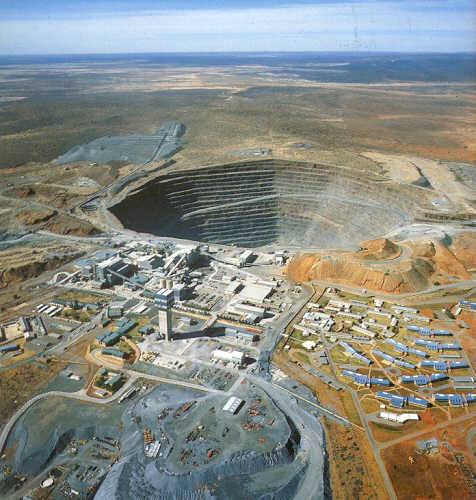

Absolutely no chance it is being produced with exploited labor overseas?
Considering that I make sure to buy either Czech or Japanese beads and stay away from beads produced in India and Indonesia, I try.
posted by shawnj at 12:06 PM on January 10, 2006
[...] Get off your high horse already [...]
It's irony, at a base level, but I enjoy it...
posted by SweetJesus at 12:24 PM on January 10, 2006
It's irony, at a base level, but I enjoy it...
posted by SweetJesus at 12:24 PM on January 10, 2006
Have the conversation earlier, and don't make huge assumptions about what anyone wants. That goes for both sides.
Well said !
posted by elpapacito at 12:26 PM on January 10, 2006
Well said !
posted by elpapacito at 12:26 PM on January 10, 2006
My wife read this thread and sent me the following comments, which I am posting here with her permission:
----
read that diamond thread. now, let's generalize for a moment:
1) at least as many goodhearted women exist as do men, all people who would/should theoretically be willing to resist the pull of the diam. eng. ring once they know it is "soaked in blood."
2) women have a rational and a sociobiologically derived need to have the man prove that he is committed to her (i.e., that he will commit his resources to her) before she commits to him. they are also sociobiologically driven to want commitment. therefore, a woman must demand some (not necessarily material, but clearly symbolic) outward sign of that commitment, but they are likely not to want to make it overly challenging. this situation is more, not less, fraught with fear in a society, like ours, where divorce is rampant and women can no longer expect to be provided for throughout their lives. ideas like eternal love and romance are nice and the bedrock of the rest...but in today's world, marrying has to be (and explicitly has to be) about more than that.
3) therefore, a dude has a problem: how do i show a chick that i am committed to her?
4) dudes, like all humans, are lazy, and many will take the easy road rather than the hard road where both are given.
5) enter DeBeers: convince women that there is one, easy way a man can "prove" his commitment (both to her, and to the world). give a man one easy way to do it. construct a global monopoly around that one easy way. make bajillions of dollars.
my point is that it would take not only women who are less greedy, status-focused, and coldhearted, but also men who are willing to put more creativity and resourcefulness into the engagement process than (it seems to me) most typically are. it would have been nice, however, if the evil marketing genius had been, like, a guy who made awesome stoves or something, rather than DeBeers.
posted by brain_drain at 12:31 PM on January 10, 2006
----
read that diamond thread. now, let's generalize for a moment:
1) at least as many goodhearted women exist as do men, all people who would/should theoretically be willing to resist the pull of the diam. eng. ring once they know it is "soaked in blood."
2) women have a rational and a sociobiologically derived need to have the man prove that he is committed to her (i.e., that he will commit his resources to her) before she commits to him. they are also sociobiologically driven to want commitment. therefore, a woman must demand some (not necessarily material, but clearly symbolic) outward sign of that commitment, but they are likely not to want to make it overly challenging. this situation is more, not less, fraught with fear in a society, like ours, where divorce is rampant and women can no longer expect to be provided for throughout their lives. ideas like eternal love and romance are nice and the bedrock of the rest...but in today's world, marrying has to be (and explicitly has to be) about more than that.
3) therefore, a dude has a problem: how do i show a chick that i am committed to her?
4) dudes, like all humans, are lazy, and many will take the easy road rather than the hard road where both are given.
5) enter DeBeers: convince women that there is one, easy way a man can "prove" his commitment (both to her, and to the world). give a man one easy way to do it. construct a global monopoly around that one easy way. make bajillions of dollars.
my point is that it would take not only women who are less greedy, status-focused, and coldhearted, but also men who are willing to put more creativity and resourcefulness into the engagement process than (it seems to me) most typically are. it would have been nice, however, if the evil marketing genius had been, like, a guy who made awesome stoves or something, rather than DeBeers.
posted by brain_drain at 12:31 PM on January 10, 2006
shawnj: Short of teenagers eloping or the lazy six-time divorcee, you would be hard pressed to find where a diamond doesn't come into play at some point. It's penetrated into our culture that much.
although i suppose it is probably true that the majority of 'merkins think diamonds are "necessary," i just want to pipe up and say that i don't know a single person in my social circle who either wants a diamond or would give one as a token of anything. (unless it belonged to their grandma.) my friends are not teenagers or "lazy" divorcées. i don't live in a cave, but i obviously don't live in the mental space of middle america either. personally, i think diamonds are icky, in just about every way, not least because they hurt people. and when some girl tries to show me her "rock," i get the same barely suppressed glazed look that i reserve for all the girly stuff i Just Don't Get. (like, "i just looove your purse" or wedding plans, or the love of shopping in general.) and sorry, but i can't imagine being more than distantly friendly with people like that.
despite the great effort expended commercially to make me feel like a martian for being that way, i thinks i have lots of sistas. but since we don't buy into the buying thing, we're ignored by media, and thus don't exist. if my partner bought me a diamond, i'd think he'd finally been kidnapped and replaced by The Man... (or my parents... same thing.) we also don't "do" flowers on conventional holidays, storebought cards, or any of that other crap that takes the heart out of love, IMO.
a3matrix: I wonder how you can even sleep at night. Surely the despair you feel and your inability to affect change in a world gone so wrong will drive you over the edge.
you know, facing the truth about the world might make one feel occasional despair, but generally the idea of having some clarity, and making at least some attempt to do right in one's personal sphere is a laudable thing, not something to sneer at. i hardly think that the idea of being hands-over-eyes-and-ears monkey is a decent way of living one's life, do you?
posted by RedEmma at 12:32 PM on January 10, 2006
although i suppose it is probably true that the majority of 'merkins think diamonds are "necessary," i just want to pipe up and say that i don't know a single person in my social circle who either wants a diamond or would give one as a token of anything. (unless it belonged to their grandma.) my friends are not teenagers or "lazy" divorcées. i don't live in a cave, but i obviously don't live in the mental space of middle america either. personally, i think diamonds are icky, in just about every way, not least because they hurt people. and when some girl tries to show me her "rock," i get the same barely suppressed glazed look that i reserve for all the girly stuff i Just Don't Get. (like, "i just looove your purse" or wedding plans, or the love of shopping in general.) and sorry, but i can't imagine being more than distantly friendly with people like that.
despite the great effort expended commercially to make me feel like a martian for being that way, i thinks i have lots of sistas. but since we don't buy into the buying thing, we're ignored by media, and thus don't exist. if my partner bought me a diamond, i'd think he'd finally been kidnapped and replaced by The Man... (or my parents... same thing.) we also don't "do" flowers on conventional holidays, storebought cards, or any of that other crap that takes the heart out of love, IMO.
a3matrix: I wonder how you can even sleep at night. Surely the despair you feel and your inability to affect change in a world gone so wrong will drive you over the edge.
you know, facing the truth about the world might make one feel occasional despair, but generally the idea of having some clarity, and making at least some attempt to do right in one's personal sphere is a laudable thing, not something to sneer at. i hardly think that the idea of being hands-over-eyes-and-ears monkey is a decent way of living one's life, do you?
posted by RedEmma at 12:32 PM on January 10, 2006
So, brain_drain, the pressing question: Did you buy your wife an engagement stove?
posted by occhiblu at 12:41 PM on January 10, 2006
posted by occhiblu at 12:41 PM on January 10, 2006
The best part of this thread is that every anti-diamond advocate in this thread owns or has owned something that was far worse than a carefully purchased diamond.
If only we could turn sanctimony into food and shelter.
posted by I Love Tacos at 12:44 PM on January 10, 2006
If only we could turn sanctimony into food and shelter.
posted by I Love Tacos at 12:44 PM on January 10, 2006
but i obviously don't live in the mental space of middle america either.
well, pin a rose on you.
I'm honestly not trying to break your stones, RedEmma, but when half of this thread consists of people blithely ignoring misery and the other half alternately scolding like ministers or patting themselves on the back, we don't have a coversation we simply have a brawl.
(I also admit that my usual 'it's a clusterfuck and we can't do anything anyway, so to hell with it' attitude isn't helping either, but after listening to everyone, it's the response that leaps to mind. something to think about)
posted by jonmc at 12:50 PM on January 10, 2006
well, pin a rose on you.
I'm honestly not trying to break your stones, RedEmma, but when half of this thread consists of people blithely ignoring misery and the other half alternately scolding like ministers or patting themselves on the back, we don't have a coversation we simply have a brawl.
(I also admit that my usual 'it's a clusterfuck and we can't do anything anyway, so to hell with it' attitude isn't helping either, but after listening to everyone, it's the response that leaps to mind. something to think about)
posted by jonmc at 12:50 PM on January 10, 2006
women can no longer expect to be provided for throughout their lives
Why should they be expecting to be provided for at all?
posted by kirkaracha at 1:01 PM on January 10, 2006
I know this thread has already devolved to a flame war, but I'll try once more in case anyone rational is still reading:
I know a lot of girls who ask for sapphire jewelry instead, but is that any better? What are the alternatives and their repercussions?
Flakypastry is the only one who (almost) answered the first question so far.
posted by Eideteker at 1:01 PM on January 10, 2006
I know a lot of girls who ask for sapphire jewelry instead, but is that any better? What are the alternatives and their repercussions?
Flakypastry is the only one who (almost) answered the first question so far.
posted by Eideteker at 1:01 PM on January 10, 2006
I know a lot of girls who ask for sapphire jewelry instead, but is that any better? What are the alternatives and their repercussions?
eideteker, whatever alternative you come up with, they'll find some reason to object to it. That's what I mean when i say that political zealots aren't much different from fundie religionists. They both love to be holiest people around.
posted by jonmc at 1:05 PM on January 10, 2006
eideteker, whatever alternative you come up with, they'll find some reason to object to it. That's what I mean when i say that political zealots aren't much different from fundie religionists. They both love to be holiest people around.
posted by jonmc at 1:05 PM on January 10, 2006
brain_drain:
women have a rational and a sociobiologically derived need to have the man prove that he is committed to her (i.e., that he will commit his resources to her) before she commits to him. they are also sociobiologically driven to want commitment.
A quick derail: if ALL women are pressed by society and by there own nature to demand commitment it's probably because they can use
the male for nurturing childrens and obtain support, not necessarily only material. If so, then ALL men is pressed by his own nature
to reproduce with as many females as possible, because it simply increases the chances some offspring will survive ; remaining with one female decreases the chances.
Could it be that the reason behind some behavior isn't founded is natural pulsions, but rather in learned habits or faulty deduction process ? For instance it's obvious some woman may infer from receiving a diamond as a gift that the male is wealthy, as he can afford to spend money of futile expensive things with the intent of pleasing the woman or obtaining her sexual avaiability.
That inference could be true, but it could as well be false ! some people rent expensive cars et al to impress women or men, obtain their favors and then disappear.
Problems start raining when well founded emotional relation develops and the web of lies (from both sides) starts dissolving.
posted by elpapacito at 1:07 PM on January 10, 2006
women have a rational and a sociobiologically derived need to have the man prove that he is committed to her (i.e., that he will commit his resources to her) before she commits to him. they are also sociobiologically driven to want commitment.
A quick derail: if ALL women are pressed by society and by there own nature to demand commitment it's probably because they can use
the male for nurturing childrens and obtain support, not necessarily only material. If so, then ALL men is pressed by his own nature
to reproduce with as many females as possible, because it simply increases the chances some offspring will survive ; remaining with one female decreases the chances.
Could it be that the reason behind some behavior isn't founded is natural pulsions, but rather in learned habits or faulty deduction process ? For instance it's obvious some woman may infer from receiving a diamond as a gift that the male is wealthy, as he can afford to spend money of futile expensive things with the intent of pleasing the woman or obtaining her sexual avaiability.
That inference could be true, but it could as well be false ! some people rent expensive cars et al to impress women or men, obtain their favors and then disappear.
Problems start raining when well founded emotional relation develops and the web of lies (from both sides) starts dissolving.
posted by elpapacito at 1:07 PM on January 10, 2006
jon: That's why I asked for the repercussions of the alternatives. I'll make up my own mind what is acceptible, I just want more data. Always want more data.
posted by Eideteker at 1:09 PM on January 10, 2006
posted by Eideteker at 1:09 PM on January 10, 2006
I seem to remember that we had this discussion before on Mefi, but I can't find it. It was a really informative post then, as well as now. (Not calling this one a double post. I don't remember the context in which the discussion was held before.)
I have a diamond. The stone is antique, the setting was designed for it. It's a flat setting, meaning that the top of the diamond is level with the top of the setting, so I don' t have that giant rock on prongs thing going. I hate that look, and as someone who works with my hands all the time, I didn't want something that impractical. But if I lost the stone from the setting, I'd have it replaced with something other than a diamond.
I've known about the problems with diamonds for years. I thought it was common knowledge. I wouldn't wear, or want to own, any modern diamond. For me, the karma would outweigh the sparkles. Also...not a huge diamond fan. Don't think they're all that fantastic. I'd rather have an amazing deep, rich opal, or sapphires...rocks with soul, fire, spirit. Diamonds are feel cold. And I prefer one of a kind, human made jewelry, and those artists tend to do much more amazing things with stones other than diamond.
I think anyone, given the opportunity to see "real" non-factory jewelry, and given the information about the diamond industry that we all now know, would choose anything *other* than a diamond. But, perhaps I'm just a blithering optimist, fighting a losing marketing battle.
posted by dejah420 at 1:10 PM on January 10, 2006
I have a diamond. The stone is antique, the setting was designed for it. It's a flat setting, meaning that the top of the diamond is level with the top of the setting, so I don' t have that giant rock on prongs thing going. I hate that look, and as someone who works with my hands all the time, I didn't want something that impractical. But if I lost the stone from the setting, I'd have it replaced with something other than a diamond.
I've known about the problems with diamonds for years. I thought it was common knowledge. I wouldn't wear, or want to own, any modern diamond. For me, the karma would outweigh the sparkles. Also...not a huge diamond fan. Don't think they're all that fantastic. I'd rather have an amazing deep, rich opal, or sapphires...rocks with soul, fire, spirit. Diamonds are feel cold. And I prefer one of a kind, human made jewelry, and those artists tend to do much more amazing things with stones other than diamond.
I think anyone, given the opportunity to see "real" non-factory jewelry, and given the information about the diamond industry that we all now know, would choose anything *other* than a diamond. But, perhaps I'm just a blithering optimist, fighting a losing marketing battle.
posted by dejah420 at 1:10 PM on January 10, 2006
Eideteker, I'm not having much luck googling up a clearing-house-type site with info on all gems, but the Business & Human Rights site turns up a fair number of search results for "gems".
From my skimming, I think it just varies from country to country, as is usually the case with all these issues.
(And as I Love Tacos points out, at a certain point, if you live in the developed world, it becomes close to impossible to avoid exploiting *someone* as you go about your life...)
posted by occhiblu at 1:15 PM on January 10, 2006
From my skimming, I think it just varies from country to country, as is usually the case with all these issues.
(And as I Love Tacos points out, at a certain point, if you live in the developed world, it becomes close to impossible to avoid exploiting *someone* as you go about your life...)
posted by occhiblu at 1:15 PM on January 10, 2006
eideteker, whatever alternative you come up with, they'll find some reason to object to it. That's what I mean when i say that political zealots aren't much different from fundie religionists. They both love to be holiest people around.
How insightful.
Alternatives. Opal for instance, Rubies or Sapphires. One potential downside to just about any of these is that they don't cost as much, so if the goal is to buy something really expensive, you'd probably have to buy something extremely extravagent in order to do so with them. Of course, that can be an upside, too, considering you can get a lot more stone for the money.
posted by shawnj at 1:15 PM on January 10, 2006
How insightful.
Alternatives. Opal for instance, Rubies or Sapphires. One potential downside to just about any of these is that they don't cost as much, so if the goal is to buy something really expensive, you'd probably have to buy something extremely extravagent in order to do so with them. Of course, that can be an upside, too, considering you can get a lot more stone for the money.
posted by shawnj at 1:15 PM on January 10, 2006
eideteker, whatever alternative you come up with, they'll find some reason to object to it.
Damn them!
posted by Space Coyote at 1:16 PM on January 10, 2006
Damn them!
posted by Space Coyote at 1:16 PM on January 10, 2006
And with each of those alternatives, they can be mined in the US or down under.
posted by shawnj at 1:16 PM on January 10, 2006
posted by shawnj at 1:16 PM on January 10, 2006
Space Coyote, we are all them and they are all us. Kinda muddies the waters some, dosen't it. But realizing that means we all have to get off our high horses, and I don't think most people want to do that.
posted by jonmc at 1:18 PM on January 10, 2006
posted by jonmc at 1:18 PM on January 10, 2006
That's what I mean when i say that political zealots aren't much different from fundie religionists. They both love to be holiest people around.
That's the case with any sort of extremism.
If only we could turn sanctimony into food and shelter.
I'd say the same about blaise indifference.
Look, this debate is about the merits of buying or not buying diamonds. You're probably right about the ownership thing--I say "probably" because I not only can't afford to shop free-trade, but I don't even know the country of origin of 99.999% of the stuff I have. So if this were a post about the merits of shopping at Meijers or using goods from Staples, we could argue about my consumer habits there. But this is about the merits of buying or not buying diamonds.
It is exactly your kind of statements that make people think they cannot engineer change--that if they cry out about a paper company dumping chemicals in the river behind their house but wear leather they don't really care about the environment. Or if they don't research where every bit of food in their house came from and the labor practices of that country and adjust their purchasing habits accordingly, it doesn't really matter if they only buy free-trade coffee. "I can't do everything, so why care about anything?"
Dude, nothing changes when you create an impossible set of standards for activism: where everyone is either a Wal-Mart-hatin', hemp-wearin', organic-food-growin' good guy who gets to judge everyone else or an obese, indolent pig who shouldn't open their mouths until they've made the transformation.
I'm not arguing sanctimonious hypocrites should get a free pass. I'm not arguing I should get a free pass, or anyone else in this thread who's come off as a dick. Hell, I've little doubt your statement about ownership is true, not just because I own things from Wal-Mart but because I don't even know where 99.999% of the items I own come from. But in the real world, man, it's OK to recognize that maybe you don't have the money or time to replace your wardrobe with free-trade clothing or whatever, but that doesn't make your choice to not buy Kathie Lee, or Nike, or a diamond any less worthwhile. Or if you don't attend church every Sunday it means you love God less. Or if you still love your gay cousin it means you aren't morally opposed to homosexuality. Or if you love your racist aunt it means you're racist, too.
OK, now I don't know if I'm making sense any more. So, uh, start poking holes.
posted by Anonymous at 1:20 PM on January 10, 2006
That's the case with any sort of extremism.
If only we could turn sanctimony into food and shelter.
I'd say the same about blaise indifference.
Look, this debate is about the merits of buying or not buying diamonds. You're probably right about the ownership thing--I say "probably" because I not only can't afford to shop free-trade, but I don't even know the country of origin of 99.999% of the stuff I have. So if this were a post about the merits of shopping at Meijers or using goods from Staples, we could argue about my consumer habits there. But this is about the merits of buying or not buying diamonds.
It is exactly your kind of statements that make people think they cannot engineer change--that if they cry out about a paper company dumping chemicals in the river behind their house but wear leather they don't really care about the environment. Or if they don't research where every bit of food in their house came from and the labor practices of that country and adjust their purchasing habits accordingly, it doesn't really matter if they only buy free-trade coffee. "I can't do everything, so why care about anything?"
Dude, nothing changes when you create an impossible set of standards for activism: where everyone is either a Wal-Mart-hatin', hemp-wearin', organic-food-growin' good guy who gets to judge everyone else or an obese, indolent pig who shouldn't open their mouths until they've made the transformation.
I'm not arguing sanctimonious hypocrites should get a free pass. I'm not arguing I should get a free pass, or anyone else in this thread who's come off as a dick. Hell, I've little doubt your statement about ownership is true, not just because I own things from Wal-Mart but because I don't even know where 99.999% of the items I own come from. But in the real world, man, it's OK to recognize that maybe you don't have the money or time to replace your wardrobe with free-trade clothing or whatever, but that doesn't make your choice to not buy Kathie Lee, or Nike, or a diamond any less worthwhile. Or if you don't attend church every Sunday it means you love God less. Or if you still love your gay cousin it means you aren't morally opposed to homosexuality. Or if you love your racist aunt it means you're racist, too.
OK, now I don't know if I'm making sense any more. So, uh, start poking holes.
posted by Anonymous at 1:20 PM on January 10, 2006
And some more info about Burma's gems here.
I think that's an interesting take on it, actually: We don't want to support the government's practices, but we do want to support the people harmed by them.
posted by occhiblu at 1:21 PM on January 10, 2006
I think that's an interesting take on it, actually: We don't want to support the government's practices, but we do want to support the people harmed by them.
posted by occhiblu at 1:21 PM on January 10, 2006
I'd say the same about blaise indifference.
I only wish it was indifference. It's withdrawal in disgust, recognition of futility, meet the new boss same as the old boss...pick your cliche.
posted by jonmc at 1:23 PM on January 10, 2006
I only wish it was indifference. It's withdrawal in disgust, recognition of futility, meet the new boss same as the old boss...pick your cliche.
posted by jonmc at 1:23 PM on January 10, 2006
schroedinger, I agree with you completely, but I think the issue in this thread was that people were getting all up in arms about *other* people's purchasing (or engagement-trinket-giving) habits.
If you fight pollution but drink supermarket-brand coffee, cool. But as soon as you start lecturing me (not that *you* have) about why I'm a greedy rapacious bitch for not fighting pollution as thoroughly as you do, even when you have no idea what other battles I might be waging, then I'm gonna get upset. That's what seemed to be happening here, with the various "Dump your greedy deluded wife" comments.
posted by occhiblu at 1:24 PM on January 10, 2006
If you fight pollution but drink supermarket-brand coffee, cool. But as soon as you start lecturing me (not that *you* have) about why I'm a greedy rapacious bitch for not fighting pollution as thoroughly as you do, even when you have no idea what other battles I might be waging, then I'm gonna get upset. That's what seemed to be happening here, with the various "Dump your greedy deluded wife" comments.
posted by occhiblu at 1:24 PM on January 10, 2006
Eideteker: Sapphires are actually much more traditional for engagement rings, and very popular in Europe. Back when gemstones had mystical meanings, giving sapphire was supposed to symbolize a "true" love, while ruby (which is actually the same chemically as sapphire but with a different coloring agent) symbolized "firey" love.
Really fine sapphires come primarily from Southeast Asia, and their distribution is under tight government control in the case of Myanmar. That said, the mining for Sapphires is not as deep as that of diamonds, so the mining operations are not as sophisticated. Thus, there are many small mining operations. The conditions are poor, but that's a function of the generally low standard of living in that area of the world. Most sapphires are treated - i.e. heated to bring out their color, and this is done in quite crude and dangerous operations in many parts. So there are many injuries associated with the industry with mining and treatment conditions unregulated.
So, to answer your question, Sapphires do not have the same type of "blood" on them that diamonds in many cases do. Still, gemstones, because of their small size and large value are often used by nefarious groups in order to get currency. There was a scandal in the industry several years ago regarding Tanzanite - specifically, that Al Queda was financing Tanzanite mines to get money for their operations. After word spread, the tanzanite market really took a dive. Much of this was debunked, but there are those that still believe this to be true.
Alternatives? Domestic tourmaline (from Maine), peridot from Arizona, Australian (pink) diamonds if you can afford them.
posted by Flakypastry at 1:30 PM on January 10, 2006
Really fine sapphires come primarily from Southeast Asia, and their distribution is under tight government control in the case of Myanmar. That said, the mining for Sapphires is not as deep as that of diamonds, so the mining operations are not as sophisticated. Thus, there are many small mining operations. The conditions are poor, but that's a function of the generally low standard of living in that area of the world. Most sapphires are treated - i.e. heated to bring out their color, and this is done in quite crude and dangerous operations in many parts. So there are many injuries associated with the industry with mining and treatment conditions unregulated.
So, to answer your question, Sapphires do not have the same type of "blood" on them that diamonds in many cases do. Still, gemstones, because of their small size and large value are often used by nefarious groups in order to get currency. There was a scandal in the industry several years ago regarding Tanzanite - specifically, that Al Queda was financing Tanzanite mines to get money for their operations. After word spread, the tanzanite market really took a dive. Much of this was debunked, but there are those that still believe this to be true.
Alternatives? Domestic tourmaline (from Maine), peridot from Arizona, Australian (pink) diamonds if you can afford them.
posted by Flakypastry at 1:30 PM on January 10, 2006
More on sapphires and rubies from Myanmar/Burma.
I talked my husband out of the diamond engagement ring idea after reading the "10 Reasons" article, and many more articles online on the disturbing implications of buying diamonds, rubies, sapphires, emeralds etc. without looking into which countries they come from and what cost and to whom. The information is there, if people care to look for it.
I preferred to buy a tract of land together, but he wanted to be more "traditional" so when his mother offered us her ruby ring, we took it.
Has anyone mentioned yet that buying diamonds from Botswana helps the fight against AIDS in that country?
posted by cybercoitus interruptus at 1:32 PM on January 10, 2006
I talked my husband out of the diamond engagement ring idea after reading the "10 Reasons" article, and many more articles online on the disturbing implications of buying diamonds, rubies, sapphires, emeralds etc. without looking into which countries they come from and what cost and to whom. The information is there, if people care to look for it.
I preferred to buy a tract of land together, but he wanted to be more "traditional" so when his mother offered us her ruby ring, we took it.
Has anyone mentioned yet that buying diamonds from Botswana helps the fight against AIDS in that country?
posted by cybercoitus interruptus at 1:32 PM on January 10, 2006
And for the record, I don't have any problem with those who would refuse to buy diamonds for political reasons. I also don't judge those who still wear them to be unthinking barbarians. I'm in no position to judge anyone's moral righteousness and besides I don't wear jewelery. I just have difficulty stomaching the insufferable condescension and self-righteousness of some of the comments here. But you probably guessed taht.
posted by jonmc at 1:34 PM on January 10, 2006
posted by jonmc at 1:34 PM on January 10, 2006
(I also admit that my usual 'it's a clusterfuck and we can't do anything anyway, so to hell with it' attitude isn't helping either, but after listening to everyone, it's the response that leaps to mind. something to think about)
maybe you could point out how we are also all racists that might help :O
posted by Optimus Chyme at 1:34 PM on January 10, 2006
maybe you could point out how we are also all racists that might help :O
posted by Optimus Chyme at 1:34 PM on January 10, 2006
It's strange that this hasn't come up, but was anyone else lucky enough to marry a woman that didn't need or want her future husband to buy her anything at all as "proof" of his committment?
Bribes seem like a strange way to start a relationship.
posted by sic at 1:49 PM on January 10, 2006
Bribes seem like a strange way to start a relationship.
posted by sic at 1:49 PM on January 10, 2006
Dear MeFi: my greedy, deluded wife doesn't like jewelry of any kind. Should I dump her?
posted by Kirth Gerson at 1:50 PM on January 10, 2006
posted by Kirth Gerson at 1:50 PM on January 10, 2006
Folks, some things just suck. Some countries and cultures do not have what we have in the west. Is this news? That doesn't mean that you shouldn't buy a diamond if you happen to want one. Do you think you are helping the poor oppressed indigenous peoples when you take away the market for one of the few assets that these countries can trade for foriegn currency? Its tough to buy HIV medicine with bananas. (I know its a shitty analogy.) In my opinion, most of these peoples that are working by choice in tough conditions in mines, probably would be doing something much worse just to eat or be dead already. You cannot reasonably judge things in sub-Saharan Africa (for example) using a Western morality. I think its waaaay different there.
And by the way, please do not lecture others unless you are prepared to back your 'moral outrage' with real action, and not buying a diamond ain't real action. I'm not saying that the concept of heightening understanding about bad conditions or wanting them to change is a bad thing. Lets just not think that suburban moralizing or embargo is ever going to make any real difference, or even a positive one. Its a little bit more complex than that.
posted by sfts2 at 2:02 PM on January 10, 2006
And by the way, please do not lecture others unless you are prepared to back your 'moral outrage' with real action, and not buying a diamond ain't real action. I'm not saying that the concept of heightening understanding about bad conditions or wanting them to change is a bad thing. Lets just not think that suburban moralizing or embargo is ever going to make any real difference, or even a positive one. Its a little bit more complex than that.
posted by sfts2 at 2:02 PM on January 10, 2006
For anyone interested in the history of the marketing of the diamond, Chapter 13 of the above Epstein book is a pretty good read:
Up until this point [1938], however, American men tended to buy the smaller and poorer quality diamonds, averaging under $80 apiece, for their loved ones. Oppenheimer and the bankers believed that Americans could be persuaded to buy more expensive diamonds through an advertising campaign…Since "young men buy over 90% of all engagement rings," it would be crucial to inculcate in them the idea that diamonds were a gift of love: the larger and finer the diamond, the greater the expression of love. Similarly, young women had to be encouraged to view diamonds as an integral part of any romantic courtship......N. W. Ayer outlined a far more subtle program which included arranging for lecturers to visit high schools across the country. "All of these lectures revolve around the diamond engagement ring, and are reaching thousands of girls in their assemblies, classes and informal meetings in our leading educational institutions," it explained in a memorandum to De Beers. The advertising agency also organized in 1946 a weekly service called "Hollywood Personalities," which provided 125 leading newspapers with descriptions of the diamonds worn by "screen stars."posted by Staggering Jack at 2:09 PM on January 10, 2006
The funniest part about this thread is the militant apathy.
posted by Space Coyote at 2:14 PM on January 10, 2006
posted by Space Coyote at 2:14 PM on January 10, 2006
Do you think you are helping the poor oppressed indigenous peoples when you take away the market for one of the few assets that these countries can trade for foriegn currency?
Hell YEAH ! If people stopped buying cocaine certainly the poor people in coca plantation would suffer immensely as cocaine crop is a big revenue generator. It also happens that one can make HUGE profits margin in cocaine not only because it's illegal, but also because cultivations costs are incredibly low, the money going only in a few rich pockets. It's harsh like that but nothing is going to destroy a steady trade except killing demand (which is not the same as outlawing offer)
Certainly some will blame me saying I'm an insensitive twit that doesn't feel for the poor farmers : on the contrary, instead of
crying like a river then buy diamonds or whatever shit is tainted, I choose the harsh way because it can actually work.
In my opinion, most of these peoples that are working by choice in tough conditions in mines, probably would be doing something much worse just to eat or be dead already.
Certainly they're doing whatever they can to survive and one have an harsh time blaming them, but what alternative do you offer ? Invading the country, U.S. style ? Buying their diamonds ? Opening the market, with which diamons ? I opt not to finance their starvers.
And by the way, please do not lecture others unless you are prepared to back your 'moral outrage' with real action, and not buying a diamond ain't real action.
Get a grip on reality will you please ? What do expect missionaries traveling to Africa ? They'd be useless and an annoyance and most probably becomes hostages. Great help !
posted by elpapacito at 2:30 PM on January 10, 2006
Hell YEAH ! If people stopped buying cocaine certainly the poor people in coca plantation would suffer immensely as cocaine crop is a big revenue generator. It also happens that one can make HUGE profits margin in cocaine not only because it's illegal, but also because cultivations costs are incredibly low, the money going only in a few rich pockets. It's harsh like that but nothing is going to destroy a steady trade except killing demand (which is not the same as outlawing offer)
Certainly some will blame me saying I'm an insensitive twit that doesn't feel for the poor farmers : on the contrary, instead of
crying like a river then buy diamonds or whatever shit is tainted, I choose the harsh way because it can actually work.
In my opinion, most of these peoples that are working by choice in tough conditions in mines, probably would be doing something much worse just to eat or be dead already.
Certainly they're doing whatever they can to survive and one have an harsh time blaming them, but what alternative do you offer ? Invading the country, U.S. style ? Buying their diamonds ? Opening the market, with which diamons ? I opt not to finance their starvers.
And by the way, please do not lecture others unless you are prepared to back your 'moral outrage' with real action, and not buying a diamond ain't real action.
Get a grip on reality will you please ? What do expect missionaries traveling to Africa ? They'd be useless and an annoyance and most probably becomes hostages. Great help !
posted by elpapacito at 2:30 PM on January 10, 2006
schroedinger
You said
sfts2, you do realize this is the ubiquitous counter-argument to anyone advocating for worker's rights. "Maybe they like their job, huh? Maybe they like their 18-hour days! They wouldn't be working them if they didn't, right?"
"Choosing" to work in hellish conditions due one's economic status or to prevent violent retribution against one's family doesn't mean someone doesn't mind the inhumane working conditions or is in a position to argue for better ones. Not that all of the miners even have that "choice"--a good number of workers are forced labor, enslaved as part of the war.`
For now, I'll ignore the sanctimonius moralizing and just point out the simple fact that the alternative for most of these cultures is not a cushy office job, but probably doing something else for 20 hours a day. Even if its as innocuous as gather fruits and nuts or hunting. Its still a daily struggle for survival.
I'd also like to know where it was that I said that these workers 'liked' the conditions or their jobs. Just that they were probably happy to have them. I don't like my job, but I am happy to have it.
If you are using the 'forced labor' argument, then I would need to see a significant increase in facts presented to make me think that there is a systemic, wide spread problem with this that some sort of embargo would help. In addition, what makes you think that if the enslaved peoples were not mining diamonds, that they would somehow be released into a life of idyllic tranquility. I'd guess its more likely that they would be shot and left in a ditch, or their arms would be hacked off with machetes.
The economic status of these countries (to generalize) is shit. The fact that there are civil wars raging is not deBeers' fault, even if the war is for control of diamond assets or the proceeds go to fund the war. These fundamentals would not change in any serious way if these factors were removed. Hate will find a way. The fact that there is some economic entity there (e.g. deBeers) creating value (however false) that drives foriegn currency to their economy is a good thing, not the foundation of an embargo. Is deBeers a model of corporate sensitivity? no, probably not. Do I wish it was different? Sure. That wish, and $2 American, will get me downtown.
posted by sfts2 at 2:39 PM on January 10, 2006
You said
sfts2, you do realize this is the ubiquitous counter-argument to anyone advocating for worker's rights. "Maybe they like their job, huh? Maybe they like their 18-hour days! They wouldn't be working them if they didn't, right?"
"Choosing" to work in hellish conditions due one's economic status or to prevent violent retribution against one's family doesn't mean someone doesn't mind the inhumane working conditions or is in a position to argue for better ones. Not that all of the miners even have that "choice"--a good number of workers are forced labor, enslaved as part of the war.`
For now, I'll ignore the sanctimonius moralizing and just point out the simple fact that the alternative for most of these cultures is not a cushy office job, but probably doing something else for 20 hours a day. Even if its as innocuous as gather fruits and nuts or hunting. Its still a daily struggle for survival.
I'd also like to know where it was that I said that these workers 'liked' the conditions or their jobs. Just that they were probably happy to have them. I don't like my job, but I am happy to have it.
If you are using the 'forced labor' argument, then I would need to see a significant increase in facts presented to make me think that there is a systemic, wide spread problem with this that some sort of embargo would help. In addition, what makes you think that if the enslaved peoples were not mining diamonds, that they would somehow be released into a life of idyllic tranquility. I'd guess its more likely that they would be shot and left in a ditch, or their arms would be hacked off with machetes.
The economic status of these countries (to generalize) is shit. The fact that there are civil wars raging is not deBeers' fault, even if the war is for control of diamond assets or the proceeds go to fund the war. These fundamentals would not change in any serious way if these factors were removed. Hate will find a way. The fact that there is some economic entity there (e.g. deBeers) creating value (however false) that drives foriegn currency to their economy is a good thing, not the foundation of an embargo. Is deBeers a model of corporate sensitivity? no, probably not. Do I wish it was different? Sure. That wish, and $2 American, will get me downtown.
posted by sfts2 at 2:39 PM on January 10, 2006
By far the most succinct and clear outline of the topic so far was Brain_drain's wife's comment. Most people are first and foremost, preocupied with the politics of their immediate interpersonal relationships, and not merely on a conscious level. Human beings are social animals, and vastly more complicated that sheep, as some have suggested. The reason for this difference is that while we tend to act in common ways, this is an expression of the fact that we communicate with symbols.
Only a symbolic language makes us even funcional in the first place. When aspects of the social structure are unstable or in flux, whether we like it or not, symbols of socially contested relationships become vastly more powerfull. The prevalence of the diamonds as such a symbol is an excelent example of this, but the signifier itself is arbitrary. It could have been tulip bulbs (see the tulip mania), or any other thing.
What we have here is a convenient coincidence of a symbol tied to social insecurities, and a supplier with vast controll over access to that symbol.
Personally, I'd like to see most folks pay a little more attention to what they're tacitly voting for with their dollars, but I realize that's probably a little much to ask.
On preview, sfts2, perhaps if greater efforts were put into investing in domestic basic industries in these contries, the ensuing stability and recuction of economic desparation might deflate the bloodier, criminal aspects of the diamond trade, since people might just have some alternatives.
posted by pieisexactlythree at 2:45 PM on January 10, 2006
Only a symbolic language makes us even funcional in the first place. When aspects of the social structure are unstable or in flux, whether we like it or not, symbols of socially contested relationships become vastly more powerfull. The prevalence of the diamonds as such a symbol is an excelent example of this, but the signifier itself is arbitrary. It could have been tulip bulbs (see the tulip mania), or any other thing.
What we have here is a convenient coincidence of a symbol tied to social insecurities, and a supplier with vast controll over access to that symbol.
Personally, I'd like to see most folks pay a little more attention to what they're tacitly voting for with their dollars, but I realize that's probably a little much to ask.
On preview, sfts2, perhaps if greater efforts were put into investing in domestic basic industries in these contries, the ensuing stability and recuction of economic desparation might deflate the bloodier, criminal aspects of the diamond trade, since people might just have some alternatives.
posted by pieisexactlythree at 2:45 PM on January 10, 2006
el papacito,
I didn't bring up missionaries. You did. I'll type slowly for you.
It is counter productive to advocate not buying diamonds in the belief that you are helping the poor workers in these mines.Remove demand, reduce investment, reduce investment, decrease wages paid, decrease wages paid, eat even less well, eat even less well, probably die
While the above Econ lesson is very simplistic, I'm hoping that I am getting through. I'll lay it out for you. If you pursue the course of embargoing the purchase of diamonds successfully (albeit chance = nil) you will cause major negative consequences for the very people that you wish to help.
T h i s i s n o t a w i n n i n g s t r a t e g y.
Do you get it now?
posted by sfts2 at 2:53 PM on January 10, 2006
I didn't bring up missionaries. You did. I'll type slowly for you.
It is counter productive to advocate not buying diamonds in the belief that you are helping the poor workers in these mines.
While the above Econ lesson is very simplistic, I'm hoping that I am getting through. I'll lay it out for you. If you pursue the course of embargoing the purchase of diamonds successfully (albeit chance = nil) you will cause major negative consequences for the very people that you wish to help.
T h i s i s n o t a w i n n i n g s t r a t e g y.
Do you get it now?
posted by sfts2 at 2:53 PM on January 10, 2006
pi=3
I agree with everything that I understand that you wrote, which is exactly your last paragraph.
posted by sfts2 at 2:57 PM on January 10, 2006
I agree with everything that I understand that you wrote, which is exactly your last paragraph.
posted by sfts2 at 2:57 PM on January 10, 2006
sfts2 : there's no doubt they'll have to suffer to get rid of their own problems. They're not guilty of starting them, we are by believing in the utter bullshit about diamond being that and there, while they're only rocks.
What alternative do you offer ? So far all I heard is just that I'm wrong (according to you) yet you're dragging feets about what to do : much talking about doing and proposing, no proposal.
posted by elpapacito at 3:01 PM on January 10, 2006
What alternative do you offer ? So far all I heard is just that I'm wrong (according to you) yet you're dragging feets about what to do : much talking about doing and proposing, no proposal.
posted by elpapacito at 3:01 PM on January 10, 2006
T h i s i s n o t a w i n n i n g s t r a t e g y.
Do you get it now?
posted by sfts2 at 2:53 PM PST on January 10
And winners buy diamonds! Diamonds bigger than your head! They eat diamonds and shit diamonds then they buy more diamonds to eat and shit so that the profit goes straight to the miners! Because if you buy a bunch of diamonds and make deBeers a bunch of money they will give theirslaves valued employees big raises and maybe even give them a day off! Holy shit you better buy those fucking diamonds boy or you're a horrible person who wants to see those poor people starve and while you're at it buy Nike shoes and Kathie Lee clothes otherwise we're going to whip the shit out of these nine year-old seamstresses I mean otherwise we'll go bankrupt and then those kids won't have such a great job anymore and YOU WOULDN'T WANT THAT UNLESS YOU'RE A RACIST!
Psst - if it were made clear to deBeers that no one was buying their product because of the way they treat their "employees," they would make an effort to treat their employees better.
posted by Optimus Chyme at 3:06 PM on January 10, 2006
Do you get it now?
posted by sfts2 at 2:53 PM PST on January 10
And winners buy diamonds! Diamonds bigger than your head! They eat diamonds and shit diamonds then they buy more diamonds to eat and shit so that the profit goes straight to the miners! Because if you buy a bunch of diamonds and make deBeers a bunch of money they will give their
Psst - if it were made clear to deBeers that no one was buying their product because of the way they treat their "employees," they would make an effort to treat their employees better.
posted by Optimus Chyme at 3:06 PM on January 10, 2006
Ahem, alow me:
International finance of growth industries is the best, and perhaps the only way to improve conditions in the world's most destitute shitholes (no slight against the people, just the disaster of an economy/government they live under). Economic development is the only way I am aware of to create alternatives. While the vile business of extracting these resources is the only game in town, nothing will improve. period.
posted by pieisexactlythree at 3:07 PM on January 10, 2006
International finance of growth industries is the best, and perhaps the only way to improve conditions in the world's most destitute shitholes (no slight against the people, just the disaster of an economy/government they live under). Economic development is the only way I am aware of to create alternatives. While the vile business of extracting these resources is the only game in town, nothing will improve. period.
posted by pieisexactlythree at 3:07 PM on January 10, 2006
It is counter productive to advocate not buying fur in the belief that you are helping the poor animals in these farms. Remove demand, reduce investment, reduce investment, decrease food provided, decrease food provided, eat even less well, eat even less well, probably die
posted by Space Coyote at 3:20 PM on January 10, 2006
posted by Space Coyote at 3:20 PM on January 10, 2006
When the wife and i got hitched, we had originally intended on no rings. i decided i didn't like that and opted for the plainest white gold bands (yay! the silver that doesn't tarnish!) i could find.
She hates DeBeers and diamonds-as-jewelry as much as me, but as an indication of her overall coolness; when she discovered the lab grown diamonds that were indistinguishable from real ones she got me to promise that if they made it to the market i would get her one.
Why? Because 1.) as a counterfeit it's much cooler/ geekier than some stupid shiny rock that was dug out of the ground, and 2.) it's a big 'fuck you' to Debeers and Co.
posted by quin at 3:29 PM on January 10, 2006
She hates DeBeers and diamonds-as-jewelry as much as me, but as an indication of her overall coolness; when she discovered the lab grown diamonds that were indistinguishable from real ones she got me to promise that if they made it to the market i would get her one.
Why? Because 1.) as a counterfeit it's much cooler/ geekier than some stupid shiny rock that was dug out of the ground, and 2.) it's a big 'fuck you' to Debeers and Co.
posted by quin at 3:29 PM on January 10, 2006
For fuck's sake, Optimus, sfts2, elpapacito, etc. Your arguements are NOT MUTUALLY EXCLUSIVE!!!
Buying diamonds does not help impoverished workers with no choice but to toil under subhuman conditions for little pay.
NOT buying diamonds does not help impoverished workers with no choice but to toil under subhuman conditions for little pay.
Creating socially and economicaly sustainable alternatives does. Now quit throwing around all those red herrings!
and quin its actually a very small fuck you
posted by pieisexactlythree at 3:40 PM on January 10, 2006
Buying diamonds does not help impoverished workers with no choice but to toil under subhuman conditions for little pay.
NOT buying diamonds does not help impoverished workers with no choice but to toil under subhuman conditions for little pay.
Creating socially and economicaly sustainable alternatives does. Now quit throwing around all those red herrings!
and quin its actually a very small fuck you
posted by pieisexactlythree at 3:40 PM on January 10, 2006
Ok, true dat. But short of flooding the market with diamonds and destroying DeBeers as a company, it's my best (read as: easiest/ cheapest) option. ;)
posted by quin at 3:47 PM on January 10, 2006
posted by quin at 3:47 PM on January 10, 2006
Um, in at least some cultures in India, sapphires are supposed bring very bad luck. And rubies (again, in some circles) are common enough that a family might consider it an insult if a ruby engagement ring was presented. I'm not advocating running out to buy a diamond, I'm just offering that gemstones do not lack cultural meaning. A ring is a symbol. I know we're all freely thinking modern atheists, unshackled from the stupid superstitions of the traditional past. But if you're going to invoke a symbol, you should at least consider all the things it could mean.
posted by synapse at 3:51 PM on January 10, 2006
posted by synapse at 3:51 PM on January 10, 2006
Ok, true dat. But short of flooding the market with diamonds and destroying DeBeers as a company, it's my best (read as: easiest/ cheapest) option. ;)
You could also look into putting some of your assets, such as retirement funds, etc, into some sort of social responsibility fund, and use capitalism to support of your values.
From the linked wiki:
The Domini Social Index was launched to be a financial mirror of the S&P 500 Index, but with a broad range of social and environmental screens applied. Over its nearly 15-year history it has faithfully mirrored, and modestly outperformed, the S&P 500.
posted by pieisexactlythree at 3:59 PM on January 10, 2006
You could also look into putting some of your assets, such as retirement funds, etc, into some sort of social responsibility fund, and use capitalism to support of your values.
From the linked wiki:
The Domini Social Index was launched to be a financial mirror of the S&P 500 Index, but with a broad range of social and environmental screens applied. Over its nearly 15-year history it has faithfully mirrored, and modestly outperformed, the S&P 500.
posted by pieisexactlythree at 3:59 PM on January 10, 2006
I'm sure you'll be happy when she knits you that ugly, misshapen sweater for your Xmas present, instead of buying that thing that you really want. :-)
I can't be the only one who'd want the sweater. And I thought I was cynical ...
I've considered buying a synthetic, but then I wonder: How is it different then buying a fake fur? It still supports the idiotic notion that fur is fashionable.
Well ... fur is fashionable. And meat tastes pretty good. And diamonds are pretty. Synthetic, cruelty-free, (ideally sustainable) production still beats torture and chemicals.
posted by mrgrimm at 4:48 PM on January 10, 2006
I can't be the only one who'd want the sweater. And I thought I was cynical ...
I've considered buying a synthetic, but then I wonder: How is it different then buying a fake fur? It still supports the idiotic notion that fur is fashionable.
Well ... fur is fashionable. And meat tastes pretty good. And diamonds are pretty. Synthetic, cruelty-free, (ideally sustainable) production still beats torture and chemicals.
posted by mrgrimm at 4:48 PM on January 10, 2006
Just wanted to point out, for those of you trying to find a "safe" alternative to a diamond, you should check out greenkarat.com. They have a wide variety of jewelry and engagement rings etc, all made out of recycled metal, with created gemstones (either diamond or sapphire, with sapphire being significantly more reasonably-priced). I haven't ever bought anything from them but I've definitely picked out the one I eventually want from that site.
Not that anyone will actually read this comment, but whatever.
posted by salad spork at 4:49 PM on January 10, 2006
Not that anyone will actually read this comment, but whatever.
posted by salad spork at 4:49 PM on January 10, 2006
Jewels are for dopes, whatever the color, unless they're cheap as rocks. Cause, like, that's what they are. I might pay five or ten times the price of gravel for a really pretty rock, but that's about my limit.
posted by pracowity at 5:44 PM on January 10, 2006
posted by pracowity at 5:44 PM on January 10, 2006
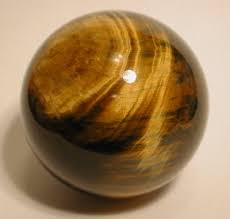
Tiger eye I tells yuz!
Isn't it a purdy rock? Looks like velvet up close.
posted by uncanny hengeman at 6:13 PM on January 10, 2006
Psst - if it were made clear to deBeers that no one was buying their product because of the way they treat their "employees," they would make an effort to treat their employees better.
posted by Optimus Chyme
Uh....no it wouldn't. This is wishful thinking in my view. Lacking the public relations campaign, and many other techniques to directly link reduced demand with the treatment of workers, deBeers would NEVER take the step to treat their workers any better than the market demanded. However, all of these techniques WOULD constitute doing something more than just not buying diamonds that I alluded to above.
If deBeers was the satanic cabal that it is being presented as, why don't they take thier ill-gotten billions, license all the synthetic gem technology, then use their satanic advertising acumen to eliminate the anti-synthetic bias, and fire all their workers, much more profit in that approach.
It is counter productive to advocate not buying fur in the belief that you are helping the poor animals in these farms. Remove demand, reduce investment, reduce investment, decrease food provided, decrease food provided, eat even less well, eat even less well, probably die
posted by Space Coyote
Why the fuck would I want to do that? Animals are for eating and killing to make myself warmer. Welcome to the top of the food chain, Spaceman.
Oh, by the way. One of the projects I am currently involved in is working with SRI/IIRC to collect and desseminate information regarding all of the US corporations and socially responsible policies to institutional investors, and working to create a publicly traded find of socially responsible investments.
see
http://www.socialinvest.org/areas/sriguide/mfsc.cfm
You see, I believe in lighting a candle. What have the hand-wringers done today?
posted by sfts2 at 7:55 PM on January 10, 2006
posted by Optimus Chyme
Uh....no it wouldn't. This is wishful thinking in my view. Lacking the public relations campaign, and many other techniques to directly link reduced demand with the treatment of workers, deBeers would NEVER take the step to treat their workers any better than the market demanded. However, all of these techniques WOULD constitute doing something more than just not buying diamonds that I alluded to above.
If deBeers was the satanic cabal that it is being presented as, why don't they take thier ill-gotten billions, license all the synthetic gem technology, then use their satanic advertising acumen to eliminate the anti-synthetic bias, and fire all their workers, much more profit in that approach.
It is counter productive to advocate not buying fur in the belief that you are helping the poor animals in these farms. Remove demand, reduce investment, reduce investment, decrease food provided, decrease food provided, eat even less well, eat even less well, probably die
posted by Space Coyote
Why the fuck would I want to do that? Animals are for eating and killing to make myself warmer. Welcome to the top of the food chain, Spaceman.
Oh, by the way. One of the projects I am currently involved in is working with SRI/IIRC to collect and desseminate information regarding all of the US corporations and socially responsible policies to institutional investors, and working to create a publicly traded find of socially responsible investments.
see
http://www.socialinvest.org/areas/sriguide/mfsc.cfm
You see, I believe in lighting a candle. What have the hand-wringers done today?
posted by sfts2 at 7:55 PM on January 10, 2006
Who's putting guns to peoples' heads forcing them to buy yellow metal and clear rocks?
"I heartily endorse slavery, the more brutal the better!" If you can't say that and mean it then buy something else.
As far as animals go, I hear people really taste like chicken.
posted by davy at 8:37 PM on January 10, 2006
"I heartily endorse slavery, the more brutal the better!" If you can't say that and mean it then buy something else.
As far as animals go, I hear people really taste like chicken.
posted by davy at 8:37 PM on January 10, 2006
jonmc: Get off your "my horse is lower than yours" high horse.
sfts2: Nice candle.
Now honestly, the logic in this thread is making my sinuses hurt.
While it's true that not buying diamonds does not constitute a comprehensive plan for economic development in the global south, no one has argued that point in this thread. Straw man! The assertion was that buying diamonds perpetuates a global system of inequity.
In addition to this, hunters and gatherers spend, on average, significantly less time engaged in food procurement than agricultural societies:
Then there's the argument that "things just suck, therefore they suck." Yeah. That's not an argument, that's a premise, and if you're wrapping your premises and your conclusion up into a single assertion, it begs the question. Do things really just suck, and if so, why?
Also, there's the ontological equivalent of Xeno's paradox: because no solution to a social problem can be considered complete, no solution is acceptable. No matter how far you go, you still aren't perfect, so you may as well stay where you are. That's fine if you believe in a perfect solution, but there's nothing in the modern understanding of social systems to indicate that one exists. An assumed Eden is a poor measuring stick for an extant Earth.
Finally, there's the subtle blend of an ad hominem and a genetic fallacy: you're not doing enough to further your own goals, therefore your position on how to further said goals is invalid. Play the puck, not the person. It's good for one's soul and theory to practice what one preaches, but it doesn't reinforce an argument. Truth can be spoken from recliners.
(Now, if you'll all excuse me, I need to ride my extremely high horse into the sunset, at which point my overinflated head will block the sun. Do not be alarmed.)
posted by Coda at 9:21 PM on January 10, 2006
sfts2: Nice candle.
Now honestly, the logic in this thread is making my sinuses hurt.
While it's true that not buying diamonds does not constitute a comprehensive plan for economic development in the global south, no one has argued that point in this thread. Straw man! The assertion was that buying diamonds perpetuates a global system of inequity.
In addition to this, hunters and gatherers spend, on average, significantly less time engaged in food procurement than agricultural societies:
It turns out that these people have plenty of leisure time, sleep a good deal, and work less hard than their farming neighbors. For instance, the average time devoted each week to obtaining food is only 12 to 19 hours for one group of Bushmen, 14 hours or less for the Hadza nomads of Tanzania. One Bushman, when asked why he hadn’t emulated neighboring tribes by adopting agriculture, replied, "Why should we, when there are so many mongongo nuts in the world?"Which means that the "mining beats looking for nuts and berries" argument lacks further factual basis. (Not that there was a hell of a lot of evidence thrown around on that one, anyways.)
-- The Worst Mistake in the History of the Human Race by (ironically enough) Jared Diamond
Then there's the argument that "things just suck, therefore they suck." Yeah. That's not an argument, that's a premise, and if you're wrapping your premises and your conclusion up into a single assertion, it begs the question. Do things really just suck, and if so, why?
Also, there's the ontological equivalent of Xeno's paradox: because no solution to a social problem can be considered complete, no solution is acceptable. No matter how far you go, you still aren't perfect, so you may as well stay where you are. That's fine if you believe in a perfect solution, but there's nothing in the modern understanding of social systems to indicate that one exists. An assumed Eden is a poor measuring stick for an extant Earth.
Finally, there's the subtle blend of an ad hominem and a genetic fallacy: you're not doing enough to further your own goals, therefore your position on how to further said goals is invalid. Play the puck, not the person. It's good for one's soul and theory to practice what one preaches, but it doesn't reinforce an argument. Truth can be spoken from recliners.
(Now, if you'll all excuse me, I need to ride my extremely high horse into the sunset, at which point my overinflated head will block the sun. Do not be alarmed.)
posted by Coda at 9:21 PM on January 10, 2006
just to put in my two cents WAY too late. I'm in the process of buying an engagement ring and would have purchased an apollo diamond (man made carbon diamond) if they were available. the whole thing is a farce as far as i'm concerned, but it'll put a smile on her face and give me an excuse to be less involved with the actual wedding ("hey, i gave you a diamond, isn't that enough?!"). I guess diamonds are almost as overpriced as the women you get them with, but women are priceless so who am i to judge.
posted by NGnerd at 10:02 PM on January 10, 2006
posted by NGnerd at 10:02 PM on January 10, 2006
That was unexpectedly depressing, NGnerd.
posted by Optimus Chyme at 10:46 PM on January 10, 2006
posted by Optimus Chyme at 10:46 PM on January 10, 2006
Can a similar argument be made for mobile phones and Tantalum?
Or should that read "blood mobile phones"?
Are we prepared to be morally consistent on this? Or does it not count because mobile phones have more uses?
posted by uncanny hengeman at 11:02 PM on January 10, 2006
Or should that read "blood mobile phones"?
Are we prepared to be morally consistent on this? Or does it not count because mobile phones have more uses?
posted by uncanny hengeman at 11:02 PM on January 10, 2006
jonmc: Get off your "my horse is lower than yours" high horse.
"The senator has got to understand if he's going to have—he can't have it both ways. He can't take the high horse and then claim the low road." George W Bush —To reporters in Florence, S.C., Feb. 17, 2000
/derail
posted by pieisexactlythree at 11:18 PM on January 10, 2006
"The senator has got to understand if he's going to have—he can't have it both ways. He can't take the high horse and then claim the low road." George W Bush —To reporters in Florence, S.C., Feb. 17, 2000
/derail
posted by pieisexactlythree at 11:18 PM on January 10, 2006
"women can no longer expect to be provided for throughout their lives"
Why should they be expecting to be provided for at all?
It's so depressing isn't it?
Even more when we have targeted marketing slyness explained away with "sociobiological needs". Then show me where's the sociobiological need to spend a few thousands on a hideous tacky bag just because it's from a big designer brand? Can we have one of those just-so stories explaining how it's the exact correspondent to some tribal tradition that prehistoric humans presumably engaged in? Billions are being spent on making people fall for that kind of advertising, but noo, we have to pin it on the cavemen and call it "sociobiology". I hear the echo of a distant laugh from the marketing execs.
posted by funambulist at 1:08 AM on January 11, 2006
Why should they be expecting to be provided for at all?
It's so depressing isn't it?
Even more when we have targeted marketing slyness explained away with "sociobiological needs". Then show me where's the sociobiological need to spend a few thousands on a hideous tacky bag just because it's from a big designer brand? Can we have one of those just-so stories explaining how it's the exact correspondent to some tribal tradition that prehistoric humans presumably engaged in? Billions are being spent on making people fall for that kind of advertising, but noo, we have to pin it on the cavemen and call it "sociobiology". I hear the echo of a distant laugh from the marketing execs.
posted by funambulist at 1:08 AM on January 11, 2006
Are we prepared to be morally consistent on this? Or does it not count because mobile phones have more uses?
Yes and maybe.
I am morally consistent on this. I don't buy mobile phones and I don't buy diamonds.
But I would be lying if I claimed I avoid cell phones because of the tantalum problem. I don't like cell phones because they destroy solitude, which is much rarer and more valuable than tantalum or diamonds. That cell phones might also encourage an immoral business practices is, to me, unsurprising but almost beside the point, because I wouldn't use one if every call instead contributed money to my favorite charity. But users should consider the tantalum problem and be ashamed.
Similarly, I wouldn't buy diamonds if they were as cheap as concrete and their purchase helped to feed orphans. Diamonds are stupid things. Everything bling is stupid. (Or: "Diamonds are a girl's best friend. Grow up.")
On the other hand, a telephone is theoretically more useful (even beneficial) than a stupid shiny rock, though you wouldn't know it, not from the loud, idiotic conversations people hold in public.
Assuming for the moment that diamonds and tantalum cause equal problems (I haven't studied this), cell phones are bad and diamonds are worse. If you buy a diamond-studded cell phone, your first call should be to reserve a loud, shiny room in hell.
posted by pracowity at 1:20 AM on January 11, 2006
Yes and maybe.
I am morally consistent on this. I don't buy mobile phones and I don't buy diamonds.
But I would be lying if I claimed I avoid cell phones because of the tantalum problem. I don't like cell phones because they destroy solitude, which is much rarer and more valuable than tantalum or diamonds. That cell phones might also encourage an immoral business practices is, to me, unsurprising but almost beside the point, because I wouldn't use one if every call instead contributed money to my favorite charity. But users should consider the tantalum problem and be ashamed.
Similarly, I wouldn't buy diamonds if they were as cheap as concrete and their purchase helped to feed orphans. Diamonds are stupid things. Everything bling is stupid. (Or: "Diamonds are a girl's best friend. Grow up.")
On the other hand, a telephone is theoretically more useful (even beneficial) than a stupid shiny rock, though you wouldn't know it, not from the loud, idiotic conversations people hold in public.
Assuming for the moment that diamonds and tantalum cause equal problems (I haven't studied this), cell phones are bad and diamonds are worse. If you buy a diamond-studded cell phone, your first call should be to reserve a loud, shiny room in hell.
posted by pracowity at 1:20 AM on January 11, 2006
occhiblu: I think the issue in this thread was that people were getting all up in arms about *other* people's purchasing (or engagement-trinket-giving) habits.
Yes, exactly, I think too many people think of any issue like this as a matter of personal choices only, like what counts is what you do personally, as if it was only a matter of conscience. It's not! It's about politics. Obviously a market is made of individual purchases, but you cannot affect the way that market works at the source - the way the trade works, the system of employment, the policies in place - only by adjusting your own individual purchases, because that's not where the policies are made. You can stop buying diamonds, but you still have no control on how they're produced, and neither does the person who still buys a diamond. Any boycott can only work if it targets something small and restricted, it never works with huge industries. You have to look at the bigger picture, you can't just believe that your own consumer choices are all there is to the equation, that's forgetting about all the bigger economic, political, legal factors, and forgetting any possible means to act on that are bigger, too. Politics is not made by separate individual consumer choices.
That's the same reason why saying "but at least that market gives jobs to people!" - well, only a few centuries ago, children too were being brutally exploited and enslaved in factories even in the richest western countries, then came something like laws and regulations and political changes... Regulations and laws fighting slavery should only be a privilege of the rich countries now? Why does it have to be this sort of extreme binary thinking - either this horrible exploitation of people with no other alternatives must be accepted, OR the must be left with no jobs? It doesn't work like that anyway. And things can't be made better with a magic wand, but that doesn't mean nothing should or can be done.
coda: Then there's the argument that "things just suck, therefore they suck." Yeah. That's not an argument, that's a premise, and if you're wrapping your premises and your conclusion up into a single assertion,it begs the question it's a circular argument.
Only joking, but the temptation was too strong ;)
posted by funambulist at 1:43 AM on January 11, 2006
Yes, exactly, I think too many people think of any issue like this as a matter of personal choices only, like what counts is what you do personally, as if it was only a matter of conscience. It's not! It's about politics. Obviously a market is made of individual purchases, but you cannot affect the way that market works at the source - the way the trade works, the system of employment, the policies in place - only by adjusting your own individual purchases, because that's not where the policies are made. You can stop buying diamonds, but you still have no control on how they're produced, and neither does the person who still buys a diamond. Any boycott can only work if it targets something small and restricted, it never works with huge industries. You have to look at the bigger picture, you can't just believe that your own consumer choices are all there is to the equation, that's forgetting about all the bigger economic, political, legal factors, and forgetting any possible means to act on that are bigger, too. Politics is not made by separate individual consumer choices.
That's the same reason why saying "but at least that market gives jobs to people!" - well, only a few centuries ago, children too were being brutally exploited and enslaved in factories even in the richest western countries, then came something like laws and regulations and political changes... Regulations and laws fighting slavery should only be a privilege of the rich countries now? Why does it have to be this sort of extreme binary thinking - either this horrible exploitation of people with no other alternatives must be accepted, OR the must be left with no jobs? It doesn't work like that anyway. And things can't be made better with a magic wand, but that doesn't mean nothing should or can be done.
coda: Then there's the argument that "things just suck, therefore they suck." Yeah. That's not an argument, that's a premise, and if you're wrapping your premises and your conclusion up into a single assertion,
Only joking, but the temptation was too strong ;)
posted by funambulist at 1:43 AM on January 11, 2006
pracowity, that's a perfect example of what I mean - see this bit from your link:
There is very little the "man on the street" can do to prevent Coltan exploitation as it is not a "visible" component of cellphones that can be differentiated when shopping, but continuing pressure on circuit board manufacturers has lead to many demanding that their Coltan supplies only come from legitimate sources. Similar pressure on other users of Coltan can also help to ensure that only legitimately mined and sold Coltan is used in circuit boards. At a government level, pressure on local politicians to drive awareness of the ongoing civil war in the Dem. Rep. of Congo and help to secure a resolution will help to prevent the extinction of the Mountain Gorilla.
The Tantalum-Niobium International Study Center (T.I.C.), the industry organisation representing producers, processors and consumers of tantalum and niobium around the world, said that it deplores the reported activities of illegal miners in the Kahuzi-Biega National Park and the Okapi Wildlife Reserve in the Democratic Republic of Congo.
It was agreed at the T.I.C. Executive Committee meeting in Brussels on April 3rd 2001 that the organisation would take a stand regarding the use and production of coltan mined in these World Heritage Sites.
See? that's not an individual "I won't buy cellphones" decision (which - unlike with diamonds which are a pure luxury item -is a choice many people can't afford, because for all the non-necessary recreational uses of a mobile phone you can snark about, there are also necessary uses for work). That's organised political pressure. Of course it then needs to be translated into practice, but it will definitely be a better start than any separate consumer choice (imagining there was a way to differentiate the "bad" mobile phones from the "good" ones, which there isn't).
If you buy a diamond-studded cell phone, your first call should be to reserve a loud, shiny room in hell.
But see, that's reducing everything to individual conscience. Interestingly, you're using religious talk.
Your own decision is completely irrelevant in such a huge market; political pressures from organisations may not produce results now, but they're acting in the only way that at least has a chance of producing results. Do you see the difference?
posted by funambulist at 1:57 AM on January 11, 2006
There is very little the "man on the street" can do to prevent Coltan exploitation as it is not a "visible" component of cellphones that can be differentiated when shopping, but continuing pressure on circuit board manufacturers has lead to many demanding that their Coltan supplies only come from legitimate sources. Similar pressure on other users of Coltan can also help to ensure that only legitimately mined and sold Coltan is used in circuit boards. At a government level, pressure on local politicians to drive awareness of the ongoing civil war in the Dem. Rep. of Congo and help to secure a resolution will help to prevent the extinction of the Mountain Gorilla.
The Tantalum-Niobium International Study Center (T.I.C.), the industry organisation representing producers, processors and consumers of tantalum and niobium around the world, said that it deplores the reported activities of illegal miners in the Kahuzi-Biega National Park and the Okapi Wildlife Reserve in the Democratic Republic of Congo.
It was agreed at the T.I.C. Executive Committee meeting in Brussels on April 3rd 2001 that the organisation would take a stand regarding the use and production of coltan mined in these World Heritage Sites.
See? that's not an individual "I won't buy cellphones" decision (which - unlike with diamonds which are a pure luxury item -is a choice many people can't afford, because for all the non-necessary recreational uses of a mobile phone you can snark about, there are also necessary uses for work). That's organised political pressure. Of course it then needs to be translated into practice, but it will definitely be a better start than any separate consumer choice (imagining there was a way to differentiate the "bad" mobile phones from the "good" ones, which there isn't).
If you buy a diamond-studded cell phone, your first call should be to reserve a loud, shiny room in hell.
But see, that's reducing everything to individual conscience. Interestingly, you're using religious talk.
Your own decision is completely irrelevant in such a huge market; political pressures from organisations may not produce results now, but they're acting in the only way that at least has a chance of producing results. Do you see the difference?
posted by funambulist at 1:57 AM on January 11, 2006
Everyone's decision is completely relevant in terms of what they buy and how they vote. Talking as if people's decisions didn't matter is harmful, because it encourages people to act selfishly and stupidly, lets them off the hook for their personal actions, including their personal voting decisions. Do you see the difference?
Also, to talk as if organized political pressure and individual choice are mutually exclusive is erroneous. They both occur, they work together, and they both help to change things.
In the case of diamonds, nothing will change as long as people continue to think diamonds are something not only worth buying (as if they can even tell the difference between diamonds and other shiny crystals) but somehow necessary in certain circumstances (as if a man cannot honestly wed a woman without first buying her a specific type of rock as approved by the rock-sellers association). Organized political action might help to change related regulations, but the real work is to change the potential buyer's mind so that those individuals do not feel pressure to buy diamonds at all and so they can step back and consider the source of any diamonds they might buy. As long as diamonds are seen as necessary, bad stuff will be sold to people who think they don't have a choice.
Even a place like Metafilter might change a few minds. I'd bet lunch money that a number of people reading this post had no idea that there are compelling moral reasons to avoid buying diamonds, and that a number of others had heard about it before but ignored it or forgot about it. Given the long-term pro-diamond propaganda from the diamond industry, I'd also bet that no one was converted to a potential buyer of diamonds by this post; if minds were changed at all, they were turned against diamonds, and I think there is a decent chance that at least a couple of minds were changed, at least a little.
It is the same with phones and tantalum: political action is good and necessary, but so is individual choice. There are good alternatives to tantalum. People have to be told that and they have to start looking for products that use the alternatives. They also need to be reminded that their phones aren't as necessary as they might imagine, that if the only way to act morally was to not buy a cell phone -- or to buy one only very, very, very slightly larger -- that they could act morally.
posted by pracowity at 4:06 AM on January 11, 2006
Also, to talk as if organized political pressure and individual choice are mutually exclusive is erroneous. They both occur, they work together, and they both help to change things.
In the case of diamonds, nothing will change as long as people continue to think diamonds are something not only worth buying (as if they can even tell the difference between diamonds and other shiny crystals) but somehow necessary in certain circumstances (as if a man cannot honestly wed a woman without first buying her a specific type of rock as approved by the rock-sellers association). Organized political action might help to change related regulations, but the real work is to change the potential buyer's mind so that those individuals do not feel pressure to buy diamonds at all and so they can step back and consider the source of any diamonds they might buy. As long as diamonds are seen as necessary, bad stuff will be sold to people who think they don't have a choice.
Even a place like Metafilter might change a few minds. I'd bet lunch money that a number of people reading this post had no idea that there are compelling moral reasons to avoid buying diamonds, and that a number of others had heard about it before but ignored it or forgot about it. Given the long-term pro-diamond propaganda from the diamond industry, I'd also bet that no one was converted to a potential buyer of diamonds by this post; if minds were changed at all, they were turned against diamonds, and I think there is a decent chance that at least a couple of minds were changed, at least a little.
It is the same with phones and tantalum: political action is good and necessary, but so is individual choice. There are good alternatives to tantalum. People have to be told that and they have to start looking for products that use the alternatives. They also need to be reminded that their phones aren't as necessary as they might imagine, that if the only way to act morally was to not buy a cell phone -- or to buy one only very, very, very slightly larger -- that they could act morally.
posted by pracowity at 4:06 AM on January 11, 2006
I had no idea Canada was such a large producer of the sparkly rocks.
I haven't read the thread (maybe if I have time tomorrow), but if I do buy a diamond for its symbolic value, I guess it'll be Canadian. That would be right, and appropriate. Thanks for the information, you nutty bastards.
(and I'm madly glad to see pracowity taking part here again, these days. Welcome back, old (word that is like friend, but net-)).
posted by stavrosthewonderchicken at 4:15 AM on January 11, 2006
I haven't read the thread (maybe if I have time tomorrow), but if I do buy a diamond for its symbolic value, I guess it'll be Canadian. That would be right, and appropriate. Thanks for the information, you nutty bastards.
(and I'm madly glad to see pracowity taking part here again, these days. Welcome back, old (word that is like friend, but net-)).
posted by stavrosthewonderchicken at 4:15 AM on January 11, 2006
pracowity writes 'If you buy a diamond-studded cell phone, your first call should be to reserve a loud, shiny room in hell.'
Heh. You don't think we book those rooms ourselves, do you? That's what the 'Concierge' button on the side is for.
posted by blag at 5:51 AM on January 11, 2006
Heh. You don't think we book those rooms ourselves, do you? That's what the 'Concierge' button on the side is for.
posted by blag at 5:51 AM on January 11, 2006
pracowity, I do agree, I really didn't mean to suggest political pressure and individual choice are mutually exclusive, but I just think it's important to keep in mind that only individual choices in terms of purchases - not in terms of voting, or other behaviour - don't go very far, or nowhere at all, when an industry is so huge, so organised, so well connected financially with banks and politicians, so powerful with marketing...
Sorry, I didn't mean to be so categorical or imply that individual choices are always totally irrelevant - I just think there can be a risk of believing it's enough to act individually as a conscientious consumer, and that was my impression from several comments (and I was taking the lead from what occhiblu said). It's enough for oneself, but not in the bigger picture - you have to admit it's pretty much impossible to expect the diamond industry to disappear, with no one buying diamonds anymore, or even a significant drop in sales - it's akin to drugs at the supply level (rather than the demand), it's such a giant trade at multiple levels. You'd have to organise some kind of never before seen massive boycott for that to work.
I see what you mean about changing people's minds, and I didn't mean to imply it's pointless to do that and spread information about the origin of diamonds and the alternatives, it certainly isn't. I just think campaigns should also act more in the other, political, direction, and there should be a lot more information about those efforts. Otherwise the risk is reducing it all to a matter of "I'm more conscientious than you" - "dump your greedy wife"...
I do disagree on comparing mobile phones to diamonds. You can spend hours telling people that "phones aren't as necessary as they imagine", but for any pointless chatty use of a phone, there's also very useful utilisation for a variety of jobs and situations, at least in a society relying so much telecommunications. You'd have to be really biased not to see that.
posted by funambulist at 6:20 AM on January 11, 2006
Sorry, I didn't mean to be so categorical or imply that individual choices are always totally irrelevant - I just think there can be a risk of believing it's enough to act individually as a conscientious consumer, and that was my impression from several comments (and I was taking the lead from what occhiblu said). It's enough for oneself, but not in the bigger picture - you have to admit it's pretty much impossible to expect the diamond industry to disappear, with no one buying diamonds anymore, or even a significant drop in sales - it's akin to drugs at the supply level (rather than the demand), it's such a giant trade at multiple levels. You'd have to organise some kind of never before seen massive boycott for that to work.
I see what you mean about changing people's minds, and I didn't mean to imply it's pointless to do that and spread information about the origin of diamonds and the alternatives, it certainly isn't. I just think campaigns should also act more in the other, political, direction, and there should be a lot more information about those efforts. Otherwise the risk is reducing it all to a matter of "I'm more conscientious than you" - "dump your greedy wife"...
I do disagree on comparing mobile phones to diamonds. You can spend hours telling people that "phones aren't as necessary as they imagine", but for any pointless chatty use of a phone, there's also very useful utilisation for a variety of jobs and situations, at least in a society relying so much telecommunications. You'd have to be really biased not to see that.
posted by funambulist at 6:20 AM on January 11, 2006
I am really biased. Against loud, annoying, unnecessary blabber, especially business blabber, in public spaces. I think a lot of people under a certain age don't suspect that being the loudest voice in the room while not even talking to anyone else in the room is quite rude unless there is a house burning down somewhere and your assistance is required. (Every cell phone should have a button that you can push that send a text message to the caller explaining that you are about to answer the phone but you need a few seconds to get to a better place to talk. Then you go outside and answer the call.)
But that's a sidetrack. I wanted to talk about cell phones and the evils of the tantalum trade (and not even the entire tantalum trade), and to say that tantalum is not even necessary to the manufacture of cell phones, so that it is not a question of asking people to give up their phones. You could still make the moral decision to get a non-tantalum (or good-tantalum), non-evil phone, even should it turn out that such a phone is the tiniest bit larger or heavier or more expensive than the tantalum+evil+guilt model.
However, that sort of thing happens only when people continue to believe that their behavior matters and that the wider good (preventing the extinction of gorillas, for example) is sometimes more important than their immediate phoning desires. It's something like controlling litter: political action is required to get laws enacted, but people also have to believe that each candy wrapper and whether they drop it also matters.
posted by pracowity at 7:31 AM on January 11, 2006
But that's a sidetrack. I wanted to talk about cell phones and the evils of the tantalum trade (and not even the entire tantalum trade), and to say that tantalum is not even necessary to the manufacture of cell phones, so that it is not a question of asking people to give up their phones. You could still make the moral decision to get a non-tantalum (or good-tantalum), non-evil phone, even should it turn out that such a phone is the tiniest bit larger or heavier or more expensive than the tantalum+evil+guilt model.
However, that sort of thing happens only when people continue to believe that their behavior matters and that the wider good (preventing the extinction of gorillas, for example) is sometimes more important than their immediate phoning desires. It's something like controlling litter: political action is required to get laws enacted, but people also have to believe that each candy wrapper and whether they drop it also matters.
posted by pracowity at 7:31 AM on January 11, 2006
My point, which I made poorly, was actually not that individual consumer's choices don't play into the whole situation, but that when one individual in a forum such as this starts making hyperbolic statements that indicate anyone who does X (buys diamonds, accepts diamonds, uses a cellphone, eats meat, whatever) is a worthless human being who should be divorced, dumped, or branded for life, then I think it's perfectly valid to call that individual on ALL his or her choices and point out the hypocrisy. If you declare that a woman who wants a diamond is BEYOND CONTEMPT, then you better make sure that house you're throwing stones from isn't made of glass.
Informing people of the ethics of a situation and creating informed responsible consumers a good thing. Haranguing everyone about their choices and calling them morally corrupt if they don't agree with your particular sacred cows is annoying and likely hypocritical.
posted by occhiblu at 8:27 AM on January 11, 2006
Informing people of the ethics of a situation and creating informed responsible consumers a good thing. Haranguing everyone about their choices and calling them morally corrupt if they don't agree with your particular sacred cows is annoying and likely hypocritical.
posted by occhiblu at 8:27 AM on January 11, 2006
I kind of wish I'd found out a little more about emeralds before buying this a few weeks ago:

On the other hand, she sure does like it.
posted by dmd at 8:47 AM on January 11, 2006
On the other hand, she sure does like it.
posted by dmd at 8:47 AM on January 11, 2006
Coda,
If, as I think, you were responding to my post, then I can only suggest that you need to match the time and thought that you obviously take in writing, with the time and thought that you take in reading any of the original material. Nowhere did I make, nor did any one else that I saw make any of the arguments that you so ably refute. Perhaps a little less time reading logic textbooks and a little more reading of the fundamental premise that your 'opponent' is making is in order prior to trying to refute. BTW, I didn't see much hard data in the original '10 reasons' either.
Nice try though.
There is a HUGE difference between what IS and what CAN be versus what SHOULD be. I address only the first.
Here's the question:
You've mobilzed the masses. Demonized deBeers worldwide. No one will buy a fucking diamond on a bet.
What is proposed to replace the economic value for the local culture once these nasty deBeers mines are shut down because no one wants to buy diamonds anymore? For these purposes, just think theoretically with a dose of obvious reality, no need to actually add all of the real world issues like logistics, world market behavior, economics, or socio-political realities on the ground. Agriculture? Manufacturing? Different mining? Financial services? Biotech? What?
I guess the feeling is that these poor little brown peoples can go back to gathering fruits and nuts for 3 hours a day. Which they could, but I'd bet they don't want to. BTW, when I talk about feeding, it takes little imagination, to realize that I am talking about creating enough economic value to allow procuring ALL of the needs and desires of any particular culture/group/individual, not just food.
While I can think of nothing. Hopefully, someone can suggest a solution that creates no toxic waste, kills no animals, exploits no workers, provides all concievable benefits for free and it will spontaneously appear. It will have to.
I just get a sense its more productive to try to think through the results of a planned course of action and try to keep them within the general confines of something approaching reality, maybe that will actually solve the problem.
posted by sfts2 at 9:20 AM on January 11, 2006
If, as I think, you were responding to my post, then I can only suggest that you need to match the time and thought that you obviously take in writing, with the time and thought that you take in reading any of the original material. Nowhere did I make, nor did any one else that I saw make any of the arguments that you so ably refute. Perhaps a little less time reading logic textbooks and a little more reading of the fundamental premise that your 'opponent' is making is in order prior to trying to refute. BTW, I didn't see much hard data in the original '10 reasons' either.
Nice try though.
There is a HUGE difference between what IS and what CAN be versus what SHOULD be. I address only the first.
Here's the question:
You've mobilzed the masses. Demonized deBeers worldwide. No one will buy a fucking diamond on a bet.
What is proposed to replace the economic value for the local culture once these nasty deBeers mines are shut down because no one wants to buy diamonds anymore? For these purposes, just think theoretically with a dose of obvious reality, no need to actually add all of the real world issues like logistics, world market behavior, economics, or socio-political realities on the ground. Agriculture? Manufacturing? Different mining? Financial services? Biotech? What?
I guess the feeling is that these poor little brown peoples can go back to gathering fruits and nuts for 3 hours a day. Which they could, but I'd bet they don't want to. BTW, when I talk about feeding, it takes little imagination, to realize that I am talking about creating enough economic value to allow procuring ALL of the needs and desires of any particular culture/group/individual, not just food.
While I can think of nothing. Hopefully, someone can suggest a solution that creates no toxic waste, kills no animals, exploits no workers, provides all concievable benefits for free and it will spontaneously appear. It will have to.
I just get a sense its more productive to try to think through the results of a planned course of action and try to keep them within the general confines of something approaching reality, maybe that will actually solve the problem.
posted by sfts2 at 9:20 AM on January 11, 2006
I'm with iconomy, RedEmma, and the various other women who've noted their disinterest in diamonds or material proof of commitment in general. But I think this is an interesting thing to think about in human psychology. As was noted above, the very value of diamonds is the fact that they are so expensive - their prices have to be 'artificially' raised because their worth is totally symbolic. If you buy someone an ipod or a tract of land, that is probably more like a bribe than buying someone a diamond, because the ipod or the land is something the person can use or enjoy on its own, while the diamond is purely a testament. Now, it's a totally material and uncreative testament, but its worth is the claim it makes - X is willing to spend lots of money on something which has no investment value or usability, and which is not only public but truly meant for publicity, i.e., for loudly proclaiming his love for Y to the entire world.
I come from a hippie/alternative kind of family; I don't think my parents had wedding rings, and they didn't actually get married until I was around four years old. I have inherited no traditions or expectations regarding marriage ceremonies and don't really care if I ever perform a ritual with a partner to declare our commitment publicly (it could be fun if done interestingly, but really it is very low on my list). But my parents' alternative lifestyle was not all positive - they were creative and exciting and also unreliable and irresponsible. My dad left his first wife for my mother, and then 10 years later my mother for his third wife. My younger sister has reacted against the turmoil of our childhood by choosing a quite traditional lifestyle with her current boyfriend. He is loyal and reliable, and she was quite happy when he gave her diamond earrings for valentine's day last year, a gift that would have made me cringe. But to her, it represented something important; it was an emotional reassurance of stability.
in eastern philosophy, the yin/yang of soul (or heart) is character/creativity. This might at first sound like an odd juxtaposition, but I think on reflection it's quite deep. My parents had a bit too much yang. IMO, my sister & her boyfriend are too far into the yin side of things. But it is a balance that a lot of people just don't pay attention to.
Anyway, not that this excuses the diamond market, but perhaps it helps explain it. And I agree with the posters above who say the only way to change it is to make it more common knowledge, and encourage other avenues of making the kind of symbolic statements of loyalty & stability that some people really want.
posted by mdn at 9:23 AM on January 11, 2006
I come from a hippie/alternative kind of family; I don't think my parents had wedding rings, and they didn't actually get married until I was around four years old. I have inherited no traditions or expectations regarding marriage ceremonies and don't really care if I ever perform a ritual with a partner to declare our commitment publicly (it could be fun if done interestingly, but really it is very low on my list). But my parents' alternative lifestyle was not all positive - they were creative and exciting and also unreliable and irresponsible. My dad left his first wife for my mother, and then 10 years later my mother for his third wife. My younger sister has reacted against the turmoil of our childhood by choosing a quite traditional lifestyle with her current boyfriend. He is loyal and reliable, and she was quite happy when he gave her diamond earrings for valentine's day last year, a gift that would have made me cringe. But to her, it represented something important; it was an emotional reassurance of stability.
in eastern philosophy, the yin/yang of soul (or heart) is character/creativity. This might at first sound like an odd juxtaposition, but I think on reflection it's quite deep. My parents had a bit too much yang. IMO, my sister & her boyfriend are too far into the yin side of things. But it is a balance that a lot of people just don't pay attention to.
Anyway, not that this excuses the diamond market, but perhaps it helps explain it. And I agree with the posters above who say the only way to change it is to make it more common knowledge, and encourage other avenues of making the kind of symbolic statements of loyalty & stability that some people really want.
posted by mdn at 9:23 AM on January 11, 2006
occhiblu, sorry if I seem to have misrepresented your comment, I did understand your point on that finger pointing (eh, no pun intended), I was agreeing with that - then I just went on about political action vs. isolated consumer choices, but I didn't want to make it sound like I attributed all that to you. I'm just sloppy like that, sorry...
pracowity: I hear you on the annoying cellphone usage, I was just protesting against that "reminding them phones are not that necessary".
It's something like controlling litter: political action is required to get laws enacted, but people also have to believe that each candy wrapper and whether they drop it also matters.
Absolutely, though carelessly throwing litter on the sidewalk is self-evident idiot behaviour, no one needs to be told why (you also get fined). Information about the controversial origins of a product or material used in a product is not as obvious.
posted by funambulist at 9:29 AM on January 11, 2006
pracowity: I hear you on the annoying cellphone usage, I was just protesting against that "reminding them phones are not that necessary".
It's something like controlling litter: political action is required to get laws enacted, but people also have to believe that each candy wrapper and whether they drop it also matters.
Absolutely, though carelessly throwing litter on the sidewalk is self-evident idiot behaviour, no one needs to be told why (you also get fined). Information about the controversial origins of a product or material used in a product is not as obvious.
posted by funambulist at 9:29 AM on January 11, 2006
Another alternative is to go to Arkansas and mine your own. Would people find that romantic enough? (More romantic than amputation, I'd hope.)
If you don't care for Arkansas, that's okay too. Mines aren't rare.
I made a post earlier whose links contradicted a lot of the arguments put forth afterward. Many of the miners are kidnapped, mutilated and enslaved against their wills, and have perfectly viable non-mining jobs and stable livelihoods before they get dragged away. There was also a mention of Al Quaeda funding in there somewhere.
Nobody reads my links, do they? :(
posted by tyro urge at 9:40 AM on January 11, 2006
If you don't care for Arkansas, that's okay too. Mines aren't rare.
I made a post earlier whose links contradicted a lot of the arguments put forth afterward. Many of the miners are kidnapped, mutilated and enslaved against their wills, and have perfectly viable non-mining jobs and stable livelihoods before they get dragged away. There was also a mention of Al Quaeda funding in there somewhere.
Nobody reads my links, do they? :(
posted by tyro urge at 9:40 AM on January 11, 2006
. . . the very value of diamonds is the fact that they are so expensive - their prices have to be 'artificially' raised because their worth is totally symbolic. If you buy someone an ipod or a tract of land, that is probably more like a bribe than buying someone a diamond, because the ipod or the land is something the person can use or enjoy on its own, while the diamond is purely a testament. Now, it's a totally material and uncreative testament, but its worth is the claim it makes - X is willing to spend lots of money on something which has no investment value or usability, and which is not only public but truly meant for publicity, i.e., for loudly proclaiming his love for Y to the entire world.
Not that many people are still reading this thread, but I have to disagree with this. The value of a diamond does not stem exclusively from its symbolic value. Diamonds are beautiful, rare, and natural geological items. They have a sparkle and brightness that few other gemstones have. Their hardness properties are virtually unmatched (which is why "diamonds are forever" has some hook in reality). Once a diamond is mined, it is cut and polished by experienced artisans to maximize its clarity and brilliance. A well-cut diamond (which is particularly rare) is dazzling even in low or diffuse light conditions. The scarcity of well-cut diamonds is what accounts for their high prices. Your mileage might vary, of course, but I think most people would agree that a nice diamond is beautiful on its own merits.
Who cares whether a gift or testament or whatever has "investment value or usability"? You would never buy someone art? A rare book? A theatre subscription? Setting aside the source/labor issues that started this thread, what's wrong with buying something that is expensive, rare, and pretty?
I recognize that much of what you are saying is directed toward the diamond as engagement gift, and I agree that the diamond tradition in that context is largely artifical and generated by marketing. But if you're saying more generally that diamonds are inherently worthless, I think that's wrong. (Full disclosure: my wife wears a blingitty-bling-bling, conflict-free diamond engagement ring and it is awesome.)
posted by brain_drain at 10:59 AM on January 11, 2006
Not that many people are still reading this thread, but I have to disagree with this. The value of a diamond does not stem exclusively from its symbolic value. Diamonds are beautiful, rare, and natural geological items. They have a sparkle and brightness that few other gemstones have. Their hardness properties are virtually unmatched (which is why "diamonds are forever" has some hook in reality). Once a diamond is mined, it is cut and polished by experienced artisans to maximize its clarity and brilliance. A well-cut diamond (which is particularly rare) is dazzling even in low or diffuse light conditions. The scarcity of well-cut diamonds is what accounts for their high prices. Your mileage might vary, of course, but I think most people would agree that a nice diamond is beautiful on its own merits.
Who cares whether a gift or testament or whatever has "investment value or usability"? You would never buy someone art? A rare book? A theatre subscription? Setting aside the source/labor issues that started this thread, what's wrong with buying something that is expensive, rare, and pretty?
I recognize that much of what you are saying is directed toward the diamond as engagement gift, and I agree that the diamond tradition in that context is largely artifical and generated by marketing. But if you're saying more generally that diamonds are inherently worthless, I think that's wrong. (Full disclosure: my wife wears a blingitty-bling-bling, conflict-free diamond engagement ring and it is awesome.)
posted by brain_drain at 10:59 AM on January 11, 2006
I wonder if you can laser etch on a diamond? - Dag Maggot
Diamonds mined in Canada are etched with polar bears or maple leafs.
posted by raedyn at 11:44 AM on January 11, 2006
Diamonds mined in Canada are etched with polar bears or maple leafs.
posted by raedyn at 11:44 AM on January 11, 2006
My engagement ring has a small diamond on it. It was inherited from his grandparents who have now been married over 60 years. The significance is not the diamond itself but the family tradition that comes with it. It's an honour to wear it. It signifies not only our committment to each other, but my place as a part of his family as well. And coming from a marriage over 60 years, maybe it has good luck. Here's hoping.
posted by raedyn at 11:49 AM on January 11, 2006
posted by raedyn at 11:49 AM on January 11, 2006
Who cares whether a gift or testament or whatever has "investment value or usability"? You would never buy someone art? A rare book? A theatre subscription
Those things have value beyond their testimony, though. I would buy art or a rare book or theatre subscription for myself, not only as a gift. But do people ever really buy diamonds for themselves, just to look at? They are, in the vast majority of cases, a)gifts (testament) and b)to be worn (to show off to others). Art (etc) does have investment value, and has enough appeal that people will buy it for themselves, whereas the value of diamonds as aesthetic experiences alone is more limited.
But if you're saying more generally that diamonds are inherently worthless, I think that's wrong.
well, nothing has "inherent" worth. Worth is what human beings see in things - there are those things we need to survive, which obviously have worth for that reason, and there are those things which expand or improve our worlds in some way. I am certainly not a utilitarian when it comes to worth - I think the useless [ancient self-link] is often underrated - but I think jewels are a particularly interesting example of the flimsiness of human projection. Our ancestors decided shiny stuff in the earth was 'worth' a lot, and until last century, we used shiny stuff from the earth as the basis for our entire economy... but then, 100 years ago, aluminum was considered a precious metal, so we'll see where diamonds end up.
posted by mdn at 1:04 PM on January 11, 2006
Those things have value beyond their testimony, though. I would buy art or a rare book or theatre subscription for myself, not only as a gift. But do people ever really buy diamonds for themselves, just to look at? They are, in the vast majority of cases, a)gifts (testament) and b)to be worn (to show off to others). Art (etc) does have investment value, and has enough appeal that people will buy it for themselves, whereas the value of diamonds as aesthetic experiences alone is more limited.
But if you're saying more generally that diamonds are inherently worthless, I think that's wrong.
well, nothing has "inherent" worth. Worth is what human beings see in things - there are those things we need to survive, which obviously have worth for that reason, and there are those things which expand or improve our worlds in some way. I am certainly not a utilitarian when it comes to worth - I think the useless [ancient self-link] is often underrated - but I think jewels are a particularly interesting example of the flimsiness of human projection. Our ancestors decided shiny stuff in the earth was 'worth' a lot, and until last century, we used shiny stuff from the earth as the basis for our entire economy... but then, 100 years ago, aluminum was considered a precious metal, so we'll see where diamonds end up.
posted by mdn at 1:04 PM on January 11, 2006
Ugh. I mean, I am all for human rights and the fact that CHILD SLAVE LABOR is being used, disgusts me to the point of literally vomitting in my mouth a little, but this writer is the most angry person I have ever read. Is there nothing good in his life? Didnt his parents hug him enough when he was a kid?
I mean, jeez man, lighten up.
Oh, and there is a market for used diamonds.
posted by subaruwrx at 2:54 PM on January 11, 2006
I mean, jeez man, lighten up.
Oh, and there is a market for used diamonds.
posted by subaruwrx at 2:54 PM on January 11, 2006
Are you talking about the original link? One, it's a woman writing, and two, it's hardly over-the-top angry, just factual.
I mean, if one is writing an article about why diamonds are unethical, one doesn't tend to cut the atrocities with memories of fuzzy kittens and home-cooked meals.
posted by occhiblu at 3:38 PM on January 11, 2006
I mean, if one is writing an article about why diamonds are unethical, one doesn't tend to cut the atrocities with memories of fuzzy kittens and home-cooked meals.
posted by occhiblu at 3:38 PM on January 11, 2006
Diamonds are beautiful, rare, and natural geological items.
I'm not sure they are so rare:
I'm not sure they are so rare:
Except for those few stones that have been permanently lost, every diamond that has been found and cut into a gem since the beginning of time still exists today. This historic inventory, which overhangs the market, is literally in the public's hands. Some hundred million women wear diamonds on their person, while millions of others keep them in safe deposit boxes or strong boxes as family heirlooms. It is conservatively estimated that the public holds more than five hundred million carats of gem diamonds in this above-the ground inventory, which is more than fifty times the number of gem diamonds produced by the diamond cartel in any given year.posted by Staggering Jack at 5:58 PM on January 11, 2006
sfts2: Nowhere did I make, nor did any one else that I saw make any of the arguments that you so ably refute. Perhaps a little less time reading logic textbooks and a little more reading of the fundamental premise that your 'opponent' is making is in order prior to trying to refute.
Sorry if my writing was unclear; I wasn't ascribing any argument to you in particular. The portion of my comment which was directed to you was strictly limited to a snark about your candle.
But now that you mention it...
The fallacious argument: "You're not doing enough to further your own goals, therefore your position on how to further said goals is invalid."
You said: And by the way, please do not lecture others unless you are prepared to back your 'moral outrage' with real action, and not buying a diamond ain't real action.
The fallacious argument: "No matter how far you go, you still aren't perfect, so you may as well stay where you are."
misteraitch said: Almost anything advertised anywhere, or anything overpriced and not readily resaleable, or most anything mined or manufactured in the developing world or anywhere else that impinges on indigenous peoples' rights, or poses an environmental threat, or anything whose mining or manufacture or transport has exposed anyone to injury or infection, even incidentally. Until locally-grown organic vegetables obtained by barter (or the like) become the accepted currency of romance, some poor fucker somewhere will be suffering for the sake of almost any love-token imaginable.
The fallacious argument: "Things just suck, therefore they suck"
You said: Folks, some things just suck. Some countries and cultures do not have what we have in the west. Is this news? That doesn't mean that you shouldn't buy a diamond if you happen to want one.
(To wit: Do some things really just suck? If so, which things and why?)
The Jared Diamond quote was really just me trying to work it in because it's cute. Mea culpa.
(Last post?)
posted by Coda at 9:26 PM on January 11, 2006
Sorry if my writing was unclear; I wasn't ascribing any argument to you in particular. The portion of my comment which was directed to you was strictly limited to a snark about your candle.
But now that you mention it...
The fallacious argument: "You're not doing enough to further your own goals, therefore your position on how to further said goals is invalid."
You said: And by the way, please do not lecture others unless you are prepared to back your 'moral outrage' with real action, and not buying a diamond ain't real action.
The fallacious argument: "No matter how far you go, you still aren't perfect, so you may as well stay where you are."
misteraitch said: Almost anything advertised anywhere, or anything overpriced and not readily resaleable, or most anything mined or manufactured in the developing world or anywhere else that impinges on indigenous peoples' rights, or poses an environmental threat, or anything whose mining or manufacture or transport has exposed anyone to injury or infection, even incidentally. Until locally-grown organic vegetables obtained by barter (or the like) become the accepted currency of romance, some poor fucker somewhere will be suffering for the sake of almost any love-token imaginable.
The fallacious argument: "Things just suck, therefore they suck"
You said: Folks, some things just suck. Some countries and cultures do not have what we have in the west. Is this news? That doesn't mean that you shouldn't buy a diamond if you happen to want one.
(To wit: Do some things really just suck? If so, which things and why?)
The Jared Diamond quote was really just me trying to work it in because it's cute. Mea culpa.
(Last post?)
posted by Coda at 9:26 PM on January 11, 2006
A Trail of Diamonds: Photographs by Kadir van Lohuizen in Foreign Policy Magazine
posted by gen at 4:03 AM on January 23, 2006
« Older Bashful's prostitution survey | rickshaw art Newer »
This thread has been archived and is closed to new comments
posted by gunthersghost at 11:42 PM on January 9, 2006