Castro Retires
February 19, 2008 12:06 AM Subscribe
Castro Retires. "I neither will aspire to nor will I accept -- I repeat -- I neither will aspire to nor will I accept, the position of president of the council of state and commander in chief," says Castro in Cuban newspaper Granma - where he regularly posts his thoughts on international news.
He transfered power to his brother in 2006 - and was reported to have recovered last year, resuming most of his day-to-day duties as leader of Cuba; a position he held for 49 years.
He transfered power to his brother in 2006 - and was reported to have recovered last year, resuming most of his day-to-day duties as leader of Cuba; a position he held for 49 years.
Having lived in Florida for a few years, I view the whole Cuba situation as the Western Hemisphere version of the Israel/Palestine conflict. A situation involving a very few entrenched and radicalized people that just fucks so many other things up in the process. I really hope we can move past this now that the bogeyman has moved on.
posted by lattiboy at 12:17 AM on February 19, 2008 [4 favorites]
posted by lattiboy at 12:17 AM on February 19, 2008 [4 favorites]
BTW, I wasn't calling everybody involved in the Israel/Palestine conflict radicals. I'd rather not slap around the hornets nest.
posted by lattiboy at 12:18 AM on February 19, 2008 [1 favorite]
posted by lattiboy at 12:18 AM on February 19, 2008 [1 favorite]
Perhaps the CIA will send a box of cigars as a retirement present.
posted by Tube at 12:31 AM on February 19, 2008 [7 favorites]
posted by Tube at 12:31 AM on February 19, 2008 [7 favorites]
I wonder if the U.S. will still be able to send political prisoners there..
posted by tehloki at 12:39 AM on February 19, 2008
posted by tehloki at 12:39 AM on February 19, 2008
I just saw this on television as "breaking news" on CNN. Thanks for the links, crossoverman.
posted by amyms at 12:46 AM on February 19, 2008
posted by amyms at 12:46 AM on February 19, 2008
I was honestly starting to wonder if I would live to see the day that Cuba wasn't Castro's (and I'm 27). That said, this doesn't surprise me all that much. I was also honestly starting to wonder if Castro was really alive.
posted by katillathehun at 12:49 AM on February 19, 2008
posted by katillathehun at 12:49 AM on February 19, 2008
A situation involving a very few entrenched and radicalized people that just fucks so many other things up in the process.
I have to disagree. The I/P conflict is polarizing even for third parties with no stake in the conflict. The only radicalism I ever hear about with regards to Cuba is from the Cuban-American exiles in Florida. I've never heard any adamant pro-Cuba proselytizing to counter-balance it. I think a lot of people consider the embargo a relic of cold-war sour-grapes mentality and would prefer to see the country opened up for the positive effects it would have on their economy (and citizenry).
posted by Civil_Disobedient at 12:56 AM on February 19, 2008
I have to disagree. The I/P conflict is polarizing even for third parties with no stake in the conflict. The only radicalism I ever hear about with regards to Cuba is from the Cuban-American exiles in Florida. I've never heard any adamant pro-Cuba proselytizing to counter-balance it. I think a lot of people consider the embargo a relic of cold-war sour-grapes mentality and would prefer to see the country opened up for the positive effects it would have on their economy (and citizenry).
posted by Civil_Disobedient at 12:56 AM on February 19, 2008
Viva la... wait. It'll come to me.
It's been recently viewed as inevitable. But, how long before we know what this really means?
posted by horseblind at 1:08 AM on February 19, 2008
It's been recently viewed as inevitable. But, how long before we know what this really means?
posted by horseblind at 1:08 AM on February 19, 2008
He has some interesting things to says in the 'Reflections'.
posted by asok at 1:08 AM on February 19, 2008
posted by asok at 1:08 AM on February 19, 2008
Now we'll finally find out who shot Kennedy.
Now we'll finally find out who shot Kennedy.
Now we'll finally find out who shot Kennedy.
Now we'll finally find out who shot Kennedy.
Now we'll finally find out who shot Kennedy.
posted by Hat Maui at 1:14 AM on February 19, 2008 [2 favorites]
Now we'll finally find out who shot Kennedy.
Now we'll finally find out who shot Kennedy.
Now we'll finally find out who shot Kennedy.
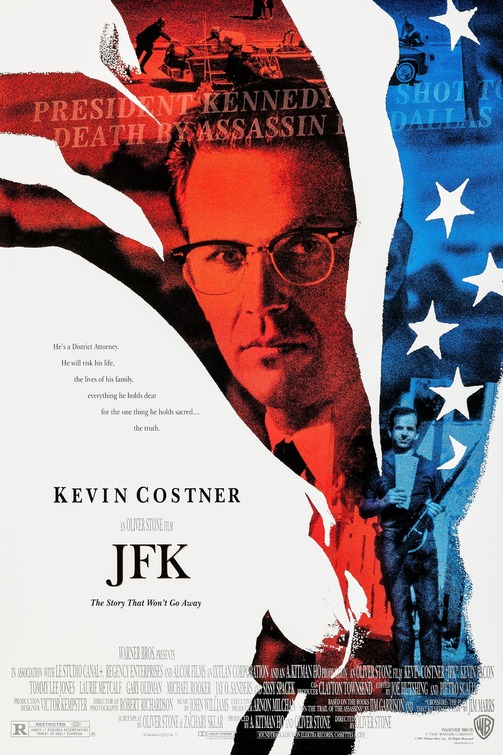
Now we'll finally find out who shot Kennedy.
posted by Hat Maui at 1:14 AM on February 19, 2008 [2 favorites]
Maybe he'll retire to Florida now.
posted by chillmost at 1:25 AM on February 19, 2008 [7 favorites]
posted by chillmost at 1:25 AM on February 19, 2008 [7 favorites]
But, how long before we know what this really means?
Raúl, has been the defacto head of state since Castro had his operation a few years ago. He's the "younger" brother but still 76 years old. After him... a bit of a crap shoot. There are a bunch of generals with weight behind them: Ibarra, head of police and intelligence; Casas, chairman of GAE-SA (Grupo de Administración Empresarial, a military-run holding company that manages Cuba's tourism industry, agriculture, import-export business, and more... none of which apparently ever makes its way into the Treasury, by the way); and Rosales, head of the sugar industry. Luis Alberto (Raúl's son-in-law, and the CEO of GAE-SA) is in a good position if Raúl lives long enough. And at the other end of the spectrum is Lage, the "economic czar" who basically saved the country after the Soviet Union went caput.
Provided we don't get another lunatic Republican in the white house next year, we probably don't have to worry about an American-led coup attempt (like we did to Aristide in Haiti), but you never know these days.
posted by Civil_Disobedient at 1:55 AM on February 19, 2008 [1 favorite]
Raúl, has been the defacto head of state since Castro had his operation a few years ago. He's the "younger" brother but still 76 years old. After him... a bit of a crap shoot. There are a bunch of generals with weight behind them: Ibarra, head of police and intelligence; Casas, chairman of GAE-SA (Grupo de Administración Empresarial, a military-run holding company that manages Cuba's tourism industry, agriculture, import-export business, and more... none of which apparently ever makes its way into the Treasury, by the way); and Rosales, head of the sugar industry. Luis Alberto (Raúl's son-in-law, and the CEO of GAE-SA) is in a good position if Raúl lives long enough. And at the other end of the spectrum is Lage, the "economic czar" who basically saved the country after the Soviet Union went caput.
Provided we don't get another lunatic Republican in the white house next year, we probably don't have to worry about an American-led coup attempt (like we did to Aristide in Haiti), but you never know these days.
posted by Civil_Disobedient at 1:55 AM on February 19, 2008 [1 favorite]
Provided we don't get another lunatic Republican in the white house next year...
A'int it assumed at this point that that Republican is named John McCain?
posted by ericb at 2:30 AM on February 19, 2008
A'int it assumed at this point that that Republican is named John McCain?
posted by ericb at 2:30 AM on February 19, 2008
I was honestly starting to wonder if I would live to see the day that Cuba wasn't Castro's (and I'm 27).
Is that considered old these days?
posted by fairmettle at 2:32 AM on February 19, 2008
Is that considered old these days?
posted by fairmettle at 2:32 AM on February 19, 2008
John McCain's position on Cuba.
Other candidates' positions on Cuba.
posted by ericb at 2:34 AM on February 19, 2008
Other candidates' positions on Cuba.
posted by ericb at 2:34 AM on February 19, 2008
I'm sad that I never made it to Cuba, moronic US trade embargo not withstanding. I've always wanted to see the Cuba of today: old cars, mojitos, and talking beisbol in Havana with the locals.
It'll be interesting to see if/how the place changes with Fidel out of the picture.
posted by philoye at 2:37 AM on February 19, 2008
It'll be interesting to see if/how the place changes with Fidel out of the picture.
posted by philoye at 2:37 AM on February 19, 2008
I'd wager it's going to play out a lot like Taiwan under the KMT after Chiang Kai-shek left the scene - the party heavies will carry things along for a while, but the culture is too pragmatic to allow that to go on for very long. In five to ten years, there will be meaningful single-party elections, and multi-party will follow along in due course. This is if the Ex-pats in Miami let it - as their beef is mostly over lost property and social standing, they're not going to be happy until they have their plantations and serfs back. That's not likely to happen, even under the most progressive and democratic regimes, so the embargo may be with us for a while, yet.
If the Florida Cubans back McCaine in a big way, then it's all over - lifting of the embargo, NAFTA-like trade concessions, cultural exchange, the works. This is because 1) Obama or Hillary will have a perfect excuse to play to the wishes of the Latino base who actually voted for them or 2) McCaine will need a "Nixon in China" moment to cement the moderate vote that got him into office despite the right-wing weirdos.
posted by Slap*Happy at 3:14 AM on February 19, 2008 [1 favorite]
If the Florida Cubans back McCaine in a big way, then it's all over - lifting of the embargo, NAFTA-like trade concessions, cultural exchange, the works. This is because 1) Obama or Hillary will have a perfect excuse to play to the wishes of the Latino base who actually voted for them or 2) McCaine will need a "Nixon in China" moment to cement the moderate vote that got him into office despite the right-wing weirdos.
posted by Slap*Happy at 3:14 AM on February 19, 2008 [1 favorite]
It'll be interesting to see if/how the place changes with Fidel out of the picture.
Shorter speeches, but what should change? The U.S. won't be satisfied until Batista is back on the throne and the boat people in Miami have taken ownership of all "their" land back.
posted by three blind mice at 3:18 AM on February 19, 2008 [1 favorite]
Shorter speeches, but what should change? The U.S. won't be satisfied until Batista is back on the throne and the boat people in Miami have taken ownership of all "their" land back.
posted by three blind mice at 3:18 AM on February 19, 2008 [1 favorite]
I'll never understand the whole anti-Cuba thing in this day in age. Are they even relevant anymore. To me, I think it's a good idea to stop sleeping with China and their bullshit.
posted by dasheekeejones at 3:28 AM on February 19, 2008
posted by dasheekeejones at 3:28 AM on February 19, 2008
Thank God. Some day soon, Cubans will be able to enjoy the same political and economic conditions as Haitians.
posted by mobunited at 3:34 AM on February 19, 2008 [17 favorites]
posted by mobunited at 3:34 AM on February 19, 2008 [17 favorites]
!
posted by Effigy2000 at 3:35 AM on February 19, 2008
posted by Effigy2000 at 3:35 AM on February 19, 2008
I'll never understand it either. I wish someone would outline the ongoing feud for me. is it really purely ideological? Because Raping, dominating and crushing Haiti sure wasn't.
posted by Student of Man at 3:45 AM on February 19, 2008 [1 favorite]
posted by Student of Man at 3:45 AM on February 19, 2008 [1 favorite]
So, are the casinos opening up again?
Will the presidency be put to a proper vote?
Nah, business as usual.
posted by caddis at 4:02 AM on February 19, 2008
Will the presidency be put to a proper vote?
Nah, business as usual.
posted by caddis at 4:02 AM on February 19, 2008
Apparently, Raul has made comments stating that he would like to sit-down with the US and open discussions about relations between the two countries.
Unfortunately, it appears that US law forbids any such official contact with either of the Castro brothers.
THe official US position toward Cuba always seemed like such a farce, to me. We certainly thought it was a good idea to unleash western capitalism into the Soviet Union, when we allowed US corporations to do business there (In the guise of our most powerful agents of chemical warfare...Coke, Pepsi, McDonalds, etc) But, for some reason, doing the same with Cuba would simply be abetting a corrupt government? Um...sure. Whatever...
When the government in Cuba does finally crumble, I think all those south-Florida ex-pats are going to be quite upset to discover that a lot of corporate interests will have beaten them to the punch and taken over before the ex-pats' plane even lands. "Hey! Welcome back! You want to deal cards at our casino?"
posted by Thorzdad at 4:18 AM on February 19, 2008 [2 favorites]
Unfortunately, it appears that US law forbids any such official contact with either of the Castro brothers.
THe official US position toward Cuba always seemed like such a farce, to me. We certainly thought it was a good idea to unleash western capitalism into the Soviet Union, when we allowed US corporations to do business there (In the guise of our most powerful agents of chemical warfare...Coke, Pepsi, McDonalds, etc) But, for some reason, doing the same with Cuba would simply be abetting a corrupt government? Um...sure. Whatever...
When the government in Cuba does finally crumble, I think all those south-Florida ex-pats are going to be quite upset to discover that a lot of corporate interests will have beaten them to the punch and taken over before the ex-pats' plane even lands. "Hey! Welcome back! You want to deal cards at our casino?"
posted by Thorzdad at 4:18 AM on February 19, 2008 [2 favorites]
I wish someone would outline the ongoing feud for me. is it really purely ideological?
It basically works like this:
Until the late 50's Cuba was run by a dictator named Batista who let the US, US Corporations and US organized crime do ANYTHING they wanted. The US Navy had a ridiculously favorable lease on a Navy base. United Fruit owned impossibly large chunks of Cuba's arable land and most of the railroads. And Havana was the gambling, drinking and hooker capital of the Western hemisphere.
Batista's government was basically feudal-- a few wealthy people and a whole lot of shockingly poor serfs. So it wasn't surprising when the Castros and their band of guerillas showed up that poor people loved them and they managed to send Batista into exile.
Once in power, Castro seized land and resources that "belonged" to United Fruit and other US companies. And a bunch of Batista friends and well-wishers who either were well-to-do United Fruit workers or wealthy land-owners in Batista's feudal society moved to Miami, suddenly became very pro-democracy (when they hadn't given a shit about the rights of anyone but themselves a few years earlier) and started leaning on the government to do something about Castro.
The conflict stems from that pressure, Castro's seizure of US companies' assets and that general fear from the US Establishment that a leftist government nearby will give American Plebes bad ideas. The US government pretends to be really big on democracy for Cuba, but another dictatorship would be fine as long as it's right wing-- after all, look at the dictators that the US has backed in the hemisphere. "We want Cuba to be democratic" is code for "we want Cuba's assets and it's shameful that there isn't McDonalds in Cuba."
posted by Mayor Curley at 4:27 AM on February 19, 2008 [69 favorites]
It basically works like this:
Until the late 50's Cuba was run by a dictator named Batista who let the US, US Corporations and US organized crime do ANYTHING they wanted. The US Navy had a ridiculously favorable lease on a Navy base. United Fruit owned impossibly large chunks of Cuba's arable land and most of the railroads. And Havana was the gambling, drinking and hooker capital of the Western hemisphere.
Batista's government was basically feudal-- a few wealthy people and a whole lot of shockingly poor serfs. So it wasn't surprising when the Castros and their band of guerillas showed up that poor people loved them and they managed to send Batista into exile.
Once in power, Castro seized land and resources that "belonged" to United Fruit and other US companies. And a bunch of Batista friends and well-wishers who either were well-to-do United Fruit workers or wealthy land-owners in Batista's feudal society moved to Miami, suddenly became very pro-democracy (when they hadn't given a shit about the rights of anyone but themselves a few years earlier) and started leaning on the government to do something about Castro.
The conflict stems from that pressure, Castro's seizure of US companies' assets and that general fear from the US Establishment that a leftist government nearby will give American Plebes bad ideas. The US government pretends to be really big on democracy for Cuba, but another dictatorship would be fine as long as it's right wing-- after all, look at the dictators that the US has backed in the hemisphere. "We want Cuba to be democratic" is code for "we want Cuba's assets and it's shameful that there isn't McDonalds in Cuba."
posted by Mayor Curley at 4:27 AM on February 19, 2008 [69 favorites]
This seems like a bit of an anti-climax...
And seems to have been meant that way. Given that certain sections of Miami have a hair-trigger response to any nineteenth-hand rumour of Fidel's demise -- those car horns must be worn out by now -- he's apparently denied them a Munchkin moment.
I don't think that Jay Leno or American vintage car dealers ought to be booking container ships to Havana just yet. And I hope that every fucker else in the world gets first dibs at those pre-59 classics.
posted by holgate at 4:51 AM on February 19, 2008
And seems to have been meant that way. Given that certain sections of Miami have a hair-trigger response to any nineteenth-hand rumour of Fidel's demise -- those car horns must be worn out by now -- he's apparently denied them a Munchkin moment.
I don't think that Jay Leno or American vintage car dealers ought to be booking container ships to Havana just yet. And I hope that every fucker else in the world gets first dibs at those pre-59 classics.
posted by holgate at 4:51 AM on February 19, 2008
We're going to demand democracy, is what's going to happen. I heard this on NPR this morning, and had to look for it somewhere else to be sure I heard it right:
posted by sidereal at 4:53 AM on February 19, 2008 [9 favorites]
"Eventually this transition ought to lead to free and fair elections, and I mean free and I mean fair, not these kind of staged elections that the Castro brothers try to foist off as being true democracy" - George W. Bush, brother of JebOK, that's pretty funny.
posted by sidereal at 4:53 AM on February 19, 2008 [9 favorites]
"Eventually this transition ought to lead to free and fair elections, and I mean free and I mean fair, not these kind of staged elections that the Castro brothers try to foist off as being true democracy"
OK. And when the Cuban people elect Hamas in their free and fair elections?
posted by three blind mice at 5:59 AM on February 19, 2008 [6 favorites]
OK. And when the Cuban people elect Hamas in their free and fair elections?
posted by three blind mice at 5:59 AM on February 19, 2008 [6 favorites]
One of the first things most visitors to Cuba note is the absence of advertisements for anything other than the Revolution.
posted by GrammarMoses at 6:08 AM on February 19, 2008
posted by GrammarMoses at 6:08 AM on February 19, 2008
Also, Bill McKibben on Cuban agriculture under the Castro regime: "The Cuba Diet: What will you be eating when the revolution comes?" (Could have sworn this had appeared in the Blue before now, but a search turns up nothing.)
posted by GrammarMoses at 6:12 AM on February 19, 2008 [2 favorites]
posted by GrammarMoses at 6:12 AM on February 19, 2008 [2 favorites]
Mayor Curley Having been to Cuba myself, I'd rather offer a more nuanced view. Current-day Cuba is a thoroughly wretched place, and this not only because of the embargo. The rule of the Communist Party of Cuba is as boneheaded and stupidly bureaucratic as they come. Believe me, I visited Ceaucescu's Romania in 1988, and Castro's Cuba gives it more than a run for its money. Toilet paper is a luxury item (you may as well use the worthless currency for that purpose, you'll save a lot of money), as are even the most basic generic medicines like ibuprophen. Free healthcare? With what, shamanic invocations?
People are thoroughly fed up with the situation. They'll only tell you in private, though. Walls have ears, and you don't badmouth in public the same people that have absolute rule over your employment, your children's education, your healthcare, your housing, etc., as well as having you roughed up in police custody at their whim. Again, shades of '88 Romania and East Berlin.
Moreover, the place is still shockingly divided between have and havenots, that divide still goes broadly along race lines, and Havana is still the hooker and drinking capital of the Western Hemisphere (it's just that the punters nowadays are Spanish and Canadian, not American). Not much gambling going on, I'll admit...
Everybody's much poorer than in pre-Revolution days, though. In those times, Cuba may also have been inequal and corrupt, but it was also one of the most prosperous (if not the most prosperous) Spanish-speaking countries. All those old cars (Batista's ruling class must have been rather large to run so many cars), as well as Havana's fading beauty are solid proof of that. Comparing the contrasting fates of Cuba and Spain (two culturally very close countries) since the '50s, when Cuba was actually both richer and freer than Spain, is particularly heart-breaking.
posted by Skeptic at 6:14 AM on February 19, 2008 [11 favorites]
People are thoroughly fed up with the situation. They'll only tell you in private, though. Walls have ears, and you don't badmouth in public the same people that have absolute rule over your employment, your children's education, your healthcare, your housing, etc., as well as having you roughed up in police custody at their whim. Again, shades of '88 Romania and East Berlin.
Moreover, the place is still shockingly divided between have and havenots, that divide still goes broadly along race lines, and Havana is still the hooker and drinking capital of the Western Hemisphere (it's just that the punters nowadays are Spanish and Canadian, not American). Not much gambling going on, I'll admit...
Everybody's much poorer than in pre-Revolution days, though. In those times, Cuba may also have been inequal and corrupt, but it was also one of the most prosperous (if not the most prosperous) Spanish-speaking countries. All those old cars (Batista's ruling class must have been rather large to run so many cars), as well as Havana's fading beauty are solid proof of that. Comparing the contrasting fates of Cuba and Spain (two culturally very close countries) since the '50s, when Cuba was actually both richer and freer than Spain, is particularly heart-breaking.
posted by Skeptic at 6:14 AM on February 19, 2008 [11 favorites]
Skeptic:
Why would you expect a country which has been effectively blockaded by its natural trading partner to be prosperous, regardless of how it was run? I'm not saying Cuba's a very rosy place, and I have no love for the bureaucratic regime in Havana, but you're overlooking an elephant in the room. The limited but significant accomplishments of the Cuban revolution, particularly in health care, literacy and (as was mentioned on MeFi not too long ago) ecologically sound development, are all accomplished despite the blockade.
My own take on the whole thing is that Raul Castro and whoever follows after him are more likely to take the "Chinese road" (more capitalistic measures within state-owned property and a one-party framework) than go over to the full-on capitalist model followed in Eastern Europe, which hasn't led to either democracy or economic prosperity. Not a great prospect, but you can't seriously suggest that the Miami crew would be a superior (or even marginally democratic) alternative.
posted by graymouser at 6:40 AM on February 19, 2008 [2 favorites]
Why would you expect a country which has been effectively blockaded by its natural trading partner to be prosperous, regardless of how it was run? I'm not saying Cuba's a very rosy place, and I have no love for the bureaucratic regime in Havana, but you're overlooking an elephant in the room. The limited but significant accomplishments of the Cuban revolution, particularly in health care, literacy and (as was mentioned on MeFi not too long ago) ecologically sound development, are all accomplished despite the blockade.
My own take on the whole thing is that Raul Castro and whoever follows after him are more likely to take the "Chinese road" (more capitalistic measures within state-owned property and a one-party framework) than go over to the full-on capitalist model followed in Eastern Europe, which hasn't led to either democracy or economic prosperity. Not a great prospect, but you can't seriously suggest that the Miami crew would be a superior (or even marginally democratic) alternative.
posted by graymouser at 6:40 AM on February 19, 2008 [2 favorites]
Toilet paper is a luxury item (you may as well use the worthless currency for that purpose, you'll save a lot of money), as are even the most basic generic medicines like ibuprophen. Free healthcare? With what, shamanic invocations? ... Everybody's much poorer than in pre-Revolution days, though.
You think any of this has to do with a fifty-year trade embargo imposed by a close neighbor that's also the world's largest economy? I'm not suggesting that I would prefer to live in Cuba over Massachusetts or any number of other places, but a big piece of Cuba's desperation comes from US interference. If we hadn't been working so hard to create austerity in Cuba, it might have turned out very different. LESS austerity would have allowed the populace to stop spendig every waking moment ekeing out a living and demand reforms to the government structure. Cuba may have evolved into a progressive socialist democracy with everyone provided for. Or it may have turned into the stagnant communist backwater that it is now regardless. We'll never know-- the US government wasn't willing to take the chance that it might prosper, have our citizens see it and demand a better system.
posted by Mayor Curley at 6:43 AM on February 19, 2008 [4 favorites]
You think any of this has to do with a fifty-year trade embargo imposed by a close neighbor that's also the world's largest economy? I'm not suggesting that I would prefer to live in Cuba over Massachusetts or any number of other places, but a big piece of Cuba's desperation comes from US interference. If we hadn't been working so hard to create austerity in Cuba, it might have turned out very different. LESS austerity would have allowed the populace to stop spendig every waking moment ekeing out a living and demand reforms to the government structure. Cuba may have evolved into a progressive socialist democracy with everyone provided for. Or it may have turned into the stagnant communist backwater that it is now regardless. We'll never know-- the US government wasn't willing to take the chance that it might prosper, have our citizens see it and demand a better system.
posted by Mayor Curley at 6:43 AM on February 19, 2008 [4 favorites]
On Mayor Curley's last point: sufficient time has elapsed for there to be a revival of what you might call neo-socialism or Bolivarian populism or whatever, and there's now a model that isn't kleptocratic or involving the IMF stripping out the fixtures. Chavez and Morales may have paid their respects to Fidel, but the future of Cuba is going to be guided by their example, not the Washington consensus.
And if a conversation is to begin, it should be with Cubans in Cuba, not Little Havana and the politicians who pander to its populace. "A Prince, therefore, ought to go slowly in undertaking an enterprise upon the representations of an exile, for most of the times he will be left either with shame or very grave injury." And Machiavelli's words have been proven right at least once in Bush's presidency.
posted by holgate at 7:09 AM on February 19, 2008 [2 favorites]
And if a conversation is to begin, it should be with Cubans in Cuba, not Little Havana and the politicians who pander to its populace. "A Prince, therefore, ought to go slowly in undertaking an enterprise upon the representations of an exile, for most of the times he will be left either with shame or very grave injury." And Machiavelli's words have been proven right at least once in Bush's presidency.
posted by holgate at 7:09 AM on February 19, 2008 [2 favorites]
Castro outlasted Eisenhower, Kennedy, Johnson, Nixon, Ford, Reagan, Bush 1.0, and Clinton. I have to admit I was pulling for him to outlast Bush 2.0.
posted by kirkaracha at 7:26 AM on February 19, 2008
posted by kirkaracha at 7:26 AM on February 19, 2008
I was also hoping he'd at least wait around for Bush to leave office.
posted by chunking express at 7:30 AM on February 19, 2008
posted by chunking express at 7:30 AM on February 19, 2008
Now we'll finally find out who shot Kennedy.
Oswald.
posted by grubi at 7:32 AM on February 19, 2008 [3 favorites]
Oswald.
posted by grubi at 7:32 AM on February 19, 2008 [3 favorites]
I was also hoping he'd at least wait around for Bush to leave office.
I was hoping he'd last one more year, just so there could be a proper anniversary (50 years).
posted by grubi at 7:36 AM on February 19, 2008
I was hoping he'd last one more year, just so there could be a proper anniversary (50 years).
posted by grubi at 7:36 AM on February 19, 2008
Skeptic: That ain't a nuanced view.
Free healthcare? With what, shamanic invocations?
The WHO ranked Cuba's health care system 39th in the world (PDF). Not too bad, especially considering that the US ranked 37th. You are probably also unaware that Cuba sends a lot of doctors overseas.
Everybody's much poorer than in pre-Revolution days, though.
You seem to have no idea what Cuba was like pre-Revolution. The presence of cars and big houses does not indicate anything about everybody; it just tells you that some people could afford those things.
posted by ssg at 7:40 AM on February 19, 2008 [2 favorites]
Free healthcare? With what, shamanic invocations?
The WHO ranked Cuba's health care system 39th in the world (PDF). Not too bad, especially considering that the US ranked 37th. You are probably also unaware that Cuba sends a lot of doctors overseas.
Everybody's much poorer than in pre-Revolution days, though.
You seem to have no idea what Cuba was like pre-Revolution. The presence of cars and big houses does not indicate anything about everybody; it just tells you that some people could afford those things.
posted by ssg at 7:40 AM on February 19, 2008 [2 favorites]
Now we'll finally find out who shot Kennedy.
Oswalt
posted by papakwanz at 7:43 AM on February 19, 2008
Oswalt
posted by papakwanz at 7:43 AM on February 19, 2008
Cuba will never be free until the ITT/United Fruit/Mafia contigency are back in charge.
posted by Blazecock Pileon at 7:59 AM on February 19, 2008 [2 favorites]
posted by Blazecock Pileon at 7:59 AM on February 19, 2008 [2 favorites]
Wait, "Raul" Castro? Obviously that's a portmanteau of Ron+pAUL but the msm doesn't want to acknowledge that Ron Paul will be put in charge of Cuba in Hillary's America.
posted by Eideteker at 8:00 AM on February 19, 2008 [1 favorite]
posted by Eideteker at 8:00 AM on February 19, 2008 [1 favorite]
Yeah, I can't wait for Cuba to be a real democracy so the US can start undermining all their democratic freedoms.
posted by troybob at 8:04 AM on February 19, 2008 [2 favorites]
posted by troybob at 8:04 AM on February 19, 2008 [2 favorites]
Oh great, now those Alpha66 lunatics will really run amok.
posted by aramaic at 8:05 AM on February 19, 2008
posted by aramaic at 8:05 AM on February 19, 2008
Well, I'm going there this Saturday so I'll let you all know if mojitos are still available.
posted by concreteforest at 8:42 AM on February 19, 2008
posted by concreteforest at 8:42 AM on February 19, 2008
The conflict stems from that pressure, Castro's seizure of US companies' assets and that general fear from the US Establishment that a leftist government nearby will give American Plebes bad ideas.
Didn't you leave out the part about Castro establishing a communist totalitarian dictatorship? This seems like a ludicrously biased and one-sided view of the situation, and a whitewashed view of a tyranny. Everything is the fault of wealthy people, and Castro is a noble Robin-Hood like savior.
"We want Cuba to be democratic" is code for "we want Cuba's assets and it's shameful that there isn't McDonalds in Cuba."
Maybe that's true of some people. You seem to be painting with a rather broad brush.
posted by shivohum at 8:52 AM on February 19, 2008
Didn't you leave out the part about Castro establishing a communist totalitarian dictatorship? This seems like a ludicrously biased and one-sided view of the situation, and a whitewashed view of a tyranny. Everything is the fault of wealthy people, and Castro is a noble Robin-Hood like savior.
"We want Cuba to be democratic" is code for "we want Cuba's assets and it's shameful that there isn't McDonalds in Cuba."
Maybe that's true of some people. You seem to be painting with a rather broad brush.
posted by shivohum at 8:52 AM on February 19, 2008
Yeah, I would settle for an end to the dictatorship that it is today. I don't care what economic system they want. Are socialism and democracy incompatible? I don't think so.
posted by caddis at 9:08 AM on February 19, 2008
posted by caddis at 9:08 AM on February 19, 2008
Didn't you leave out the part about Castro establishing a communist totalitarian dictatorship?
I also left out the part about the US recognizing and trading with at least equally oppressive far-right dictatorships in Argentina, Haiti, and El Salvador (off the top of my head) and no one here caring. What makes Castro special?
Answer: It's refusing to co-operate with U.S. government interests and (at least giving the appearance of) empowering poor people.
posted by Mayor Curley at 9:18 AM on February 19, 2008 [7 favorites]
I also left out the part about the US recognizing and trading with at least equally oppressive far-right dictatorships in Argentina, Haiti, and El Salvador (off the top of my head) and no one here caring. What makes Castro special?
Answer: It's refusing to co-operate with U.S. government interests and (at least giving the appearance of) empowering poor people.
posted by Mayor Curley at 9:18 AM on February 19, 2008 [7 favorites]
Yeah, any idea that Cuba is special becuase it's particuklarly natsy to it's people is bullshit. It's special because it pissed off the US. It could all be bunny rabbits and pink fluffy clouds and you'd still be blokading it and attempting to overthrow it's goverment.
posted by Artw at 9:25 AM on February 19, 2008 [1 favorite]
posted by Artw at 9:25 AM on February 19, 2008 [1 favorite]
About Cuba's healthcare: That's an infinitely debated question, but I believe the free market has spoken. People from many different countries travel to Cuba to pay good money for treatments that are cheaper, better, and are received faster than what they would get in their home countries. And that includes Americans.
See Wikipedia for some details. "Medical treatments included joint replacement, cancer treatment, eye surgery, cosmetic surgery and addictions rehabilitation."
posted by Joakim Ziegler at 9:35 AM on February 19, 2008
See Wikipedia for some details. "Medical treatments included joint replacement, cancer treatment, eye surgery, cosmetic surgery and addictions rehabilitation."
posted by Joakim Ziegler at 9:35 AM on February 19, 2008
"We want Cuba to be democratic" is code for "we want Cuba's assets and it's shameful that there isn't McDonalds in Cuba."
Oh, there's definitely one McDonalds in Cuba, and guess where it is.
Obviously, the Cuban idea of freedom is compatible with Castro being top dog basically for life and other shady things that have gone on there. And that's definitely incongruous.
But I think the real question is, is it more or less incongruous than our idea of freedom being compatible with McDonalds, Monsanto successfully suing farmers out of existence because GMO corn pollen blew into their fields, smoking being outlawed in all restaurants in many states, the Bay of Pigs invasion and U.S. military bases all over the world, seizing development rights on private land to protect the environment, and so on, and so forth…
There are probably a few human rights that could be better addressed in Cuba but they don't do so bad on the whole. But I'm inclined to think that the idea that they are the ones who really need to change - for the sake of human freedom - amounts to no more than echos of Cold War rhetoric authored by people who are quite possibly long dead.
posted by XMLicious at 10:06 AM on February 19, 2008 [1 favorite]
Oh, there's definitely one McDonalds in Cuba, and guess where it is.
Obviously, the Cuban idea of freedom is compatible with Castro being top dog basically for life and other shady things that have gone on there. And that's definitely incongruous.
But I think the real question is, is it more or less incongruous than our idea of freedom being compatible with McDonalds, Monsanto successfully suing farmers out of existence because GMO corn pollen blew into their fields, smoking being outlawed in all restaurants in many states, the Bay of Pigs invasion and U.S. military bases all over the world, seizing development rights on private land to protect the environment, and so on, and so forth…
There are probably a few human rights that could be better addressed in Cuba but they don't do so bad on the whole. But I'm inclined to think that the idea that they are the ones who really need to change - for the sake of human freedom - amounts to no more than echos of Cold War rhetoric authored by people who are quite possibly long dead.
posted by XMLicious at 10:06 AM on February 19, 2008 [1 favorite]
So, and this is to my mind, the most important question of all; are all those kids who have been wearing Che Guevara shirts finally vindicated or is it still tacky?
posted by quin at 10:11 AM on February 19, 2008
posted by quin at 10:11 AM on February 19, 2008
Yay! The embargo worked! USA! USA!
posted by schmedeman at 10:20 AM on February 19, 2008 [1 favorite]
posted by schmedeman at 10:20 AM on February 19, 2008 [1 favorite]
smoking being outlawed in all restaurants in many states
That's right! Fascists! Keep your rosaries off my alveoli!
posted by Lord Chancellor at 10:38 AM on February 19, 2008
That's right! Fascists! Keep your rosaries off my alveoli!
posted by Lord Chancellor at 10:38 AM on February 19, 2008
But I think the real question is, is it more or less incongruous than our idea of freedom being compatible with McDonalds, Monsanto successfully suing farmers out of existence because GMO corn pollen blew into their fields, smoking being outlawed in all restaurants in many states, the Bay of Pigs invasion and U.S. military bases all over the world, seizing development rights on private land to protect the environment, and so on, and so forth
Two of these things are not like the others. Smoking bans are about allowing the maximum number of people freedom of choice in their workplaces as well as their dining and partying establishments with a minimum impact to health. Eminent domain seizures in order to help protect the environment are likewise about actions which contribute to the greater good.
posted by dirtynumbangelboy at 10:58 AM on February 19, 2008 [1 favorite]
Two of these things are not like the others. Smoking bans are about allowing the maximum number of people freedom of choice in their workplaces as well as their dining and partying establishments with a minimum impact to health. Eminent domain seizures in order to help protect the environment are likewise about actions which contribute to the greater good.
posted by dirtynumbangelboy at 10:58 AM on February 19, 2008 [1 favorite]
It seems to me that the US can guide Cuba to a useful democracy if it quickly lifts the embargo, opens realistic diplomatic and trade channels, releases Cuban prisoners in the US and jails the exiled Cuban terrorists hiding out in Florida. Cuba has been willing for many years to deal but American policy towards Cuba for many decades has been ridiculously juvenile.
posted by JJ86 at 11:11 AM on February 19, 2008 [1 favorite]
posted by JJ86 at 11:11 AM on February 19, 2008 [1 favorite]
Cuba, Si! Blokeo, No!
posted by Mental Wimp at 11:11 AM on February 19, 2008
posted by Mental Wimp at 11:11 AM on February 19, 2008
Alterantively you could seek to asset strip them and install a puppet goverment.
posted by Artw at 11:12 AM on February 19, 2008
posted by Artw at 11:12 AM on February 19, 2008
It seems to me that the US can guide Cuba to a useful democracy ...
While I agree that the US should do all the things that you list, I find it pretty ironic to think that the US might guide Cuba to democracy, given that the US involvement in Latin America to date has been predominantly focused on backing or helping to set up undemocratic right wing regimes (see, for instance, the three countries that Mayor Curley list above that the US "recognized": Argentina, Haiti, and El Salvador, plus many more). I don't think the US is going to garner a lot of trust on this issue in Cuba.
posted by ssg at 11:20 AM on February 19, 2008 [1 favorite]
While I agree that the US should do all the things that you list, I find it pretty ironic to think that the US might guide Cuba to democracy, given that the US involvement in Latin America to date has been predominantly focused on backing or helping to set up undemocratic right wing regimes (see, for instance, the three countries that Mayor Curley list above that the US "recognized": Argentina, Haiti, and El Salvador, plus many more). I don't think the US is going to garner a lot of trust on this issue in Cuba.
posted by ssg at 11:20 AM on February 19, 2008 [1 favorite]
Skeptic said: Toilet paper is a luxury item (you may as well use the worthless currency for that purpose, you'll save a lot of money), as are even the most basic generic medicines like ibuprophen. Free healthcare? With what, shamanic invocations?
Toilet paper and medicines are a luxury item in most of Mexico and India. Your point was wasted with that comment.
posted by JJ86 at 11:20 AM on February 19, 2008 [2 favorites]
Toilet paper and medicines are a luxury item in most of Mexico and India. Your point was wasted with that comment.
posted by JJ86 at 11:20 AM on February 19, 2008 [2 favorites]
"jails the exiled Cuban terrorists hiding out in Florida"
I'm sorry, what terrorists are you talking about? South Florida has a number of exiled counter-revolutionaries, i.e. freedom fighters. Perhaps you've been misinformed.
posted by oddman at 11:24 AM on February 19, 2008
I'm sorry, what terrorists are you talking about? South Florida has a number of exiled counter-revolutionaries, i.e. freedom fighters. Perhaps you've been misinformed.
posted by oddman at 11:24 AM on February 19, 2008
Answer: It's refusing to co-operate with U.S. government interests and (at least giving the appearance of) empowering poor people.
I think it's the second part of that answer that's bothering people, because it is fairly ridiculous and one-sided. Being treated unfairly because it's "empowering poor people" or that "a leftist government nearby will give American Plebes bad ideas"?
Please. The first part of your answer is spot-on. Cuba opposed American interests, and America thus opposed Cuba. Simple geopolitics. Cuba was also an ally of our great rival in the 20th century, as the right-wing dictatorships weren't; another reason for different treatment.
Don't misunderstand me; I'm not saying that US support for right-wing dictatorships was good. It's just that when you examine the situation from a practical, realist POV, it makes perfect sense that American policymakers would treat different actors differently in pursuit of their goals. And these reasons are perfectly adequate without bringing in class-warfare boogeymen.
posted by Sangermaine at 11:26 AM on February 19, 2008
I think it's the second part of that answer that's bothering people, because it is fairly ridiculous and one-sided. Being treated unfairly because it's "empowering poor people" or that "a leftist government nearby will give American Plebes bad ideas"?
Please. The first part of your answer is spot-on. Cuba opposed American interests, and America thus opposed Cuba. Simple geopolitics. Cuba was also an ally of our great rival in the 20th century, as the right-wing dictatorships weren't; another reason for different treatment.
Don't misunderstand me; I'm not saying that US support for right-wing dictatorships was good. It's just that when you examine the situation from a practical, realist POV, it makes perfect sense that American policymakers would treat different actors differently in pursuit of their goals. And these reasons are perfectly adequate without bringing in class-warfare boogeymen.
posted by Sangermaine at 11:26 AM on February 19, 2008
Dictatorships propped up by the US
Suharto of Indonesia
Papa Doc of Haiti
Fulgencio Bastista of Cuba
Saddam Hussein of Iraq
South Korea, Panama, Phillipines
ALL over latin America
and The whole damn continent of Africa.
When it comes to setting up dictators, The US is public Democracy Enemy #1.
What? you thought this was meritocracy? You must be an advanced species of aliens, then.
posted by Student of Man at 11:27 AM on February 19, 2008
Suharto of Indonesia
Papa Doc of Haiti
Fulgencio Bastista of Cuba
Saddam Hussein of Iraq
South Korea, Panama, Phillipines
ALL over latin America
and The whole damn continent of Africa.
When it comes to setting up dictators, The US is public Democracy Enemy #1.
What? you thought this was meritocracy? You must be an advanced species of aliens, then.
posted by Student of Man at 11:27 AM on February 19, 2008
Please. The first part of your answer is spot-on. Cuba opposed American interests, and America thus opposed Cuba. Simple geopolitics.
Wow...
posted by Student of Man at 11:29 AM on February 19, 2008 [1 favorite]
Wow...
posted by Student of Man at 11:29 AM on February 19, 2008 [1 favorite]
ssg mentioned: I find it pretty ironic to think that the US might guide Cuba to democracy, given that the US involvement in Latin America to date has been predominantly focused on backing or helping to set up undemocratic right wing regimes...
Officially yeah, it could be hairy but consider how Russia was helped to transition to a democracy. It wasn't helped with Reaganite cronies, there were some pretty knowledgeable business people and economic experts that helped where they could.
posted by JJ86 at 11:32 AM on February 19, 2008
Officially yeah, it could be hairy but consider how Russia was helped to transition to a democracy. It wasn't helped with Reaganite cronies, there were some pretty knowledgeable business people and economic experts that helped where they could.
posted by JJ86 at 11:32 AM on February 19, 2008
Sangermaine:
I disagree entirely. The US has been dead set on destroying the few regimes that have attempted (in however a distorted and bureaucratized way) to break with capitalism and not given in to the whole edifice of the "death of communism" with the fall of the USSR. Cuba's continued existence as a "socialist" country (n.b. I don't agree with the label but don't want to get into a long terminological debate) is a fly in the ointment of the Washington Consensus that the leaders of the US very much want to promote.
posted by graymouser at 11:37 AM on February 19, 2008
I disagree entirely. The US has been dead set on destroying the few regimes that have attempted (in however a distorted and bureaucratized way) to break with capitalism and not given in to the whole edifice of the "death of communism" with the fall of the USSR. Cuba's continued existence as a "socialist" country (n.b. I don't agree with the label but don't want to get into a long terminological debate) is a fly in the ointment of the Washington Consensus that the leaders of the US very much want to promote.
posted by graymouser at 11:37 AM on February 19, 2008
graymouser mentioned: Cuba's continued existence as a "socialist" country (n.b. I don't agree with the label but don't want to get into a long terminological debate) is a fly in the ointment of the Washington Consensus that the leaders of the US very much want to promote.
So that would place Cuba in the same position as Vietnam and China. I don't think that theory holds merit.
posted by JJ86 at 11:40 AM on February 19, 2008
So that would place Cuba in the same position as Vietnam and China. I don't think that theory holds merit.
posted by JJ86 at 11:40 AM on February 19, 2008
when you examine the situation from a practical, realist POV, it makes perfect sense that American policymakers would treat different actors differently in pursuit of their goals...
Yes, certainly. Buy our products, don't take stuff from the wealthy and do what we say-- then, El Jefe, you can starve people, torture them, or just ignore the masses as they die in the streets while you line your pockets. And we, the U.S., will even give you "advisors" to help keep you in power. But talk of working class empowerment and/or fail to embrace our consumer culture and you are the enemy.
And these reasons are perfectly adequate without bringing in class-warfare boogeymen.
Then why is Chavez a boogeyman and Pinochet got CIA help to consolidate?
posted by Mayor Curley at 11:49 AM on February 19, 2008 [1 favorite]
Yes, certainly. Buy our products, don't take stuff from the wealthy and do what we say-- then, El Jefe, you can starve people, torture them, or just ignore the masses as they die in the streets while you line your pockets. And we, the U.S., will even give you "advisors" to help keep you in power. But talk of working class empowerment and/or fail to embrace our consumer culture and you are the enemy.
And these reasons are perfectly adequate without bringing in class-warfare boogeymen.
Then why is Chavez a boogeyman and Pinochet got CIA help to consolidate?
posted by Mayor Curley at 11:49 AM on February 19, 2008 [1 favorite]
Officially yeah, it could be hairy but consider how Russia was helped to transition to a democracy. It wasn't helped with Reaganite cronies, there were some pretty knowledgeable business people and economic experts that helped where they could.
Are you holding up Russia as an example of a successful transition somehow helped by Americans? The irony is rich there too. Have you not considered the amazing concentrations of wealth in few hands, the regional civil wars, and the runaway inflation?
It's also ironic that you want to talk about a transition to democracy, but you only mention business people and economic experts.
posted by ssg at 11:51 AM on February 19, 2008 [1 favorite]
Are you holding up Russia as an example of a successful transition somehow helped by Americans? The irony is rich there too. Have you not considered the amazing concentrations of wealth in few hands, the regional civil wars, and the runaway inflation?
It's also ironic that you want to talk about a transition to democracy, but you only mention business people and economic experts.
posted by ssg at 11:51 AM on February 19, 2008 [1 favorite]
ssg said: Are you holding up Russia as an example of a successful transition somehow helped by Americans? The irony is rich there too. Have you not considered the amazing concentrations of wealth in few hands, the regional civil wars, and the runaway inflation?
It's also ironic that you want to talk about a transition to democracy, but you only mention business people and economic experts.
Russia isn't perfect but at this point it's transition is much better than that of Germany or Japan post-war. Russia is in a very good position right now. Amazing concentrations of wealth? Not much more than in the US, besides there is a huge middle class in Russia. If what you say is the case, Moscow wouldn't be doing as well as it is.
Granted I didn't go into 100% detail in my response. Yeah there were advisors of all persuasions, many just in it for the business possibilities. But on topic, Cuba like Russia has a highly educated populace. Doctors, engineers, scientists, teachers abound. Those are the makings of a good middle class.
posted by JJ86 at 12:02 PM on February 19, 2008
It's also ironic that you want to talk about a transition to democracy, but you only mention business people and economic experts.
Russia isn't perfect but at this point it's transition is much better than that of Germany or Japan post-war. Russia is in a very good position right now. Amazing concentrations of wealth? Not much more than in the US, besides there is a huge middle class in Russia. If what you say is the case, Moscow wouldn't be doing as well as it is.
Granted I didn't go into 100% detail in my response. Yeah there were advisors of all persuasions, many just in it for the business possibilities. But on topic, Cuba like Russia has a highly educated populace. Doctors, engineers, scientists, teachers abound. Those are the makings of a good middle class.
posted by JJ86 at 12:02 PM on February 19, 2008
So that would place Cuba in the same position as Vietnam and China. I don't think that theory holds merit.
This is only possible from a gross misreading of the international situation. China and Vietnam are both much larger nations than Cuba, and both have allowed significant capitalist inroads in the economic sphere (although both still have significant nationalized sectors). China in particular is helping to prop up the US economy, no matter what the ruling party is called. Cuba was a tiny neo-colony of the United States, and it has always set a distorted but nonetheless real counter-example to the US ideology for Latin America. This is still a real force, not an abstract thing; look at how Venezuela's Chávez has turned to Cuba. There is no similar turn to China or Vietnam in the world, and so I have to disagree with you.
posted by graymouser at 12:05 PM on February 19, 2008 [1 favorite]
This is only possible from a gross misreading of the international situation. China and Vietnam are both much larger nations than Cuba, and both have allowed significant capitalist inroads in the economic sphere (although both still have significant nationalized sectors). China in particular is helping to prop up the US economy, no matter what the ruling party is called. Cuba was a tiny neo-colony of the United States, and it has always set a distorted but nonetheless real counter-example to the US ideology for Latin America. This is still a real force, not an abstract thing; look at how Venezuela's Chávez has turned to Cuba. There is no similar turn to China or Vietnam in the world, and so I have to disagree with you.
posted by graymouser at 12:05 PM on February 19, 2008 [1 favorite]
graymouser,
I'm not sure what you disagree with me on, since you're saying the same thing as me, though with a different gloss. I'm saying take a realist perspective, and strip out the capitalist/socialist, communism/democracy rhetoric.
If you look at these actions through the lens of a country promoting its interests, cold and simple. Your explanation in your second comment then perfectly captures what I'm saying. Cuba is not a "fly in the ointment" because it's socialist or because America is seeking to stomp out the poor. It's a "fly" because it's not joining the consensus and hampering US interests. This can be seen in your comparison to China and Vietnam, who have opened somewhat to US interests and thus have found reduced hostility.
This answers Mayor Curley question as well:
Then why is Chavez a boogeyman and Pinochet got CIA help to consolidate?
One aided US interests, one didn't.
Also:
But talk of working class empowerment and/or fail to embrace our consumer culture and you are the enemy.
Because generally such efforts go hand-in-hand with harming US interests in the country.
Student of Man
I'm not sure what that "Wow" meant. Would you elaborate?
Look, I'm not saying this is all fantastic and good, I'm just saying this is how it is. The answers to the questions people are asking, "Why Cuba and not X?" come when you take away the rhetoric. There's no need to add in these ideas that the US is out to crush the poor and socialism on principle, that there's a cabal of evil capitalists sitting around plotting to destroy the People.
posted by Sangermaine at 12:28 PM on February 19, 2008
I'm not sure what you disagree with me on, since you're saying the same thing as me, though with a different gloss. I'm saying take a realist perspective, and strip out the capitalist/socialist, communism/democracy rhetoric.
If you look at these actions through the lens of a country promoting its interests, cold and simple. Your explanation in your second comment then perfectly captures what I'm saying. Cuba is not a "fly in the ointment" because it's socialist or because America is seeking to stomp out the poor. It's a "fly" because it's not joining the consensus and hampering US interests. This can be seen in your comparison to China and Vietnam, who have opened somewhat to US interests and thus have found reduced hostility.
This answers Mayor Curley question as well:
Then why is Chavez a boogeyman and Pinochet got CIA help to consolidate?
One aided US interests, one didn't.
Also:
But talk of working class empowerment and/or fail to embrace our consumer culture and you are the enemy.
Because generally such efforts go hand-in-hand with harming US interests in the country.
Student of Man
I'm not sure what that "Wow" meant. Would you elaborate?
Look, I'm not saying this is all fantastic and good, I'm just saying this is how it is. The answers to the questions people are asking, "Why Cuba and not X?" come when you take away the rhetoric. There's no need to add in these ideas that the US is out to crush the poor and socialism on principle, that there's a cabal of evil capitalists sitting around plotting to destroy the People.
posted by Sangermaine at 12:28 PM on February 19, 2008
I also left out the part about the US recognizing and trading with at least equally oppressive far-right dictatorships in Argentina, Haiti, and El Salvador (off the top of my head) and no one here caring.
But talk of working class empowerment and/or fail to embrace our consumer culture and you are the enemy.
I think what you're leaving out is that policy makers might have legitimately thought that communism was a severely destructive force in the country where it was being practiced. That doesn't necessarily make propping up right-wing dictators ok, but it seems they at least had a chance of advancing their countries economically, while communist ones didn't.
I don't see why U.S. self interest couldn't dovetail with an ideology that genuinely thought, and continues to think, that capitalism is better for world prosperity than socialism or communism, and that the damage wrought by the wrong economic system dwarfs that of any particular vicious leader.
So terrible economic system + totalitarian dictatorship = U.S. enmity. It isn't so incomprehensible.
posted by shivohum at 12:31 PM on February 19, 2008
But talk of working class empowerment and/or fail to embrace our consumer culture and you are the enemy.
I think what you're leaving out is that policy makers might have legitimately thought that communism was a severely destructive force in the country where it was being practiced. That doesn't necessarily make propping up right-wing dictators ok, but it seems they at least had a chance of advancing their countries economically, while communist ones didn't.
I don't see why U.S. self interest couldn't dovetail with an ideology that genuinely thought, and continues to think, that capitalism is better for world prosperity than socialism or communism, and that the damage wrought by the wrong economic system dwarfs that of any particular vicious leader.
So terrible economic system + totalitarian dictatorship = U.S. enmity. It isn't so incomprehensible.
posted by shivohum at 12:31 PM on February 19, 2008
graymouser, granted that there is now a difference between Cuba, Vietnam, and China, populations aside. The fact is that it wasn't much more than ten years ago when there was no difference between the three. Yet at that time they were still treated differently by the US even though the real threat was the same.
Although China was put in its current position of power by incredibly stupid US policies I would in no way consider them our ally. They are actually one of the up and coming threats to our country and many other countries in the 21st century.
posted by JJ86 at 12:33 PM on February 19, 2008
Although China was put in its current position of power by incredibly stupid US policies I would in no way consider them our ally. They are actually one of the up and coming threats to our country and many other countries in the 21st century.
posted by JJ86 at 12:33 PM on February 19, 2008
I'm pretty proud how Metafilter and most of the world is treating this topic. It is too bad the current U.S. president and all of the nominees are seemingly incapable to handle ambiguous situations. Now would really be the moment to act graciously, for both to shake hands and bury the hatchet. Have a nice long retirement Fidel, the world will be missing you.
(Even as Cubans themselves may say resounding 'no' in few years, playing with iPods and watching 24. Short-term happiness can be a cultural disaster.)
posted by Free word order! at 12:37 PM on February 19, 2008
(Even as Cubans themselves may say resounding 'no' in few years, playing with iPods and watching 24. Short-term happiness can be a cultural disaster.)
posted by Free word order! at 12:37 PM on February 19, 2008
Interestingly, Castro has already shaken hands (at least in the literal sense) with Clinton. I'm pretty impressed that Castro was willing to do so, given that the US has tried to asassinate him so many times over the years. I don't think I'd be that calm in the same situation.
posted by ssg at 12:57 PM on February 19, 2008
posted by ssg at 12:57 PM on February 19, 2008
dirtynumbangelboy : Two of these things are not like the others. Smoking bans are about allowing the maximum number of people freedom of choice in their workplaces as well as their dining and partying establishments with a minimum impact to health. Eminent domain seizures in order to help protect the environment are likewise about actions which contribute to the greater good.
I wasn't saying I personally oppose all of those things. I made that list so as to point out to people on either side of the U.S. political isle that we aren't exactly paragons of freedom.
posted by XMLicious at 1:10 PM on February 19, 2008
I wasn't saying I personally oppose all of those things. I made that list so as to point out to people on either side of the U.S. political isle that we aren't exactly paragons of freedom.
posted by XMLicious at 1:10 PM on February 19, 2008
It seems to me that the US can guide Cuba to a useful democracy if it quickly lifts the embargo,
Never gonna happen before 2009. George W. Bush isn't a nation-builder, remember?
Maybe we'll get lucky and the next president will be a nation-builder.
posted by XMLicious at 1:14 PM on February 19, 2008
Never gonna happen before 2009. George W. Bush isn't a nation-builder, remember?
Maybe we'll get lucky and the next president will be a nation-builder.
posted by XMLicious at 1:14 PM on February 19, 2008
I wasn't saying I personally oppose all of those things. I made that list so as to point out to people on either side of the U.S. political isle that we aren't exactly paragons of freedom.
Smoking bans ensure more freedom of choice for more people. That seems like a paragon of freedom to me.
Eminent domain seizures can go either way.. but when they're environmentally-motivated, they're a reasonable restriction on freedom.
All the other stuff, though...
posted by dirtynumbangelboy at 1:34 PM on February 19, 2008
Smoking bans ensure more freedom of choice for more people. That seems like a paragon of freedom to me.
Eminent domain seizures can go either way.. but when they're environmentally-motivated, they're a reasonable restriction on freedom.
All the other stuff, though...
posted by dirtynumbangelboy at 1:34 PM on February 19, 2008
Smoking bans ensure more freedom of choice for more people. That seems like a paragon of freedom to me.
But certainly you realize that some people would disagree? Though I'm not among them.
posted by XMLicious at 1:39 PM on February 19, 2008
But certainly you realize that some people would disagree? Though I'm not among them.
posted by XMLicious at 1:39 PM on February 19, 2008
Yes, but those people are, let's be charitable, misguided.
That's what I don't get about the Libertarian stance on that issue. "OMG!" they say, "don't you dare try to tell me what to do with my business!"
"But," the cooler heads say, "by enacting this law, we actually guarantee you a greater flexibility and freedom in who will come work for you. And arguably we are creating a situation in which more people would want to come to your restaurant."
"OMG! Don't you dare try to tell me what to do with my business!"
"Um, ok. But, see.. your business is going to do better. People won't be worried about their health when they come to your establishment."
"OMG! Don't you dare try to tell me what to do with my business!"
"Yeah, I got that bit. Did we mention the part about making more money? More customers?"
"OMG! Don't you-"
Lather, rinse, repeat.
Sorry for the derail.
posted by dirtynumbangelboy at 1:44 PM on February 19, 2008
That's what I don't get about the Libertarian stance on that issue. "OMG!" they say, "don't you dare try to tell me what to do with my business!"
"But," the cooler heads say, "by enacting this law, we actually guarantee you a greater flexibility and freedom in who will come work for you. And arguably we are creating a situation in which more people would want to come to your restaurant."
"OMG! Don't you dare try to tell me what to do with my business!"
"Um, ok. But, see.. your business is going to do better. People won't be worried about their health when they come to your establishment."
"OMG! Don't you dare try to tell me what to do with my business!"
"Yeah, I got that bit. Did we mention the part about making more money? More customers?"
"OMG! Don't you-"
Lather, rinse, repeat.
Sorry for the derail.
posted by dirtynumbangelboy at 1:44 PM on February 19, 2008
Two of these things are not like the others. Smoking bans are about allowing the maximum number of people freedom of choice in their workplaces as well as their dining and partying establishments with a minimum impact to health. Eminent domain seizures in order to help protect the environment are likewise about actions which contribute to the greater good.
Taking away freedom for the greater good certainly sounds more like communism than democracy to me...
"But," the cooler heads say, "by enacting this law, we actually guarantee you a greater flexibility and freedom in who will come work for you. And arguably we are creating a situation in which more people would want to come to your restaurant."
Ludicrous, since they could have had a no-smoking restaurant WITHOUT the law as well.
Smoking bans may or may not be good for America, but its crazy to say they give more freedom to business owners, who could have chosen to be non-smoking before the ban as well. Whether they give more or less freedom to consumers depends on your view of smoking, I suppose. (Personally, I think they're a horrible nanny-state example, and I say that as a Democrat who'd love to see universal healthcare).
posted by wildcrdj at 1:57 PM on February 19, 2008
Taking away freedom for the greater good certainly sounds more like communism than democracy to me...
"But," the cooler heads say, "by enacting this law, we actually guarantee you a greater flexibility and freedom in who will come work for you. And arguably we are creating a situation in which more people would want to come to your restaurant."
Ludicrous, since they could have had a no-smoking restaurant WITHOUT the law as well.
Smoking bans may or may not be good for America, but its crazy to say they give more freedom to business owners, who could have chosen to be non-smoking before the ban as well. Whether they give more or less freedom to consumers depends on your view of smoking, I suppose. (Personally, I think they're a horrible nanny-state example, and I say that as a Democrat who'd love to see universal healthcare).
posted by wildcrdj at 1:57 PM on February 19, 2008
Officially yeah, it could be hairy but consider how Russia was helped to transition to a democracy.
Russia is a democracy? I'm not so sure.
Mind, I'm not entirely convinced the USA is a democracy. Can there truly be democracy when the election machines are rigged, people are routinely disenfranchised, and the leader is selected by the courts?
Certainly the idea that the USA could teach Cuba how to be democratic is laughable.
posted by five fresh fish at 2:24 PM on February 19, 2008 [2 favorites]
Russia is a democracy? I'm not so sure.
Mind, I'm not entirely convinced the USA is a democracy. Can there truly be democracy when the election machines are rigged, people are routinely disenfranchised, and the leader is selected by the courts?
Certainly the idea that the USA could teach Cuba how to be democratic is laughable.
posted by five fresh fish at 2:24 PM on February 19, 2008 [2 favorites]
Taking away freedom for the greater good certainly sounds more like communism than democracy to me
Or Star Trek: "The needs of the many outweigh the needs of the few," yadda yadda yadda.
posted by kirkaracha at 2:43 PM on February 19, 2008
Sangermaine Said, "There's no need to add in these ideas that the US is out to crush the poor and socialism on principle, that there's a cabal of evil capitalists sitting around plotting to destroy the People."
That statement almost sent me into a frenzy. Because it flies int the face of everything I have taken my time to read about. I bet no one on this thread knew that both Wal-mart and Disney have sweatshops in Haiti to this day did they? I won't even try to flood you with all the news articles I pulled about this matter because you probably don't have the time to read.
That "wow" meant that you got it so wrong that it sounds like you are willfully turning away from a 10,000 lb gorilla.
Look, Geopolitics is never simple. If you understood it you would see clear parallels between the US's actions today and outright colonialism of the past.
What do you think capitalism is? The ugly truth is this, no matter if you want to believe it or not, in the race for riches sometimes the US has to keep the poor, poor and actively move to do so.
posted by Student of Man at 2:58 PM on February 19, 2008 [2 favorites]
That statement almost sent me into a frenzy. Because it flies int the face of everything I have taken my time to read about. I bet no one on this thread knew that both Wal-mart and Disney have sweatshops in Haiti to this day did they? I won't even try to flood you with all the news articles I pulled about this matter because you probably don't have the time to read.
That "wow" meant that you got it so wrong that it sounds like you are willfully turning away from a 10,000 lb gorilla.
Look, Geopolitics is never simple. If you understood it you would see clear parallels between the US's actions today and outright colonialism of the past.
What do you think capitalism is? The ugly truth is this, no matter if you want to believe it or not, in the race for riches sometimes the US has to keep the poor, poor and actively move to do so.
posted by Student of Man at 2:58 PM on February 19, 2008 [2 favorites]
Wal-mart and Disney have sweatshops in Haiti to this day
Note though that those workers probably have it better than the Haitians who don't have jobs and have to eat mud.
posted by shivohum at 3:45 PM on February 19, 2008
Note though that those workers probably have it better than the Haitians who don't have jobs and have to eat mud.
posted by shivohum at 3:45 PM on February 19, 2008
Or Star Trek: "The needs of the many outweigh the needs of the few," yadda yadda yadda.
Look man, Spock had to die because it said that in the script!!!11 This is no joking matter! A franchise can only bring someone back from the dead so many times!
posted by XMLicious at 3:46 PM on February 19, 2008
Look man, Spock had to die because it said that in the script!!!11 This is no joking matter! A franchise can only bring someone back from the dead so many times!
posted by XMLicious at 3:46 PM on February 19, 2008
Skeptic, I have also been to Cuba many, many times, and never set foot in a resort or manufactured environment. I have stumbled from house party to house party with teenagers, built houses with working professionals, and eaten long lazy dinners with children and senior citizens. I count some transplanted and some current residents among my closest friends. I have never, in any of the forty or fifty countries I have visited, ever known a happier place.
Your labeling it a "wretched" place is ridiculous, and you are doing a disservice to those unfortunate Americans who are forbidden from traveling to see it for themselves. The average working people of Cuba are much happier, healthier, better educated and safer from crime than in any other Caribbean island I can think of. Have you been to Haiti, recently? Dominica? Jamaica?
What would happen if more Americans -- actual Americans, not corporations -- were allowed to see that this "evil, Communist" place was actually quite pleasant, content, and comfortable?
MayorCurley, your original four paragraph summary was one of the best short versions I've ever read. Well done.
Cuba has problems, like any nation. Some Cubans hate their government, like anywhere else. But it does not need the kind of "help" the USA is pushing. It needs the USA to leave it alone.
The defining limit on Cuba's wealth has not been Castro's management, it has been America's blockade and interference. Cuba will be just fine if somehow the USA can stop itself from interfering.
posted by rokusan at 3:55 PM on February 19, 2008 [5 favorites]
Your labeling it a "wretched" place is ridiculous, and you are doing a disservice to those unfortunate Americans who are forbidden from traveling to see it for themselves. The average working people of Cuba are much happier, healthier, better educated and safer from crime than in any other Caribbean island I can think of. Have you been to Haiti, recently? Dominica? Jamaica?
What would happen if more Americans -- actual Americans, not corporations -- were allowed to see that this "evil, Communist" place was actually quite pleasant, content, and comfortable?
MayorCurley, your original four paragraph summary was one of the best short versions I've ever read. Well done.
Cuba has problems, like any nation. Some Cubans hate their government, like anywhere else. But it does not need the kind of "help" the USA is pushing. It needs the USA to leave it alone.
The defining limit on Cuba's wealth has not been Castro's management, it has been America's blockade and interference. Cuba will be just fine if somehow the USA can stop itself from interfering.
posted by rokusan at 3:55 PM on February 19, 2008 [5 favorites]
Several of you keep arguing over irony.
Irony is maintaining our operation at Guantanamo ( in Cuba, which we pay rent for - even though Castro never cashed a rent check) where we systematically deny prisoners their human rights and are now citing chapter and verse from Nuremburg to make sure they are shown the error of their ways, and, in any manner, criticizing the dictatorial malfeasance of Fidel Castro.
Irony is the arguably most autocratic President this country has ever had ( he of secret courts and detention centers and extradition and warrantless wiretapping and signing statements) lecturing anybody on the process of democracy.
Castro's splinter has never been visible due to our big motherfucking plank. I guess it takes one to know one.
posted by Benny Andajetz at 4:08 PM on February 19, 2008 [2 favorites]
Irony is maintaining our operation at Guantanamo ( in Cuba, which we pay rent for - even though Castro never cashed a rent check) where we systematically deny prisoners their human rights and are now citing chapter and verse from Nuremburg to make sure they are shown the error of their ways, and, in any manner, criticizing the dictatorial malfeasance of Fidel Castro.
Irony is the arguably most autocratic President this country has ever had ( he of secret courts and detention centers and extradition and warrantless wiretapping and signing statements) lecturing anybody on the process of democracy.
Castro's splinter has never been visible due to our big motherfucking plank. I guess it takes one to know one.
posted by Benny Andajetz at 4:08 PM on February 19, 2008 [2 favorites]
US involvement in Latin America to date has been predominantly focused on backing or helping to set up undemocratic right wing regimes
For all our ideals, we still love a friendly bloody dictatorship more than an uncooperative democracy.
posted by troybob at 4:31 PM on February 19, 2008 [1 favorite]
For all our ideals, we still love a friendly bloody dictatorship more than an uncooperative democracy.
posted by troybob at 4:31 PM on February 19, 2008 [1 favorite]
I'm sorry, what terrorists are you talking about? South Florida has a number of exiled counter-revolutionaries, i.e. freedom fighters. Perhaps you've been misinformed.
Nope. You might want to start by reading about Luis Posada Carriles.
posted by Humanzee at 5:33 PM on February 19, 2008 [1 favorite]
Nope. You might want to start by reading about Luis Posada Carriles.
posted by Humanzee at 5:33 PM on February 19, 2008 [1 favorite]
Well, there is a bit more nuance to it than has been stated here, and to be fair (since nobody seems to have brought it up yet), here's a bit more full disclosure:
- First off, Cuba is fucking poor. The fact that Cubans have been able to maintain their cheery disposition, their culture, their music, and still field a better baseball team (pound-for-pound) than we can do here is despite their poverty, not proof-positive that the country is doing A-OK. Fidel's Cuba has, from nearly the beginning, been extremely generous with their scant resources. For instance, they lent troops to Angola, Ethiopia, Yemen, Congo, and Bolivia knowing full-well that we were hell-bent on ousting him from power. You could probably argue that it was easy for Cuba to lend troops when they had the protection of the Soviet Union. You could also argue that the favors such generosity might spurn could potentially be far greater than the initial outlay. But this spirit extends to more than just military aid, as mentioned already--Cuba lends out its doctors and relief personnel during natural disasters at a level that, per-capita, is unmatched in the world. Could be that they're just really good people. I don't know. My point is only that, if you're a cynical person, it's very easy to explain-away the good points of the Cuban argument, but if you're a political romantic, it's also just as easy to ignore or misinterpret the utilitarian, "cold, hard" aspects of their day-to-day. There's a reason people make that boat ride.
- Point number 2: while Cuba may call itself a socialist democracy, opposition parties are effectively absent. There is no freedom of the press. You're constantly looking over your shoulder and can only afford to be honest about the current system in the company of friends.
- Fidel Castro's personal fortune makes him one of the wealthiest human beings on the planet, though none of us will ever know for certain because hundreds of millions are scattered in foreign banks around the world (known locally as "The Comandante’s Reserves"). The Ministry of Armed Forces (MINFAR... like out of Nineteen Eighty-Four) runs the Grupo Administración Empresarial, itself controlled by Raúl Castro's son-in-law, Major Luis Alberto Rodríguez López-Callejas. GAESA is a giant holding company. What companies does it hold? Funny you should ask:
- Gaviota: owns about 40 luxury hotels on the island;
- Aerogaviota: provides air transportation to the tourism industry. It's supposed to be a quasi-private corporation (as private as you can get in Cuba), yet they operate out of the Baracoa Military Air Base, are staffed only with military personnel, and not-coincidentally also houses the presidential fleet;
- Almest: Builds hotels exclusively for foreign-use;
- Almacenes Universal: Controls all domestic and foreign trade and operates several "free-enterprise zones";
- Antex: runs several offshore holding companies that import and export timber, ships, and provides technical engineering expertise. Has offices in countries like Panama, Angola, South Africa, and Namibia, and not-coincidentally, is considered a major conduit for introducing spies trained by Military Counterintelligence (CIM) into other countries;
- Sermar: controls all the shipyards for naval repairs, and in the sole company "allowed" to do exploration of Cuban waters for, well, buried treasure;
- Sasa: the largest automobile repair shop and gas station chain in the country;
- Morro-Cabaña Historical and Military Complex: is the umbrella organization that operates every single museum, monument and historical site in the country, and deals solely in hard-currency;
- Division Financiera: a company that's sole purpose is to recycle GAESA income into hard (portable) currency. Run a network of stores where goods can only be purchased with American currency (Tiendas de Recaudación de Divisas -- "Currency Recovery Stores"). Reportedly they generate more than a hundred million dollars a year;
- Tecnotex: the major importer of all the goods and services that the other companies of the GAESA need for their operations--a perfect front-company.
Same damn pattern as every other country: the richest 1% have more wealth than the combined wealth of everyone else. It's sickening and unconscionable.
posted by five fresh fish at 10:04 PM on February 19, 2008 [1 favorite]
posted by five fresh fish at 10:04 PM on February 19, 2008 [1 favorite]
I want to see the smirk on Bush's face when he said this.
""Eventually this transition ought to lead to free and fair elections. And I mean free, and I mean fair -- not these kinds of staged elections that the Castro brothers tried to foist off as being true democracy," Bush said"
posted by matimer at 11:10 PM on February 19, 2008
""Eventually this transition ought to lead to free and fair elections. And I mean free, and I mean fair -- not these kinds of staged elections that the Castro brothers tried to foist off as being true democracy," Bush said"
posted by matimer at 11:10 PM on February 19, 2008
It is not at all suprising that Raul and Fidel would use their military to provide the industry required to make Cuba a financial success after the withdrawal of Soviet aid. Switching to a tourism lead economy was a wrench, especially considering the embargo. Converting military bases to tourist hotels and agricultural facilities are some of their activities.
The military have stayed loyal to the revolution and the Castro regime and is full of friends and colleagues. Naturally, under intense pressure from their powerful neighbour above to fail, they play their cards close to their chests. You could think of it as a direct form of taxation on tourism to fund the military (which they think they need because of American beligerence).
The military is also respected by the populance at large as they have never been associated with internal repression. They are also the most 'progressive' branch of the executive and have driven several economic reforms.
As they opened the country to foreign investment, they needed to keep control to avoid US infiltration and espionage. The country is quite literally under seige by the US and unsuprisingly they feel a bit defensive.
The business model they are using is not unusual in the world. Indeed, all privatised national businesses that I am aware of have resulted in monolithic corporate monopolies dominating.
There are going to be issues of trust between the military under Raul and the populance, if the new 'junior' military commanders are more interested in themselves than the wellbeing of Cuba. We will have to wait and see.
posted by asok at 3:06 AM on February 20, 2008
The military have stayed loyal to the revolution and the Castro regime and is full of friends and colleagues. Naturally, under intense pressure from their powerful neighbour above to fail, they play their cards close to their chests. You could think of it as a direct form of taxation on tourism to fund the military (which they think they need because of American beligerence).
The military is also respected by the populance at large as they have never been associated with internal repression. They are also the most 'progressive' branch of the executive and have driven several economic reforms.
As they opened the country to foreign investment, they needed to keep control to avoid US infiltration and espionage. The country is quite literally under seige by the US and unsuprisingly they feel a bit defensive.
The business model they are using is not unusual in the world. Indeed, all privatised national businesses that I am aware of have resulted in monolithic corporate monopolies dominating.
There are going to be issues of trust between the military under Raul and the populance, if the new 'junior' military commanders are more interested in themselves than the wellbeing of Cuba. We will have to wait and see.
posted by asok at 3:06 AM on February 20, 2008
I want to see the smirk on Bush's face when he said this.
Me too!
posted by sidereal at 3:37 AM on February 20, 2008
Me too!
posted by sidereal at 3:37 AM on February 20, 2008
the richest 1%
Your calculations are a bit off. There are 11,394,043 people in Cuba. Two into that * 100 = 1.75530319 × 10⁻⁵%. But thanks for playing.
Switching to a tourism lead economy was a wrench, especially considering the embargo. Converting military bases to tourist hotels and agricultural facilities are some of their activities.
Again, overly simplistic. I could be just as simplistic and counter that the entire country is a giant money laundering machine, and with a lot more evidence than your two sentences provide. It wouldn't make either of us wrong, exactly.
The point is I see a lot of people talking out of their hearts and asses, but not a lot of substance to what they're saying. Sure, if the U.S. had its druthers, we'd just pull an Aristide on them and replace Castro Co. with "legitimate" cronyism that might wash with the Adam Smith fans but still end up looking a lot like it does. That's besides the point. Castro--much love that I have for his tenacity and endurance--is still a thieving cocksucker. That's not to say that the Cuban people will do better without him: a nation of warring generals would probably leave the country far worse off. It's my hope that Cuba can do better for itself, by itself.
posted by Civil_Disobedient at 4:44 AM on February 20, 2008
Your calculations are a bit off. There are 11,394,043 people in Cuba. Two into that * 100 = 1.75530319 × 10⁻⁵%. But thanks for playing.
Switching to a tourism lead economy was a wrench, especially considering the embargo. Converting military bases to tourist hotels and agricultural facilities are some of their activities.
Again, overly simplistic. I could be just as simplistic and counter that the entire country is a giant money laundering machine, and with a lot more evidence than your two sentences provide. It wouldn't make either of us wrong, exactly.
The point is I see a lot of people talking out of their hearts and asses, but not a lot of substance to what they're saying. Sure, if the U.S. had its druthers, we'd just pull an Aristide on them and replace Castro Co. with "legitimate" cronyism that might wash with the Adam Smith fans but still end up looking a lot like it does. That's besides the point. Castro--much love that I have for his tenacity and endurance--is still a thieving cocksucker. That's not to say that the Cuban people will do better without him: a nation of warring generals would probably leave the country far worse off. It's my hope that Cuba can do better for itself, by itself.
posted by Civil_Disobedient at 4:44 AM on February 20, 2008
What do you suggest Castro(s) is going to do with all his wealth in the last few years of his life? Surely he will be wallowing in profligate consumerism! Why else would he be fleecing the country? We shall see.
You can read my links as well, if you like, you may find some evidence for my position.
posted by asok at 5:32 AM on February 20, 2008
You can read my links as well, if you like, you may find some evidence for my position.
posted by asok at 5:32 AM on February 20, 2008
I know about Carriles (and Alpha 66, Commandos L, Tony Questa, et al.) . Thanks, anyway.
While, of course, I do not condone the killing of civilians (well, I don't condone the killing of non-civilians either), you will notice that your own wikipedia link notes that he was acquitted of the airplane bombing by both military and civilian courts. Now, I do not know the specifics of the trial, and so I can't say whether the cases were fair or not.
Now, he claims that he is a terrorist, granted. And he will further argue that he is justified and in the right. I have a less neutral view of terrorism, and so I prefer that he not use that label. I don't feel that his activity should be equated with the actions of Al-Qaeda and the like. However, that's a semantics dispute.
Carriles, and others, have waged a violent campaign to overthrow an objectively oppressive regime.
posted by oddman at 8:26 AM on February 20, 2008
While, of course, I do not condone the killing of civilians (well, I don't condone the killing of non-civilians either), you will notice that your own wikipedia link notes that he was acquitted of the airplane bombing by both military and civilian courts. Now, I do not know the specifics of the trial, and so I can't say whether the cases were fair or not.
Now, he claims that he is a terrorist, granted. And he will further argue that he is justified and in the right. I have a less neutral view of terrorism, and so I prefer that he not use that label. I don't feel that his activity should be equated with the actions of Al-Qaeda and the like. However, that's a semantics dispute.
Carriles, and others, have waged a violent campaign to overthrow an objectively oppressive regime.
posted by oddman at 8:26 AM on February 20, 2008
A genuine question, which I will no doubt come to deeply regret asking: what percentage of Cubans are now or have ever been in prison?
posted by aramaic at 8:51 AM on February 20, 2008
posted by aramaic at 8:51 AM on February 20, 2008
Just as you would possibly not call the US the world's number one terrorist, whilst others would, oddman.
Cuba's prison population, recent figures pdf.
Cuba c.55,000 /03 11.3m c.487 per hundred thousand
USA 2,085,620 31/12/03 292.2m 714 per hundred thousand
England & Wales 75,320 25/2/05 53.02m 142 per hundred thousand
C_D - It's my hope that Cuba can do better for itself, by itself.
I don't think anyone would disagree with that. The same could be said for any country.
I find the idea that Fidel would reverse the ideals he has spent a lifetime promoting in his country a little difficult to believe. It would be akin to Ariel Sharon saying, hey why don't we just drop the whole Israel thing and integrate with the rest of the arab world?
posted by asok at 10:11 AM on February 20, 2008
Cuba's prison population, recent figures pdf.
Cuba c.55,000 /03 11.3m c.487 per hundred thousand
USA 2,085,620 31/12/03 292.2m 714 per hundred thousand
England & Wales 75,320 25/2/05 53.02m 142 per hundred thousand
C_D - It's my hope that Cuba can do better for itself, by itself.
I don't think anyone would disagree with that. The same could be said for any country.
I find the idea that Fidel would reverse the ideals he has spent a lifetime promoting in his country a little difficult to believe. It would be akin to Ariel Sharon saying, hey why don't we just drop the whole Israel thing and integrate with the rest of the arab world?
posted by asok at 10:11 AM on February 20, 2008
Your calculations are a bit off. There are 11,394,043 people in Cuba. Two into that * 100 = 1.75530319 × 10⁻⁵%. But thanks for playing.
I was thinking more about the American case.
But the salient fact remains: a tiny number of people have most of the wealth of the world. Meanwhile, someone in your own town is starving and cold.
So Fidel being a douchebag about wealth is no surprise. He's just like the rest of them: a greedy prick who, in the end, has several orders of magnitude more wealth than he needs while living near others who suffer.
posted by five fresh fish at 10:37 AM on February 20, 2008
I was thinking more about the American case.
But the salient fact remains: a tiny number of people have most of the wealth of the world. Meanwhile, someone in your own town is starving and cold.
So Fidel being a douchebag about wealth is no surprise. He's just like the rest of them: a greedy prick who, in the end, has several orders of magnitude more wealth than he needs while living near others who suffer.
posted by five fresh fish at 10:37 AM on February 20, 2008
Student of Man
I don't know if you're still reading, but...
That statement almost sent me into a frenzy. Because it flies int the face of everything I have taken my time to read about.
The ugly truth is this, no matter if you want to believe it or not, in the race for riches sometimes the US has to keep the poor, poor and actively move to do so.
No, it flies in the face of the story you're forcing the facts into. Go back and reread my comments. You'll find I explicitly said the US has done bad things, especially to the poor. My point, boiled down, was this: these actions were done out of self-interest, not malice. These are not the same things, and the distinction is important.
What I was saying was ridiculous was the idea that all this was done out of some hate for the poor. There is no evil capitalist cabal sitting around trying to crush the People; there are capitalists sitting around trying to make money in any way they can. What happens to the poor is a result, but not the end.
This isn't just semantics. As a self-proclaimed "Student of Man", you should know that to deal with someone or something you need to understand their motivations, and not ascribe cartoonish absolutes to them. The US didn't oppose Cuba, as some have suggested, because it just couldn't stand the idea of the "plebes" getting uppity. There were practical concerns that led to its actions, just as there are practical concerns that lead to any actions.
If you want to change things, then you need to find a way to make it more in their interest to help people than to exploit them. Yes, I was aware that companies in the US maintain sweat shops around the world; I do know how to read. These companies aren't doing that because they enjoy abusing people, they do it because it makes them money. If helping Haitians made them money, they'd do that.
Statements about the US doing things out of hatred for the poor are as empty as explaining terrorist actions being done because "they hate our freedom".
posted by Sangermaine at 11:09 AM on February 20, 2008 [1 favorite]
I don't know if you're still reading, but...
That statement almost sent me into a frenzy. Because it flies int the face of everything I have taken my time to read about.
The ugly truth is this, no matter if you want to believe it or not, in the race for riches sometimes the US has to keep the poor, poor and actively move to do so.
No, it flies in the face of the story you're forcing the facts into. Go back and reread my comments. You'll find I explicitly said the US has done bad things, especially to the poor. My point, boiled down, was this: these actions were done out of self-interest, not malice. These are not the same things, and the distinction is important.
What I was saying was ridiculous was the idea that all this was done out of some hate for the poor. There is no evil capitalist cabal sitting around trying to crush the People; there are capitalists sitting around trying to make money in any way they can. What happens to the poor is a result, but not the end.
This isn't just semantics. As a self-proclaimed "Student of Man", you should know that to deal with someone or something you need to understand their motivations, and not ascribe cartoonish absolutes to them. The US didn't oppose Cuba, as some have suggested, because it just couldn't stand the idea of the "plebes" getting uppity. There were practical concerns that led to its actions, just as there are practical concerns that lead to any actions.
If you want to change things, then you need to find a way to make it more in their interest to help people than to exploit them. Yes, I was aware that companies in the US maintain sweat shops around the world; I do know how to read. These companies aren't doing that because they enjoy abusing people, they do it because it makes them money. If helping Haitians made them money, they'd do that.
Statements about the US doing things out of hatred for the poor are as empty as explaining terrorist actions being done because "they hate our freedom".
posted by Sangermaine at 11:09 AM on February 20, 2008 [1 favorite]
First off, Cuba is fucking poor. The fact that Cubans have been able to maintain their cheery disposition, their culture, their music, and still field a better baseball team (pound-for-pound) than we can do here is despite their poverty, not proof-positive that the country is doing A-OK.
A-OK is a bit much, but I think the point is that all people in all nations suffer to varying degrees. In the spectrum of possible problems, a lack of brand-name, US-made consumer goods is not exactly a tragegy. I have never met a starving Cuban, nor a homeless man on the streets. Compared to Havana, inner Chicago (for example) looks a lot more third world.
There's a reason people make that boat ride.
A very small number, since romantic stories aside, it's quite easy to do. In a given extended family, there's always one or two people who have gone to the USA, much as everyone in America knows someone who has "given up" and moved to Europe... or to a tropical island.
As an old Cuban man sighed to me on a beach recently, while looking at the lights of Miami...
"Everyone thinks someone else's grass is greener."
Close enough for a second language. :)
posted by rokusan at 2:25 PM on February 20, 2008
A-OK is a bit much, but I think the point is that all people in all nations suffer to varying degrees. In the spectrum of possible problems, a lack of brand-name, US-made consumer goods is not exactly a tragegy. I have never met a starving Cuban, nor a homeless man on the streets. Compared to Havana, inner Chicago (for example) looks a lot more third world.
There's a reason people make that boat ride.
A very small number, since romantic stories aside, it's quite easy to do. In a given extended family, there's always one or two people who have gone to the USA, much as everyone in America knows someone who has "given up" and moved to Europe... or to a tropical island.
As an old Cuban man sighed to me on a beach recently, while looking at the lights of Miami...
"Everyone thinks someone else's grass is greener."
Close enough for a second language. :)
posted by rokusan at 2:25 PM on February 20, 2008
Statements about the US doing things out of hatred for the poor are as empty as explaining terrorist actions being done because "they hate our freedom".
You're distorting the argument. The US Government's motivation is not "hatred for the poor" like some sort of irrational, abstract contempt akin to racism but directed at all people of lower economic status.
It's self-interest, not hatred. The US government is run by the "Haves," who prefer not to share their bounty with the "Have-Nots" because it means less for the Haves who are motivated by aforementioned self-interest. Any system that would (even in theory) redistribute wealth is very bad for the political leaders of this country and the companies that they owe favors to.
So when a government system that aims to equalize wealth starts to seize power anywhere (especially when it's a neighbor) it's in the best interest of capitalist governments to ENSURE that it won't get off the ground.
As mentioned a thousand times in this thread, the US government has a precedent of ignoring (or abetting) governments that stratify wealth (like Pinochet's) while making leftist governments into boogeymen (like the Sandinistas). Were the Sandinistas going to forcibly take over the United States? No. Did they have a worse human rights record than the Contra insurgency we armed to fight the Sandinistas? Absolutely not. The fear was that the reforms promised by the Sandinistas would work, and American Have-Nots would wonder why we couldn't adopt things from that system.
posted by Mayor Curley at 3:18 PM on February 20, 2008
You're distorting the argument. The US Government's motivation is not "hatred for the poor" like some sort of irrational, abstract contempt akin to racism but directed at all people of lower economic status.
It's self-interest, not hatred. The US government is run by the "Haves," who prefer not to share their bounty with the "Have-Nots" because it means less for the Haves who are motivated by aforementioned self-interest. Any system that would (even in theory) redistribute wealth is very bad for the political leaders of this country and the companies that they owe favors to.
So when a government system that aims to equalize wealth starts to seize power anywhere (especially when it's a neighbor) it's in the best interest of capitalist governments to ENSURE that it won't get off the ground.
As mentioned a thousand times in this thread, the US government has a precedent of ignoring (or abetting) governments that stratify wealth (like Pinochet's) while making leftist governments into boogeymen (like the Sandinistas). Were the Sandinistas going to forcibly take over the United States? No. Did they have a worse human rights record than the Contra insurgency we armed to fight the Sandinistas? Absolutely not. The fear was that the reforms promised by the Sandinistas would work, and American Have-Nots would wonder why we couldn't adopt things from that system.
posted by Mayor Curley at 3:18 PM on February 20, 2008
My point, boiled down, was this: these actions were done out of self-interest, not malice. These are not the same things, and the distinction is important.
You may not agree, but I think that a lot of people wouldn't say that doing something with your self-interest in mind that you know will have very bad consequences for someone else is not all that normatively different from being malicious. Not caring at all about the consequences of your actions for others is called sociopathy on an individual level, but I'm not sure there is a word to describe it on a state level.
posted by ssg at 3:20 PM on February 20, 2008
You may not agree, but I think that a lot of people wouldn't say that doing something with your self-interest in mind that you know will have very bad consequences for someone else is not all that normatively different from being malicious. Not caring at all about the consequences of your actions for others is called sociopathy on an individual level, but I'm not sure there is a word to describe it on a state level.
posted by ssg at 3:20 PM on February 20, 2008
Taken at face value Student of Man spouts the old communist line that the rich must keep the poor poor to stay rich themselves. If that is what was really meant, then Sangermaine's comments were spot on. The reality is, the poor are just ignored, nothing more, nothing less. The rich don't want to share. Everyone fights for their share and those with less ability for whatever reason, get less, even if that means they get essentially nothing. It's not malicious as they other folk are just losers at the game. It's an evil game and that's the problem. The maliciousness is not in the person, but in the system. To the extent that the person buys into such a system knowing the toll it takes on the lower rung that is in itself malicious. I think both Sangermaine and the others are making similar points but from slightly different directions. Sangermaine objects to the over the top rhetoric, without dismissing the underlying issue, I think.
posted by caddis at 5:29 PM on February 20, 2008
posted by caddis at 5:29 PM on February 20, 2008
Not caring at all about the consequences of your actions for others is called sociopathy on an individual level, but I'm not sure there is a word to describe it on a state level.
On a state level it's called "Capitalism".
posted by Mayor Curley at 6:17 PM on February 20, 2008
On a state level it's called "Capitalism".
posted by Mayor Curley at 6:17 PM on February 20, 2008
On a state level it's called "Capitalism".
Except for the fact that capitalism accounts for most of the prosperity of the last several hundred years, and that the poor have benefited from that.
posted by shivohum at 9:30 PM on February 20, 2008
Except for the fact that capitalism accounts for most of the prosperity of the last several hundred years, and that the poor have benefited from that.
posted by shivohum at 9:30 PM on February 20, 2008
If you were from I'm from, and seen the desperation, the injustice, the suffering, If your people were my people, If you read what I read, If you were in my shoes, That kind of cold hearted lack of passion is downright malicious.
posted by Student of Man at 5:57 AM on February 21, 2008
posted by Student of Man at 5:57 AM on February 21, 2008
*compassion
posted by Student of Man at 5:58 AM on February 21, 2008
posted by Student of Man at 5:58 AM on February 21, 2008
This thread may be near dying, but I've already revealed this issue to be personal to an extent. I don't mean to be negative and bring people down ( I surmise I've built somewhat of a reputation on the blue & green). But the truth must be said. Yes I'm Haitian, yes I've suffered for this and yes I understand the plight of Venezuela, Cuba and Haiti.
This is not an indictment of America, Americans, Capitalism or the American brand of Democracy, nor am I a communist. This is an indictment of the people who really run the show, those who do back room deals, interest groups who influence government and bring sorrow upon the world in the name of self-interest and hatred.
Viewing this as a "game" of winners and losers and whoever loses is ignored is a mistake. You are assuming that American capitalism affords everyone a fair playing field. This is not the case.
You may choose to believe otherwise if it helps you sleep better; or if it prevents you from having to tell sad stories to your kid's inquiring minds. But if you take the blue pill, I'll show you just how deep the rabbit hole goes.
Studying this has cemented my view on geopolitics and framed the way I look at the world through these darkly tinted glasses.
posted by Student of Man at 8:03 AM on February 21, 2008
This is not an indictment of America, Americans, Capitalism or the American brand of Democracy, nor am I a communist. This is an indictment of the people who really run the show, those who do back room deals, interest groups who influence government and bring sorrow upon the world in the name of self-interest and hatred.
Viewing this as a "game" of winners and losers and whoever loses is ignored is a mistake. You are assuming that American capitalism affords everyone a fair playing field. This is not the case.
You may choose to believe otherwise if it helps you sleep better; or if it prevents you from having to tell sad stories to your kid's inquiring minds. But if you take the blue pill, I'll show you just how deep the rabbit hole goes.
Studying this has cemented my view on geopolitics and framed the way I look at the world through these darkly tinted glasses.
posted by Student of Man at 8:03 AM on February 21, 2008
You are assuming that American capitalism affords everyone a fair playing field.
I don't think anyone here was making that assumption.
posted by caddis at 8:56 AM on February 21, 2008
I don't think anyone here was making that assumption.
posted by caddis at 8:56 AM on February 21, 2008
Except for the fact that capitalism accounts for most of the prosperity of the last several hundred years, and that the poor have benefited from that.
I hear you about capitalism creating wealth, I really do, but the poor have been the dead last to benefit from it in every case. Especially if you compare Cuba to many of the other areas that were primarily plantations for Western countries for the majority of the last several hundred years.
With the Cold War gone twenty years now I don't think that there is a cause or a need to tell Cuba, “You guys are so wrong about communism and you can't be allowed to keep it, even if you wanted to.”
posted by XMLicious at 12:43 PM on February 21, 2008
I hear you about capitalism creating wealth, I really do, but the poor have been the dead last to benefit from it in every case. Especially if you compare Cuba to many of the other areas that were primarily plantations for Western countries for the majority of the last several hundred years.
With the Cold War gone twenty years now I don't think that there is a cause or a need to tell Cuba, “You guys are so wrong about communism and you can't be allowed to keep it, even if you wanted to.”
posted by XMLicious at 12:43 PM on February 21, 2008
The Cold War is alive and well. Have you not been paying attention to what Putin's been up to? It's getting damned scary, it is.
posted by five fresh fish at 5:48 PM on February 21, 2008
posted by five fresh fish at 5:48 PM on February 21, 2008
Russia has kinda ditched being communist for being straight up evil though.
posted by Artw at 8:53 PM on February 21, 2008
posted by Artw at 8:53 PM on February 21, 2008
Russia has kinda ditched being communist for being straight up evil though.
Peking envy.
posted by rokusan at 12:47 PM on February 22, 2008 [1 favorite]
Peking envy.
posted by rokusan at 12:47 PM on February 22, 2008 [1 favorite]
The Cold War is alive and well. Have you not been paying attention to what Putin's been up to? It's getting damned scary, it is.
But is it really all that much more scary than what's going on in Pakistan or the prospect of Iran getting nukes?
The Cold War was an entirely different global political situation and it was this political situation that made the U.S. so opposed to any communist or socialist political movements domestically and abroad. What I'm saying is that any notion that communism in Cuba is what's really detrimental to freedom there and that making them capitalist will fix everything would be an artifact and legacy of Cold War propaganda.
China, for example, is pretty far down the road of complete conversion to capitalism and still has all sorts of freedom problems. Not to mention, as you point out, capitalist Russia.
posted by XMLicious at 2:36 PM on February 22, 2008
But is it really all that much more scary than what's going on in Pakistan or the prospect of Iran getting nukes?
The Cold War was an entirely different global political situation and it was this political situation that made the U.S. so opposed to any communist or socialist political movements domestically and abroad. What I'm saying is that any notion that communism in Cuba is what's really detrimental to freedom there and that making them capitalist will fix everything would be an artifact and legacy of Cold War propaganda.
China, for example, is pretty far down the road of complete conversion to capitalism and still has all sorts of freedom problems. Not to mention, as you point out, capitalist Russia.
posted by XMLicious at 2:36 PM on February 22, 2008
Interesting FT article/blog by Willem Buiter on the Castro regime.
An interesting fact I hadn't heard before:
"There is an interesting footnote to the Cuban health care issue. In 1986 Cuba introduced the world’s only mandatory quarantine policy for HIV-positive persons. In 1994, the quarantine was officially lifted, but by 2003, half of all HIV-positive Cubans still lived in sanatoriums set up as part of the quarantine policy. When infectious or contagious diseases are involved, the balance between protection of the privacy rights and other human rights and civil liberties of the patients and the rights of the community not to be exposed to avoidable risks, is always a difficult one to strike. The fact that Cuba was the only country to introduce a mandatory quarantine policy for HIV-positive persons is, however, consistent with the general picture of a political regime contemptuous of individual rights."
posted by patricio at 3:56 AM on February 25, 2008
An interesting fact I hadn't heard before:
"There is an interesting footnote to the Cuban health care issue. In 1986 Cuba introduced the world’s only mandatory quarantine policy for HIV-positive persons. In 1994, the quarantine was officially lifted, but by 2003, half of all HIV-positive Cubans still lived in sanatoriums set up as part of the quarantine policy. When infectious or contagious diseases are involved, the balance between protection of the privacy rights and other human rights and civil liberties of the patients and the rights of the community not to be exposed to avoidable risks, is always a difficult one to strike. The fact that Cuba was the only country to introduce a mandatory quarantine policy for HIV-positive persons is, however, consistent with the general picture of a political regime contemptuous of individual rights."
posted by patricio at 3:56 AM on February 25, 2008
Came across this book review of the 1999 book People's Power: Cuba's Experience With Representative Government by Peter Roman:
posted by XMLicious at 7:04 AM on February 25, 2008
“Most of the book is spent examining the lowest levels of People's Power, the Municipal Assembly (MA) and the People's Councils. Less space is devoted to the Provincial Assemblies or the National Assembly. The main reason for this is that Roman sees these local levels as the driving forces behind democracy. He cites the fact that two to eight candidates must stand for election for each MA post, and that they are nominated in popular meetings at which 75 percent or more of the eligible voters show up regularly. Elections are by secret ballot and a majority is needed for election. Usually well over three of every four eligible voters exercise their option to choose their representatives, and over 90 percent voted for ratification of the 1992 constitution. This, of course, contrasts starkly with the low turnout in U.S. national elections. Further, each MA delegate is directly responsible to his or her constituency. They must hold regular office hours, and they must respond to specific complaints lodged by residen ts of their particular districts. A recall vote is possible if 20 percent of the voters, or 20 percent of the delegates in the MA, ask for it. Almost all the MA delegates are known personally to their constituents and are constantly on call, even at early hours in the morning. Imagine calling your city councilman to tell him your electricity is out and having him respond in person!”Emphasis mine.
“Further, the party has no input into the nomination process or elections, and, at least according to Roman, party membership is not that important in getting either elected or nominated. While a number of outside critics have downplayed the importance of the MAs, Roman argues that their concern with education, health, water, and consumer goods--both the quality and distribution thereof--has a decided impact through the chain of government. This is true both because the lower levels of OPP spend about 70 percent of local budgets and because they wield considerable power over local units of production
and distribution. Debates at local meetings, by definition, have the question of the system's efficiency and its goals as a subject even if it is not verbalized in those terms.”
“So do we have a perfect budding democracy in Cuba? No, as even Fidel himself acknowledged in his speech at New York's Riverside Church in September 2000. Roman convincingly demonstrates that the system is still top-down in many aspects--national planning overshadows local demands, and the PCC retains total control of nominations at the top levels. He argues that the higher one goes in government the more bureaucratic the job and attitude. Yet, some 75 percent of the complaints from below are dealt with, if not always satisfactorily, they are at least on the agenda. Further, the local and very personal responses of the delegados to their local constituents, and the constituent's apparent general satisfaction, bode well for the future. Unfortunately, given the built-in constraints of the Cuban economy since the collapse of the Soviet Union in 1989, no representative, no matter how talented or conscientious, can answer every complaint positively.”
“The reportage about meetings and legislative sessions, as well as the interviews, show clearly that problems persist in Cuban society (including corruption, inefficient distribution, and the low quality of some goods). But it also demonstrates a real community (read socialist) consciousness on the part of the people and on the part of their elected representatives.”
“In short, Roman's argument and message is clear. Cuban grassroots democracy is alive and well--it is growing, but like any adolescent it still has problems.”
posted by XMLicious at 7:04 AM on February 25, 2008
« Older Poem as Comic Strip | A 12-inch by 12-inch canvas. Newer »
This thread has been archived and is closed to new comments
So the big question is how the U.S. will react... start pressuring Raul? And after him?
This seems like a bit of an anti-climax... the U.S. has been at a stalemate on this issue for almost fifty years... will communism limp along without the Castros?
posted by phrontist at 12:11 AM on February 19, 2008